

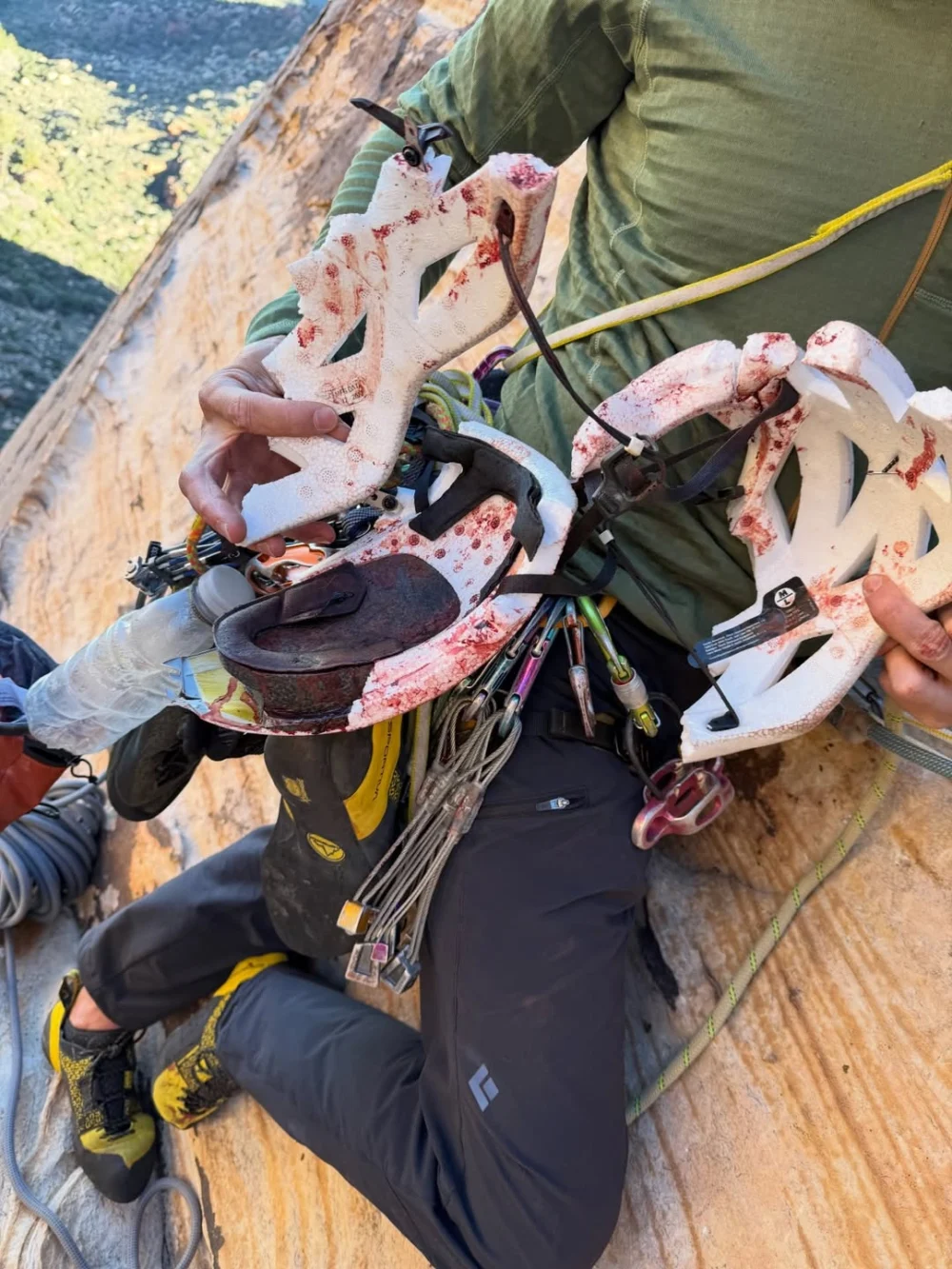
A climber sustained significant injuries and required an extensive seven-hour rescue operation after a fall of approximately 40 to 50 feet on Saturday, February 28, 2026, at Red Rock Canyon National Conservation Area. The incident occurred around noon on the popular multi-pitch route known as "Dream Safari," located on the Dark Shadows Wall in Pine Creek Canyon, drawing a coordinated response from the Las Vegas Metropolitan Police Department (LVMPD) Search and Rescue team.
The Incident and Initial Response
The alarm was raised when the injured climber’s partner contacted emergency services. The victim had reportedly fallen near the top of the first pitch of the "Dream Safari" route, a challenging climb known for its exposure and technical sections. The exact location of the fall, estimated to be around 600 feet above the canyon floor, presented immediate logistical challenges for rescue personnel.
Upon arrival, the climber’s partner and a guide from another party, who were in proximity to the incident, were able to reach the injured individual. Their immediate actions were crucial in providing initial medical aid, including controlling bleeding, while awaiting the arrival of specialized rescue teams. This swift bystander assistance highlights the importance of preparedness and immediate response in wilderness emergencies.
A Complex and Lengthy Rescue Operation
The LVMPD Search and Rescue team, renowned for their expertise in high-angle and wilderness rescues, mobilized quickly. Due to the challenging terrain and the climber’s precarious position, aerial insertion was deemed the most efficient method to access the patient. Rescue officers were successfully airlifted by helicopter onto the cliff face above the route.
From this elevated vantage point, four rescue officers and a lead climbing volunteer began their descent. They rappelled down to the injured climber, initiating advanced medical treatment on-site. The extent of the climber’s injuries, particularly to the head and back, necessitated a meticulous and carefully executed extraction plan.
After stabilizing the patient, the rescue team secured the climber within a specialized titanium litter. The extraction process involved constructing a complex multi-stage lowering system. This system required the team to execute three separate lowering operations down the sheer rock face before the injured individual could be safely brought to the canyon floor. The entire operation, from the initial notification to the final extraction, spanned an arduous seven hours, underscoring the dedication and skill of the rescue personnel.

Medical Assessment and Transport
Once safely on the ground, the climber was transported to a Bureau of Land Management (BLM) helipad. From there, an ambulance transported the individual to a local hospital for further medical evaluation and treatment. While specific details regarding the exact nature and severity of the injuries remain confidential, initial reports indicated that the climber sustained significant trauma.
A critical piece of equipment, the climber’s helmet, reportedly suffered catastrophic damage during the fall. Officials later emphasized that the helmet’s sacrifice likely prevented more severe, potentially fatal, head injuries. This stark reminder of the protective value of proper safety gear in climbing reinforces established safety protocols within the climbing community.
Red Rock Canyon: A Premier Climbing Destination
Red Rock Canyon National Conservation Area, located just outside Las Vegas, Nevada, is a globally recognized destination for rock climbing, attracting thousands of climbers annually. Its dramatic sandstone formations offer a vast array of climbing routes, from single-pitch sport climbs to challenging multi-pitch adventures like "Dream Safari." The area’s accessibility and diverse climbing opportunities make it a popular choice for both experienced climbers and those seeking to expand their skills.
However, the very nature of climbing in such environments inherently carries risks. Factors such as rockfall, changing weather conditions, equipment failure, and human error can all contribute to accidents. The "Dream Safari" route, a well-established multi-pitch climb, typically requires a solid understanding of traditional climbing techniques, anchor building, and rope management. Falls, even from relatively moderate heights, can result in serious injury due to the unforgiving nature of the rock and the potential for uncontrolled impacts.
Broader Implications and Safety Considerations
This incident serves as a poignant reminder of the inherent dangers associated with rock climbing and the paramount importance of safety precautions. The successful rescue, despite its duration and complexity, highlights the effectiveness of trained search and rescue teams and the value of well-practiced emergency response protocols.
The fact that the climber’s helmet was destroyed underscores the critical role of personal protective equipment. Helmets are designed to absorb and dissipate the impact forces of falls and falling debris, significantly reducing the risk of traumatic brain injury. This incident reaffirms the non-negotiable necessity of wearing a properly fitted and certified climbing helmet on all climbing excursions.
Furthermore, the rapid response and initial aid provided by the climbing partner and the guide emphasize the importance of teamwork and mutual support within the climbing community. Climbers are often trained in basic first aid and rescue techniques, and their ability to provide immediate assistance can be life-saving in the critical minutes before professional rescuers arrive.

The "Dream Safari" route, like many in Red Rock Canyon, requires significant skill and experience. Climbers planning to tackle such routes are advised to thoroughly assess their abilities, the route’s difficulty, and current conditions. Proper planning, including checking weather forecasts, understanding the route’s specifics, and ensuring all equipment is in good working order, is essential for mitigating risks.
The involvement of the LVMPD Search and Rescue team, supported by the BLM, demonstrates the collaborative effort often required for successful wilderness rescues in public lands. These agencies invest significant resources and training to ensure they can respond effectively to incidents in challenging environments.
Recovery and Future Outlook
While the injured climber’s immediate medical status was not fully detailed, reports indicated they were recovering and in good spirits following the ordeal. This positive outlook, coupled with the successful extraction, offers a measure of relief to all involved.
The incident is likely to prompt discussions within the local climbing community and among park authorities regarding climbing safety and rescue preparedness. Events like these serve as valuable learning opportunities, reinforcing the need for continuous education, adherence to best practices, and a profound respect for the natural environment in which these activities take place.
Red Rock Canyon will undoubtedly continue to be a magnet for climbers worldwide. However, each incident serves as a sober reminder that while the pursuit of adventure is rewarding, safety must always remain the highest priority. The dedication of the rescue teams and the resilience of the injured climber highlight the critical interplay of skill, preparedness, and the unwavering spirit of the outdoor community.
