

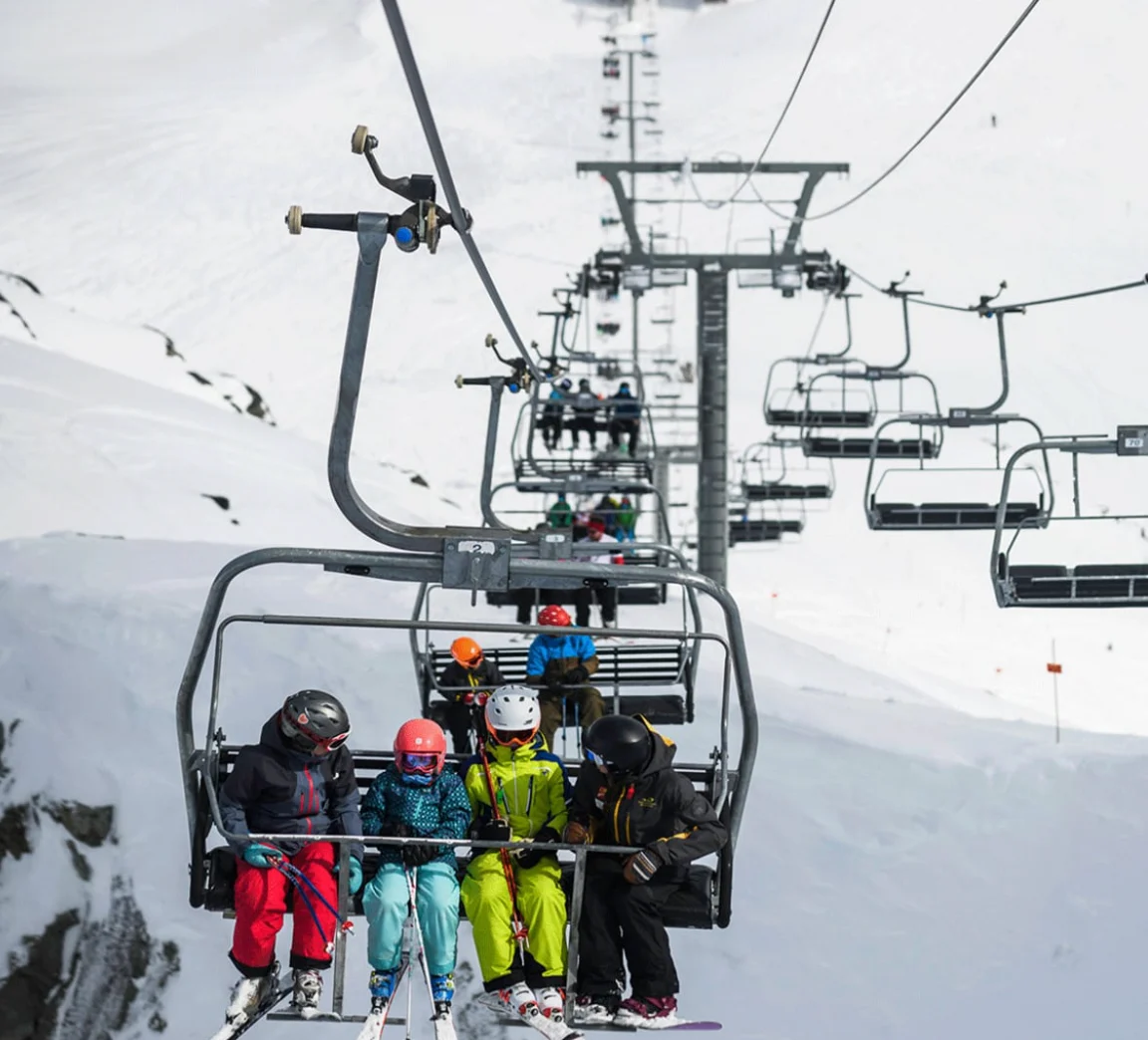
The evolution of the winter sports industry has transformed the traditional ski trip from a simple weekend getaway into a high-stakes logistical operation requiring months of advanced coordination. As ski resorts consolidate under major pass systems and mountain towns face increasing congestion, the margin for error in travel planning has narrowed significantly. Historical data from major destination resorts suggests that the difference between a successful excursion and a costly failure often hinges on decisions made long before the traveler arrives at the mountain. A retrospective analysis of travel patterns, such as a notable 2011 incident at Steamboat Springs where a family found their "ski-in/ski-out" luxury condo inaccessible to beginner-level children, illustrates a recurring theme in the industry: marketing terminology often masks geographical and logistical challenges that can undermine the value of an expensive vacation.
The Economic and Logistical Landscape of Modern Skiing
The North American ski industry has seen a dramatic shift in its economic model over the last decade. According to the National Ski Areas Association (NSAA), the 2022-2023 season saw a record 65.4 million skier visits in the United States. This surge in popularity, driven in part by the proliferation of multi-resort passes like the Epic and Ikon passes, has led to increased pressure on infrastructure, lodging, and mountain services. Consequently, the "walk-up" style of vacationing has become nearly obsolete. Industry analysts note that travelers who fail to account for the unique variables of alpine environments—such as remote geography, volatile weather patterns, and specialized equipment requirements—often face "cascading failures" where one minor delay results in the loss of an entire day of recreation.
The Fallacy of the Budget Periphery
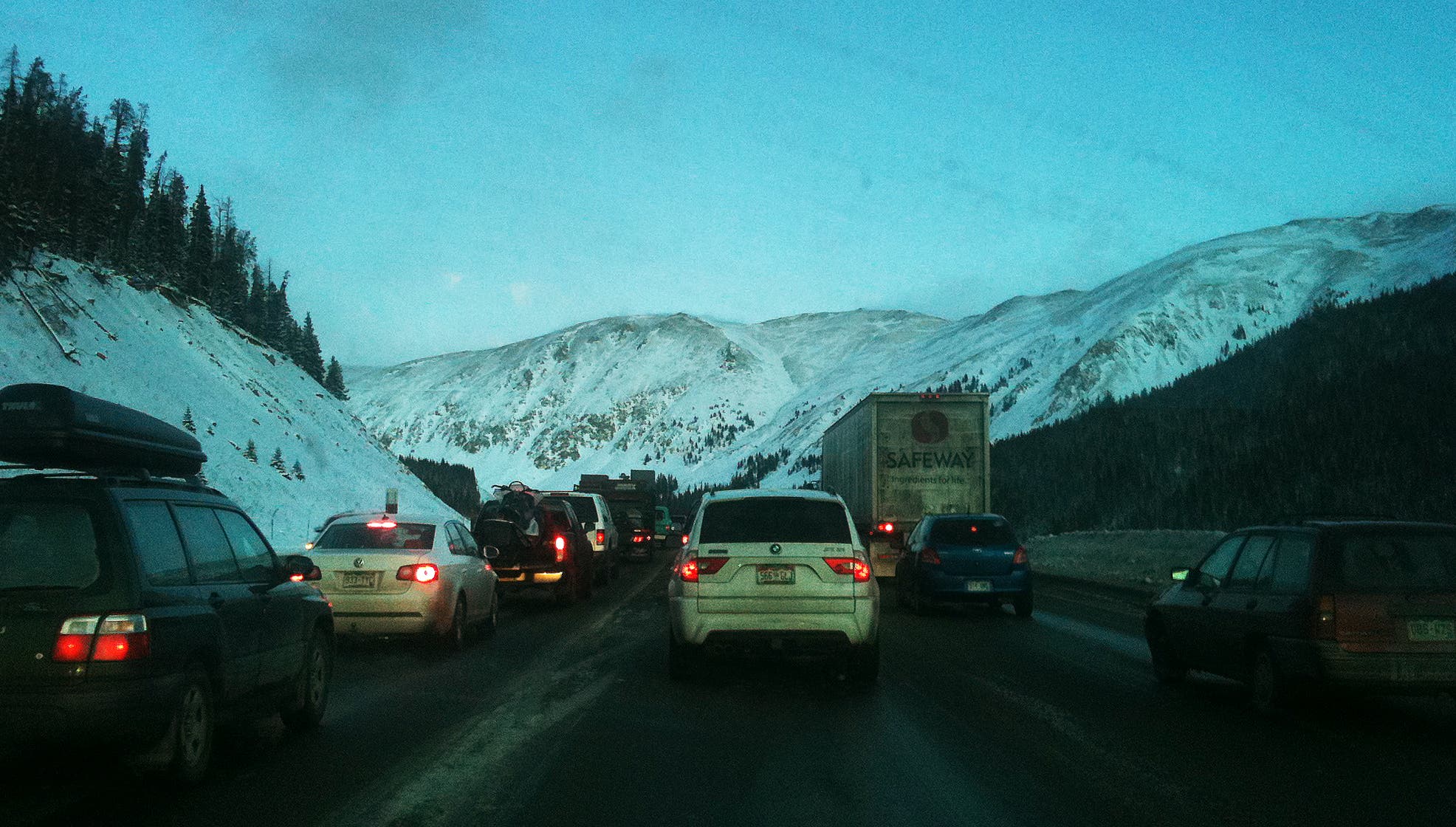
One of the most frequent errors identified by travel consultants is the selection of lodging based solely on nightly rates without accounting for the "time-cost" of commuting. While a hotel located 45 minutes from a resort may offer a savings of $100 to $200 per night, the actual cost of this decision often manifests in lost time and additional fees. In major corridors such as Colorado’s I-70 or Utah’s Little Cottonwood Canyon, a 45-minute drive on a clear day can easily triple during a winter storm or peak weekend traffic.
Supporting data indicates that parking fees at premium resorts now range from $30 to $60 per day, often requiring a shuttle ride from the lot to the base area. When combined with the stress of navigating icy mountain passes and the logistical challenge of transporting heavy gear, the perceived savings of off-site lodging are frequently neutralized. Journalistic analysis suggests that travelers should evaluate lodging through a "total cost of access" lens, which includes fuel, parking, transit time, and the physical toll of the commute.
Aviation Strategy and Regional Reliability
Selecting an arrival airport for a ski vacation involves a complex trade-off between proximity and reliability. While regional airports like Telluride Regional (TEX) or Aspen/Pitkin County (ASE) offer unparalleled proximity to the slopes, they are historically more susceptible to weather-related closures due to high-altitude topography and limited instrumentation for low-visibility landings.
In contrast, major hubs such as Denver International (DEN) or Salt Lake City International (SLC) offer higher flight frequencies and more robust snow-clearing operations, but they require significant ground transit to reach the resorts. Data from aviation tracking services shows that during major winter cycles, regional mountain airports may experience cancellation rates 15% to 20% higher than their metropolitan counterparts. Travel experts recommend that if a regional airport is chosen, travelers should ensure their itinerary includes a "buffer day" and that they are flying on airlines with multiple daily frequencies to the destination to facilitate rebooking in the event of a cancellation.
The Rental Car Dilemma and Transit Infrastructure
The assumption that a rental car is a necessity is a legacy mindset that may no longer apply to many modern ski destinations. As mountain towns struggle with parking shortages and environmental concerns, many have invested heavily in robust public transit and shuttle systems. Destinations such as Vail, Aspen, and Park City feature walkable "European-style" villages where a vehicle can actually become a liability due to high parking costs and limited availability.
Conversely, for travelers visiting multiple resorts or staying in private residences outside the main village, a vehicle with All-Wheel Drive (AWD) and winter tires remains essential. However, the rental car market in mountain regions is notoriously expensive, with surcharges for SUVs and winter-ready vehicles often exceeding the cost of the lodging itself. A growing trend among savvy travelers is the use of professional mountain shuttle services, which eliminate the need to navigate hazardous roads and provide "door-to-door" service, often for a lower total cost than a weekly rental plus parking.
Defining "Ski-In/Ski-Out" in a Marketing Context
The phrase "ski-in/ski-out" has become one of the most loosely defined terms in the real estate and hospitality industries. Journalistic investigations into property listings reveal that this designation can apply to anything from a door that opens directly onto a groomed run to a property that requires a 200-yard hike in plastic boots across a paved parking lot.

A critical oversight for many families is failing to verify the difficulty of the access trail. As seen in the aforementioned Steamboat example, a property may be technically accessible from the mountain, but if the return trail is an "intermediate" (blue) or "advanced" (black) run, it is effectively useless for beginners or children. Furthermore, early-season or late-season travelers must account for snow coverage; a property that is ski-in/ski-out in February may require a shuttle bus in December or April. Experts advise cross-referencing property locations with official resort trail maps and reading specific guest reviews regarding "boot-to-binding" distance.
The Collapse of the "Last-Minute" Service Model
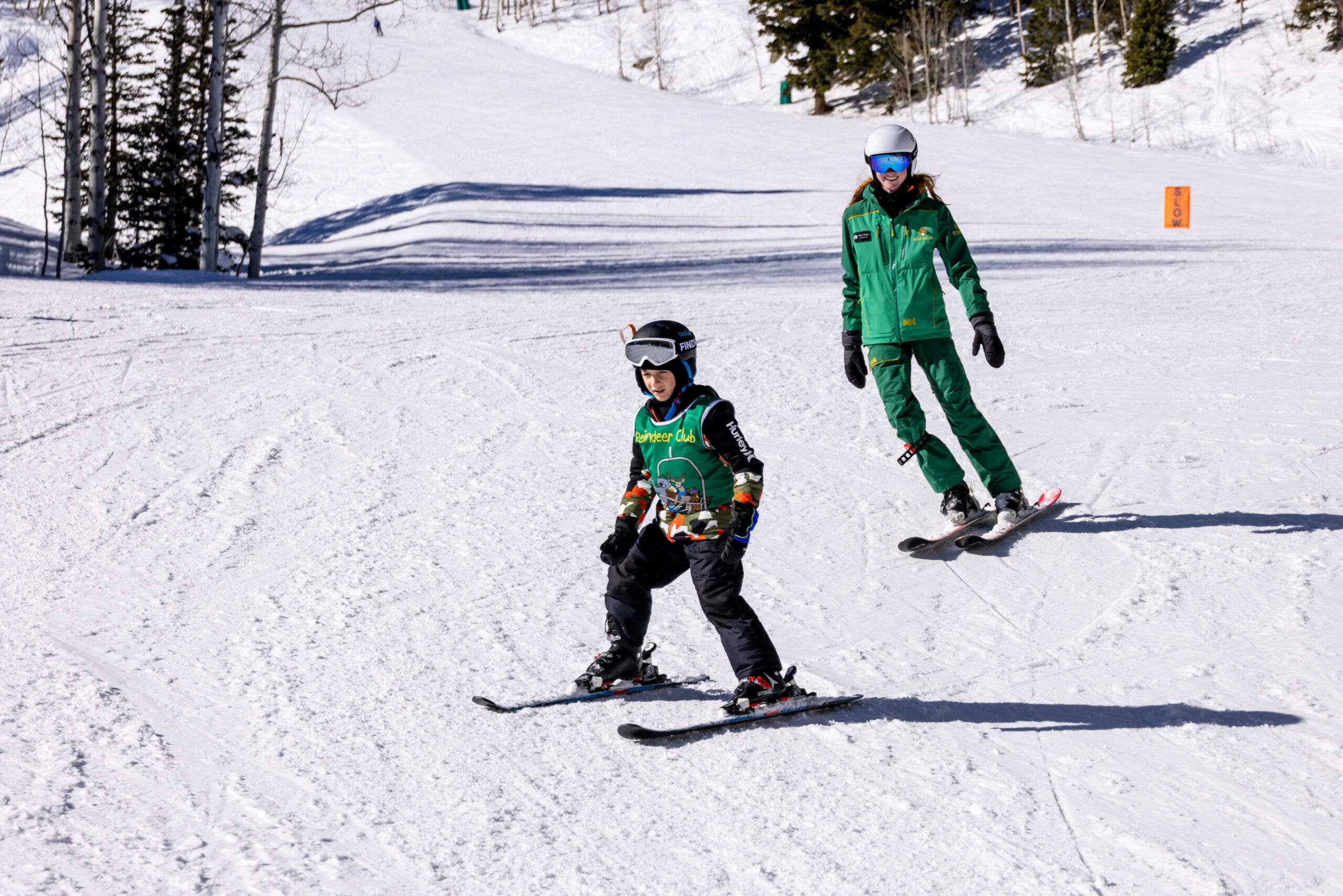
The "on-demand" economy does not currently exist in the context of high-end ski services. Lessons, childcare, and equipment rentals have reached a saturation point where demand consistently outstrips supply during peak periods. Data from major resort operators like Vail Resorts and Alterra Mountain Company indicates that ski school programs, particularly for children, often sell out weeks in advance for holiday periods such as Christmas, President’s Day, and Spring Break.
The implications of failing to book these services early are significant. Without pre-arranged childcare or lessons, parents are often forced to forfeit their own skiing time. Similarly, the equipment rental process can consume hours of a vacation if not handled via pre-reservation or delivery services. The rise of "ski valet" and in-room fitting services reflects a shift toward premium convenience, allowing travelers to bypass the congested rental shops that characterize peak-hour resort bases.
Regulatory Complexity of Modern Lift Tickets
The transition from paper lift tickets to RFID cards and multi-resort passes has introduced a layer of contractual complexity that requires careful scrutiny. Many contemporary passes, such as the Epic Local or Ikon Base, carry "blackout dates" during peak holidays. Additionally, several high-profile resorts, including Jackson Hole, Big Sky, and many of the Utah destinations, now require advanced reservations even for pass holders to manage daily mountain capacity.
The financial risk of ignoring the fine print is substantial. Walk-up window rates at premier North American resorts have surpassed $250 to $300 per day in recent seasons. Travelers who arrive at the ticket window only to find their pass is blacked out or that the resort is "sold out" for the day face an expensive and frustrating hurdle. The current industry standard requires pass holders to verify their access and secure any necessary reservations at least 60 to 90 days prior to departure.
Meteorological Realism and Contingency Planning
The "powder dream" is a primary driver of ski tourism, but it is also a source of significant planning failure. Building a rigid four-day itinerary based on the hope of a major storm can lead to disappointment if the weather does not cooperate. Conversely, a major storm cycle can bring its own set of problems, including "interlodge" orders (where guests are confined to buildings due to avalanche risk), lift closures due to high winds, and road closures.
A professional approach to ski travel involves "weather-proofing" the itinerary. This includes identifying lower-mountain or "tree-skiing" areas that remain protected during high-wind events and maintaining flexibility to swap ski days for rest days based on short-term forecasts. Strategic planners also account for the physical toll of high altitude, incorporating hydration and acclimation periods to prevent altitude sickness, which can sideline travelers regardless of the snow conditions.
The Temporal Realities of Mountain Transit
One of the most persistent errors is the underestimation of transit times between the airport and the resort. While digital mapping tools provide estimates based on mileage, they rarely account for the "mountain factor." The process of deplaning, retrieving oversized luggage (skis), securing ground transport, and navigating mountain passes can easily turn a two-hour drive into a six-hour ordeal.
This logistical lag makes "arrival day skiing" a statistical rarity for those flying from out of state. Furthermore, the return journey poses a high risk; a 7:00 AM departure from an airport two hours away requires a 3:00 AM departure from the resort to account for potential road closures or security delays. Industry veterans recommend booking afternoon return flights to allow for a safe descent from the mountains, particularly during active storm cycles.
Conclusion: The Professionalization of the Ski Traveler
The modern ski vacation has transitioned from a casual sporting activity into a complex exercise in project management. The most successful travelers are those who treat the logistics of the trip with the same rigor as a business operation. By securing lodging based on actual access, understanding the nuances of aviation and transit, and pre-booking all essential services, skiers can insulate themselves from the most common stressors of the alpine environment.
As the industry continues to consolidate and the "experience economy" drives more visitors to the mountains, the value of intel and advanced planning will only increase. The ultimate goal of navigating these ten logistical hurdles is to clear the mental and physical space required to actually enjoy the sport. When the homework is done in September, the turns in January become far more rewarding.
