

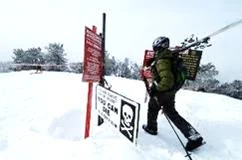
The vast expanses of public lands bordering many American ski resorts present an undeniable draw for adventurous skiers and snowboarders, offering a seemingly endless playground of untouched snow and challenging descents. However, this alluring backcountry terrain, often just a gate-swing away from groomed runs, operates under a starkly different set of rules – or rather, a lack thereof. Unlike the meticulously managed and patrolled slopes within resort boundaries, these "sidecountry" areas are uncontrolled and unpatrolled. This critical distinction means that avalanche mitigation efforts, a life-saving service provided by ski patrols on resort property, are absent in these adjacent wildlands. Furthermore, in the event of an accident, the responsibility for rescue falls squarely on the shoulders of the individuals themselves, or on external rescue organizations, rather than the ski area’s dedicated patrol. As articulated by Doug, a prominent voice in avalanche safety, a critical question arises: "after a parent waves goodbye in the ski area parking lot do they know what the kids are doing? Are they leaving the ski area for R-rated terrain?" This inquiry underscores a fundamental disconnect between the perceived safety of a ski resort and the inherent dangers lurking just beyond its meticulously managed perimeter.
The Growing Popularity of Sidecountry Exploration
The trend of exploring sidecountry terrain has seen a significant surge in recent years, driven by a confluence of factors. Advances in backcountry equipment, such as lighter touring skis and bindings, have made accessing these areas more feasible for a broader range of skiers. The increasing popularity of splitboarding further democratizes access to ungroomed, natural snow environments. Social media also plays a role, with stunning imagery of untouched powder and challenging lines shared online, inspiring more individuals to venture beyond the resort ropes. Data from the U.S. Forest Service indicates a consistent rise in recreational use of National Forests and Bureau of Land Management lands, many of which are contiguous to ski resorts, suggesting an amplified potential for sidecountry engagement. For instance, in areas like the Wasatch Mountains of Utah, which host multiple ski resorts, the accessibility of vast public land offers immediate backcountry opportunities that are often just a short hike from the highest chairlifts. This proximity creates a temptation for skiers seeking fresh tracks and a more "authentic" mountain experience.
Understanding the Risks: Avalanche Hazards and Uncontrolled Terrain
The primary danger in sidecountry terrain is the inherent risk of avalanches. Unlike controlled ski areas where avalanche technicians conduct regular assessments, deploy explosives to trigger small, controlled slides, and close hazardous areas, the sidecountry is subject to the unpredictable forces of nature. Avalanche formation is a complex phenomenon influenced by factors such as snowpack structure, temperature fluctuations, wind, and new snowfall. A seemingly stable snowpack can, under the right conditions, become a deadly avalanche.
According to the Colorado Avalanche Information Center (CAIC), the state receives an average of 10 avalanche fatalities per year, with a significant portion of these occurring in the backcountry, including sidecountry areas. The National Avalanche Center reports that between the 2010-2011 and 2020-2021 winter seasons, an average of 28 people died in avalanches across the United States annually, with backcountry incidents accounting for the vast majority. These statistics highlight that even experienced individuals can be caught in avalanches. The risks are amplified by the fact that individuals venturing into the sidecountry may not possess the necessary avalanche awareness training, rescue equipment (transceivers, probes, shovels), or the skills to use them effectively.
The "R-Rated" Terrain: A Parental Concern
Doug’s poignant question about parental awareness speaks to a broader societal concern. When children or young adults are dropped off at a ski resort, parents often assume a level of supervision and safety that is, by definition, absent in the sidecountry. The "R-rated terrain" analogy is apt; it signifies a level of maturity, skill, and preparedness that is not always present in those who are tempted by the allure of ungroomed snow. A ski area’s liability and responsibility typically end at the resort boundary. Once a skier leaves the marked and maintained trails, they are entering a realm where self-reliance is paramount.
This raises ethical and practical questions for ski resorts. While they cannot physically prevent people from exiting their boundaries, many resorts post warnings and signage indicating the dangers of the backcountry. However, the effectiveness of these warnings can vary. The perception of accessibility – the ease with which one can step from a groomed run into untracked powder – can sometimes overshadow the inherent risks.
A Hypothetical Chronology of a Sidecountry Incident
To illustrate the potential consequences, consider a hypothetical scenario:
- Morning: A group of teenagers, excited by recent snowfall and social media posts of powder skiing, arrive at a ski resort. They purchase lift tickets and spend the morning skiing groomed runs.
- Midday: Observing a gate leading to an area marked as "out of bounds" or "uncontrolled terrain," they decide to venture beyond the resort’s managed boundaries. They may possess some basic knowledge of skiing but lack formal avalanche training or adequate rescue gear.
- Afternoon: While traversing a slope, a trigger event occurs – perhaps their weight, a natural snow slab instability, or a small cornice breaking off. This initiates an avalanche.
- The Slide: The avalanche sweeps the group downhill. One or more individuals are caught and buried.
- The Aftermath: Survivors, if any, are faced with a critical situation. Without proper training and equipment, locating and digging out buried companions can be incredibly challenging and time-consuming, drastically reducing survival rates for those buried. If no one is trained or equipped, a desperate call to a remote mountain rescue team might be the only recourse, a process that can take considerable time to mobilize.
This hypothetical timeline highlights the rapid escalation of danger and the critical need for preparedness. The time it takes for external rescue teams to arrive, assess the situation, and conduct a search and rescue operation can be hours, during which a buried victim’s chances of survival diminish significantly with every minute.
Supporting Data and Expert Analysis
The article "Sidecountry: Rated R," linked in the original content, likely delves deeper into these issues. While the full content of the PDF is not available here, the title itself strongly suggests an emphasis on the inherent dangers and the need for advanced knowledge and caution, akin to an "R-rated" film indicating mature themes and potentially frightening content.
Experts in avalanche safety consistently emphasize the importance of education and preparation. Organizations like the American Avalanche Association (AAA) and the National Avalanche Center provide resources and training courses for recreationalists. These courses teach vital skills such as:
- Snowpack Assessment: Understanding how to read the snow, identify potential weak layers, and assess avalanche danger levels.
- Route Planning: Choosing safe travel routes that minimize exposure to avalanche terrain.
- Companion Rescue: Practicing and mastering the use of avalanche transceivers, probes, and shovels to locate and excavate buried victims quickly.
- Decision-Making: Developing the critical judgment to turn around when conditions are unfavorable or when the risk is too high.
The data unequivocally supports the need for such training. Studies on avalanche fatalities consistently reveal that a significant percentage of victims were caught in avalanches while traveling in terrain they were not adequately prepared for, or that they themselves triggered.
Official Responses and Industry Perspectives
While ski resorts are not responsible for the backcountry, many are actively engaged in promoting avalanche safety and educating their patrons. This can include:
- Enhanced Signage: Clearly marking boundaries and posting detailed warnings about avalanche risks and the absence of patrol services in adjacent areas.
- Educational Partnerships: Collaborating with local avalanche centers to provide information, host clinics, or offer discounts on avalanche safety courses.
- Gear Rental and Sales: Some resorts may offer rental or sales of avalanche safety equipment, encouraging its use.
- Awareness Campaigns: Utilizing their communication channels, including websites, social media, and in-resort messaging, to highlight the importance of avalanche safety and preparedness.
The U.S. Forest Service and the Bureau of Land Management, as stewards of public lands, also play a crucial role. They often work with avalanche centers to monitor conditions and provide information to the public. However, their resources for active avalanche control or extensive backcountry rescue operations are limited, underscoring the reliance on individual preparedness and the capacity of specialized volunteer rescue teams.
Broader Impact and Implications
The increasing engagement with sidecountry terrain has several broader implications:
- Increased Demand on Rescue Resources: More individuals venturing into uncontrolled areas inevitably leads to a higher potential for incidents, placing a strain on already limited search and rescue resources, which are often volunteer-driven and rely on external funding.
- Ethical Considerations for Ski Resorts: While resorts are not liable for accidents in the backcountry, there’s an ongoing discussion about their ethical responsibility to educate and warn patrons about the dangers of adjacent uncontrolled terrain.
- The Future of Skiing and Snowboarding: As the appeal of backcountry and sidecountry experiences grows, there’s a need for a more robust infrastructure of education and awareness to ensure that this evolution of winter recreation does not come at an unacceptable cost in terms of human lives.
- Environmental Stewardship: While not the primary focus here, increased human activity in these sensitive environments also raises questions about responsible land use and minimizing human impact on fragile ecosystems.
In conclusion, the siren call of the sidecountry is powerful, offering the promise of untamed adventure. However, this allure is inextricably linked to significant risks that demand respect, knowledge, and thorough preparation. The "R-rated" nature of this terrain is not merely a catchy phrase but a stark reminder that venturing beyond the controlled confines of a ski resort requires a level of maturity, skill, and equipment that is essential for survival. As more individuals are drawn to these exhilarating but unforgiving landscapes, a collective commitment to avalanche education and responsible backcountry practices is not just advisable – it is imperative.
