

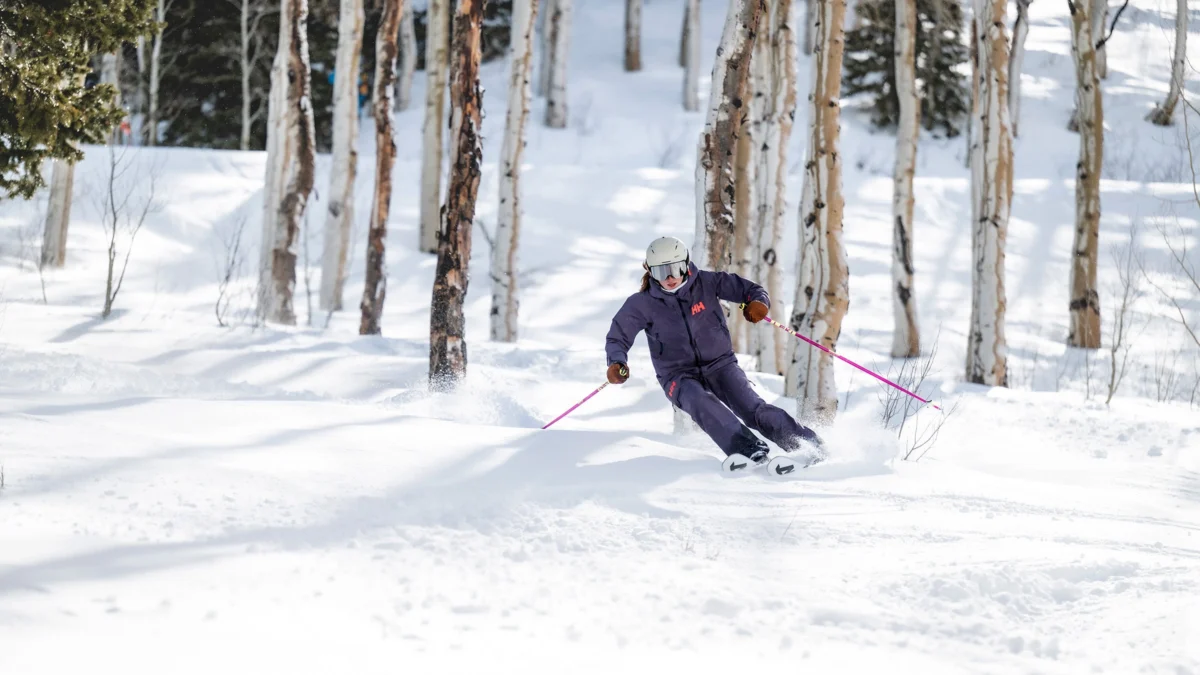
The 2026 ski season has ushered in a new era of technical sophistication for women’s wide all-mountain skis, a category once reserved for niche powder days that has now become the "daily driver" for skiers in the American West. At the annual SKI Test conducted in Deer Valley, Utah, a panel of veteran industry professionals evaluated 15 leading models, narrowing the field to a selection of high-performance equipment designed to balance deep-snow flotation with hard-pack stability. This year’s testing focused on the 100 to 110-millimeter waist-width bracket, a segment that has seen significant engineering investment from major manufacturers looking to provide versatility without compromising the aggressive edge-hold required for groomed return runs.
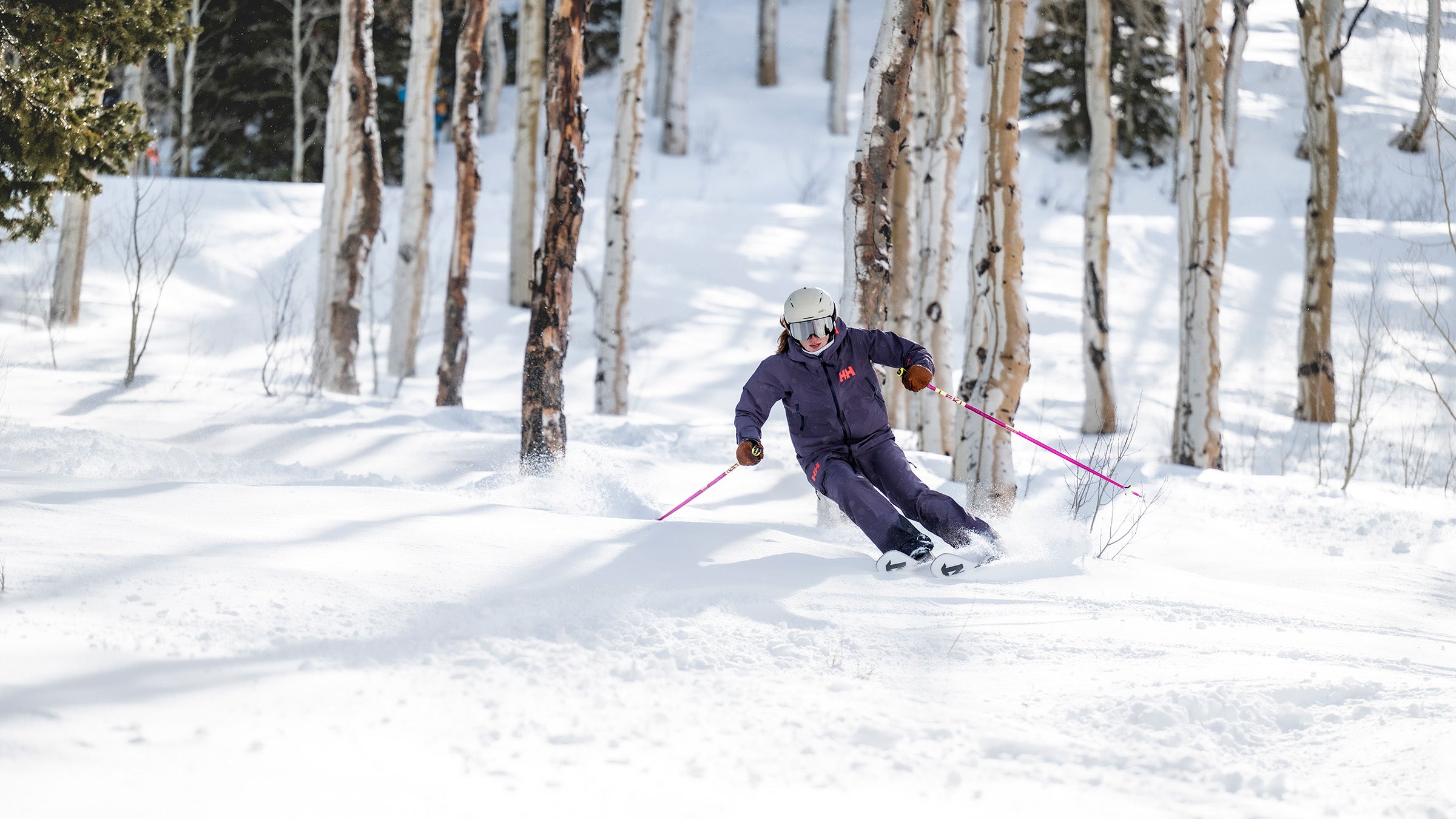
The testing environment at Deer Valley provided a comprehensive range of conditions, from early-morning corduroy to mid-day crud and afternoon slush. This variety allowed testers to analyze how modern materials—such as Titanal, carbon stringers, and vibration-dampening cork—perform when subjected to the high-torque demands of expert female skiers. The results indicate a market shift away from "shrink it and pink it" philosophies, moving instead toward gender-specific core profiles that account for center-of-gravity differences and power-to-weight ratios.
Top Performance Winners: The Best in Class for 2026
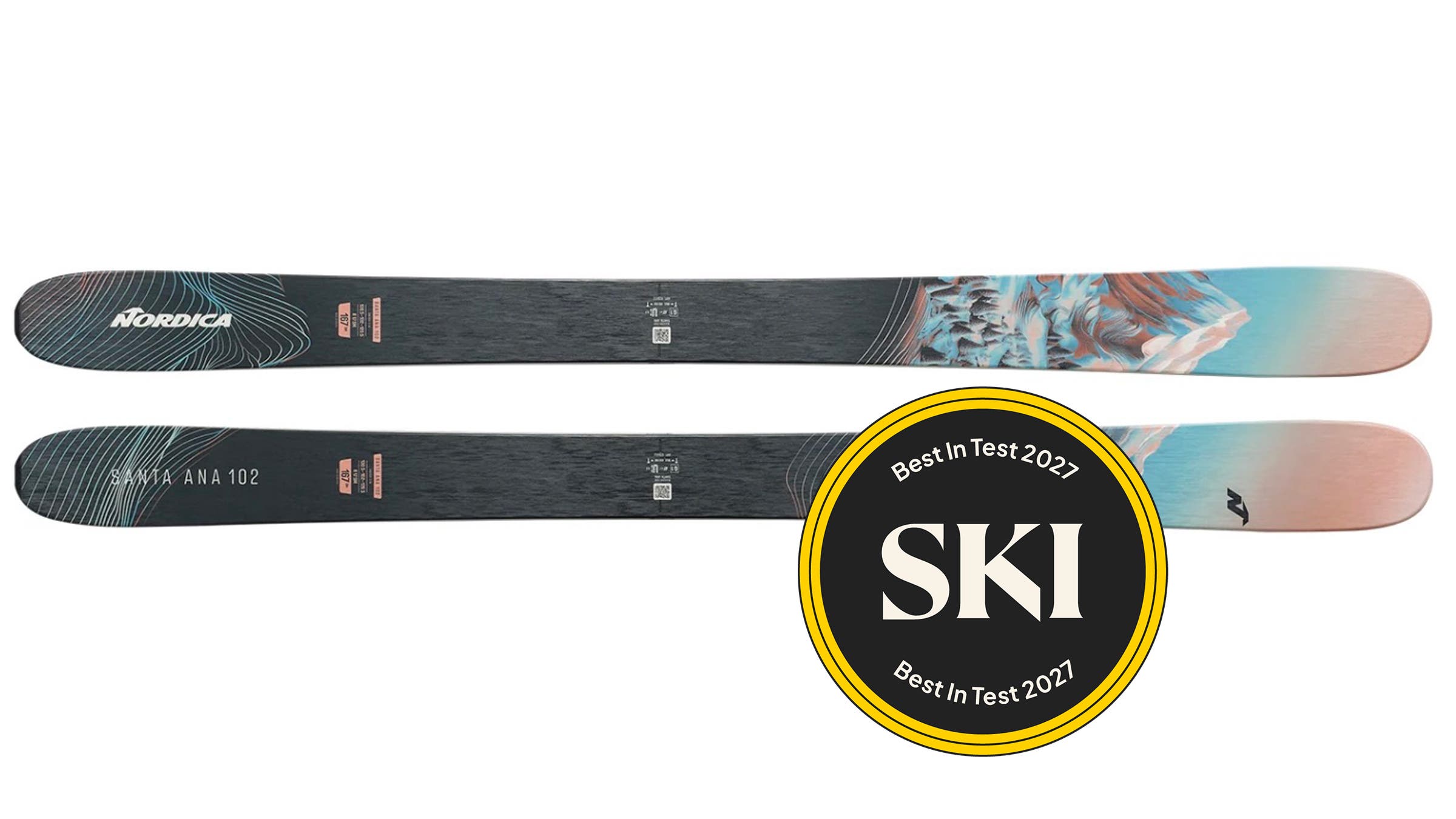
The Nordica Santa Ana 102 emerged as the "Best in Test," maintaining its reputation as a powerhouse for aggressive skiers. Built with a construction that includes two sheets of Titanal, the Santa Ana 102 is designed for stability at high speeds. Testers noted that while the ski requires significant physical input to drive, the reward is an unflappable ride through variable terrain. Lauren Engle, a tester from Vail and managing partner of Outdoor Divas, reported a high level of confidence in the ski’s ability to engage edges immediately upon tipping, regardless of the underlying snow density. However, the technical nature of the Santa Ana 102 suggests it remains best suited for advanced and expert skiers who possess the leg strength to manage its stiff profile in bumps and tight trees.
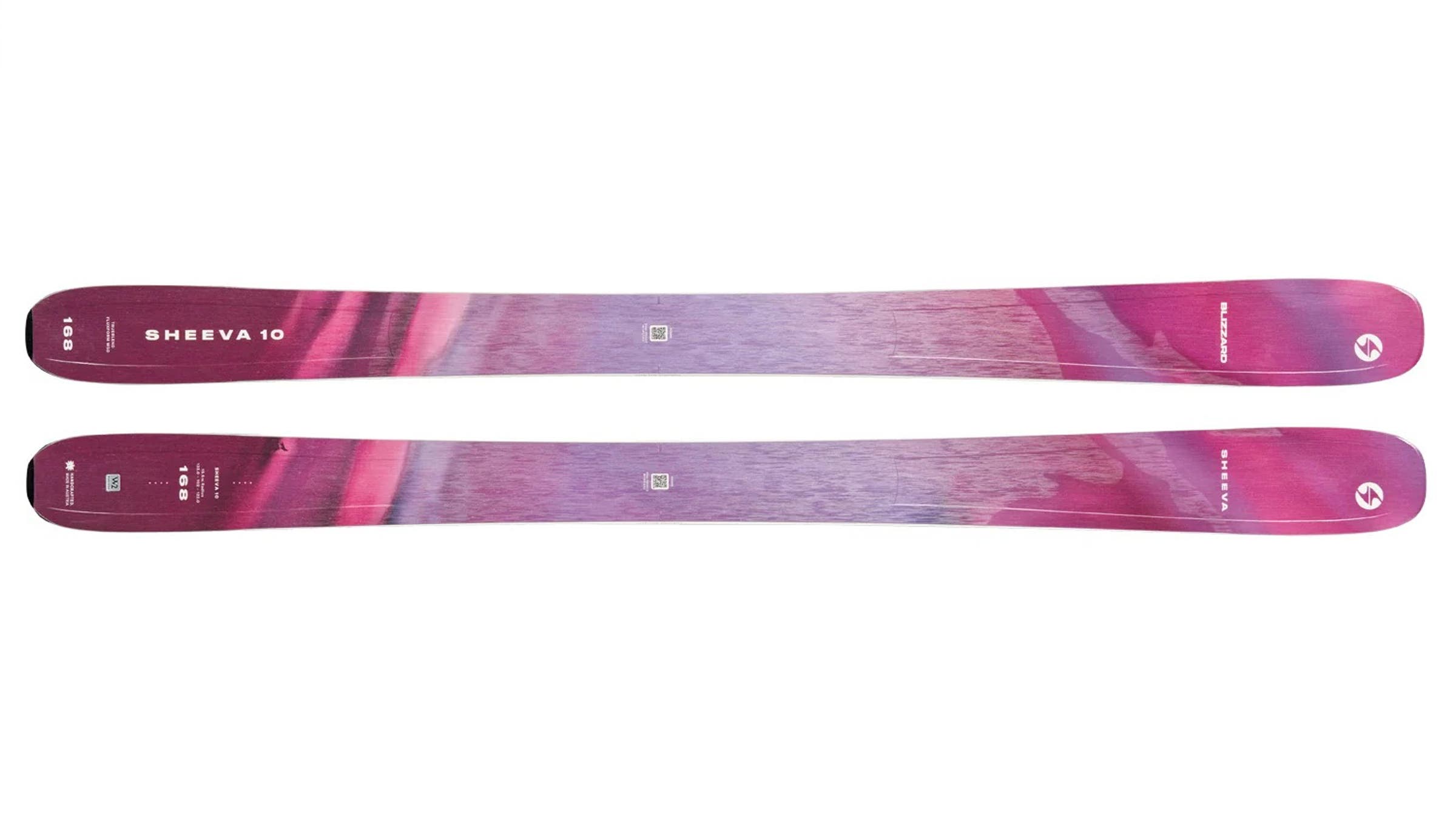
In the "Most Fun" category, the Blizzard Sheeva 10 secured the top spot. Blizzard’s engineering team utilized their FluxForm technology, which places metal along the edges while leaving the center of the ski more flexible. This design creates a playful, energetic feel that is more approachable than the Santa Ana 102. The Sheeva 10 features an aggressively rockered profile, which aids in maneuverability but can make the ski feel shorter than its measured length. Industry analysts suggest that Blizzard’s success with the Sheeva line stems from its ability to bridge the gap between intermediate progression and expert-level performance.
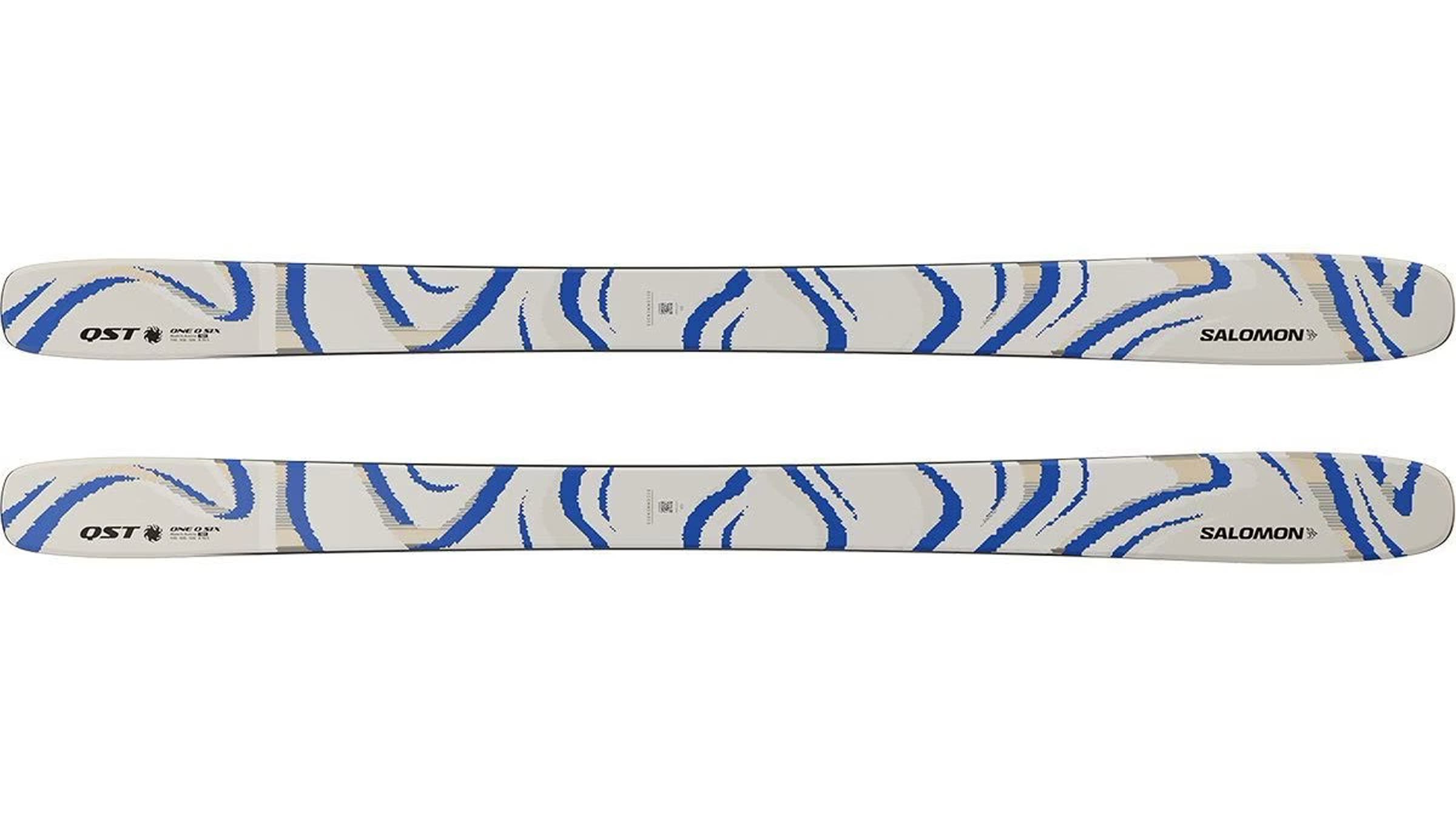
For those prioritizing deep-snow performance, the Salomon QST 106 was recognized as the "Best for Powder." Measuring 106 millimeters underfoot, it was the widest ski in the primary test group. Salomon’s use of cork "damplifiers" in the tip and tail replaces traditional heavy metals, allowing for a lower swing weight while maintaining vibration absorption. The QST 106 is characterized by its surfy feel and intuitive turn initiation. While it lacks the aggressive ice-grip of narrower models, its ability to stay on top of fresh fluff and plow through chopped-up crud makes it a premier choice for storm days in the Wasatch or the Tetons.
Technical Innovation and Agility
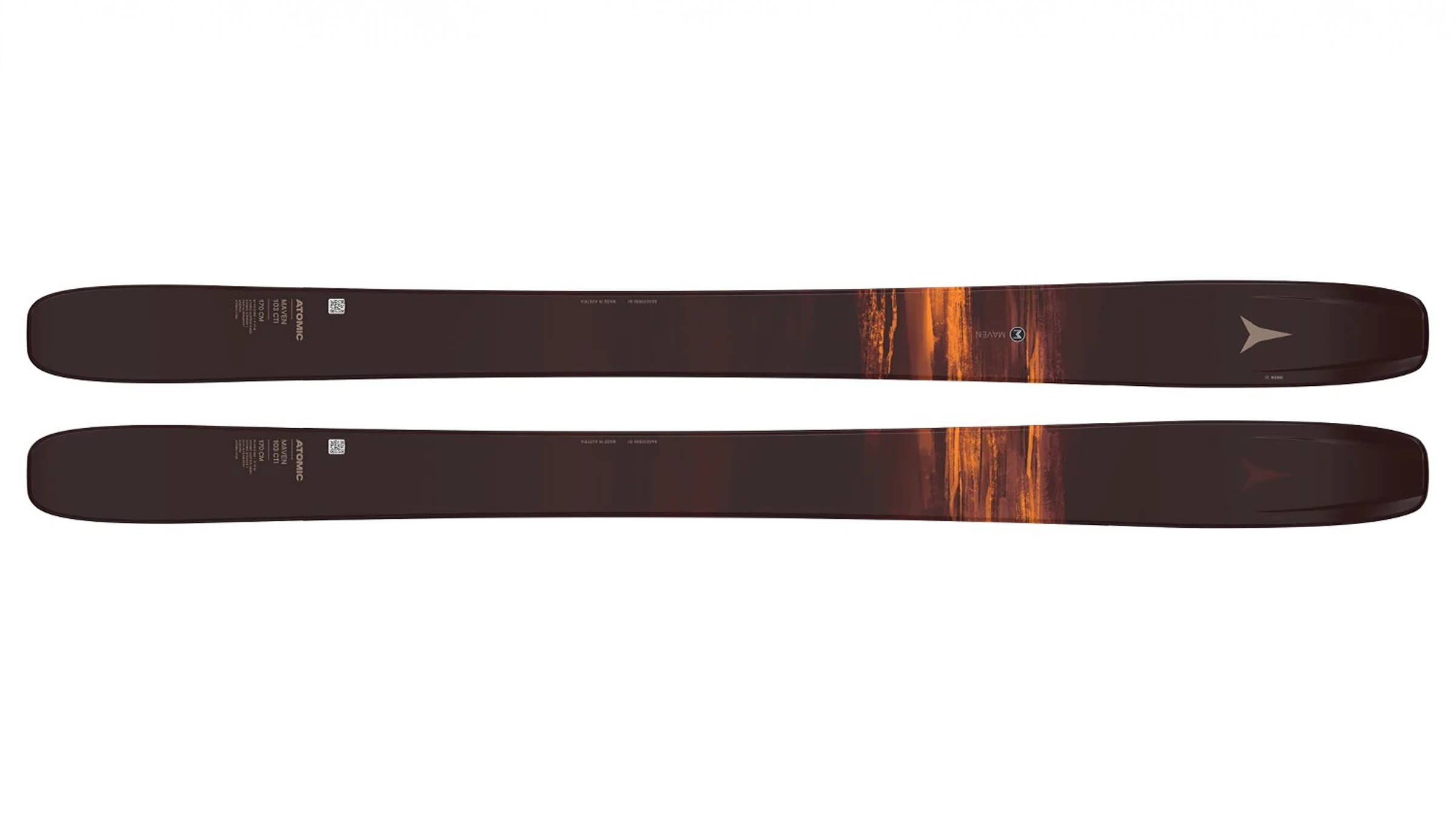
The Atomic Maven 103 CTi was lauded as the "Quickest" ski in the lineup. Atomic’s CTi (Carbon Tank Mesh and Titanal) construction aims to deliver a light yet stable platform. This model is specifically engineered for finesse, rewarding skiers who prefer to pivot and smear through tight glades rather than rail high-speed arcs on hardpack. While testers noted some tip-flap at terminal velocities, the Maven 103 CTi’s agility in moguls and technical terrain makes it a standout for skiers who prioritize maneuverability over pure dampness.
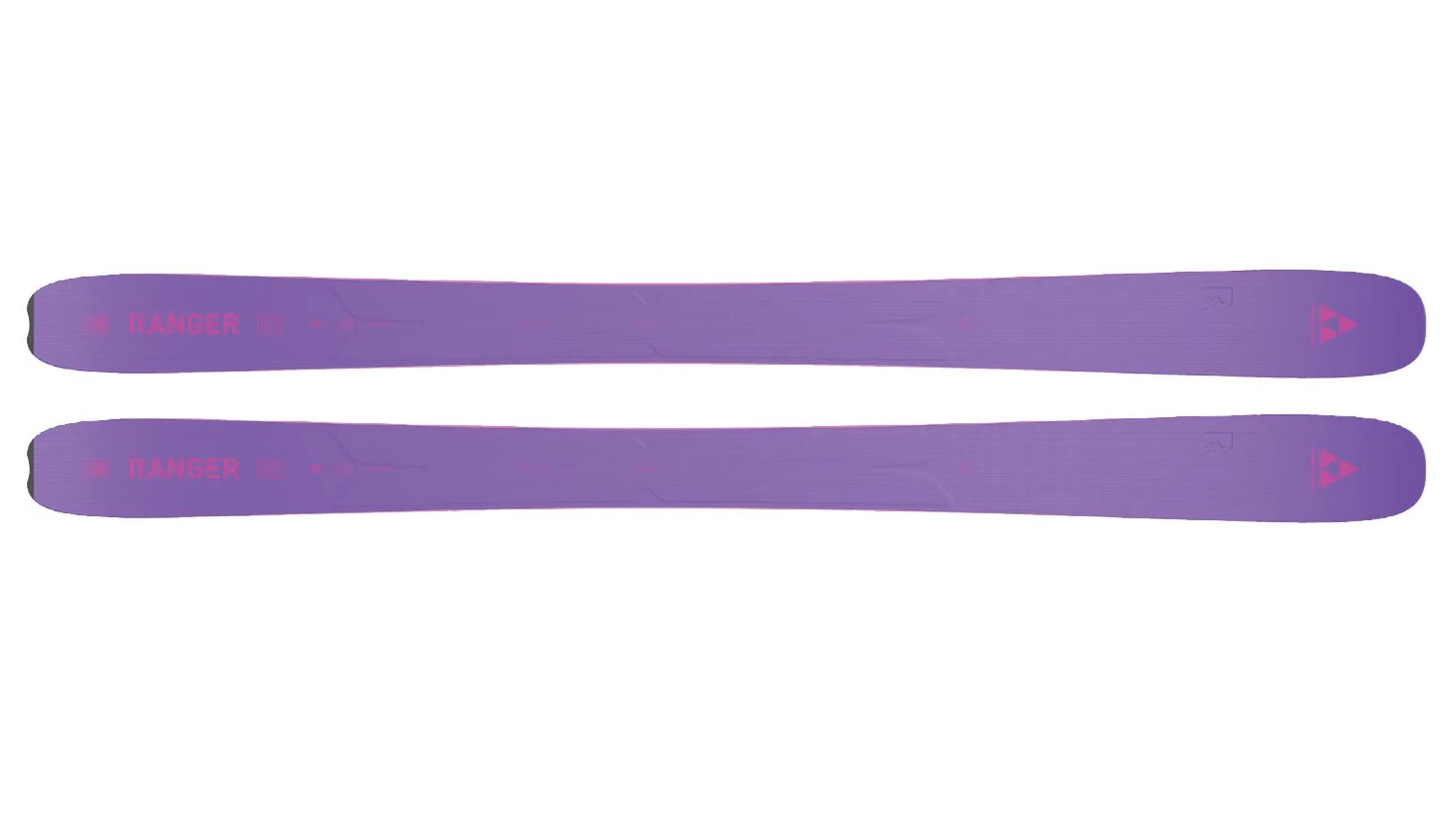
Rounding out the top five, the Fischer Ranger 102 earned the title of "Most Forgiving." The Ranger series utilizes a shaped Titanal inlay that provides backbone underfoot while allowing the tips and tails to remain supple. This creates a "sweet spot" that is accessible to less-experienced experts who are still honing their off-piste skills. Fischer’s design philosophy with the Ranger 102 focuses on accessibility, ensuring that powder-choked bowls are not restricted to only the most aggressive chargers.
Market Trends and Secondary Recommendations
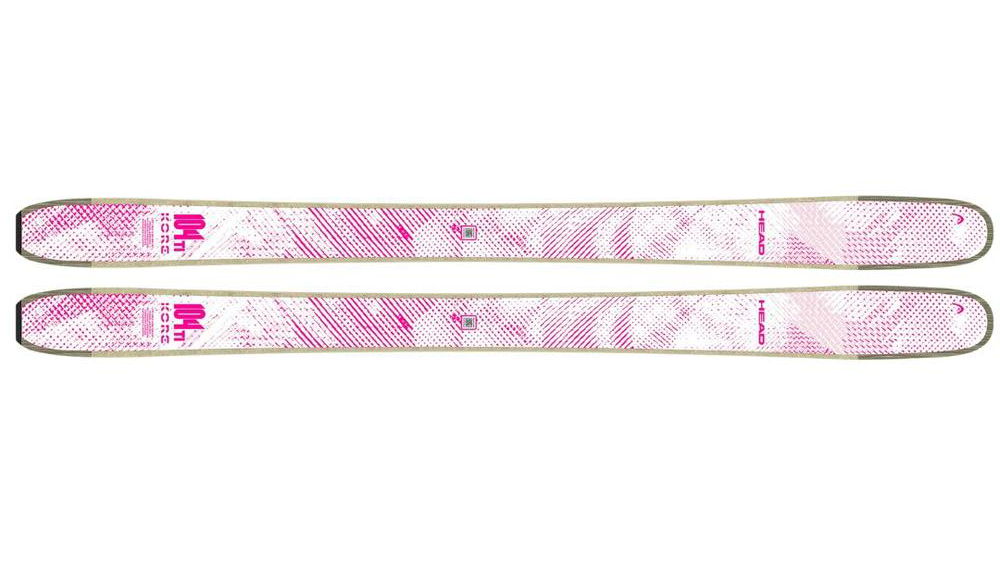
Beyond the top five, several other models demonstrated specialized strengths that appeal to specific skier profiles. The Head Kore 104 Ti W received praise for its updated construction, which now includes two full sheets of Titanal. This change addressed previous criticisms of the Kore line being too light and chattery in refrozen conditions. The result is a ski that maintains its legendary lightweight feel but adds a layer of "reassurance" for skiers facing unpredictable spring conditions.
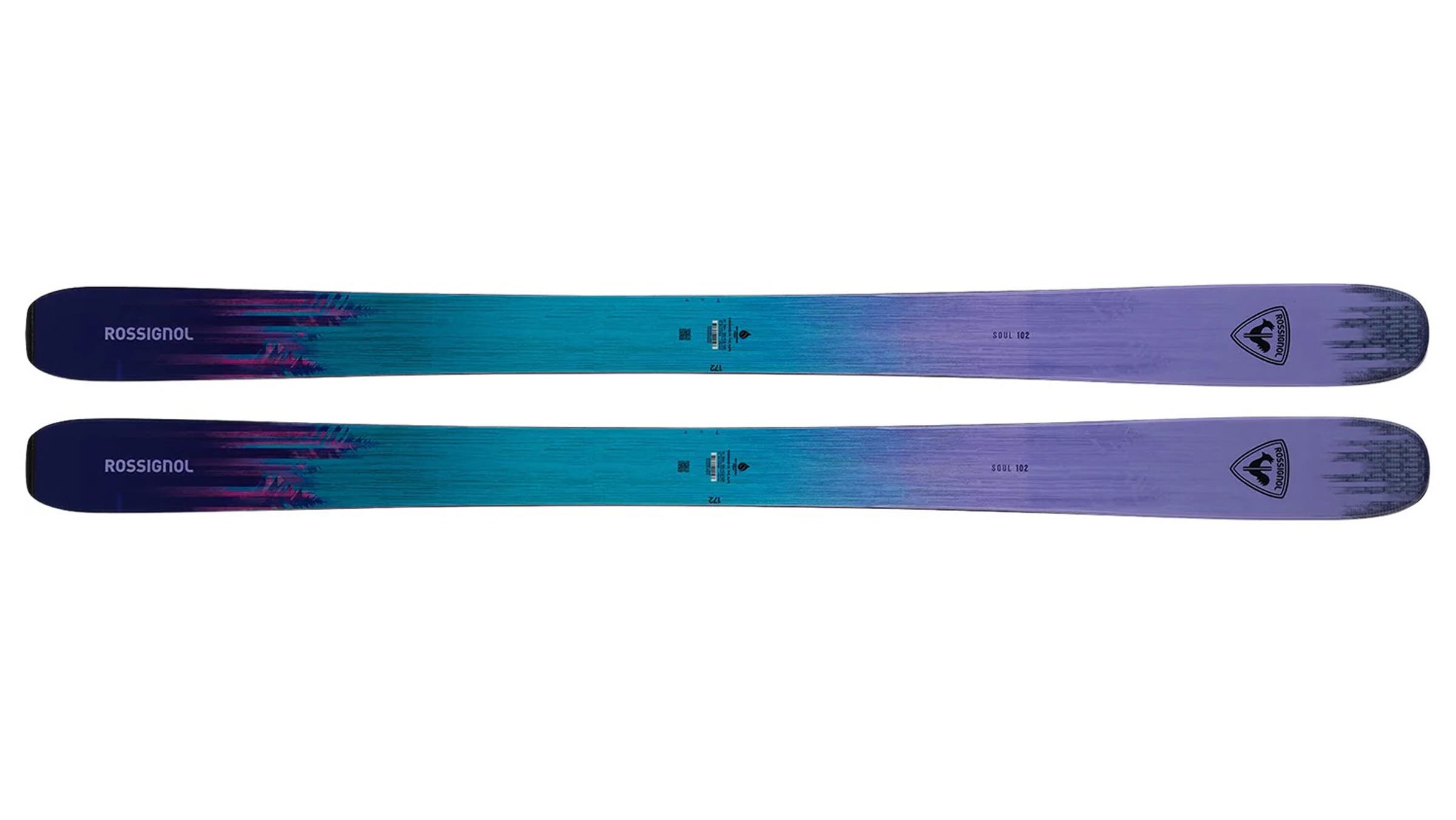
The Rossignol Soul W 102 represents a return to a classic naming convention for the brand, merging the previous Rallybird and Sender lines. With a 15-meter turning radius, the Soul W 102 is built for stability and long-radius turns in open bowls. It is a "damper" ski, prioritizing a quiet ride over energetic rebound. This makes it an excellent "hero ski" for those who want to maintain high speeds without the ski feeling "nervous" underfoot.
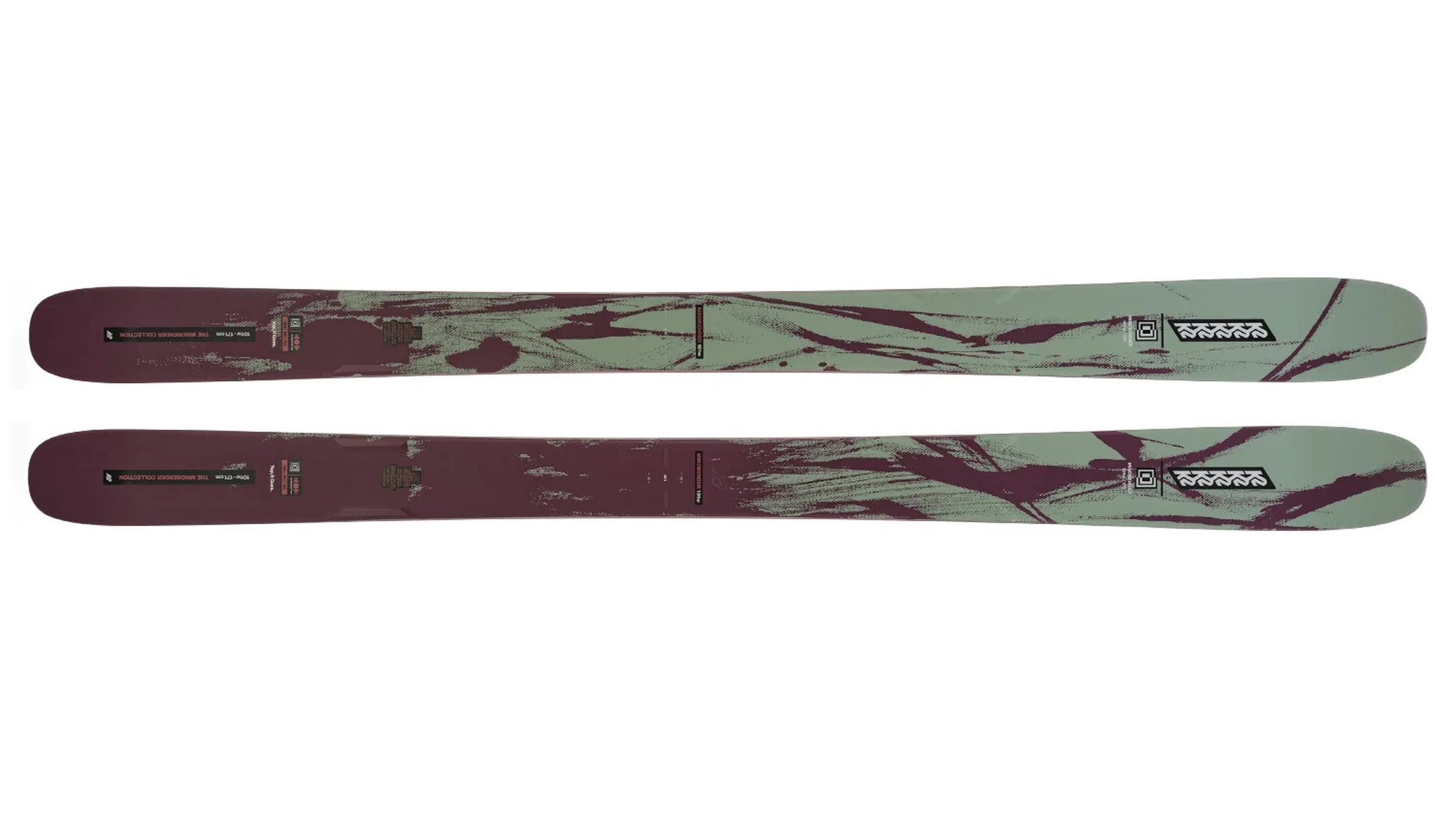
In a move toward experimental materials, the K2 Mindbender 101 W introduced "Dark Matter," a metal-infused plastic puck system designed to calm vibrations. This represents a significant shift for K2, moving away from a purely playful identity toward a more serious, hard-charging persona. The Mindbender 101 W is built to chew through vertical feet, offering a rock-solid platform that thrives in the heavy, set-up crud often found in the Pacific Northwest.
Testing Methodology and Data Analysis
The 2026 SKI Test was a rigorous, multi-day event involving nine expert testers, including former racers, ski patrollers, and professional buyers. Each model was evaluated across nine distinct criteria:
- Versatility: How well the ski handles different snow types.
- Crud Performance: The ability to plow through irregular, heavy snow.
- Flotation: The ski’s buoyancy in deep powder.
- Edge Grip: Stability on ice and hard-packed groomers.
- Stability at Speed: Lack of vibration or "chatter" when moving fast.
- Responsiveness: How quickly the ski reacts to input.
- Playfulness: The ease of jumping, popping, and smearing turns.
- Forgiveness: How the ski reacts to being in the "backseat" or making mistakes.
- Overall Impression: The subjective "feel" of the ski.
Testers utilized digital scorecards to ensure data integrity, and all skis in a category were tested on the same day to eliminate weather-based variables. This objective approach provides a data-driven look at how a 102mm Nordica compares directly to a 106mm Salomon under identical conditions.
Broader Implications for the Ski Industry
The 2026 test results highlight a maturing market for women’s gear. The prevalence of Titanal and advanced composites in these wide all-mountain models suggests that manufacturers are no longer designing women’s skis as "lite" versions of men’s products. Instead, they are high-performance tools engineered for the specific ergonomics of female athletes.
Furthermore, the rise of the 100-110mm category reflects changing climate and resort patterns. As Western resorts continue to see high-intensity storm cycles followed by rapid warming, skiers require equipment that can transition from 10 inches of fresh morning snow to heavy, sun-baked "mashed potatoes" by the afternoon. The skis reviewed here are the industry’s answer to that volatility.
For consumers, the choice of a wide all-mountain ski should be dictated by their primary terrain. As the test data shows, a ski like the Salomon QST 106 is an unbeatable tool for the powder-rich corridors of Utah, while the Nordica Santa Ana 102 may be the better investment for a Colorado skier who frequently encounters wind-scoured ridges and firm moguls.
Expert Perspectives
Veteran tester Avery Pesce, vice president of merchandising for Boston Ski and Tennis, emphasized that the current crop of wide all-mountain skis has narrowed the performance gap. "We are seeing skis that can truly do it all," Pesce noted during the Deer Valley evaluations. "In years past, you had to choose between a ski that was great in powder or great on ice. Now, with technologies like Blizzard’s FluxForm or Atomic’s CTi, you’re getting a much more balanced package."
Courtney Harkins, a former racer and current marketing director for the U.S. Ski & Snowboard Team, added that the "confidence factor" is at an all-time high. "When you’re skiing secret spots or days-old powder, you need to trust that your edge will hold when you hit a hidden ice patch. The stability we saw at the 2026 test is a testament to how far ski construction has come."
As the 2026 season progresses, these models are expected to lead sales in Western resort markets, providing female skiers with the necessary tools to explore the entire mountain, regardless of what the "low-pressure gods" deliver.
