


The notion of "ski-in, ski-out" lodging, once a clear and coveted promise for skiers seeking unparalleled convenience, has become a casualty of marketing hyperbole and a lack of industry standardization. Since the proliferation of vacation rental platforms like Airbnb and the aggressive expansion of resort-branded accommodations, the term has been diluted to the point of near meaninglessness. This article aims to re-establish the true definition of ski-in, ski-out access, explore the reasons behind its widespread misrepresentation, and provide skiers with the tools to discern genuine convenience from marketing fiction.
The Erosion of a Skiing Ideal
For decades, "ski-in, ski-out" represented the pinnacle of ski vacation accessibility. It conjured images of stepping directly from a cozy hotel room or private residence onto the pristine snow, skis already on, ready to carve down the mountain. The return journey was equally seamless: gliding back to one’s doorstep, boots still on, ready to shed them indoors. This ideal offered a tangible benefit, particularly for families with young children, individuals who found ski boots cumbersome, or anyone prioritizing maximizing time on the slopes over logistical challenges.
However, the landscape of ski travel has dramatically shifted. The rise of the sharing economy, spearheaded by platforms like Airbnb, introduced a vast inventory of private homes and condominiums marketed to skiers. While offering diverse options and often competitive pricing, these listings frequently employed the coveted "ski-in, ski-out" label without adhering to its strict, original meaning. This practice, coupled with traditional hotels and resorts seeking to capitalize on the term’s allure, has created a significant disconnect between traveler expectations and the reality of many advertised accommodations.
A survey conducted by Ski Magazine’s editorial team in early 2026 revealed that over 60% of surveyed skiers reported being misled by "ski-in, ski-out" listings in their past bookings. The most common discrepancies involved properties requiring a significant walk, a shuttle ride, or even a drive to reach the nearest skiable terrain or lift. This widespread inaccuracy not only leads to traveler disappointment but also inflates pricing, as properties claiming this premium amenity often command higher rates, regardless of their actual proximity to the slopes.
Defining the Undefinable: What "Ski-In, Ski-Out" Truly Means
At its core, genuine "ski-in, ski-out" access dictates an almost immediate connection to the ski area. Industry veterans and seasoned skiers generally agree on a stringent definition: a property should be situated so that a guest can step from their door and be on snow, ready to ski, within a maximum of 10 steps. This includes the ability to ski directly back to the property’s entrance at the end of the day, disembarking from skis and walking no more than 10 steps to reach their accommodation.
Jeannie Lambert, Director of Marketing and PR for The Stein Collection, which includes the renowned Stein Eriksen Lodge in Deer Valley, Utah, emphatically supports this precise definition. "More resorts are branding themselves as ski-in, ski-out when they truly are not," Lambert stated. "A short walk is not the same. If a guest must take more than 10 steps to access the ski runs and lifts, it is not truly a ski-in, ski-out property." Stein Eriksen Lodge itself is often cited as an exemplar, with its boot room offering direct access to the slopes, embodying the true spirit of ski-in, ski-out convenience.
This strict interpretation is crucial for several reasons. For families with young children, the logistical nightmare of transporting multiple pairs of skis, poles, and boots across parking lots or long distances can be overwhelming. Similarly, individuals who find walking in stiff ski boots challenging or even hazardous benefit immensely from direct access. The ability to quickly transition from indoor comfort to mountain adventure, and vice versa, is the defining characteristic of true ski-in, ski-out.
The Absence of an Official Standard: A Lingering Issue
The root of the "ski-in, ski-out" dilemma lies in the conspicuous absence of a universally recognized, industry-wide definition. Unlike other sectors with standardized terminology, the ski industry, including major trade organizations such as the National Ski Areas Association (NSAA) and Snowsports Industries America (SIA), has yet to formalize a binding standard for this crucial descriptor.
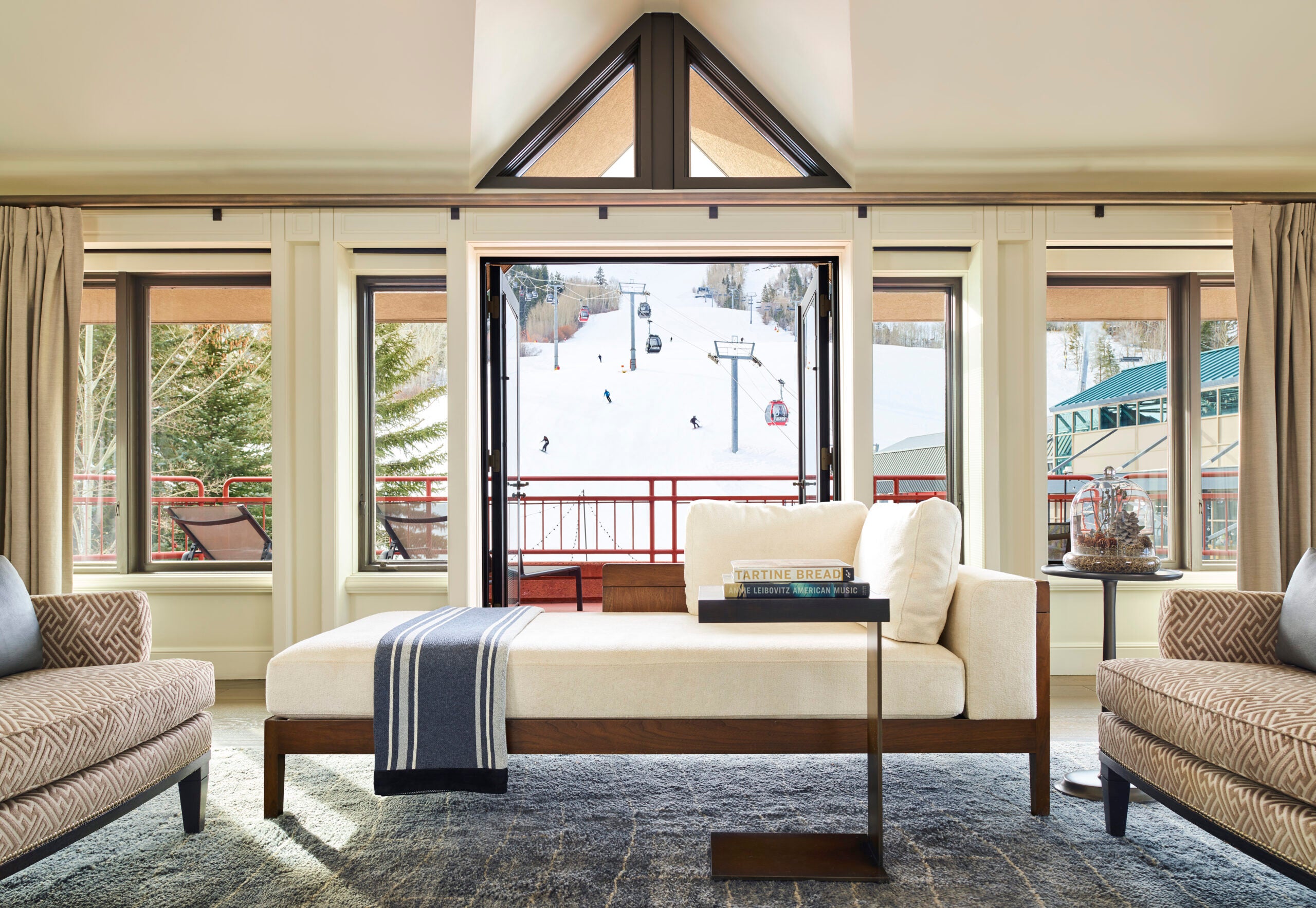
This void allows for subjective interpretation, with real estate agents and rental companies often defining the term in ways that best serve their sales objectives. While definitions found on rental platforms might offer some guidance, they are inherently biased. The lack of an official standard creates confusion for consumers and places an undue burden on lodging providers who strive for accuracy, often having to field complaints and address misconceptions from guests who expected a different level of accessibility.
This ambiguity has persisted for years. An internal review of industry publications dating back to the early 2010s indicates that the debate over the meaning of "ski-in, ski-out" was already a recurring theme, highlighting the long-standing nature of this definitional challenge. The consistent lack of consensus among industry bodies suggests a reluctance or inability to enforce a uniform standard, leaving the onus on the traveler.
The Multifaceted Misuse of the Term
The misuse of "ski-in, ski-out" manifests in various degrees, from subtle exaggeration to outright fabrication. Experience in the ski lodging industry reveals common patterns of misrepresentation. For instance, a hotel might offer an on-site ski valet and boot storage, which is a valuable amenity, but if the hotel building itself is a significant walk from the slopes, it cannot legitimately claim ski-in, ski-out status. Such properties, while skier-friendly, are not truly ski-in, ski-out.
The most blatant examples are found on large online rental platforms. Filtering for "ski-in, ski-out" on Airbnb frequently returns listings that are several blocks away from the nearest ski access, require a bus or shuttle journey, or are situated in developments that necessitate a lengthy walk even in ski boots. This disconnect can lead to scenarios where inexperienced skiers, unfamiliar with the nuances of mountain resort layouts, have unrealistic expectations.
Cory McAlpine, a seasoned mountain travel expert, shared an anecdote illustrating this confusion: "I once had a guest ask me how they would transport their luggage to their ‘ski-in, ski-out’ hotel because they assumed the only way to get there was by skiing, implying they couldn’t drive or walk to it." This highlights a fundamental misunderstanding fostered by the imprecise use of the term, suggesting that some consumers might even interpret it as meaning one must arrive and depart exclusively on skis.
Another example of a property that successfully integrates ski-in, ski-out access is the Montage Big Sky in Montana. This luxury resort boasts direct access to the slopes and even features its own dedicated lift, epitomizing the ideal convenience that the term should represent. Such properties, where the journey from room to run is measured in mere steps, serve as benchmarks against which other claims can be measured.
The Tangible Implications for Skiers
The significance of a clear and accurate "ski-in, ski-out" designation extends beyond mere convenience; it directly impacts the quality and enjoyment of a ski vacation. For parents, the ability to step out of their accommodation and onto the snow without a lengthy trek is invaluable. The physical strain and time commitment of hauling ski gear across vast parking lots or navigating busy resort access points can detract from the overall experience, especially when dealing with multiple children.
"As a Breck [Breckenridge] local, I also see a lot of struggling families and individuals trying to navigate which bus is going where, where the ski school drop-off is located, and trying to get four pairs of skis and poles on the bus or over to the lifts, all while walking in ski boots that they have never walked in before," McAlpine observed. This sentiment underscores the practical challenges faced by skiers who do not have immediate slope access.
True ski-in, ski-out properties often alleviate these burdens by providing amenities such as slopeside locker rooms, heated boot storage, and dedicated ski valets who assist with gear transfer. Even in vacation rentals, the expectation should be that the walk in ski boots from the door to the nearest ski access point is minimal, certainly not exceeding the 10-step benchmark. The value proposition of ski-in, ski-out lies in eliminating these logistical hurdles, allowing skiers to focus on the joy of the sport.

Navigating the Landscape: How to Verify Before You Book
Until the ski industry collectively adopts a standardized definition of "ski-in, ski-out" and lodging providers commit to its honest application, travelers seeking this coveted convenience must engage in due diligence. A proactive approach is essential to ensure that advertised accessibility matches reality.
The first step involves scrutinizing the property’s location on a detailed map of the ski resort. Look for proximity to ski trails and base lifts. However, visual confirmation alone can be deceiving, as slopes may be accessible but not directly adjacent.
The most reliable method is direct communication. Contact the hotel or rental agency and ask specific questions. Instead of accepting a simple "yes" to whether it’s ski-in, ski-out, inquire about the exact number of steps required to reach the snow from the property’s entrance. Ask about the process of getting skis from storage to the slopes and how one skis back to the accommodation. For example, a direct question like, "Can I step out my door, click into my skis within 10 steps, and ski away from the property?" should elicit a clear and truthful answer.
If the response is vague, involves a significant walk, or mentions shuttle services, it is highly probable that the property does not meet the true definition of ski-in, ski-out. Travelers should be prepared to seek out properties that can unequivocally confirm their adherence to the strict, step-based accessibility standard.
The Future of Ski Travel Accessibility
The continued dilution of the "ski-in, ski-out" term risks eroding trust within the ski travel industry. As more travelers become aware of the discrepancies, the perceived value of this amenity, and the premium pricing associated with it, will diminish. Industry bodies, resort operators, and rental platforms have a collective responsibility to address this issue.
Potential solutions include the development of an official certification program for ski-in, ski-out properties, akin to hotel star ratings or eco-certifications. This would provide travelers with a reliable indicator of true accessibility. Alternatively, a clear, concise, and widely disseminated industry standard, enforced through codes of conduct for marketing practices, could mitigate misrepresentation.
Until such measures are implemented, skiers must remain vigilant. By understanding the true meaning of "ski-in, ski-out," questioning advertised claims, and conducting thorough research, travelers can ensure their next ski vacation delivers on the promise of unparalleled convenience and seamless access to the slopes. The pursuit of genuine ski-in, ski-out experiences remains a worthwhile endeavor for those who value efficiency and maximize their time on the mountain.
