

Published March 5, 2026 10:10AM
The image of a ski patroller, skis leaning against a picket sign, is a potent symbol of a long-standing conflict within the ski industry. Tony Vagneur’s experience in 1971, when he and his ski patrol colleagues at Aspen and Snowmass walked off the job demanding better wages and equipment, mirrors a narrative that continues to unfold at major resorts decades later. While Vagneur’s strike ultimately led to a progressive wage structure and improved conditions for his team, the fundamental issues that fueled his protest—inadequate pay, insufficient safety equipment, and a lack of career progression—remain central to ongoing labor disputes across North America. Recent strikes at prominent resorts such as Park City, Telluride, and Le Massif de Charlevoix in Quebec have brought these persistent challenges to the forefront, highlighting a systemic issue that impacts both the livelihoods of mountain workers and the quality of the skiing experience for patrons.
A Half-Century of Sticking Points
The core grievances voiced by Vagneur and his fellow patrollers in the early 1970s resonate with remarkable clarity in contemporary labor actions. The fundamental demands—fair compensation, a safe working environment, and a structured career path that allows experienced professionals to remain in their vital roles—have remained remarkably consistent. Ski patrol and lift maintenance, for instance, are not entry-level positions. They demand years of specialized training, a high tolerance for risk, a deep understanding of often treacherous terrain, and intimate local knowledge of mountain conditions. Yet, by the time individuals acquire the necessary expertise, the escalating cost of living in mountain towns often makes it financially untenable for them to continue in these demanding professions.
This high turnover rate has tangible consequences for the ski industry’s clientele. Guests invest significant sums to enjoy the thrill of extreme terrain, the reliability of professionally maintained lifts, and the assurance of avalanche mitigation protocols executed by seasoned professionals. When critical roles are filled by inexperienced personnel due to retention issues, the safety and overall experience of skiers and snowboarders can be compromised. Max Magill, a Park City patroller and President of the United Mountain Workers, articulates this concern succinctly: "In order to have professional people, we have to provide not just a wage structure, but working conditions that will persistently retain employees."
The ski industry, much like in the 1970s, is being compelled by union activity to address these systemic issues. However, the landscape has evolved considerably since Vagneur’s era. The growing chasm of income inequality, a severe shortage of affordable housing in mountain communities, and the increasing corporatization of ski resorts have amplified the pressures on mountain workers. "The squeeze that’s being put on workers in mountain communities has become much more dramatic and pressing, and it’s created a totally unsustainable living situation," Magill observes. He emphasizes the necessity of collective action: "If we as workers don’t stand up for ourselves directly, we’ll be taken total advantage of."
The Surge in Union Activity
The underlying economic pressures that have historically driven skilled workers out of mountain towns have been building for years, but the past few years have witnessed a dramatic escalation. The COVID-19 pandemic, in particular, exerted a "disastrous effect on many mountain towns," according to Magill, exacerbating existing housing crises and increasing the cost of living. This heightened pressure has fueled a significant surge in unionization efforts. The United Mountain Workers (UMW), an umbrella organization for mountain worker unions across the U.S. with the exception of Aspen’s long-standing union, has seen its membership triple since 2019.

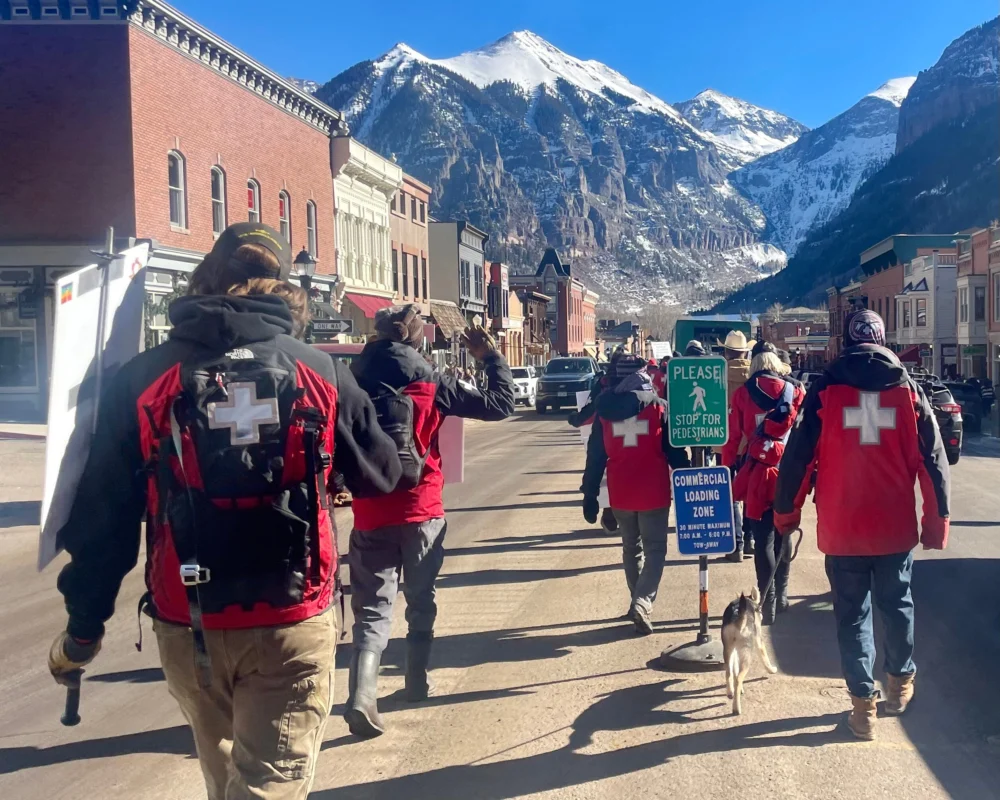
The UMW now represents nearly 20 local bargaining units, with interest in unionization continuing to grow. In Telluride, the ski patrol unionized over a decade ago following a change in resort ownership. Jessica Blount, a patroller with two decades of experience in Telluride, explained the impetus: "We knew we needed to give ourselves some sort of security." Unionization provided a mechanism to safeguard existing wages and benefits while advocating for improved compensation structures.
More recently, in 2023, the Lift Maintenance team at Crested Butte unionized. Approximately one year later, the team authorized a strike, a move that Thomas Pearman, the union’s president, described as prompting an "overnight tune change from the company." While this particular strike did not ultimately occur, the threat of collective action pressured the resort to present a more favorable offer after months of negotiations. The resulting contract, which Pearman characterized as a "win for lift maintenance everywhere," secured significant gains, including enhanced training, improved wages, robust workplace safety standards, and a clearly defined career progression pathway. This contract marked a turning point, transforming a historically unstable job into a potentially sustainable career. Prior to this agreement, Pearman noted, employee turnover in lift maintenance at Crested Butte hovered around 50 percent. Following the new contract, that figure dropped to zero for the year.
While ski patrols constitute the majority of UMW’s bargaining units, Crested Butte’s lift maintenance team was the second such group to unionize, following Park City’s. Pearman anticipates that more mechanics will follow suit in the coming years, recognizing the tangible benefits of collective bargaining.
Demanding "Dream Jobs" with Sustainable Realities
The prevailing notion that ski resort jobs are inherently desirable "dream jobs" and that employees are easily replaceable often obscures the reality of the skills and dedication required. Each ski lift, for example, is a unique mechanical system, and lift mechanics possess intricate knowledge of every component. "There’s so many details that everyone is constantly learning, whether you’re doing it for five years or 20," Pearman explains. The absence of a locally experienced team can lead to the overlooking of critical details, potentially compromising safety.
This work is physically demanding and operates year-round. While winter demands immediate repairs and inspections in challenging conditions, the heavy lifting occurs during the summer months when lifts undergo thorough piece-by-piece inspection. Mechanics must possess the agility and expertise to access any part of any lift, regardless of the weather or terrain.
Similarly, ski patrollers require a comprehensive skill set, encompassing advanced skiing abilities, proficiency in avalanche mitigation techniques, and the capacity to efficiently evacuate injured guests from remote and challenging areas. At resorts like Telluride, characterized by extreme terrain and a high avalanche risk, these demands are substantial. Blount acknowledges that while the role is highly sought after and patrollers are passionate about their work, the financial realities are stark: "we can’t get our head above water."
She illustrates this point with a recent hiring clinic: 16 recruits participated, eight passed the ski test and were offered trainee positions, but only four could afford to relocate to the town. Before the season even began, one of those four sustained an injury. The long-term retention of these rookies, and their ability to develop into seasoned professionals capable of passing on their knowledge, remains a significant challenge.
The Cascading Impact on the Ski Experience
While Tony Vagneur’s 1971 strike did not result in the complete shutdown of Aspen, the impact of contemporary labor actions can be far more immediate and disruptive. Telluride, for instance, was forced to close for over a week during the busy Christmas holiday period in a recent dispute, as the resort struggled to recruit replacements for its striking patrollers.
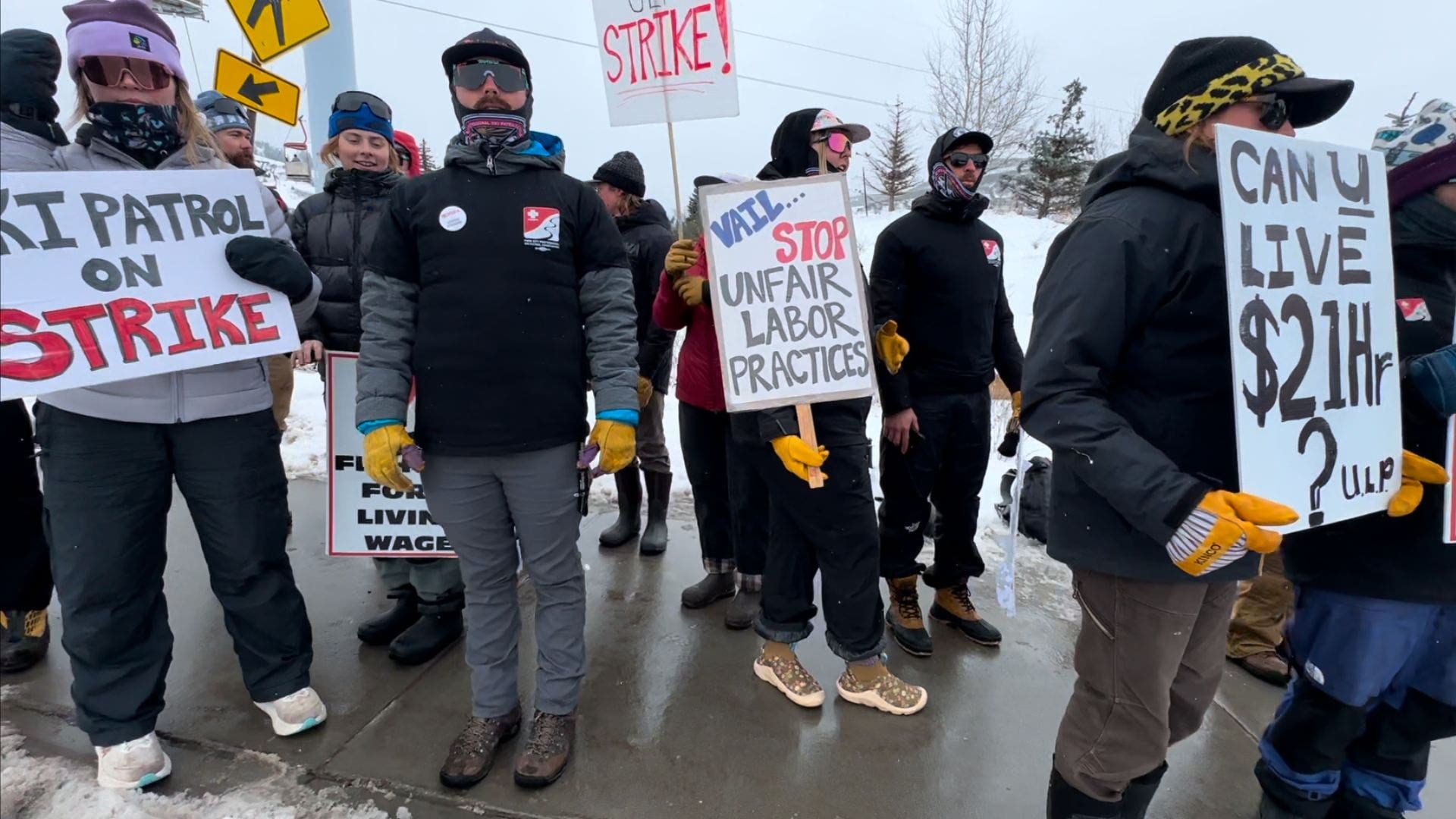
Last year, the effects of the Park City ski patrol strike resonated widely, even as Vail Resorts managed to keep the mountain operational by reassigning personnel from other resorts. "The guest experience was completely ruined," Magill stated, recounting increased emergency response times and widespread social media coverage of exceptionally long lift lines. The pressure on the company was significant, culminating in the eventual resignation of Vail Resorts’ CEO. The contract secured by the Park City patrollers was, in Magill’s words, a "complete and total victory."
Despite the successes of these labor actions, Magill, Pearman, and Blount express a common sentiment: they never intended for the guest experience to be the casualty of their fight for fair treatment. However, they warn that if the ability of mountain workers to earn a sustainable living continues to be eroded, the very slopes that skiers pay substantial amounts to access will inevitably become less safe and less enjoyable for everyone.
In Telluride, the strain is already apparent. Blount reports that half of the current patrol team is over the age of 50, and the department struggles to maintain adequate staffing levels to cover the mountain daily. This staffing shortage translates into delays in opening terrain after storms and, in some instances, the inability to open popular areas at all. If resorts continue to face recruitment and retention challenges, skiers may find themselves missing out on the very types of challenging and exhilarating terrain they seek.
Furthermore, the erosion of institutional knowledge poses a significant safety risk. As experienced patrollers and mechanics, who possess an intimate understanding of avalanche paths, lift mechanics, and operational nuances, retire, the question remains: how many adequately trained staff will be left to mentor and guide the next generation? "I hope people realize the severity of the situation," Blount implores, concluding with a stark assessment: "It’s unsustainable." The ongoing labor disputes are not merely about wages; they represent a critical juncture for the future viability and safety of the ski industry itself.
