

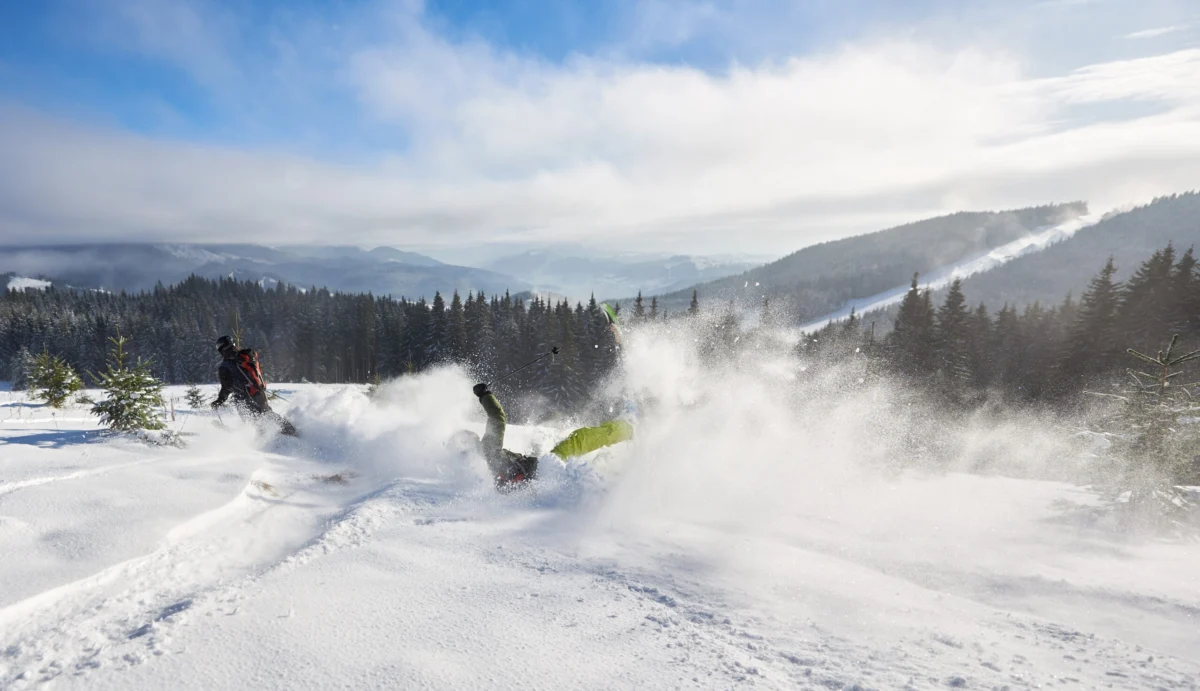
The slopes, often envisioned as pristine canvases of white offering exhilarating descents and breathtaking vistas, can, unfortunately, become sites of unexpected and sometimes severe accidents. A common, yet often misunderstood, scenario involves collisions between skiers and snowboarders, particularly on less challenging terrain leading towards the base of the mountain. While the immediate reaction might be to assign blame based on the perceived unpredictability of slower skiers or snowboarders, a deeper examination, grounded in established safety guidelines and the fundamental physics of slope navigation, reveals that the primary responsibility for avoiding such incidents lies squarely with the uphill skier or snowboarder. This principle, enshrined in the National Ski Areas Association’s (NSAA) Skier Responsibility Code, asserts that individuals ahead or downhill have the right of way, a crucial tenet that governs safe conduct on shared mountain environments.
The Uphill Advantage: Understanding Liability in Ski Collisions
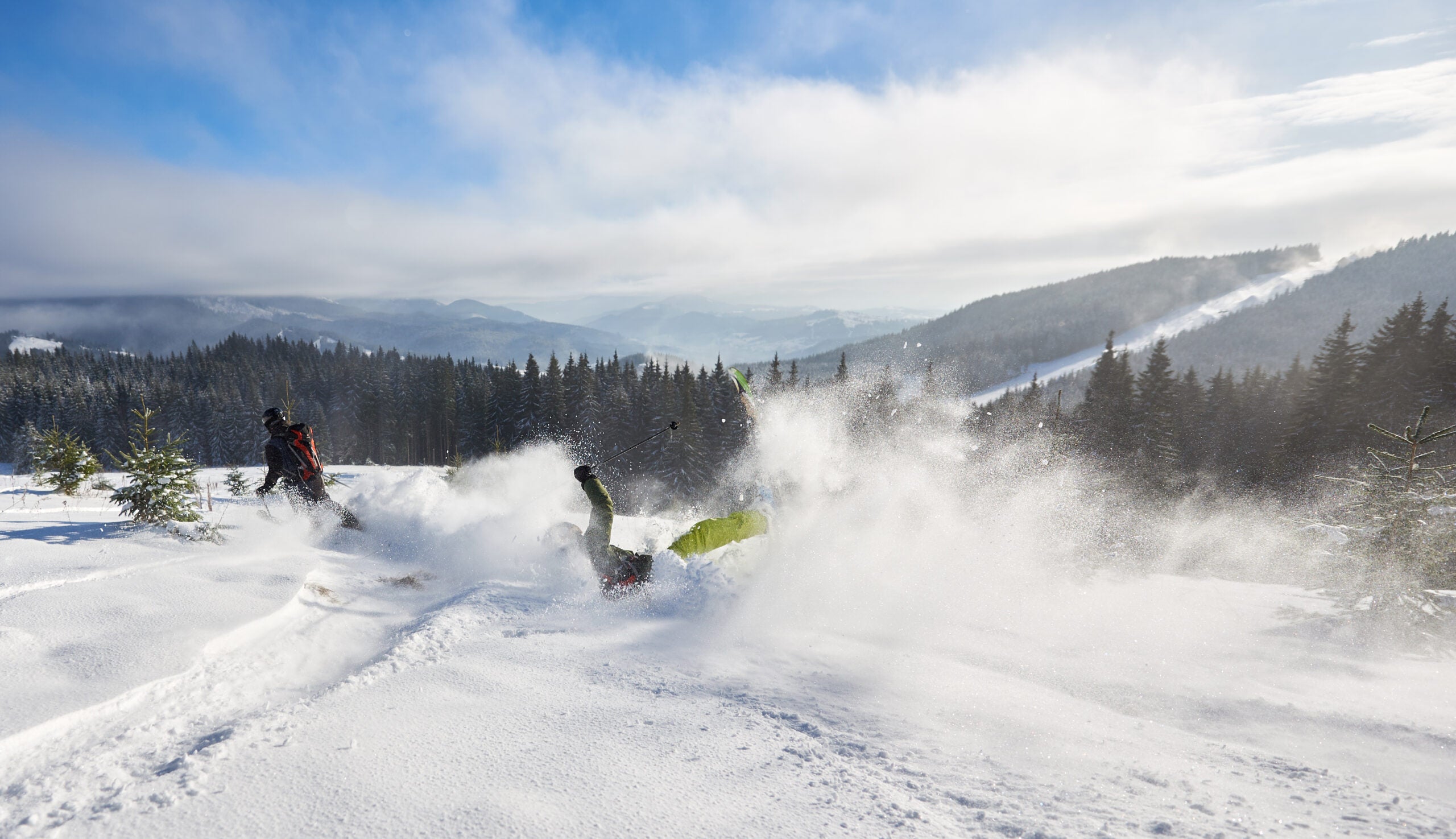
Social media platforms frequently feature viral videos depicting on-slope collisions, often eliciting debates about fault. These dramatic "yard-sale" incidents, where equipment and bodies are scattered across the snow, can be disturbing, especially for those who have experienced similar harrowing encounters. In the vast majority of these cases, the evidence clearly points to the uphill skier or snowboarder as the party responsible for initiating the collision. This aligns directly with the first and most critical rule of the Skier Responsibility Code: "People ahead or downhill of you have the right of way." This code, developed and promoted by the NSAA, serves as the foundational document for skier and snowboarder conduct, aiming to foster a culture of safety and mutual respect on ski slopes across North America.
The frustration of experienced skiers and snowboarders is understandable. They often find themselves navigating familiar terrain, carving precise lines, only to encounter slower-moving skiers or learners who may be exhibiting less predictable behaviors. These can include wide, sweeping turns, sudden changes in direction, or simply skiing at a significantly reduced speed as they master the basics of linking turns or controlling their descent. Such maneuvers, while necessary for learning and skill development, can unexpectedly appear in the path of faster-moving individuals. However, the mountain is not a video game with pre-determined pathways and static obstacles. The dynamic nature of snow sports necessitates constant awareness and proactive avoidance strategies, particularly from those with superior speed and maneuverability.
The Experienced Skier’s Burden: A Greater Capacity, A Greater Responsibility
Counterintuitively for some, the better a skier or snowboarder you are, the greater your responsibility becomes. This assertion stems from the inherent capabilities that advanced skill brings. Experienced skiers possess a superior ability to control their speed, execute quick directional changes, and brake effectively. These skills translate into a greater capacity to avoid potential hazards, including slower skiers. Therefore, the argument that one was simply "minding their own business" or "carving their line" is not a valid defense when a collision occurs. The ability to react and adapt to unforeseen circumstances on the slope is precisely what defines advanced skiing proficiency. To suggest that learners should be excluded from terrain they need to practice on to improve is not a viable solution; it ignores the fundamental reality that everyone, regardless of skill level, has a right to access and enjoy the mountain.
The NSAA’s Skier Responsibility Code, a set of ten guiding principles, addresses this dynamic implicitly. While the full code covers various aspects of safe skiing, the initial tenets are most pertinent to uphill-downhill collision scenarios. These rules are not merely suggestions; they are the established norms that promote safety and prevent accidents in a high-risk environment.
Beyond the Uphill Duty: Shared Responsibilities and Contributing Factors
While the primary onus rests on the uphill skier, this does not grant downhill skiers carte blanche to engage in reckless behavior. Downhill skiers and snowboarders also have a responsibility to ski within their abilities and maintain control. Actions that can contribute to or even cause collisions include:
- Stopping in inappropriate locations: Halting in the middle of a run, especially below blind crests or on narrow trails, creates significant hazards for others. Skiers descending the mountain may not have sufficient time or space to react to a stationary object.
- Skiing out of control: Regardless of position on the slope, skiing at a speed that exceeds one’s ability to stop or maneuver safely is inherently dangerous and can lead to collisions.
- Unpredictable movements: While learners are expected to be less predictable, even experienced skiers can cause issues by making sudden, sharp turns across the fall line without adequate awareness of their surroundings.
The ideal scenario involves comprehensive instruction for all skiers and snowboarders on slope etiquette and safety. However, the escalating cost of ski lessons, with prices often placing them beyond the financial reach of many beginner enthusiasts, renders this ideal a distant aspiration for a significant portion of the skiing populace. This economic barrier can perpetuate a cycle where new skiers lack fundamental knowledge of safe practices and etiquette, increasing the likelihood of both minor incidents and more serious collisions.
The Impact of Collisions: Beyond the Immediate Aftermath
The implications of skier-on-skier collisions extend far beyond the immediate shock and potential physical injury. For the individual directly involved, a collision can result in significant medical expenses, prolonged recovery periods, and a substantial impact on their overall ski season, as highlighted in personal accounts of how a single accident can end a season prematurely. The psychological toll can also be profound, with some individuals experiencing lingering anxiety or a reluctance to return to the slopes, a condition sometimes referred to as "post-traumatic stress disorder" (PTSD) in severe cases.
From a broader perspective, these incidents contribute to the perception of skiing and snowboarding as inherently dangerous sports, potentially deterring new participants. They also place a burden on ski resorts, which are responsible for maintaining safe slopes and responding to accidents. The frequency of such collisions, particularly those amplified by social media, can influence public perception and may even lead to increased scrutiny from regulatory bodies.
A Call to Awareness and Proactive Safety
In the absence of universal, professionally guided instruction, the NSAA’s Skier Responsibility Code remains the most critical tool for promoting safety on the slopes. Its ten points serve as a comprehensive guide, but the initial three are paramount in addressing uphill-downhill conflicts. These emphasize:
- Always stay in control.
- People ahead or downhill of you have the right of way.
- Stop only when necessary and when you are sure you won’t impede traffic or obstruct the view of others.
Reviewing, understanding, and actively practicing these principles is essential for every individual who ventures onto a ski slope. The people skiing or snowboarding in front of you, regardless of their skill level or apparent predictability, do not possess the ability to see what is happening behind them. Therefore, the onus is on those coming from above to maintain situational awareness, control their speed, and exercise a wide berth to ensure the safety of others.
The goal is to foster a culture where every skier and snowboarder prioritizes avoiding collisions, rather than expecting others to simply get out of their way. By embracing the principles of the Skier Responsibility Code, particularly the fundamental duty of the uphill skier to avoid those downhill, we can collectively contribute to a safer and more enjoyable experience for everyone on the mountain, and crucially, avoid becoming another cautionary tale or viral sensation on social media. The winter season is a time for exhilaration and enjoyment; it should not be a season defined by avoidable accidents.
