

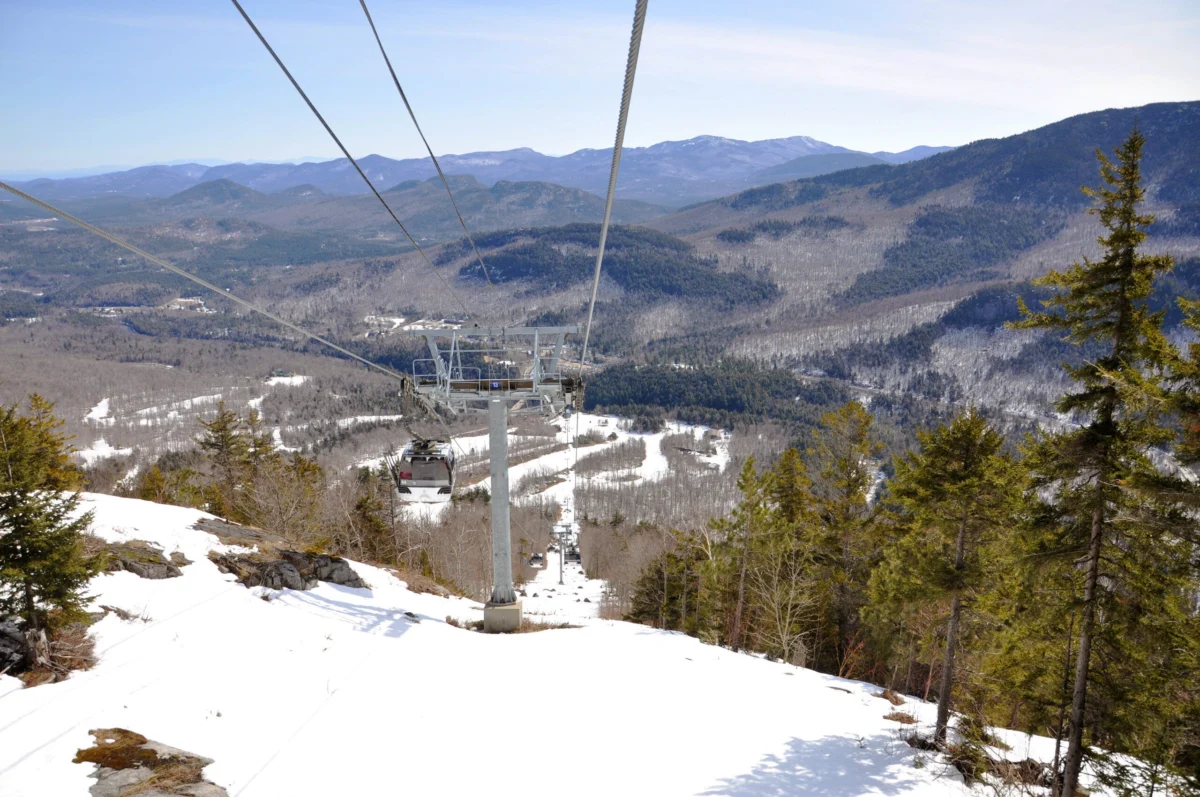
Skiers and riders in the East, known for their unwavering dedication to chasing lake-effect snow, mastering icy groomers, and maximizing every possible day on the slopes, now have a significant new option to consider for the upcoming season. While the national conversation around ski access has largely been dominated by the expansive offerings of mega-passes, a new contender, the Snow Pass, has emerged, specifically tailored to the unique demands and preferences of the Northeast and Canadian ski communities. This innovative pass aims to address concerns over rising costs and increasing crowds by uniting an impressive network of partner mountains across New York, New Jersey, New England, and Quebec, presenting itself as a compelling alternative for those seeking extensive regional access without the premium price tag associated with continent-spanning passes.
The Evolving Landscape of Ski Pass Offerings
The introduction of the Snow Pass comes at a pivotal moment in the ski industry, characterized by a decade of rapid consolidation and the proliferation of multi-resort passes. The early 2010s saw the groundbreaking launch of products like Vail Resorts’ Epic Pass and later Alterra Mountain Company’s Ikon Pass, which fundamentally reshaped how skiers accessed mountains. These passes, offering unparalleled access to dozens of resorts across North America and beyond, quickly became industry behemoths. Their success was built on economies of scale, encouraging skiers to commit early in the season and often to travel to diverse destinations.
However, this consolidation, while offering broad access, also led to several discernible trends. For many local and regional skiers, especially those without the time or budget for extensive travel, the value proposition of mega-passes often felt misaligned. Single-resort season pass prices at non-affiliated mountains sometimes increased as resorts sought to compete or differentiate, and the widespread popularity of mega-passes contributed to increased crowding at certain flagship destinations, particularly during peak periods. This created a clear demand for more localized, cost-effective solutions that catered to the loyal regional skier base.
In response to these dynamics, independent multi-resort passes, such as the Indy Pass, gained traction by focusing on smaller, independently owned resorts across wider geographic areas. The Snow Pass represents a further refinement of this trend, zeroing in on a specific, densely populated, and highly passionate ski region: the Northeast United States and Eastern Canada. This hyper-regional focus allows it to address the specific travel patterns and resort preferences of a demographic that often prioritizes frequent, shorter road trips over longer, less frequent destination visits.
The Genesis of the Snow Pass: Addressing a Regional Need
The concept behind the Snow Pass likely originated from a detailed analysis of the Eastern ski market’s unique characteristics. Skiing in the Northeast is renowned for its variability, challenging conditions, and a strong sense of community that often develops around smaller, family-owned, or regionally significant resorts. The "hustle" described by East Coast skiers — tracking every weather pattern, rising before dawn, and perfecting edge control on frequently groomed, often icy, terrain — is a testament to their dedication. These skiers are often less concerned with powder days and more with consistent access and the ability to log numerous laps close to home.
The creators of the Snow Pass identified a significant gap: an affordable, multi-resort option that specifically served this dedicated East Coast demographic, bridging the divide between expensive national passes and single-resort offerings. The primary motivations can be inferred as:
- Affordability: To provide a cost-effective entry point for avid skiers and snowboarders, including families and younger enthusiasts, who might be priced out of the mega-pass market or find single-resort passes limiting.
- Supporting Independent Resorts: To bolster the economic viability of independent and mid-sized ski areas that might struggle to compete with the marketing power and financial resources of larger corporate entities. By pooling resources and offering a unified product, these resorts can attract a broader customer base.
- Enhancing Regional Accessibility: To facilitate convenient, multi-resort road trips, allowing skiers to explore diverse terrain and resort cultures within a manageable driving distance, thereby reducing the environmental impact and travel costs associated with cross-country trips.
- Alleviating Crowding: By distributing skier visits across a wider network of resorts, the pass could potentially help mitigate the intense crowding seen at some larger destinations during peak times, enhancing the on-mountain experience for all.
While specific launch dates and detailed financial figures are often proprietary, the announcement of the Snow Pass indicates a strategic response to these market forces, likely culminating from months or even years of discussions and partnerships with participating resorts.
Unpacking the Snow Pass Offerings
At its core, the Snow Pass features 14 partner ski areas, providing pass holders with a specific number of days at each participating location. While the initial announcement did not include an exhaustive list of all 14 core resorts, the geographical spread indicates a focus on strategic locations within New York, New Jersey, New England (covering states like Massachusetts, Connecticut, and Maine), and Quebec. This foundational offering provides substantial value, allowing skiers to experience a variety of terrain, from the rugged steeps of the Adirondacks to the lively park laps found under the lights in New Jersey.
Beyond the primary pass, the Snow Pass introduces an expanded "Snow Triple Play" multi-day option. This additional feature significantly broadens the scope of access, incorporating an even wider net of East Coast destinations. For instance, the Snow Triple Play extends access to New York destinations such as Plattekill Mountain, Holiday Mountain, and Kissing Bridge. In New England, additions include Jiminy Peak in Massachusetts, Mount Southington in Connecticut, and Pleasant Mountain in Maine. This tiered approach allows skiers to select a pass that best suits their desired level of access and budget, maximizing flexibility.
The exact number of days offered at each resort, as well as potential blackout dates, are crucial details that pass holders would examine. Typically, such passes offer either a fixed number of days (e.g., two or three) at each partner resort or a total pool of days that can be distributed across the network. The structure is designed to encourage exploration without overwhelming any single independent mountain with unlimited access.
Economic and Social Implications for the Eastern Ski Community
The introduction of the Snow Pass carries significant implications for both the economics of the Eastern ski industry and the social fabric of its skiing community.

Economic Benefits:
- Increased Revenue for Independent Resorts: By participating in the Snow Pass, smaller and mid-sized resorts gain access to a broader customer base they might not reach through individual marketing efforts. This diversification of revenue streams can provide greater stability, supporting local jobs and infrastructure investments.
- Stimulating Local Economies: Increased skier visits translate to greater spending in surrounding communities—on lodging, dining, retail, and other services. This ripple effect is vital for many rural towns where ski resorts are major economic anchors.
- Affordability and Accessibility: For many, the high cost of skiing has become a barrier. The Snow Pass’s competitive pricing makes multi-resort skiing more accessible to a wider demographic, potentially attracting new participants to the sport and retaining existing ones who might otherwise reduce their ski days due to budget constraints.
Social and Cultural Impact:
- Fostering Regional Identity: The pass champions the distinct "East Coast shred culture," celebrating the unique challenges and camaraderie found on Eastern slopes. It reinforces a sense of regional pride and community among skiers.
- Encouraging Exploration: By offering access to multiple resorts, the Snow Pass encourages skiers to venture beyond their home mountain, discover new terrain, and experience the diverse character of different ski areas. This expands their skiing horizons and enriches their overall experience.
- Building Community: Frequent road trips with friends and family, exploring new mountains, can strengthen social bonds and create lasting memories, further fueling the passion for skiing and snowboarding.
Comparative Analysis: How It Stacks Up
To fully appreciate the Snow Pass’s position, it’s essential to compare it against the established players in the market.
Vs. Mega-Passes (Epic/Ikon):
- Cost: The most significant differentiator. The Snow Pass is positioned as a significantly more affordable option, making it attractive to budget-conscious skiers.
- Coverage: Mega-passes offer national and international access, suitable for those planning major ski vacations. The Snow Pass provides deep regional access, ideal for frequent, shorter trips within the Northeast and Quebec.
- Crowds: While mega-passes can lead to crowded conditions at their most popular resorts, the Snow Pass’s distributed network of independent mountains may offer a less congested experience, particularly on weekends and holidays.
- Philosophy: Mega-passes often represent corporate consolidation, while the Snow Pass aligns with supporting independent, regional ski areas and their unique identities.
Vs. Indy Pass:
- Shared Philosophy: Both the Snow Pass and the Indy Pass share a commitment to independent resorts and affordability. They both serve as a counter-narrative to the mega-pass model.
- Geographic Focus: This is the key distinction. The Indy Pass offers a broader North American network, allowing for independent resort exploration across the continent. The Snow Pass is hyper-focused on the Northeast U.S. and Quebec. For a skier whose primary ski area is within this specific region, the Snow Pass might offer more concentrated value and convenience. For a skier who occasionally travels outside the Northeast, the Indy Pass might be a better fit.
- Potential Complement: Some avid skiers might even consider holding both an Indy Pass and a Snow Pass to maximize access, leveraging the Snow Pass for their frequent regional trips and the Indy Pass for a few special excursions further afield.
Vs. Single-Resort Season Passes and Day Tickets:
- Value Proposition: For anyone considering purchasing multiple day tickets or a season pass to a single, smaller resort, the Snow Pass offers superior value by providing access to numerous mountains for a comparable or even lower price point. It mitigates the risk of being stuck with a single resort’s conditions for an entire season.
Statements and Reactions from the Industry
While direct quotes were not provided in the original announcement, the launch of such a product would invariably elicit reactions from various stakeholders.
From Snow Pass Organizers: "We recognized a profound need within the Eastern ski community for a pass that truly understands their unique dedication and regional travel patterns," a hypothetical spokesperson for the Snow Pass might state. "Our goal with the Snow Pass is twofold: to provide unparalleled, affordable access to a diverse array of exceptional mountains, and critically, to empower and sustain the independent resorts that are the heart and soul of East Coast skiing. We believe this pass is a golden ticket for those who live the ski hustle."
From Partner Resort Owners: An owner of a participating New England resort might comment, "Joining the Snow Pass allows us to tap into a wider market of passionate skiers who might not have discovered our mountain otherwise. It’s a collaborative effort that helps us compete effectively in a consolidated market without compromising our unique identity and local charm. We’re thrilled to welcome new faces and share our slopes." Similarly, a Quebec resort manager could add, "This partnership strengthens cross-border ski tourism and offers our Canadian guests fantastic options south of the border, while also inviting U.S. skiers to experience the unique culture of Quebec skiing. It’s a win-win for regional exploration."
From Skiers and Riders: The sentiment among the target audience is likely to be overwhelmingly positive. A dedicated New Jersey skier might exclaim, "Finally, an affordable pass that makes sense for my road trips! I can hit my local mountain a bunch, but then easily explore new spots in New York and New England without breaking the bank. This pass truly gets the East Coast vibe." A family from Upstate New York could express, "With rising costs everywhere, we were worried about how many days we could afford this winter. The Snow Pass looks like it could be the perfect solution for us to keep skiing as a family and even discover some new places."
Future Outlook and Broader Market Impact
The success of the Snow Pass will be closely watched by the broader ski industry. If it gains significant traction, it could inspire similar hyper-regional pass models in other parts of North America, further fragmenting the market and offering more specialized choices to consumers. This diversification is healthy for the industry, ensuring that alongside the large corporate offerings, there remain viable and attractive options that cater to specific regional preferences and support independent businesses.
Potential challenges for the Snow Pass include effectively managing its growing network of partner resorts, ensuring consistent marketing and customer service, and adapting to future market shifts. However, by focusing on a clearly defined need—affordable, hyper-accessible regional skiing—the Snow Pass appears well-positioned to carve out a significant niche for itself. It represents a renewed emphasis on the core experience of skiing: more time on snow, shared adventures with friends, and the sustained vibrancy of local ski communities. For the dedicated East Coast skier, the upcoming season promises an exciting new era of exploration, fueled by a pass that truly understands their hustle. Locking in a pass early, sharpening those edges, and preparing for winter road trips has become more appealing than ever.
