

Published October 28, 2026 08:31AM
The pursuit of untracked powder and pristine backcountry vistas necessitates a reliable ascent, and the unsung heroes of this endeavor are ski climbing skins. These adhesive-backed strips of specialized fabric, akin to fish scales in their directional grip, are indispensable for any serious backcountry skier who doesn’t have exclusive access to heliskiing or cat operations. Without them, the ascent would be a Sisyphean struggle of slipping and sliding, turning a day of exhilarating descent into an arduous, inefficient climb. For the 2027 season, a rigorous testing regimen across diverse global terrains has culminated in a definitive ranking of the best climbing skins available, designed to optimize grip, glide, durability, and packability, ensuring that every ascent is as efficient and enjoyable as the descent.
This comprehensive guide delves into the performance of eight distinct climbing skin models, meticulously evaluated over the past winter. From the deep powder fields of the Tetons to the imposing glaciers of the Swiss Alps, and the rugged expanse of Kyrgyzstan, our expert testers navigated a spectrum of snow conditions and ascent challenges. The findings highlight the Pomoca Tour Pro as the overall best performer, lauded for its exceptional glide and robust tail clip. Close behind, the Black Diamond Glidelite Tour stands out as the most durable option, offering a compelling blend of longevity and lightweight design.
At a Glance: The Leading Climbing Skins of 2027
The selection of climbing skins can significantly impact a backcountry skiing experience. Factors such as the material composition, the effectiveness of the adhesive, the design of the tail and tip attachments, and the overall weight and packability all contribute to a skin’s performance. This year’s testing focused on these critical elements, identifying models that excel in specific categories while maintaining a high standard across the board.
Climbing Skins Comparison Chart: Key Performance Metrics
A detailed comparison of the tested skins reveals nuanced differences in their design and application. While some skins prioritize maximum glide for long, rolling traverses, others are engineered for superior grip on steep, icy ascents. Understanding these distinctions is crucial for selecting the ideal skin for a particular skiing style and intended terrain.
| Skin Model | Fiber Material (Mohair/Nylon) | Primary Strength | Notable Features | Considerations |
|---|---|---|---|---|
| Pomoca Tour Pro | 65% Mohair / 35% Nylon | Overall Performance | Excellent glide, reliable Power Hook metal tail clip, dual fiber plush for balanced grip and glide. | Plush requires a brief break-in period. |
| Atomic MultiFit Bent Chetler | 70% Mohair / 30% Nylon | Glide | Exceptional glide, vibrant artist-designed graphics, highly packable, reliable Hot Melt glue. | Tail clip can be finicky; initial peel can be challenging. |
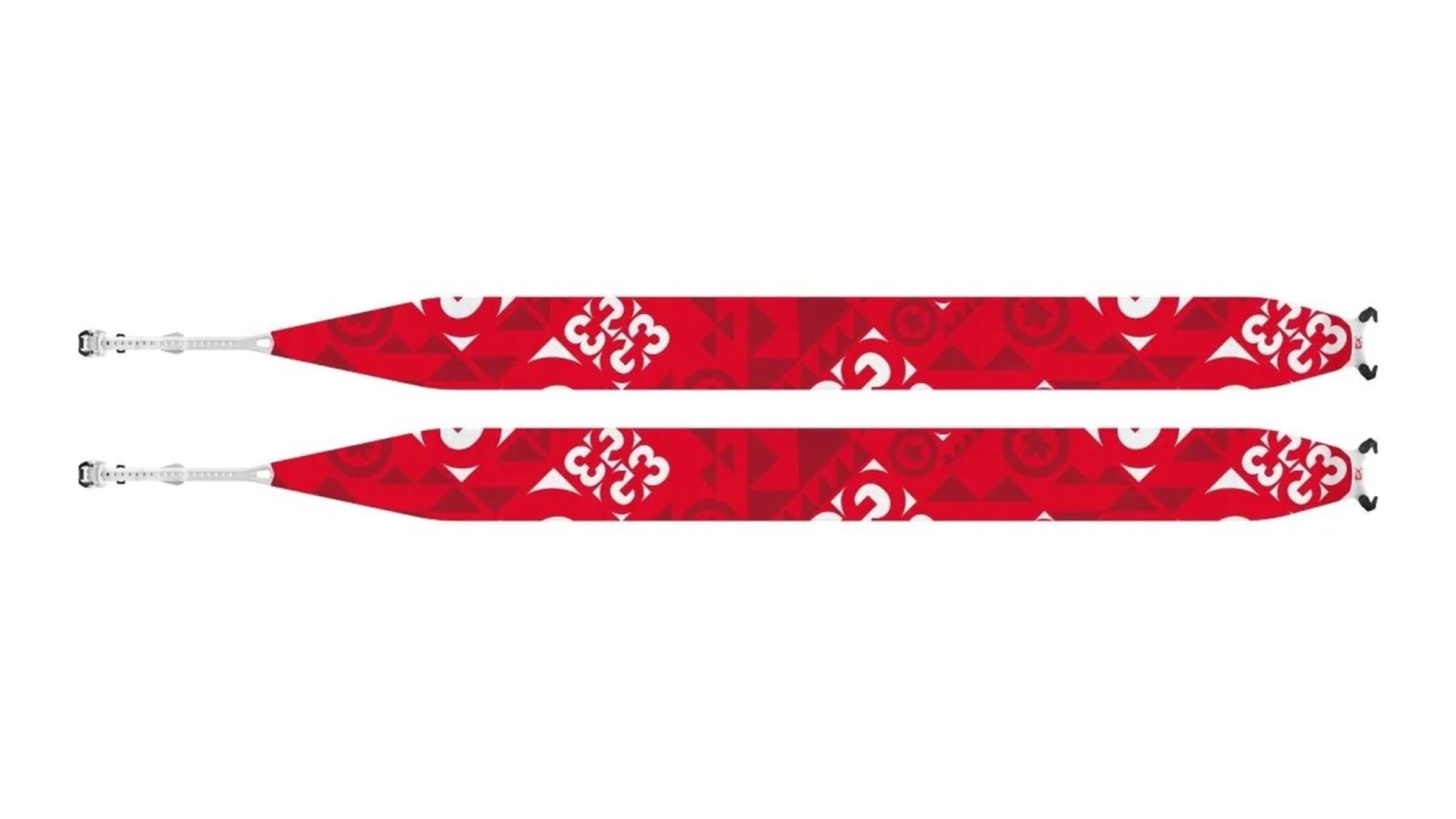
| G3 Alpinist Universal | 100% Nylon | Grip | Superior grip, solid glide, consistent adhesion over multiple laps, redesigned ChannelBond adhesive. | Glue requires a few tours to break in. |
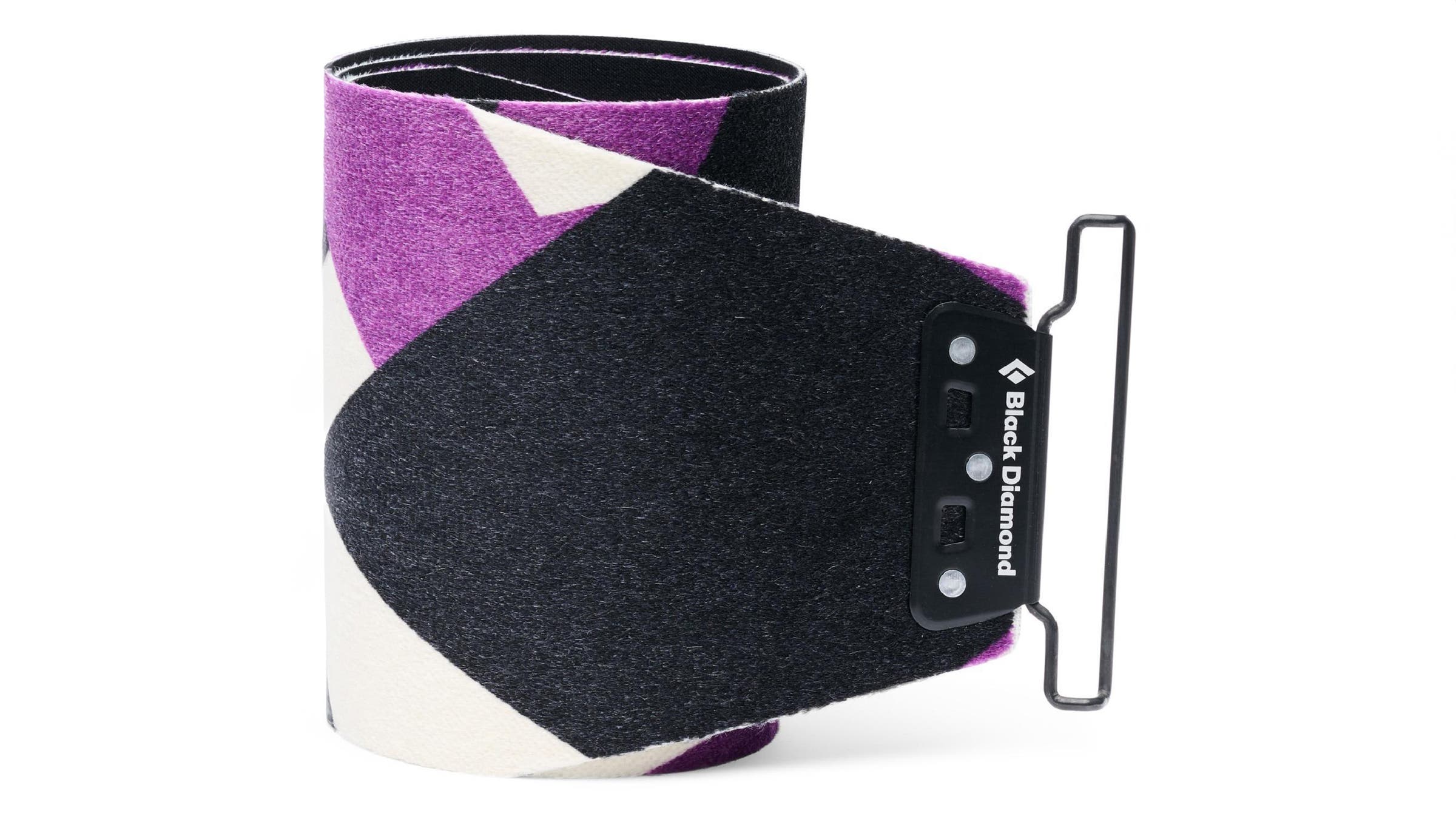
| Black Diamond Glidelite Tour | 65% Mohair / 35% Nylon | Durability | Lightweight construction, durable design, excellent glue hold, low-profile for packability, secure metal tail clip. | Glue needs a few tours to break in. |
| Kohla Freeride Air Skins | 65% Mohair / 35% Nylon | Packability | Extremely packable and lightweight, reliable glue in varied conditions, comfortable rubbery tail clip. | Plush durability is moderate; glide is average. |
The Reviews: Unpacking the Best Climbing Skins for Skis
The 2027 testing season was marked by extensive fieldwork, pushing the limits of skin technology in diverse and challenging environments. Each skin was subjected to repeated ascents and descents, meticulously documenting its performance in critical areas.
Best Climbing Skins Overall: Pomoca Tour Pro
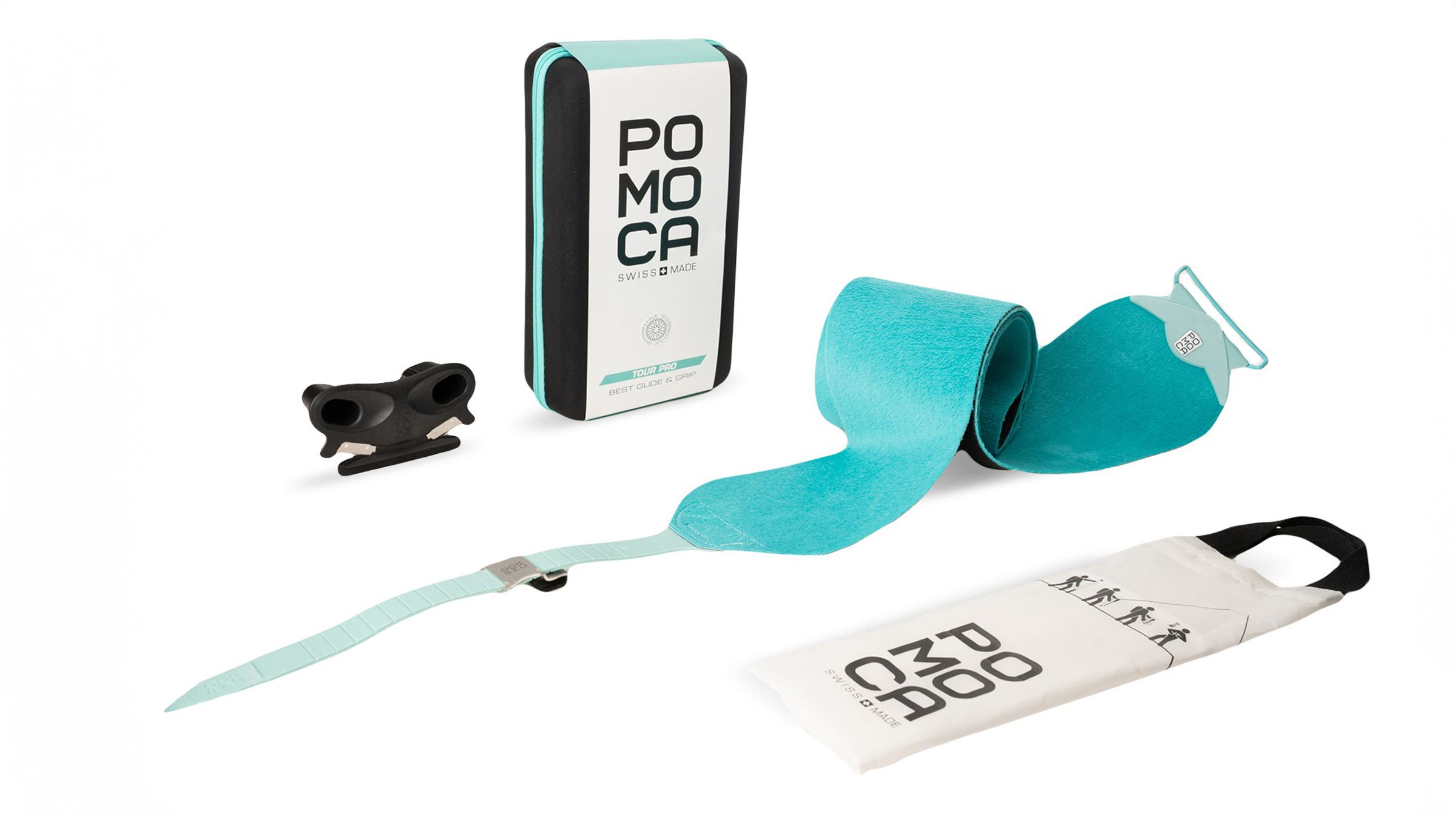
The Pomoca Tour Pro has emerged as the benchmark for all-around backcountry ski touring performance. Its balanced blend of grip and glide, coupled with a significantly improved tail attachment system, makes it a standout choice for skiers seeking a reliable companion for a wide array of adventures. Following extensive use across the demanding landscapes of Grand Teton National Park, the more accessible Teton Pass, and the resort-adjacent backcountry of Jackson Hole Mountain Resort, testers consistently praised the Tour Pro for its ability to tackle varied conditions without compromising efficiency.
A key innovation contributing to the Tour Pro’s success is Pomoca’s updated Power Hook metal tail clip. This upgrade addresses a common failure point in previous models—plastic tail clips that could fatigue and break. The robust metal design offers a secure and dependable connection, extending the lifespan of the skins. As one seasoned tester noted from the Tetons, this seemingly minor refinement "essentially added seasons to the life of these skins."
The secret to the Pomoca Tour Pro’s balanced performance lies in its dual fiber plush technology. This innovative design strategically places different fiber blends across the skin’s surface. The edges, where maximum traction is often required, are reinforced with grippier nylon blends, ensuring solid edgehold on firm or icy ascents. Conversely, the center of the skin utilizes fiber blends optimized for glide, featuring a higher proportion of mohair to reduce friction and conserve energy during long climbs. This thoughtful engineering allows skiers to maintain momentum on packed-out tracks while still benefiting from the smooth glide characteristic of high-quality mohair. A tester remarked after a full season in the Tetons, "A great choice for everyday ski touring. They’re no skimo skin, but they easily handled everything I could throw at them." While the plush does require a few tours to reach its optimal glide, this initial break-in period is a small price to pay for skins that promise years of reliable service.
Best Glide: Atomic MultiFit Bent Chetler
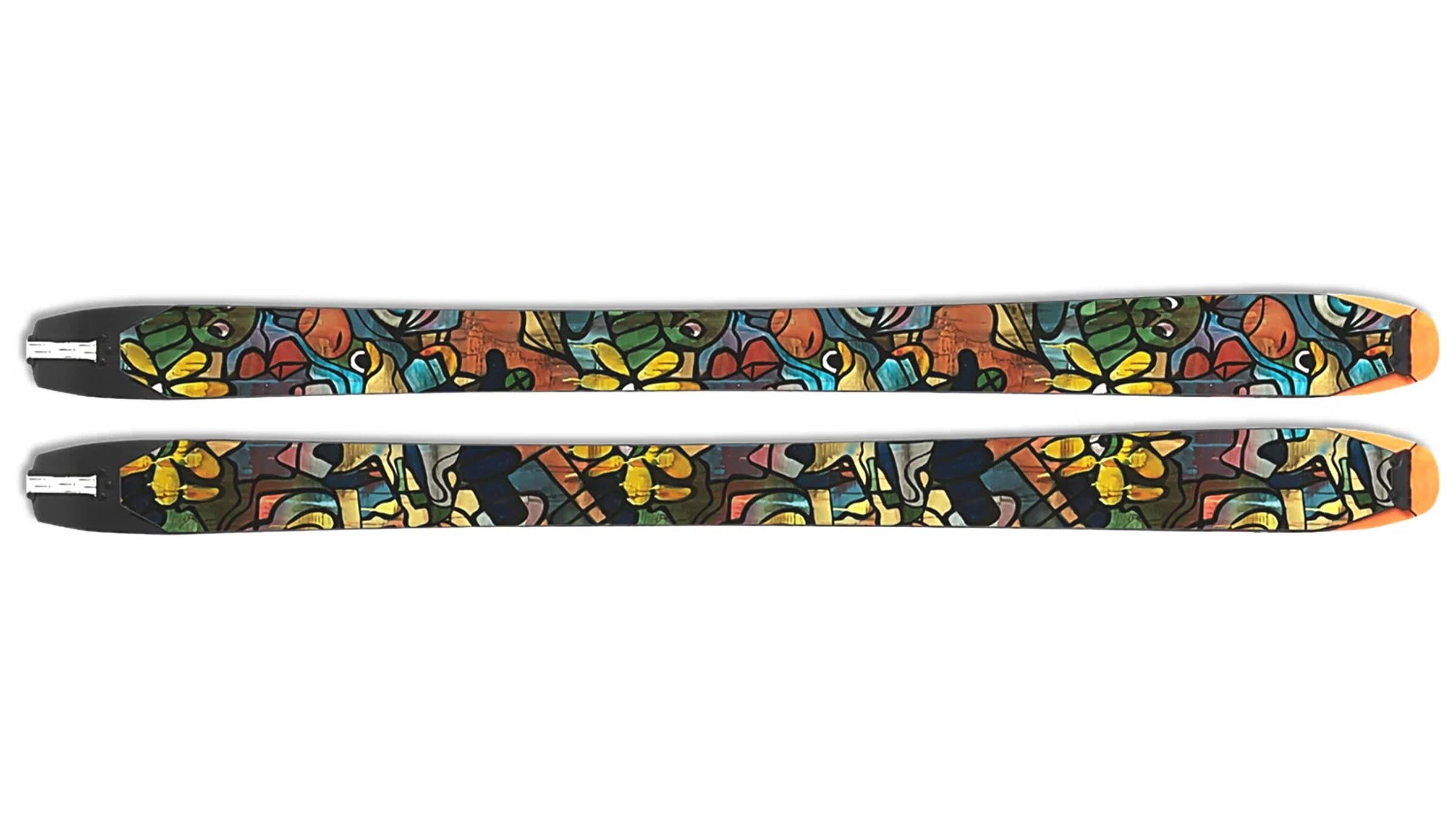
Beyond pure functionality, the Atomic MultiFit Bent Chetler skins make a strong statement for style in the backcountry. Adorned with striking, tip-to-tail artwork by renowned artist and professional skier Chris Benchetler, these skins prove that performance and aesthetics can go hand-in-hand. However, their appeal extends far beyond their visual flair. Rigorous testing across Kyrgyzstan, the Swiss Alps, the Tetons, and Alaska revealed that these skins, featuring a 70% mohair and 30% nylon blend, consistently delivered the most exceptional glide among all tested models.
Testers reported an immediate and noticeable difference in speed once the skins were broken in. "After a few tours, they were super fast," commented one tester who spent three weeks guiding in Kyrgyzstan, experiencing a wide range of conditions from deep powder to challenging alpine variables. "And they packed up neatly so I could stash them in a pocket." This combination of speed and packability makes them ideal for long, undulating traverses where conserving energy is paramount.
Despite their impressive glide, a couple of minor drawbacks were noted. The tail clips, while functional, were perceived by some testers as being larger than necessary and prone to slipping off if not carefully secured. Additionally, the Hot Melt glue, while exceptionally reliable even in sub-zero temperatures and leaving no residue, proved to be quite tenacious initially. It required a considerable amount of effort to peel the skins apart for the first dozen tours. However, this stickiness progressively eased, becoming more manageable with use. For skiers who prioritize a swift, fluid ascent and appreciate a touch of artistry on their gear, the Atomic MultiFit Bent Chetler skins offer a compelling package.
Best for Multi-Lap Days: G3 Alpinist Universal
Spring ski touring in British Columbia, with its challenging mix of deep powder, isothermal snow, and unforgiving refrozen crud, provided an ideal proving ground for the G3 Alpinist Universal skins. Testers found these skins to be an exceptional compromise, offering a harmonious balance between packability, robust durability, and unwavering reliability. "An awesome mid-point between pretty packable, extremely durable, and super reliable," reported a tester after an extensive trip to the Blanket Glacier Chalet in the Monashee Mountains.
This season, G3 introduced a significant overhaul to their entire skin collection, highlighted by the redesigned ChannelBond adhesive featured in the Alpinist Universal, as well as their Grip, Glide, and Speed models. The Alpinist Universal employs a unique vertical channel pattern of adhesive, engineered to provide superior hold along the ski edges—a common area where snow can infiltrate and compromise skin adhesion during extended tours.
While the adhesive was notably strong from the outset, requiring a few ascents (typically four to five tours) to become more pliable and easier to handle, its performance remained consistent throughout multi-lap days, even in challenging snow conditions. The true test of skin glue often lies in its ability to maintain integrity through repeated application and removal. The Alpinist Universal excelled in this regard, demonstrating the same steadfastness on the fifth lap as it did on the first. This consistent performance is critical for backcountry skiers who engage in extensive laps on a single objective, where reliable skin adhesion is paramount to efficient backcountry progression.
Most Durable: Black Diamond Glidelite Tour
For those prioritizing longevity and a skin that can withstand the rigors of season after season of backcountry use, the Black Diamond Glidelite Tour skins stand out. These new skins succeed the long-standing favorite, the Glidelite Mix, offering a lighter, more refined version of the construction that has earned Black Diamond a reputation for durability. The Glidelite Tour continues this legacy, providing a robust and reliable option for skiers who demand performance without compromise.
Testers observed excellent adhesive strength, even during demanding multi-lap days where snow accumulation can often challenge skin adherence. "The glue had excellent hold on skis, even during multi-lap days where the snow really starts to cake up," noted one tester after a week of intensive skiing on Teton Pass. A significant improvement noted was the reduced profile of the Glidelite Tour compared to its predecessor, the Glidelite Mix. This sleeker design makes the skins considerably easier to pack, a crucial factor for backcountry skiers who are always mindful of pack space. One tester from Jackson, Wyoming, highlighted this benefit: "These skins folded up really nicely, so I could stuff them in a jacket pocket for quick laps where I didn’t need to do a full transition."
The secure attachment is further enhanced by a solid metal tail clip, providing dependable hold. The wide, reinforced metal tip loop is designed for compatibility with a broad range of ski dimensions, from wide powder skis to narrower touring setups. While the glue, like many high-performance options, does require a short break-in period of one to two tours, it is significantly less demanding than previous iterations of the Glidelite Mix, which some testers had found needed five to ten days of backcountry use to achieve optimal tackiness. The Black Diamond Glidelite Tour offers a compelling combination of durability, packability, and reliable performance, making them a wise investment for any serious backcountry skier.
Most Packable: Kohla Freeride Air Skins
The Kohla Freeride Air Skins have proven to be an exceptionally convenient companion for midwinter expeditions, impressing testers with their remarkable packability, light weight, and ease of use right out of the box. The adhesive performed admirably across a range of conditions, maintaining a secure bond even during a demanding seven-day hut trip in the Selkirk Mountains, which involved at least ten transitions per day for short, steep pillow runs.
This exceptional packability is attributed to the skins’ thin construction. While this design contributes to their compact nature, it does come with a slight trade-off in plush durability compared to thicker, more robust models. "I usually wouldn’t throw skins in my jacket for laps since they are just so bulky, but I find myself shoving these in my jacket pockets since they lie so flat," remarked a tester after an intense week of skiing in British Columbia. This ease of stowing makes them ideal for resort-side backcountry laps or situations where quick transitions are essential.
The rubbery tail clip on the Kohla Freeride Air Skins was a particular highlight, earning accolades as the favorite among all tested models. Its combination of stretchiness and security, along with its adaptability for on-the-fly adjustments, made it exceptionally user-friendly. While the glide performance was deemed solid, it was not as exceptional as some of the more mohair-heavy options, settling into a respectable middle-of-the-road performance. The durability of the plush, while sufficient for moderate use, may not hold up as well under extreme abuse over hundreds of days. However, for skiers who value supreme packability and a reliable adhesive in varied conditions, the Kohla Freeride Air Skins are an excellent choice. It is worth noting that Kohla skins are also available under various brand names, including Head, Faction, and Fischer, often pre-cut to specific ski models.
How to Buy Climbing Skins: A Strategic Approach
Selecting the right climbing skins involves a careful consideration of several key attributes that directly influence their performance on the ascent. Understanding the interplay between material composition, attachment mechanisms, and overall design will empower skiers to make an informed decision.
The primary differentiator among skin materials is the balance between mohair and nylon. Mohair, derived from the hair of angora goats, is prized for its exceptional glide due to its smooth, slick texture. Conversely, nylon provides superior grip, its coarser fibers digging into the snow to prevent backward slippage. Skins with a higher percentage of nylon will offer more tenacious grip, beneficial for steep or icy ascents, but at the expense of glide efficiency and potentially increased weight. Conversely, mohair-dominant skins excel in speed but may compromise traction on challenging terrain. Many of the top-performing skins, including the Pomoca Tour Pro and Black Diamond Glidelite Tour, achieve an optimal balance with a 65% mohair and 35% nylon blend, offering a versatile performance profile suitable for a wide range of conditions. For novice skinners or those who prioritize absolute security on steep inclines, options like the Black Diamond Ascension Skins, which feature a higher nylon content, provide enhanced grip, though this comes with a discernible increase in weight and bulk.
Packability is another critical factor, especially for backcountry skiers who are acutely aware of the limited space within their packs. Skins that can be folded or rolled into a compact form, such as the Kohla Freeride Air Skins, are highly desirable. These can often be stowed conveniently in a jacket pocket, facilitating quick transitions or offering a backup option for shorter excursions.
The market offers skins in two primary forms: those sold as full-length sheets requiring user trimming, and those pre-cut to specific ski models. While pre-cut skins offer a guaranteed precise fit and often a perfectly aligned tail clip, the process of trimming full-length skins is straightforward and can be accomplished with a sharp utility knife and the included skin-cutting tool. This approach allows for greater flexibility and ensures a custom fit, especially if one owns multiple pairs of skis or opts for a more universal skin that can be adapted. The alignment of the tail clip is particularly important, especially on skis with pronounced rocker or rounded tails, as a secure and properly integrated clip is essential for preventing slippage and ensuring efficient ascent.
How We Test Climbing Skins: A Global Expedition
The 2027 climbing skin testing initiative spanned a comprehensive global itinerary, deliberately targeting a wide array of snow conditions and geographical challenges. Over the past winter, eight distinct models of climbing skins were subjected to rigorous evaluation by our team of seasoned testers across diverse locations. These included the renowned backcountry terrains of Jackson, Wyoming, and Victor, Idaho; the majestic Swiss Alps; the rugged Cascade Mountains of Washington State; the remote landscapes of Kyrgyzstan; the formidable peaks of Alaska; the expansive wilderness of British Columbia’s Monashees and Selkirks; and the high-altitude bowls of Mammoth Lakes, California.
Our evaluation criteria focused on four fundamental aspects: grip, glide, packability, and ease of setup. Testers meticulously documented their experiences, assessing which skins felt like dependable companions throughout multi-day tours and which exhibited less predictable or more finicky performance. While casual day tours provided valuable initial insights, the true efficacy of a climbing skin is best revealed during extended backcountry missions. This involved navigating windswept ridges, traversing refrozen chunder, breaking trail through deep powder, and crossing potentially treacherous frozen lakes. Throughout these demanding expeditions, testers consistently monitored the skins’ performance day after day, noting any degradation in grip, changes in glide, or challenges with adhesion and attachment. This multi-faceted testing approach ensures that our recommendations are grounded in real-world, demanding conditions, providing skiers with the most reliable and actionable advice.
Meet Our Testers: The Experts Behind the Insights
The depth and breadth of our climbing skin reviews are a direct result of the expertise and dedication of our testing panel. Each member brings a unique perspective and a wealth of backcountry experience to the table, ensuring that a wide spectrum of user needs and preferences are considered.
Lily Ritter is a distinguished freelance journalist and certified ski guide based in Victor, Idaho. Her insightful work has graced the pages of esteemed publications such as The Ski Journal, SKI, Powder Magazine, Freeskier, Teton Gravity Research, and Ascent Backcountry Snow Journal. Her winter pursuits are primarily focused on the challenging backcountry terrain of Grand Teton National Park and the lift-accessed powder of Jackson Hole Mountain Resort, occasionally punctuated by trips to the Alps, which she humorously admits are as much for the culinary experiences as for the skiing.
Jake Stern, a writer and editor residing in Mammoth Lakes, California, is a seasoned voice in the outdoor industry. Formerly an editor at Outside and Powder magazines, he now balances his passion for ski boot fitting with freelance writing. His free time is dedicated to exploring the vast backcountry of the Eastern Sierra and perfecting his artisanal pizza dough recipe.
Morgan McGonagle transitioned into the ski industry initially as a professional ski patroller at Crystal Mountain, Washington. She currently balances her patrol duties with her roles as a ski guide and avalanche educator. During the summer months, Morgan works as a full-time mountain guide, primarily leading expeditions on Washington’s glaciated volcanoes, meaning she spends twelve months of the year navigating snow-covered terrain, both walking and sliding. One of her particular joys in the backcountry is the invigorating plunge into a pristine alpine lake or river.
Ariel Kazunas is a freelance writer based in the Teton Range, straddling the Wyoming and Idaho border. Her outdoor recreation activities, pursued on protected public lands, include skiing, biking, hiking, and backpacking. Ariel is a staunch advocate for questioning established norms and champions causes related to both people and the planet. Beyond her outdoor pursuits, her hobbies include baking sourdough bread, nurturing her houseplants, crafting creative tailgate cocktails, and an obsessive habit of scanning Zillow, hoping for a resolution to the U.S. wealth inequity problem that might finally make homeownership attainable.
