

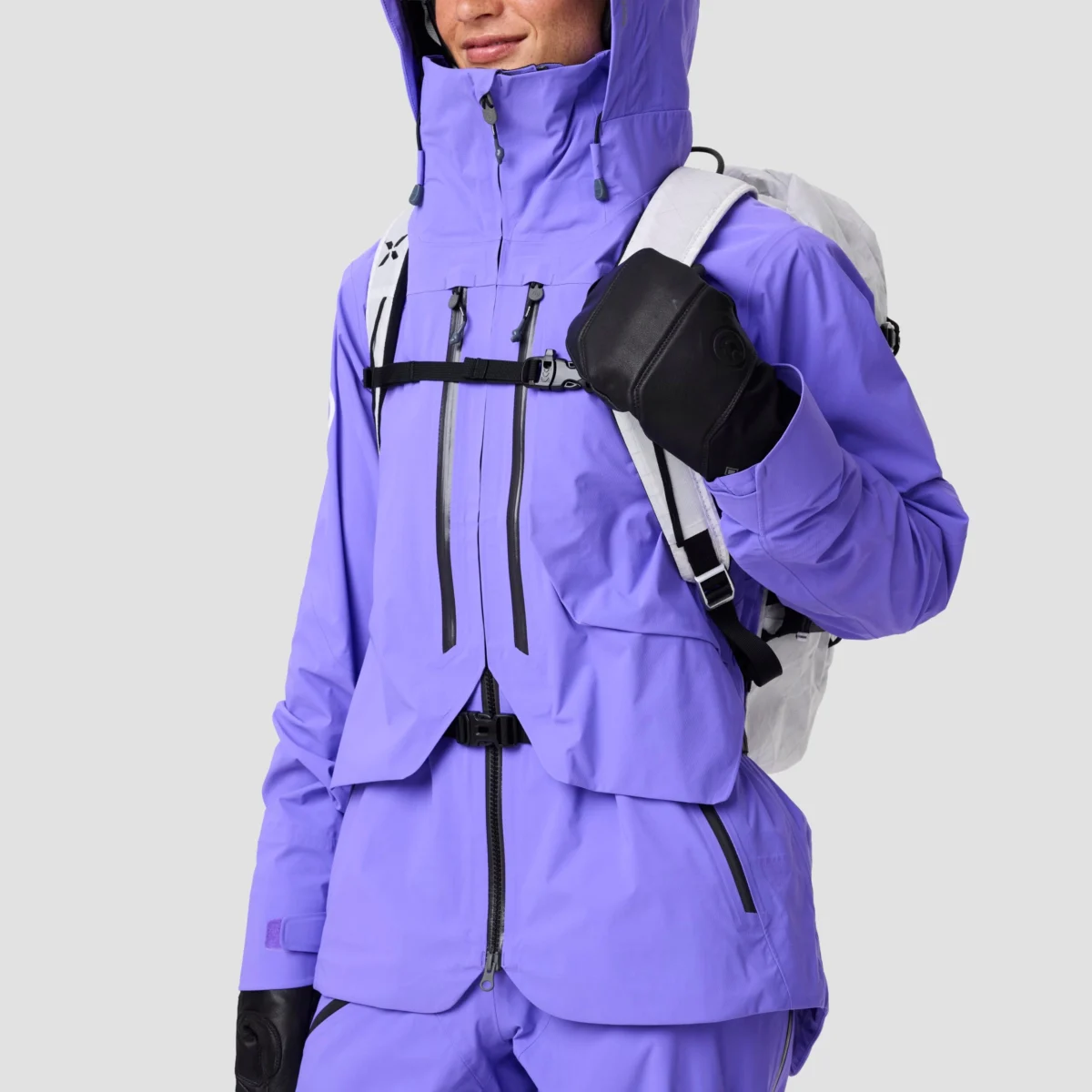
The release of the new Backcountry Cottonwoods Xpore LT G2 Jacket and Bibs marks a significant milestone in the evolution of technical outerwear designed for the modern multi-discipline skier and snowboarder. Engineered to meet the rigorous demands of Utah’s Big and Little Cottonwood Canyons—areas renowned for their high-volume snowfall and challenging terrain—this second-generation (G2) kit represents a synthesis of high-performance waterproofing, mechanical breathability, and sustainable manufacturing. As the outdoor industry moves toward a future defined by both versatile equipment and environmental accountability, the Cottonwoods G2 collection emerges as a flagship example of how brands are navigating the transition away from "forever chemicals" while enhancing user functionality.
The Evolution of the Cottonwoods Series: A Chronological Overview
The development of the Cottonwoods line began as a response to a growing segment of the market: the "hybrid" athlete. For years, outdoor enthusiasts were forced to choose between heavy, durable hardshells designed for lift-access resort skiing and ultralight, highly breathable shells designed for high-exertion backcountry touring. The original Cottonwoods collection, launched several seasons ago, sought to bridge this gap.
In 2024 and 2025, feedback from "Gearhead" experts—Backcountry’s internal team of product testers and customer service professionals—indicated a need for greater mobility and more efficient thermal regulation. While the first generation was praised for its durability, some users found the fabric stiffness and mesh-lined vents to be restrictive during high-output climbs.
The development cycle for the G2 version, which culminated in the November 11, 2026, release, focused on three primary pillars: weight reduction through advanced textile engineering, the removal of per- and polyfluoroalkyl substances (PFAS), and a complete overhaul of the pocket and venting architecture. This chronology reflects a broader industry trend where iterative design is driven by real-world data and a tightening regulatory environment regarding textile chemicals.
Technical Specifications and Material Science: The Xpore Advantage
At the heart of the Cottonwoods G2 kit is Xpore technology, a nanoporous membrane that distinguishes itself from traditional expanded polytetrafluoroethylene (ePTFE) membranes. Xpore is manufactured through a mechanical stretching process that creates billions of nanopores per square inch. These pores are large enough to allow sweat vapor to escape but small enough to prevent liquid water droplets from penetrating the fabric.
Supporting data suggests that the Xpore LT (Lightweight) fabric utilized in this kit offers a high moisture vapor transmission rate (MVTR), often exceeding 20,000g/m²/24h, while maintaining a waterproof rating of at least 20,000mm. Unlike some traditional membranes that require a certain level of internal heat and humidity to begin "breathing," the nanoporous structure of Xpore allows for immediate airflow.
The G2 update introduces a lightweight stretch face fabric. This addition is critical for the backcountry user; the mechanical stretch allows for a more athletic, articulated cut without the "swishing" noise or restrictive feel of traditional 3-layer hardshells. For the resort rider, this translates to increased comfort during long lift rides and more fluid movement when navigating moguls or tight glades.
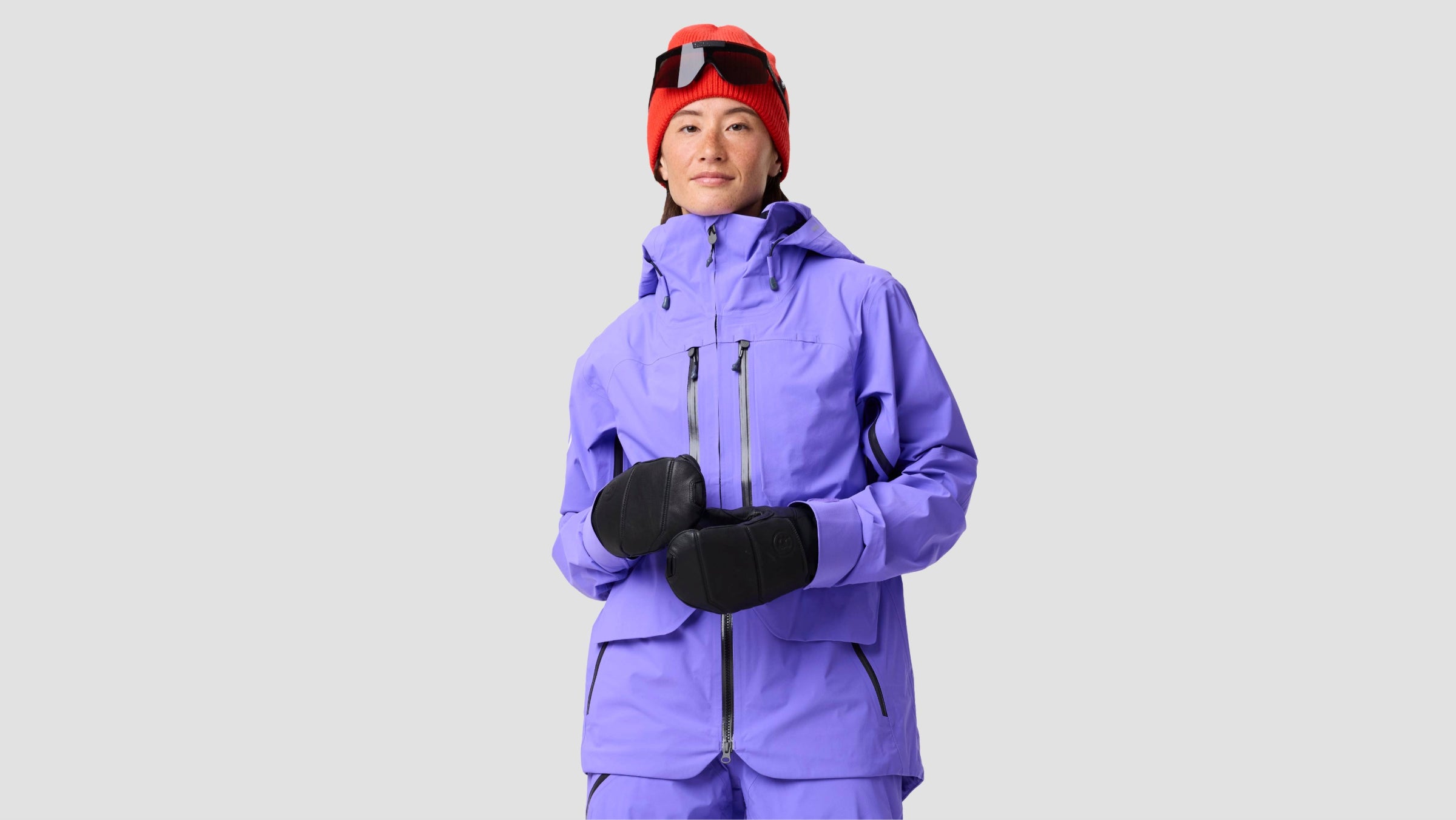
Ergonomic Redesign: Solving the "Pack-to-Pocket" Conflict
One of the most notable improvements in the G2 kit is the redesign of the storage and ventilation systems. In previous iterations, the use of a backpack—essential for backcountry safety gear like shovels and probes—often rendered the jacket’s pockets and vents inaccessible. The hip belt of a technical pack would frequently overlap with hand pockets, while shoulder straps could interfere with chest zippers.
The Cottonwoods Xpore LT G2 Jacket addresses this by shifting the pocket geometry. The oversized chest pockets are positioned high enough to remain accessible while wearing a harness or a pack’s waist belt. Furthermore, these pockets are gusseted to accommodate climbing skins, allowing skiers to keep their skins warm and tacky against their body during transitions—a vital technique for maintaining adhesive performance in sub-zero temperatures.
Ventilation has also seen a significant upgrade. The previous version utilized mesh-backed pit zips, which, while protective, often restricted the volume of air exchange. The G2 model features mesh-free, oversized pit zips that allow for maximum "dumping" of heat during steep ascents. To balance this, a ventilated storm flap was added to the main zipper, allowing the wearer to uncompress the primary seal for airflow while still maintaining a degree of protection against spindrift and wind.
Sustainability and the Elimination of PFAS
The launch of the Cottonwoods G2 kit occurs amidst a transformative period for the outdoor apparel industry. Regulatory bodies in several jurisdictions, including California and New York, have implemented bans on the sale of textiles containing "forever chemicals" or PFAS. These chemicals, traditionally used in Durable Water Repellent (DWR) coatings and waterproof membranes, are known for their environmental persistence and potential health risks.
Backcountry has confirmed that the Cottonwoods Xpore LT G2 kit is produced without "intentionally added PFAS." Achieving this without compromising the "beading" effect of water on the fabric surface required the implementation of a new generation of PFC-free DWR treatments. These treatments are bio-based and designed to provide water and oil repellency while being more biodegradable than their predecessors.
Additionally, the use of Bluesign Approved materials ensures that the entire supply chain—from chemical input to water usage and worker safety—meets the highest global standards for environmental health. The integration of recycled face fabrics further reduces the carbon footprint of the garment, aligning the product with the values of a consumer base increasingly concerned with the ecological impact of their gear.
Regional Inspiration: The Cottonwood Canyons Standard
The naming of the kit after Utah’s Cottonwood Canyons is more than a marketing choice; it is a design philosophy. Big Cottonwood and Little Cottonwood Canyons are unique geographical features that receive an average of over 500 inches of snow annually. The "Greatest Snow on Earth" is often characterized by its low density, but the maritime-influenced storms can also bring heavy, wet snow.
Outerwear tested in this environment must be capable of handling "dry" cold and "wet" precipitation interchangeably. The bibs in the G2 kit have been redesigned with a mid-chest height, specifically to address the deep powder conditions found in places like Alta and Snowbird. This height provides a seal against chest-deep snow while avoiding the overheating issues common with full-length, high-coverage bibs.
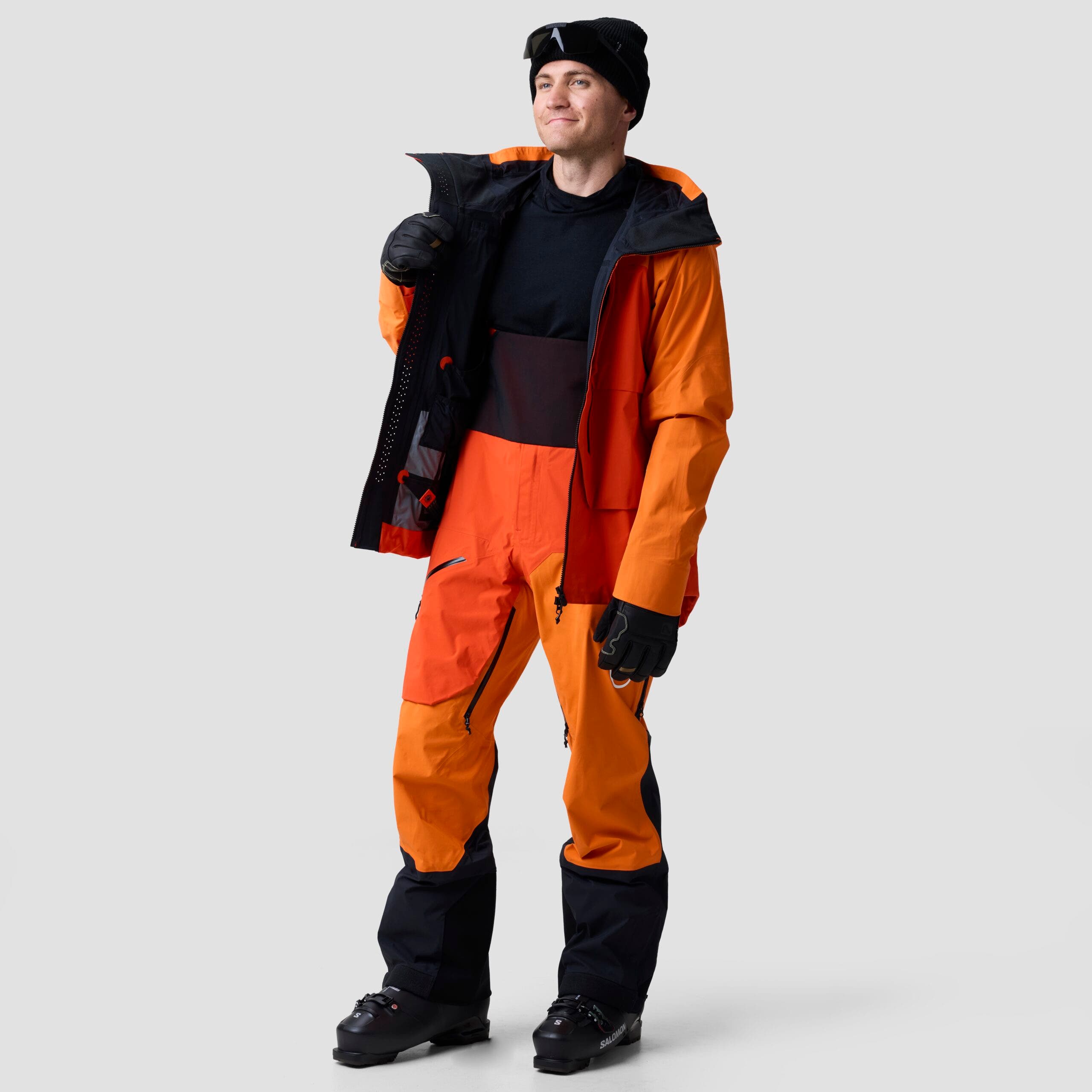
Industry analysts note that by designing for the "worst-case scenario" of a Cottonwood storm, Backcountry has created a kit that is over-engineered for most other mountain environments, providing a margin of safety and comfort for users in the Cascades, the Rockies, and the Northeast.
Official Responses and Market Analysis
While official sales figures are typically proprietary, early market reception from the retail sector suggests a strong demand for versatile "cross-over" gear. Retail analysts point out that the post-pandemic "touring boom" has stabilized into a market where consumers prefer one high-quality kit that performs across all environments rather than owning separate setups for the resort and the backcountry.
"The G2 update is a direct response to the democratization of backcountry skiing," says an industry consultant specializing in outdoor textiles. "We are seeing a move away from the ‘ultralight at all costs’ mentality. Users want the safety and features of a resort shell—like wrist gaiters and a stowable hood—but with the weight and breathability of a technical touring piece. The Cottonwoods kit occupies that sweet spot."
Backcountry’s internal "Gearheads" have echoed this sentiment, noting that the removal of the mesh lining in the vents was the most requested feature change from the previous year. This change reflects a more sophisticated consumer who understands how to manage their layers and prefers the efficiency of direct airflow.
Broader Impact and Implications for the Outdoor Industry
The release of the Cottonwoods Xpore LT G2 kit is indicative of a broader shift in the outdoor industry toward "circularity" and "clean" performance. As more brands adopt Xpore and similar nanoporous membranes, the dominance of traditional ePTFE laminates is being challenged. This competition is driving innovation in breathability and textile weight.
Furthermore, the successful integration of PFAS-free technology in a high-performance shell sets a precedent for the industry. It proves that the technical requirements of professional-grade gear can be met without relying on environmentally harmful chemistry. As the 2026-2027 winter season progresses, the performance of the Cottonwoods G2 kit will likely serve as a benchmark for other brands looking to balance the conflicting demands of durability, breathability, and sustainability.
In conclusion, the Backcountry Cottonwoods Xpore LT G2 Jacket and Bibs represent a refined approach to mountain apparel. By focusing on the specific needs of the hybrid athlete—those who find themselves on a skin track on Saturday and a chairlift on Sunday—Backcountry has produced a kit that addresses the nuances of modern mountain travel. With its emphasis on ergonomic storage, advanced membrane technology, and ethical manufacturing, the G2 series is positioned as a leading choice for those who refuse to compromise on their equipment’s performance or its environmental footprint.
