

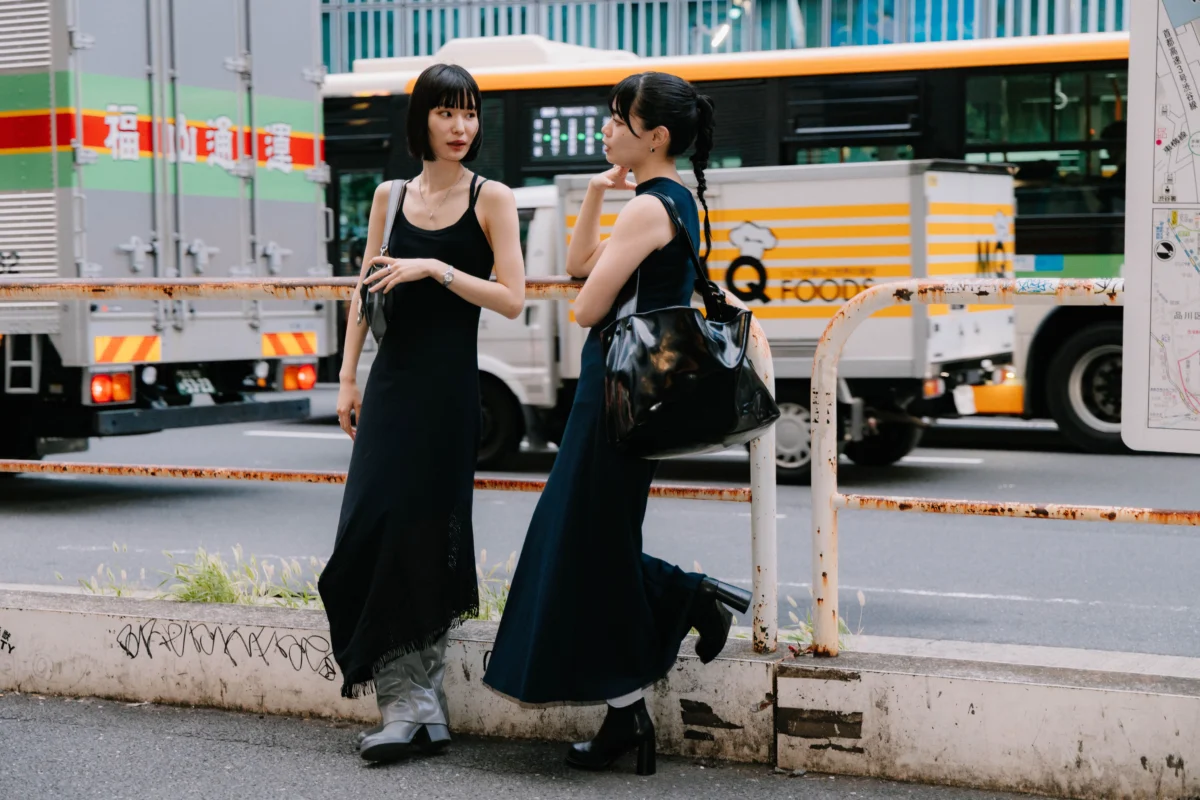
Tokyo’s vibrant street style scene has once again captured global attention, this time with a prevailing trend towards sophisticated monochromatic ensembles and a nostalgic nod to Y2K aesthetics. As fashion enthusiasts descended upon the city for the Spring 2027 collections, photographers documented a distinct sartorial narrative unfolding on the pavements, a testament to Tokyo’s enduring influence on global fashion trends. Photographer Momo Angela, known for her keen eye for capturing the pulse of street fashion, has provided a compelling visual record of these emerging styles, highlighting a preference for head-to-toe black and rich, fall-ready browns, punctuated by playful Y2K-inspired accessories and an unconventional embrace of print.

The Spring 2027 season in Tokyo, typically a showcase for avant-garde and meticulously crafted designs, has been met with a street style consensus that leans towards refined, yet accessible, aesthetics. This year, the dominant color story is one of understated elegance. Black, a perennial favorite for its versatility and timeless appeal, has been adopted in its entirety, appearing in various textures and silhouettes. From sharp tailoring to flowing fabrics, showgoers have demonstrated the depth and nuance achievable within a single hue. Complementing this, earthy browns have emerged as a significant secondary palette, evoking a sense of warmth and grounding that feels particularly resonant as the fashion calendar transitions towards cooler seasons, even amidst the anticipation of spring collections.

Beyond the sophisticated monochrome, a clear influence of early 2000s fashion, often referred to as Y2K, is evident. This resurgence is characterized by specific, recognizable elements: casual yet statement-making beanies, boldly graphic t-shirts that serve as focal points, and the ubiquitous presence of small, often furry, handbags. These accessories inject a youthful exuberance and a sense of playful rebellion into otherwise minimalist outfits. The Y2K revival, which has been steadily gaining traction in global fashion for several seasons, finds a particularly authentic expression in Tokyo, where subcultures and individualistic style often drive trends. The integration of these elements suggests a desire to blend contemporary sophistication with a touch of retro-cool, creating looks that are both current and steeped in a recognizable fashion history.

An intriguing counterpoint to the prevailing monochromatic trend is the unexpected yet inspired use of magazines as fashion accessories. This unconventional approach to personal style, where printed publications are carried and displayed with the same intentionality as designer handbags or statement jewelry, speaks volumes about Tokyo’s creative spirit. It transforms an everyday object into a deliberate fashion statement, adding an element of intellectualism and a nod to the enduring power of print media in an increasingly digital world. This practice, captured by Angela’s lens, underscores a willingness among Tokyo’s fashion elite to experiment with unconventional materials and concepts, pushing the boundaries of what constitutes an accessory.

The Context of Tokyo Fashion Week
Tokyo Fashion Week, officially known as Rakuten Fashion Week TOKYO, is a bi-annual event that showcases the latest offerings from Japanese designers and international brands. Typically held in March for the Autumn/Winter collections and in October for the Spring/Summer collections, the event has cemented its reputation as a vital platform for both established designers and emerging talents. For Spring 2027, the week commenced on [Insert approximate start date of Spring 2027 collections in Tokyo, e.g., October 14, 2026, based on typical scheduling]. Over the course of several days, designers present their collections to a global audience of buyers, press, and industry influencers. The street style that surrounds these shows often serves as a powerful barometer of current trends and the creative energy of the city. This season, the observed trends reflect a global shift towards more considered, personal styling, with Tokyo offering its unique interpretation.

A Chronology of Emerging Trends
While the specific dates of the Spring 2027 collections are in the future, the observed street style trends are likely to have been building momentum throughout previous seasons. The rise of monochromatic dressing has been a consistent feature in high fashion and street style alike, reflecting a desire for polished simplicity. The Y2K revival, too, has been a dominant force, with elements like low-rise silhouettes, vibrant colors, and playful accessories reappearing in various forms. The intentionality of carrying magazines as accessories, however, might represent a newer, more nuanced development, possibly emerging from specific subcultures or influenced by the broader appreciation for tactile and tangible forms of media. Momo Angela’s photographic documentation for this season serves as a critical point in time, capturing these trends as they reach a peak of visual expression on the streets of Tokyo.

Supporting Data and Market Insights
The observed street style trends often mirror broader shifts in the fashion market. The enduring popularity of black and neutral tones aligns with the market demand for versatile, high-quality staples. Brands that focus on monochromatic collections or offer extensive palettes of earth tones often see strong sales, appealing to consumers seeking timeless pieces. Furthermore, the continued strength of the Y2K revival in fashion is reflected in the sales of vintage-inspired clothing and accessories. Market research reports from firms like WGSN and Edited have consistently highlighted the resurgence of early 2000s fashion, noting an increased consumer interest in items such as baguette bags, chunky sneakers, and graphic tees.

The unconventional use of magazines as accessories, while perhaps a more niche trend, speaks to a larger movement towards personalized expression and the valorization of cultural artifacts. In an era dominated by digital content, the physical object of a magazine can represent a statement of intent, a commitment to a certain aesthetic, or a form of intellectual signaling. This trend could also be interpreted as a response to the sustainability movement, where repurposing and recontextualizing existing items is encouraged. While direct market data for "magazine-as-accessory" sales is unavailable, the broader trend of upcycling and unique styling practices indicates a receptive audience for such creative interventions.

Analysis of Implications
The prevalence of monochromatic dressing and Y2K influences in Tokyo street style for Spring 2027 carries several implications for the fashion industry.

For Designers: The street style observations offer valuable insights for designers preparing future collections. The clear demand for both sophisticated monochromatic options and playful Y2K-inspired pieces suggests that designers can cater to these tastes by offering versatile collections that incorporate both elements. For instance, a designer might present sharp, black tailored pieces alongside brightly colored graphic tops and uniquely shaped handbags. The success of these trends also indicates a market receptive to well-executed accessories that can elevate simpler outfits.

For Retailers: Retailers can leverage these trends by strategically stocking their stores. A strong emphasis on black and brown staples, alongside a curated selection of Y2K-inspired items, would likely resonate with consumers. The rise of magazines as accessories might also encourage collaborations between fashion publications and brands, or the development of unique, magazine-like embellishments for bags and clothing. Furthermore, retailers can tap into the growing interest in personalized styling by offering a wider array of individualistic accessories that allow consumers to express themselves.

For Consumers: The trends observed provide consumers with clear direction for updating their wardrobes. The monochromatic trend encourages investment in high-quality basics and thoughtful layering. The Y2K influence offers an opportunity to experiment with nostalgic pieces and inject a sense of fun into their outfits. The magazine-as-accessory trend, while more unconventional, invites creativity and a willingness to challenge traditional notions of accessorizing. It encourages consumers to view their belongings in new ways and to find style in unexpected places.

Broader Impact and Future Outlook
Tokyo’s street style has long been a bellwether for global fashion trends, influencing designers, retailers, and consumers worldwide. The current lean towards monochromatic palettes and Y2K nostalgia, as captured by Momo Angela, is not merely a fleeting aesthetic choice but a reflection of deeper cultural currents. The emphasis on monochromatic dressing can be seen as a desire for a sense of order and sophistication in a complex world, while the Y2K revival speaks to a yearning for a simpler, more optimistic past, or perhaps a playful rebellion against the perceived pressures of contemporary society.

The innovative use of magazines as accessories, in particular, suggests a growing appreciation for tactile experiences and the cultural significance of physical media. As digital saturation continues, the tangible object gains new value, not just as a functional item but as a statement of identity and a conversation starter. This could pave the way for further integration of everyday objects into fashion narratives, pushing the boundaries of what is considered stylish and unique.

The Spring 2027 collections in Tokyo, as interpreted through the lens of street style, offer a compelling narrative of balanced aesthetics: the timeless elegance of monochrome, the playful resurgence of Y2K, and the creative reinterpretation of everyday objects. These trends, expertly documented and analyzed, underscore Tokyo’s position as a dynamic and influential force in the global fashion landscape, consistently setting the stage for what’s next. The city’s ability to blend historical influences with forward-thinking creativity ensures that its street style will continue to be a rich source of inspiration for seasons to come.
