

The release of the SKI Magazine 2027 Reader Resort Survey has highlighted a significant shift in the priorities of the North American skiing community, placing a renewed premium on "local flavor" and authentic mountain culture. As the ski industry continues to navigate a landscape defined by corporate consolidation and the proliferation of multi-resort passes, the 2027 rankings identify the top 10 destinations in the Western United States and Canada where the unique character of the base village, the history of the terrain, and the hospitality of the local population outweigh the standardized amenities of modern mega-resorts. This year’s results suggest that for many travelers, the "soul" of a mountain—defined by its community roots and quirky atmosphere—is as critical a factor in trip planning as the quality of the snow or the speed of the lift infrastructure.
The Evolution of Authenticity in the Ski Industry
The concept of "local flavor" in the context of the 2027 survey encompasses more than just aesthetic charm. It reflects a resort’s ability to maintain a distinct identity amidst the rising tide of "homogenized" ski experiences. For decades, the industry has trended toward a model where base areas often feature the same retail chains and high-end dining options. However, the 2027 data indicates a counter-movement. Readers participating in the survey emphasized that the most memorable experiences often occur at resorts that have resisted over-commercialization or have successfully integrated corporate investment with local traditions.
The methodology behind the 2027 rankings involved thousands of independent responses from active skiers who rated resorts across various categories, including terrain variety, guest service, value, and the intangible "flavor" of the location. The results provide a roadmap for the current state of the industry, where independent operators and legacy mountains are finding new ways to compete with the sheer scale of global conglomerates by leaning into their heritage.
Canadian Dominance: Banff Sunshine and Lake Louise
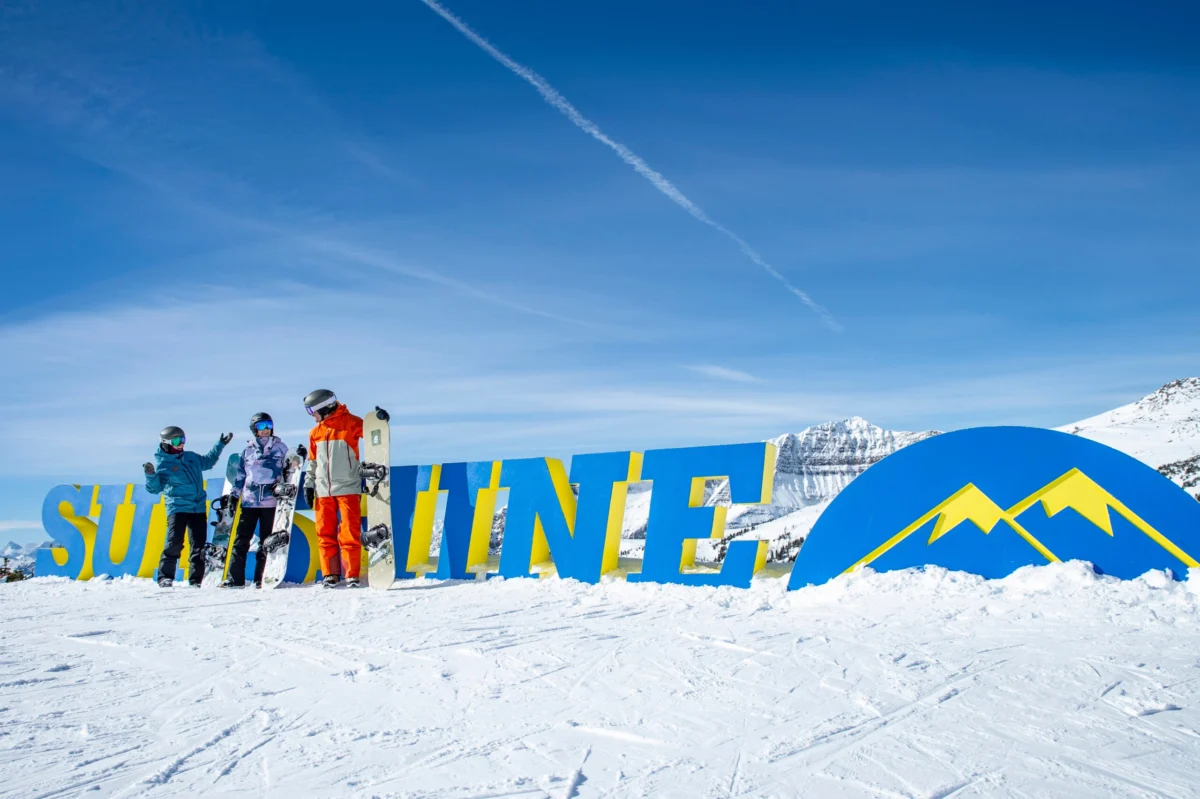
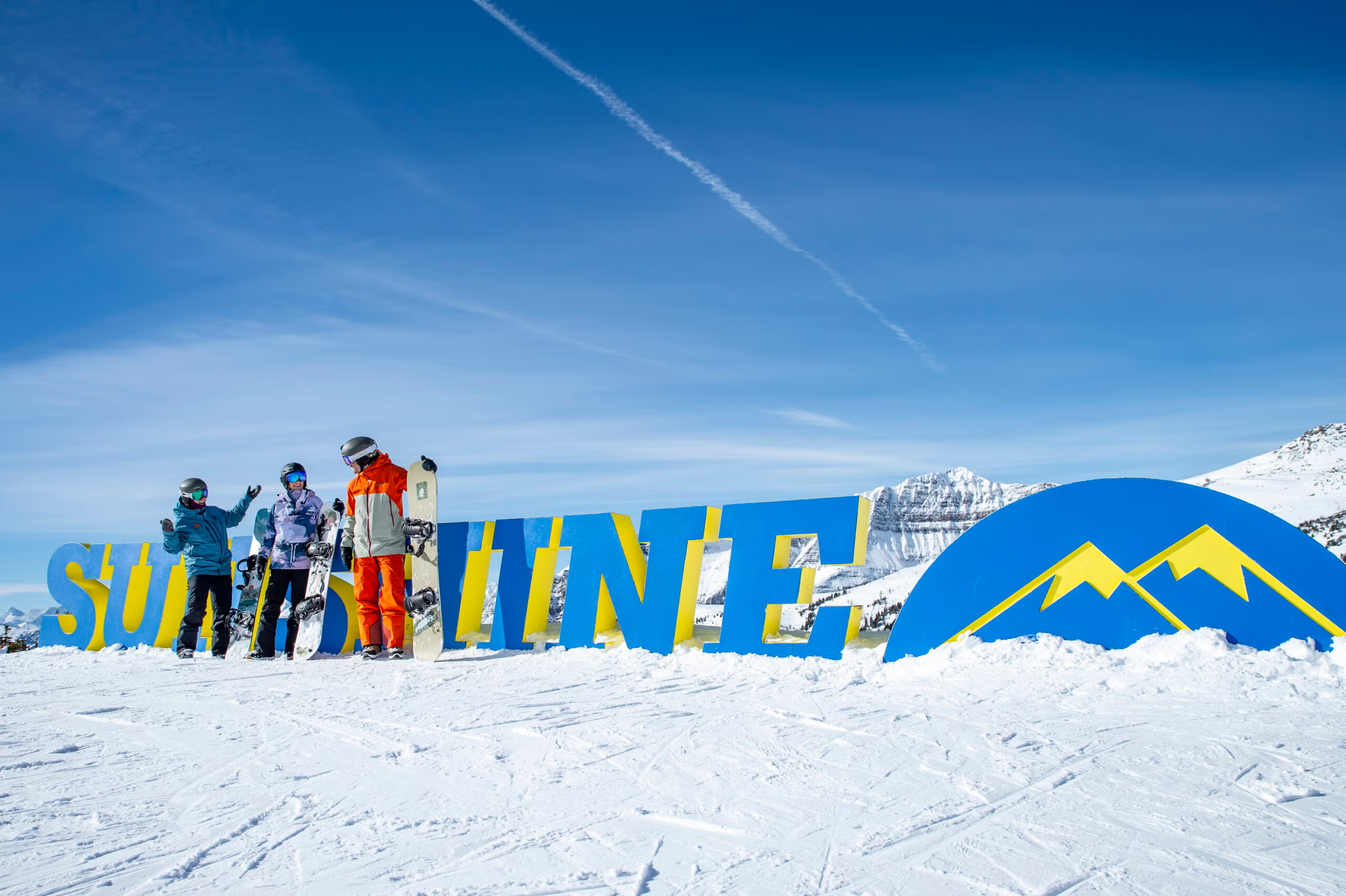
Leading the 2027 rankings is Banff Sunshine in Alberta, Canada, which secured the top spot with a score of 9.20. Situated within the boundaries of Banff National Park, the resort’s identity is inextricably linked to its status as a protected wilderness area. Survey respondents frequently cited the "youthful vibe" and the unique layout of the resort as primary drivers for its high score. Despite weaknesses in nightlife and lodging—largely due to strict environmental regulations limiting development—Banff Sunshine has capitalized on its community-driven atmosphere. The resort’s "Goat’s Eye" area, featuring outdoor DJs and firepits, was highlighted as a cornerstone of its local appeal.
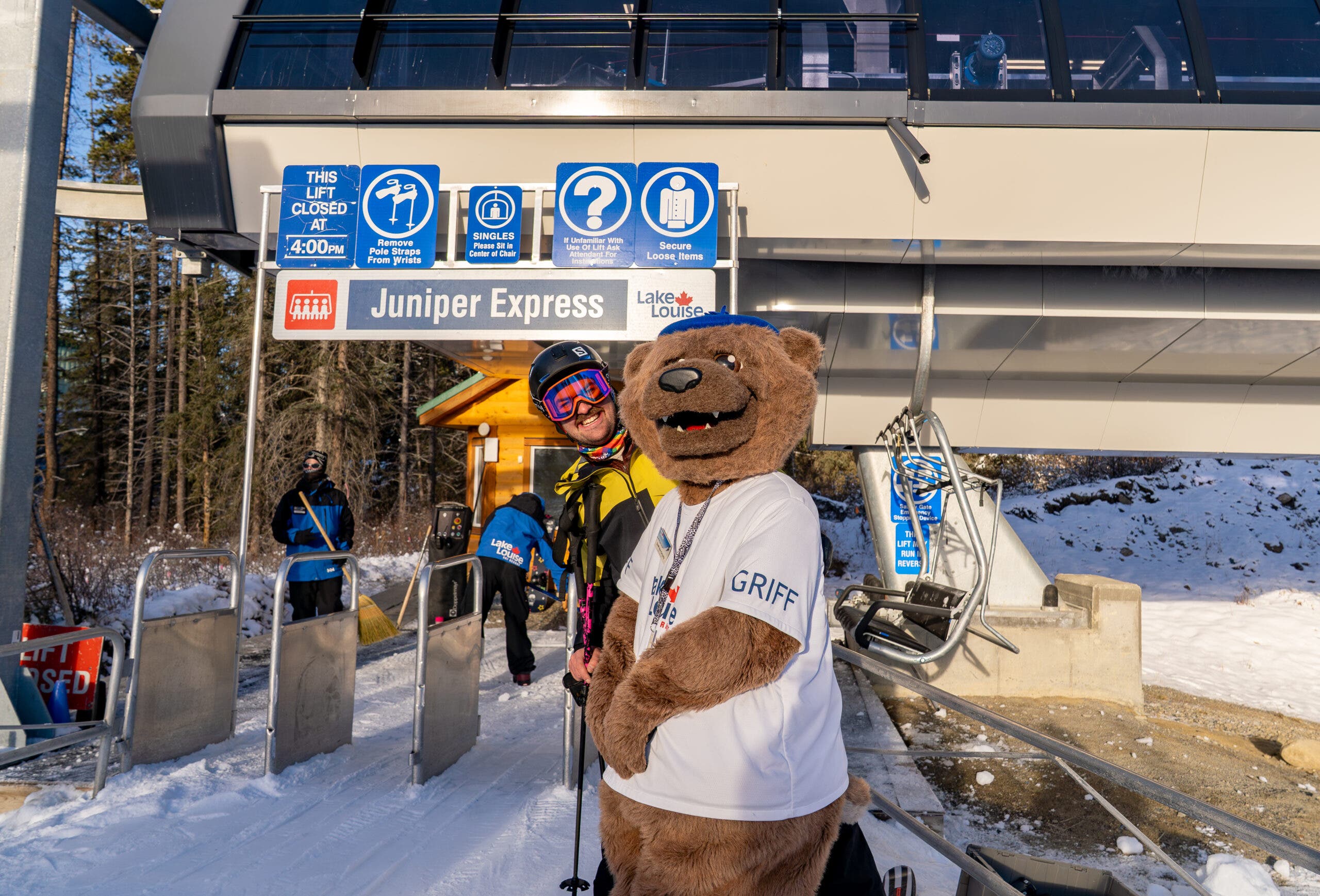
Its neighbor, Lake Louise Ski Resort, also secured a position in the top 10, ranking at No. 8 with a score of 8.50. Lake Louise is often lauded for its scenic grandeur, but the 2027 survey results focused heavily on the "niceness" of the staff and the positive atmosphere provided by the local Canadian population. The success of these Alberta resorts suggests that the Canadian Rockies remain a stronghold for traditional ski culture, where the focus remains on the natural environment and communal enjoyment rather than luxury-oriented developments.
The Resilience of Independent and Historical Resorts
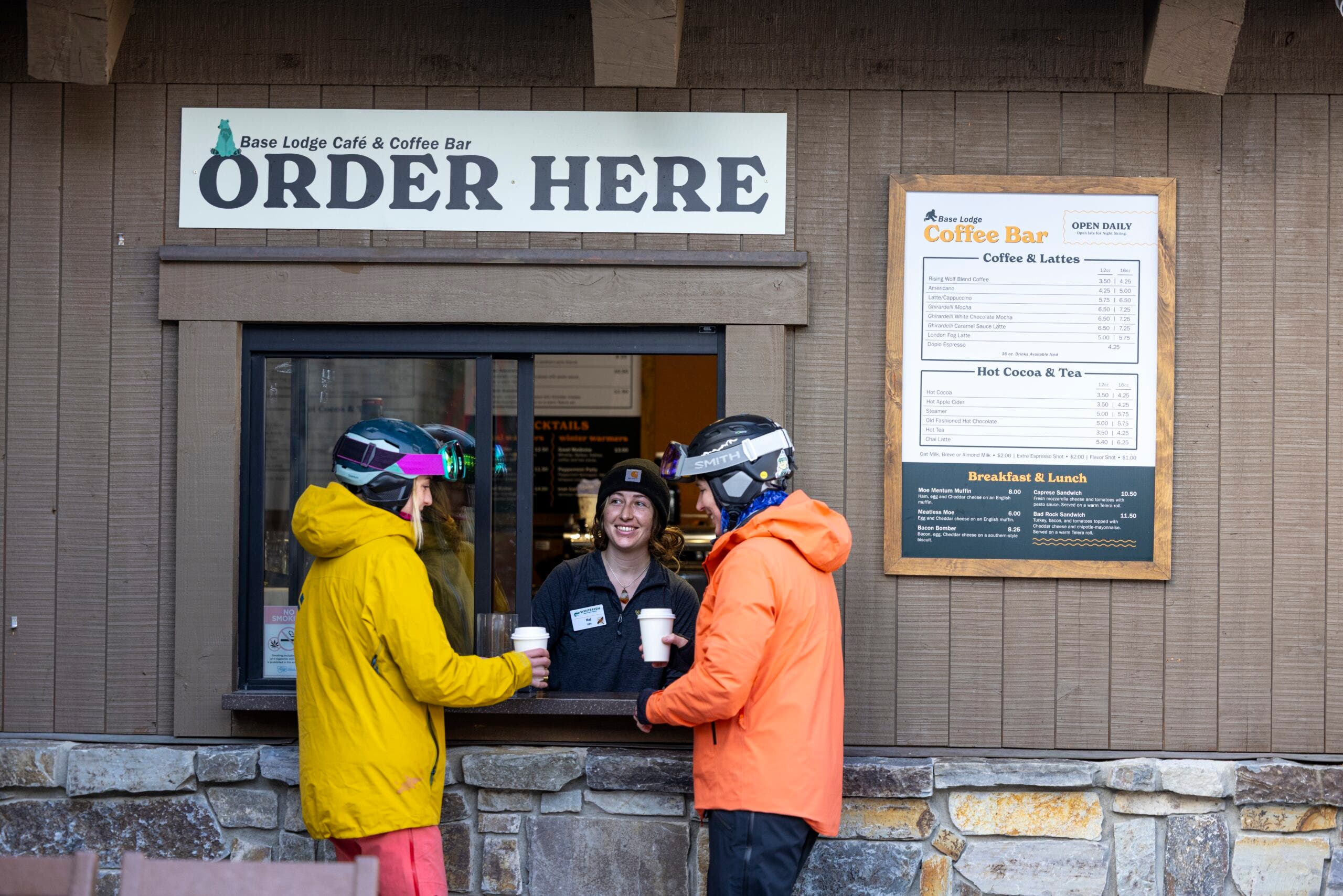
The 2027 list features several resorts that have maintained their "flavor" by remaining independently owned or by fostering a culture that predates modern resort management styles. Whitefish Mountain Resort in Montana (No. 4, score 8.68) and Grand Targhee in Wyoming (No. 6, score 8.67) are primary examples. Whitefish is frequently described by readers as "old school" and "not frou-frou," a direct nod to its rejection of the ultra-luxury trends seen in other mountain towns.
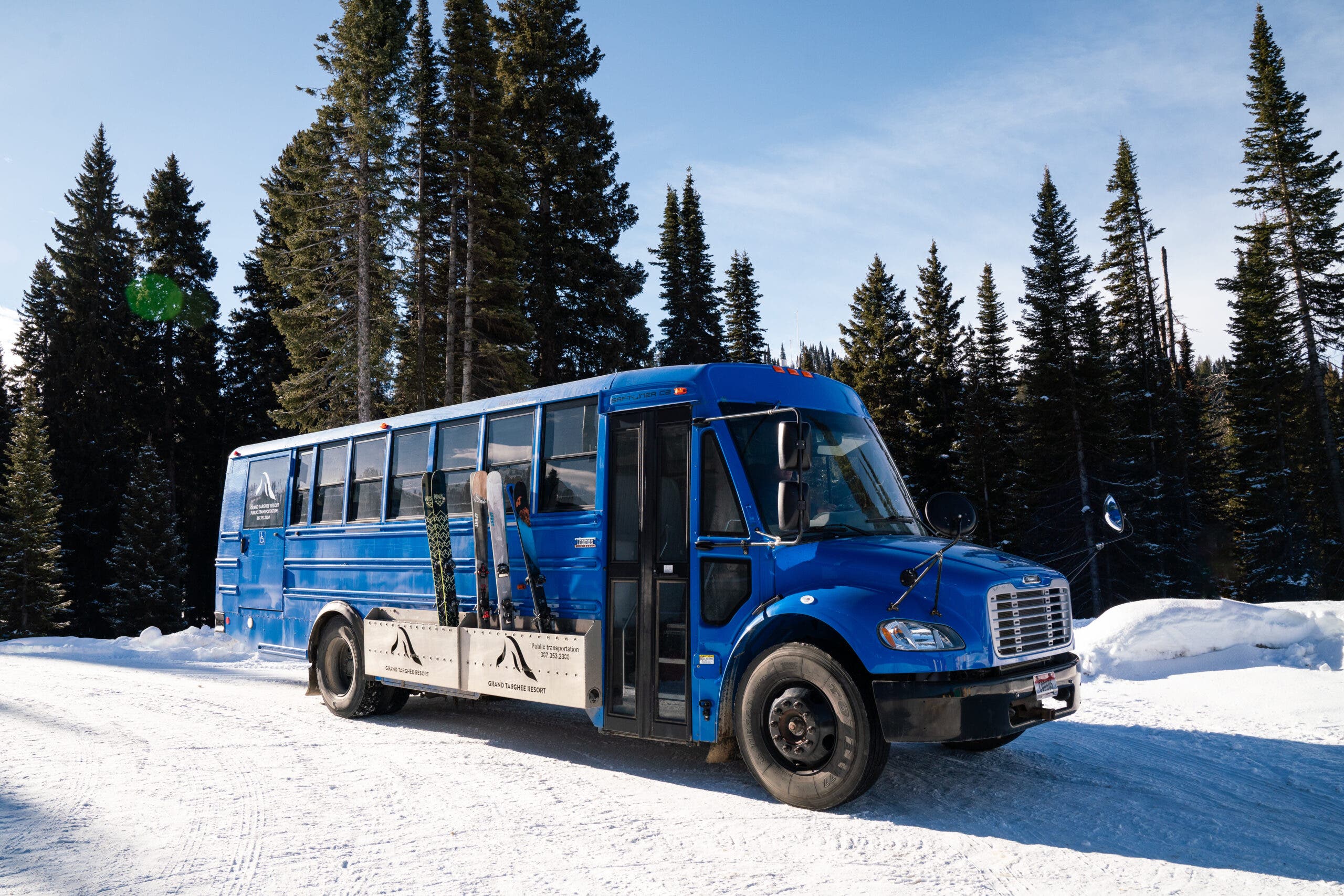
Grand Targhee, located on the western side of the Tetons, offers a stark contrast to the more commercialized Jackson Hole. Readers noted that Targhee feels like a "treasure" that takes visitors back 25 years in time. This "time capsule" effect is a significant asset in the 2027 market, as skiers increasingly seek out locations that offer a reprieve from the fast-paced, high-tech nature of modern urban life.
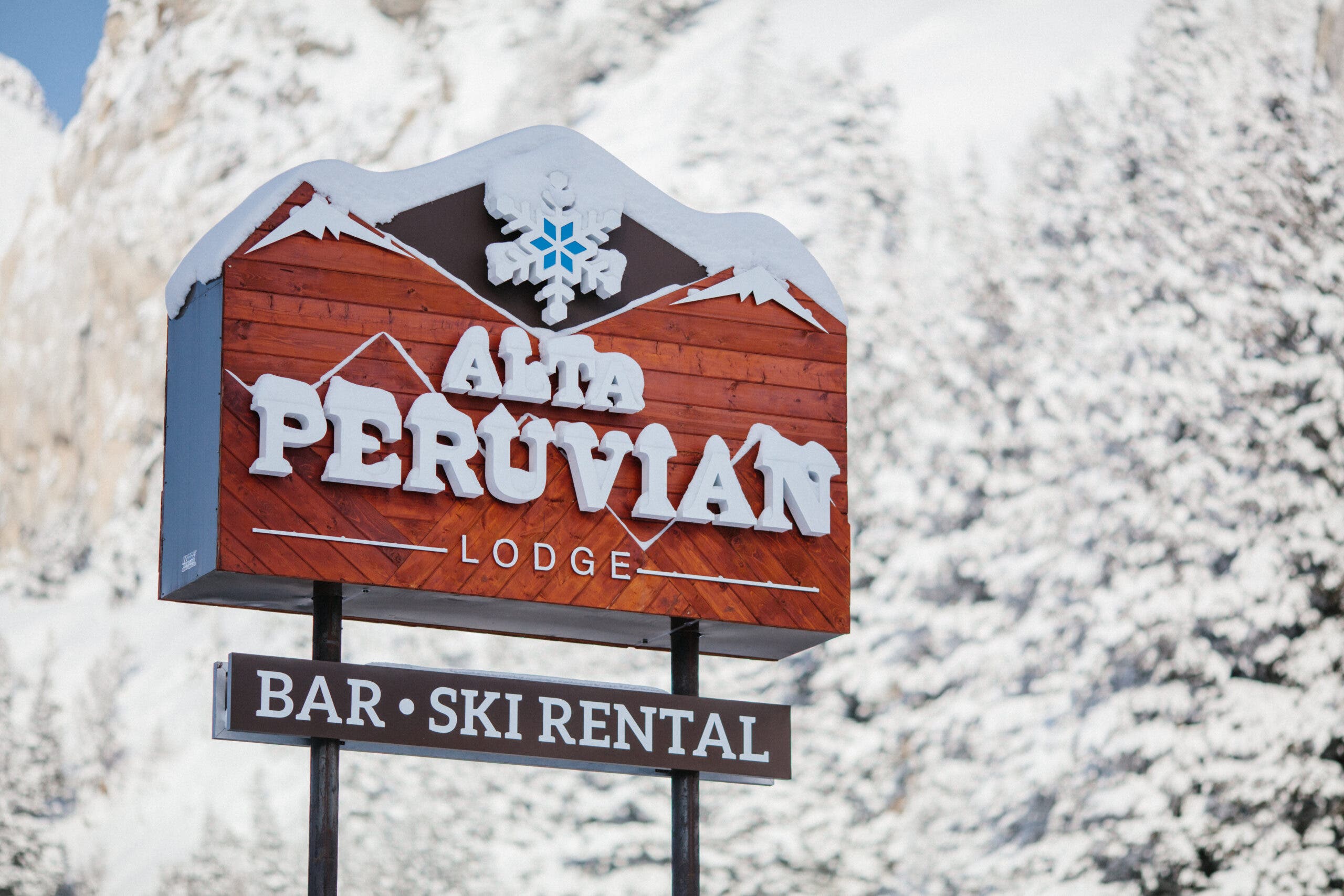
In Utah, Alta Ski Area (No. 9, score 8.24) continues to represent the "good ‘ol days" of skiing. As one of the few remaining resorts in the United States to prohibit snowboarding, Alta’s identity is rooted in a specific, traditionalist vision of the sport. While this policy is often a point of contention, it contributes to a cohesive "local flavor" that its loyal base of skiers finds irreplaceable.
Balancing Growth and Soul: The Case of Sun Valley and Steamboat
For larger, more established resorts like Sun Valley, Idaho (No. 2, score 8.90) and Steamboat Resort, Colorado (No. 7, score 8.62), the challenge lies in maintaining authenticity while managing high volumes of guests and significant infrastructure. Sun Valley, the site of the world’s first chairlift, has successfully leveraged its history to create an "unmatched ambiance." Despite scoring lower in categories like value, its reputation for being "classy yet authentic" remains its strongest draw.
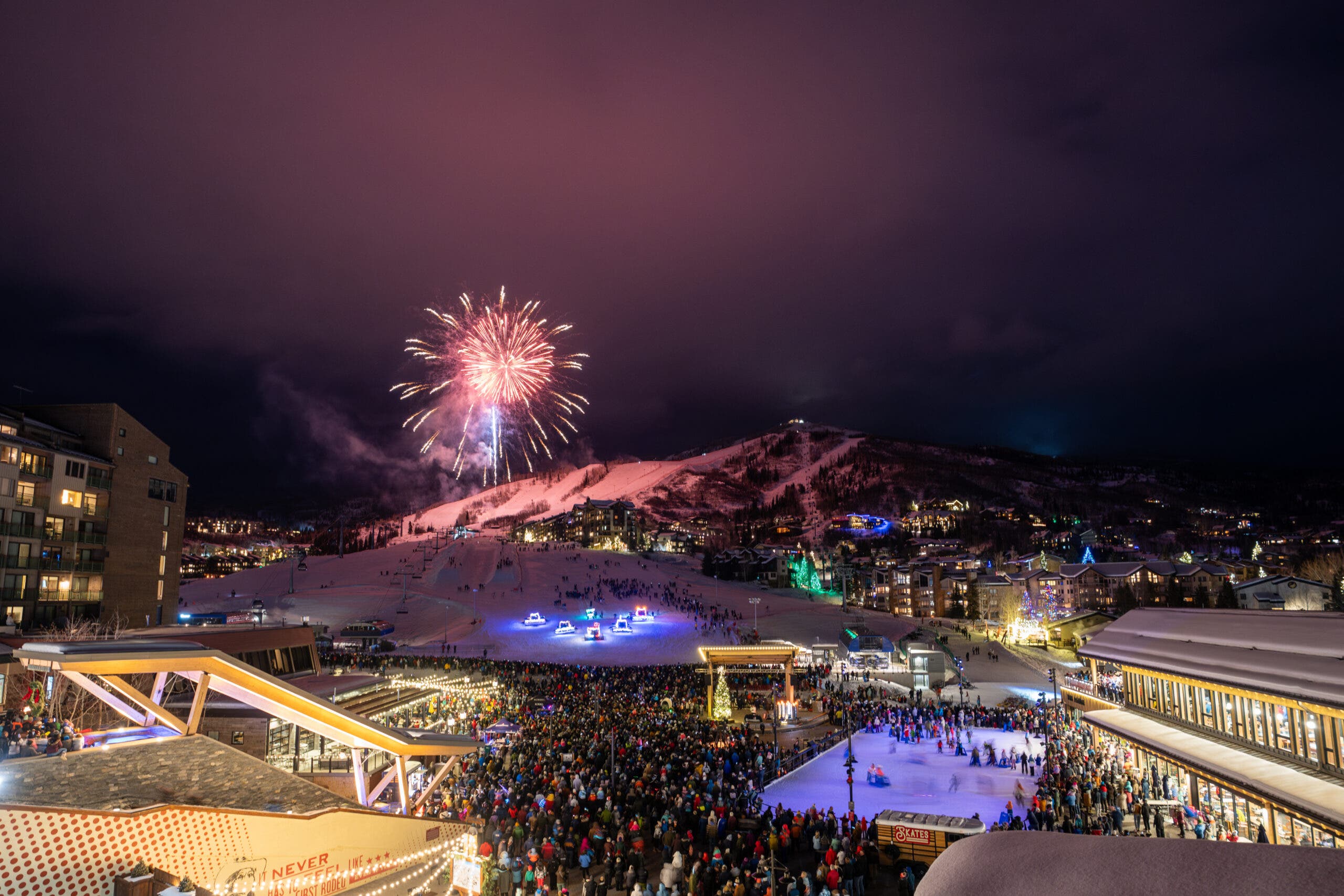
Steamboat, known for its "Western heritage," has managed to keep its local flavor intact despite massive recent investments in lift technology and base-area renovations. The town of Steamboat Springs remains a working ranching community, a fact that anchors the resort’s identity. The 2027 survey suggests that Steamboat’s ability to move guests quickly through lift lines while maintaining a friendly, town-first atmosphere is a model for other large-scale resorts.
The "Soulful" Front Range: Arapahoe Basin
Arapahoe Basin in Colorado (No. 3, score 8.69) occupies a unique position in the 2027 rankings. Known as "The Legend," A-Basin has long been the standard-bearer for "soulful" skiing in Colorado’s Front Range. The resort’s identity is built on high-alpine terrain and a culture that celebrates the "tailgate" atmosphere of its parking lot, known as "The Beach." In an industry often criticized for being exclusionary, A-Basin’s community of high-skill, dedicated skiers provides a sense of belonging that readers cited as a top reason for its ranking. The resort’s recent acquisition by Alterra Mountain Company has been a topic of industry speculation, but the 2027 survey indicates that, thus far, its authentic spirit remains uncompromised.
Regional Analysis: Utah and British Columbia
Utah’s Snowbasin Resort (No. 5, score 8.70) is another example of a resort that has carved out a niche for its "local flavor" by focusing on the guest experience. While often seen as an alternative to the crowded canyons of Little and Big Cottonwood, Snowbasin’s combination of "fancy bathrooms" and varied terrain has created a "ritzy yet accessible" vibe.
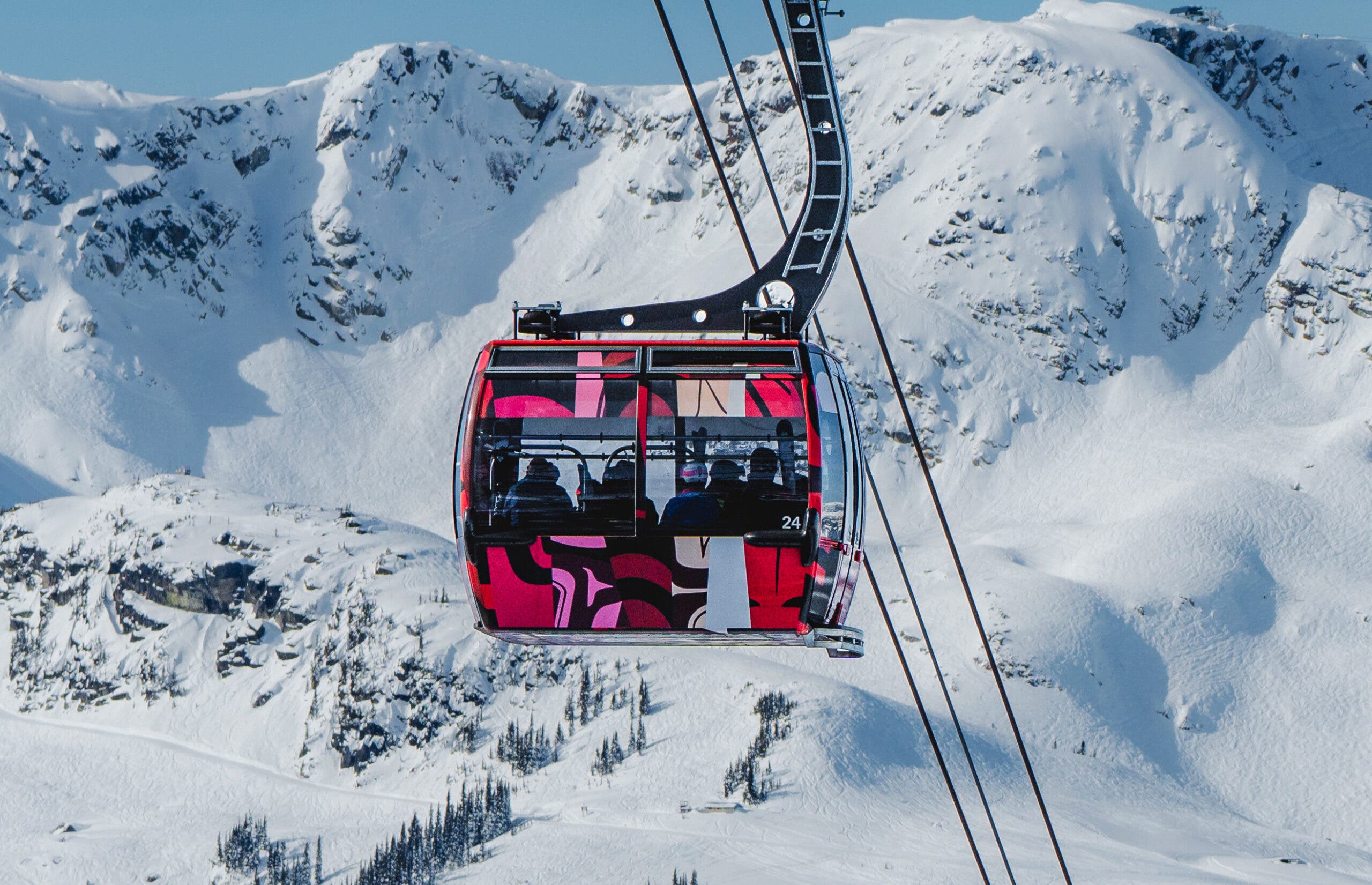
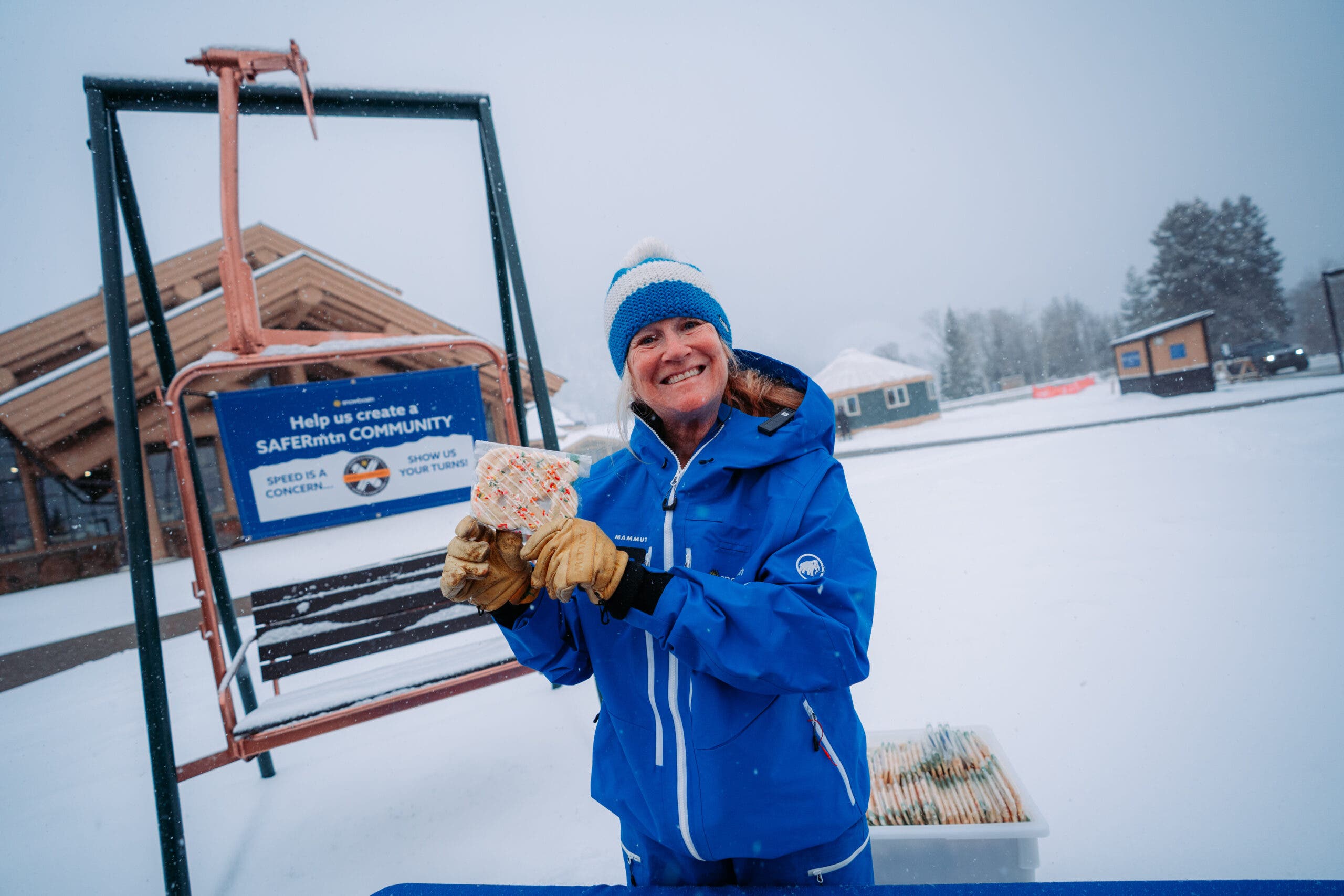
Meanwhile, Whistler Blackcomb in British Columbia (No. 10, score 8.21) remains the only mega-resort on the list. Despite its massive scale and corporate ownership by Vail Resorts, it managed to break into the top 10 for local flavor by focusing on community-centric improvements. During a challenging weather season, the resort’s efforts to provide hot chocolate in lines, host affordable community events, and improve on-mountain music experiences were noted by readers as significant steps toward regaining a "human touch."
Supporting Data and Economic Implications
The 2027 survey results correlate with broader economic trends in the travel sector. According to recent tourism data, "experiential travel"—where the goal is to engage with a destination’s culture and people—has seen a 20% year-over-year increase in the ski industry. Resorts that score high in "local flavor" often see higher rates of return visitors, even if their "snow" or "grooming" scores are lower than their competitors.
For example, while Whistler Blackcomb and Alta both received lower scores for grooming in 2027, their high marks in character and atmosphere suggest that guests are willing to overlook technical deficiencies in favor of a unique environment. This has significant implications for resort marketing and development; investing in "community" and "vibe" may yield a higher return on investment than simply adding more high-speed lifts.
Conclusion and Future Outlook
The SKI Magazine 2027 Reader Resort Survey serves as a reminder that the ski industry is as much about people and place as it is about sport. The resorts that lead the "local flavor" category—from the independent peaks of Montana to the historic slopes of Idaho and the vast terrain of Alberta—demonstrate that authenticity is a powerful currency.
As the 2027-2028 season approaches, the industry is likely to see a continued emphasis on these "soulful" experiences. Smaller, independent resorts may find themselves in a stronger position to compete for domestic travelers, while larger corporations may look to the success of places like Steamboat and Sun Valley as blueprints for integrating modern efficiency with local charm. Ultimately, the 2027 rankings suggest that in the world of skiing, the most valuable asset a resort can possess is a personality all its own.
