

As the 2026-2027 North American ski season enters its peak period, the economic landscape of winter recreation has become a primary concern for enthusiasts and industry analysts alike. With single-day lift tickets at premier destination resorts frequently exceeding the $300 threshold, the concept of "value" has shifted from a secondary consideration to a critical metric for consumer decision-making. SKI Magazine’s annual comprehensive survey of thousands of active skiers and snowboarders has identified the top 10 resorts in Western North America where the intersection of cost, experience, and infrastructure provides the highest return on investment. The 2027 rankings highlight a growing trend: while the industry faces inflationary pressures, a specific cohort of resorts—ranging from independent Idaho peaks to established Utah powder havens—is successfully balancing high-end amenities with fiscal accessibility.
The Economic Context of the 2026-2027 Ski Season
The current winter season follows a three-year period of significant consolidation within the ski industry. Major players such as Vail Resorts and Alterra Mountain Company have expanded their portfolios, leading to a surge in multi-resort pass sales. However, this consolidation has also created a vacuum for "value-conscious" travelers who seek the quality of a world-class mountain without the premium pricing often associated with "trophy" resorts like Aspen or Vail.
Industry data suggests that while season pass sales remain robust, the "incidental" costs of skiing—including slope-side dining, equipment rentals, and parking—have risen by an average of 12% year-over-year. In this climate, the resorts appearing on the 2027 Value list are those that have either maintained traditional pricing structures or have invested in guest services that justify their costs through superior efficiency, such as reduced lift lines and high-quality grooming.
Analysis of the Top 10 Value Rankings
1. Tamarack Resort, Idaho
Earning the top spot with a score of 9.07, Tamarack Resort represents a significant success story in the Pacific Northwest. After overcoming historical financial hurdles, the resort has emerged as a leader in "attainable luxury." Survey respondents consistently cited the resort’s "best-in-class" value, noting that the quality of snow and grooming often rivals that of more expensive competitors in the Sun Valley or Jackson Hole corridors. Tamarack’s commitment to a family-friendly environment, combined with a modern village infrastructure, has positioned it as the premier value destination for 2027.
2. Whitefish Mountain Resort, Montana
Whitefish Mountain Resort, scoring 8.76, continues to hold its reputation as an "anti-resort" resort. Located in Northwest Montana, Whitefish is lauded for its "local flavor" and refusal to adopt the aggressive pricing models seen in the Rockies. Despite its size—offering over 3,000 acres of skiable terrain—it remains one of the few large-scale mountains where short lift lines are the norm rather than the exception. Analysts point to Whitefish’s consistent investment in its lift infrastructure as a key driver of its value score, ensuring that guests spend more time skiing than waiting.
3. Grand Targhee, Wyoming
Located on the western slope of the Tetons, Grand Targhee (8.31) has long been the quieter, more affordable alternative to its neighbor, Jackson Hole. The resort’s value proposition is rooted in its snow quality and parking accessibility. In an era where many resorts have moved to paid reservation systems for parking, Targhee’s commitment to accessible arrivals has resonated with the "road-tripper" demographic. The recent addition of the Colter Lift has expanded its terrain capacity without a corresponding spike in daily access fees, a move praised by long-term pass holders.
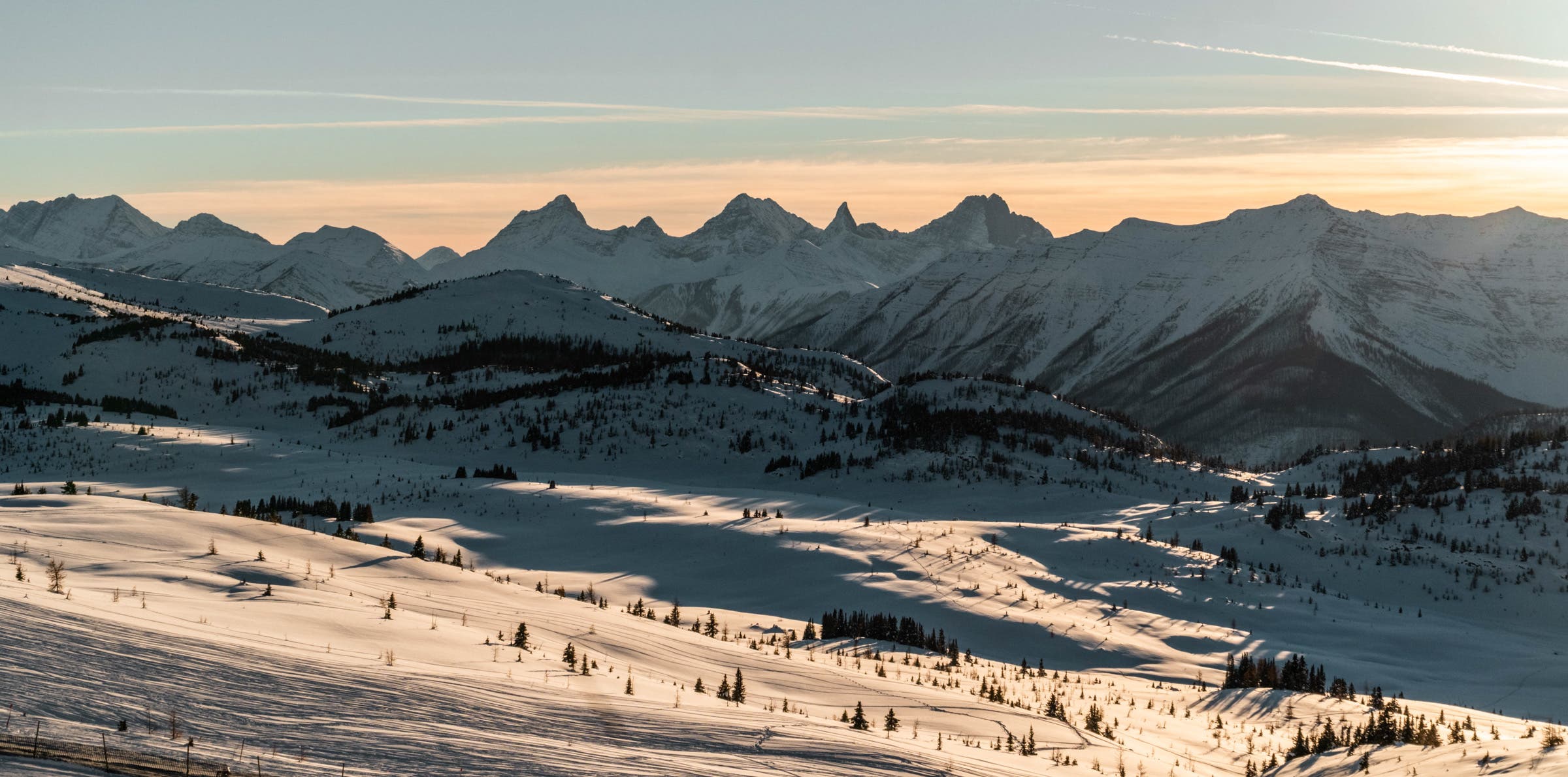
4. Banff Sunshine, Alberta
The first of two Canadian entries, Banff Sunshine (8.30) benefits from a favorable exchange rate for American travelers and a unique high-alpine environment that ensures a long, reliable season. Readers highlighted the diversity of the terrain and the high quality of the ski school. As international travel costs fluctuate, the "all-in-one" nature of the Banff Sunshine experience—where a single pass provides access to some of the most scenic terrain in the Canadian Rockies—remains a powerful draw for families.
5. Lake Louise Ski Resort, Alberta
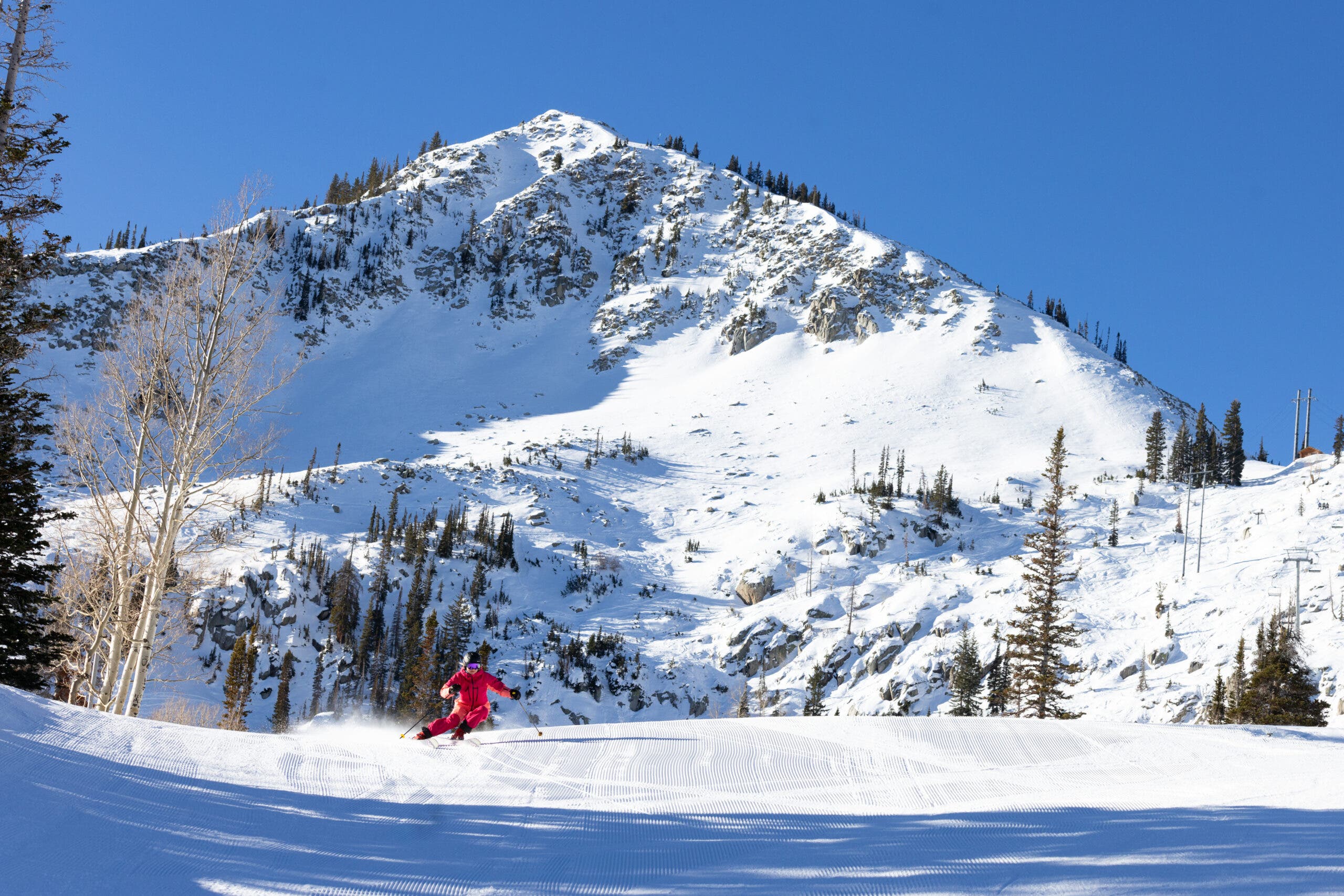
Following closely behind its neighbor, Lake Louise (8.22) is recognized for its logistical efficiency. The resort’s free shuttle system and "cubby" storage solutions are cited as small but significant factors that reduce the overall stress and cost of a ski day. Furthermore, the resort’s "mountain guide" program provides free orientation to guests, a service that many other resorts have transitioned into paid "private tours."
6. Snowbasin Resort, Utah
Snowbasin (8.21) is often described as a "luxury experience at a mid-tier price." Built to host the 2002 Olympic downhill events, the resort features high-speed gondolas and opulent lodges that would typically command premium prices. However, Snowbasin has maintained a value-first approach, offering free parking and a varied terrain map that caters to both experts and beginners. Its proximity to Salt Lake City, without the congestion of the Cottonwood Canyons, adds to its logistical value.
7. Arapahoe Basin, Colorado
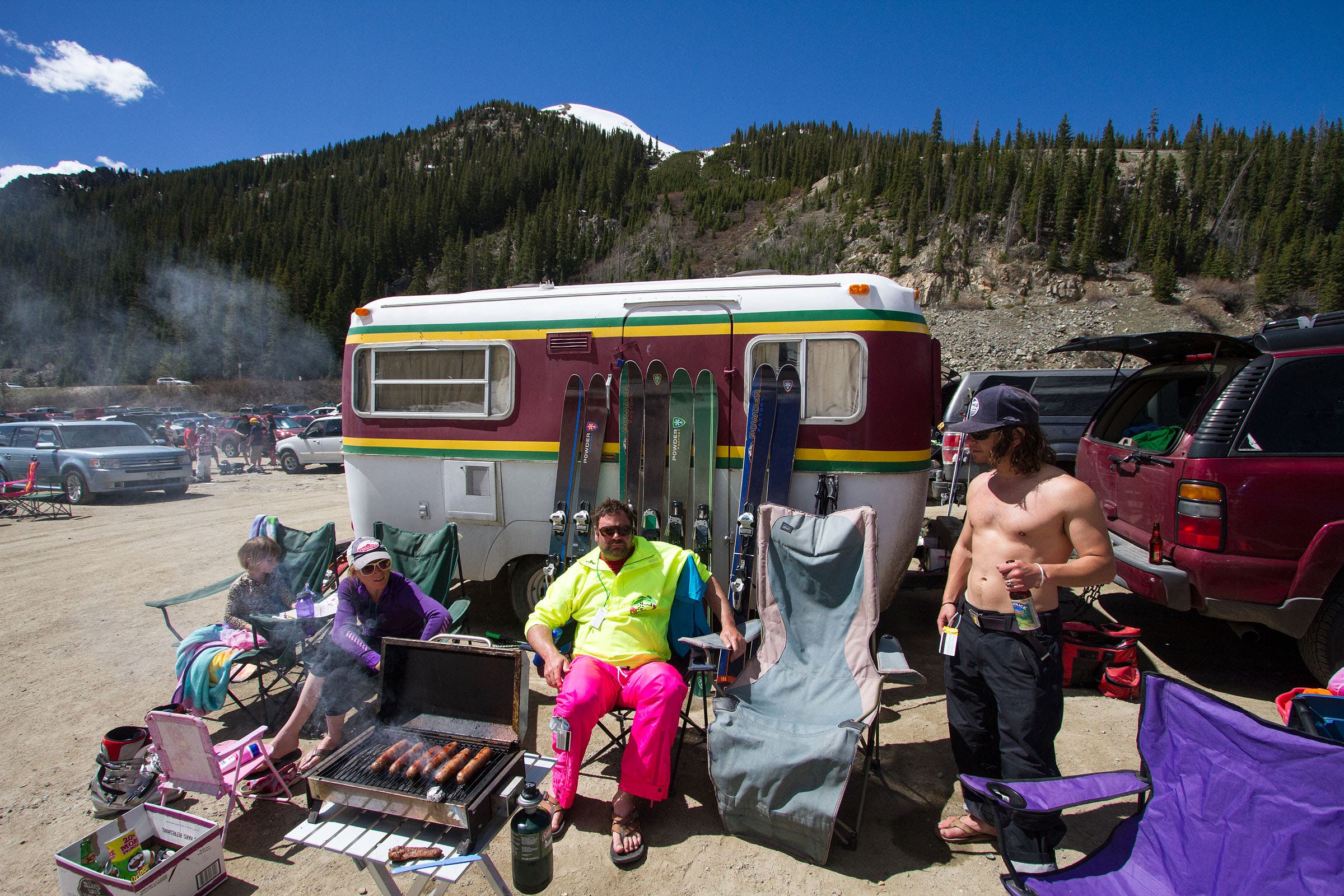
Arapahoe Basin (8.07) remains the "soul" of Colorado skiing. Known affectionately as "The Legend," its value is derived from its "skier-first" philosophy. Even following its acquisition by Alterra Mountain Company, the resort has maintained its "old-school" vibe. The value here is found in the challenge of the terrain and the "Beach" culture, where guests tailgating in the parking lot replace expensive slope-side dining.
8. Brighton Resort, Utah
Brighton (7.92) is the quintessential "local’s mountain" in Utah’s Big Cottonwood Canyon. It is particularly valued by the snowboarding community and young families. Its "Spring Pass" and night skiing options provide some of the lowest "cost-per-hour" skiing in the state. While it lacks the high-end dining of its neighbors, its "no-nonsense" approach to mountain operations is exactly what its core demographic seeks.
9. Alta Ski Area, Utah
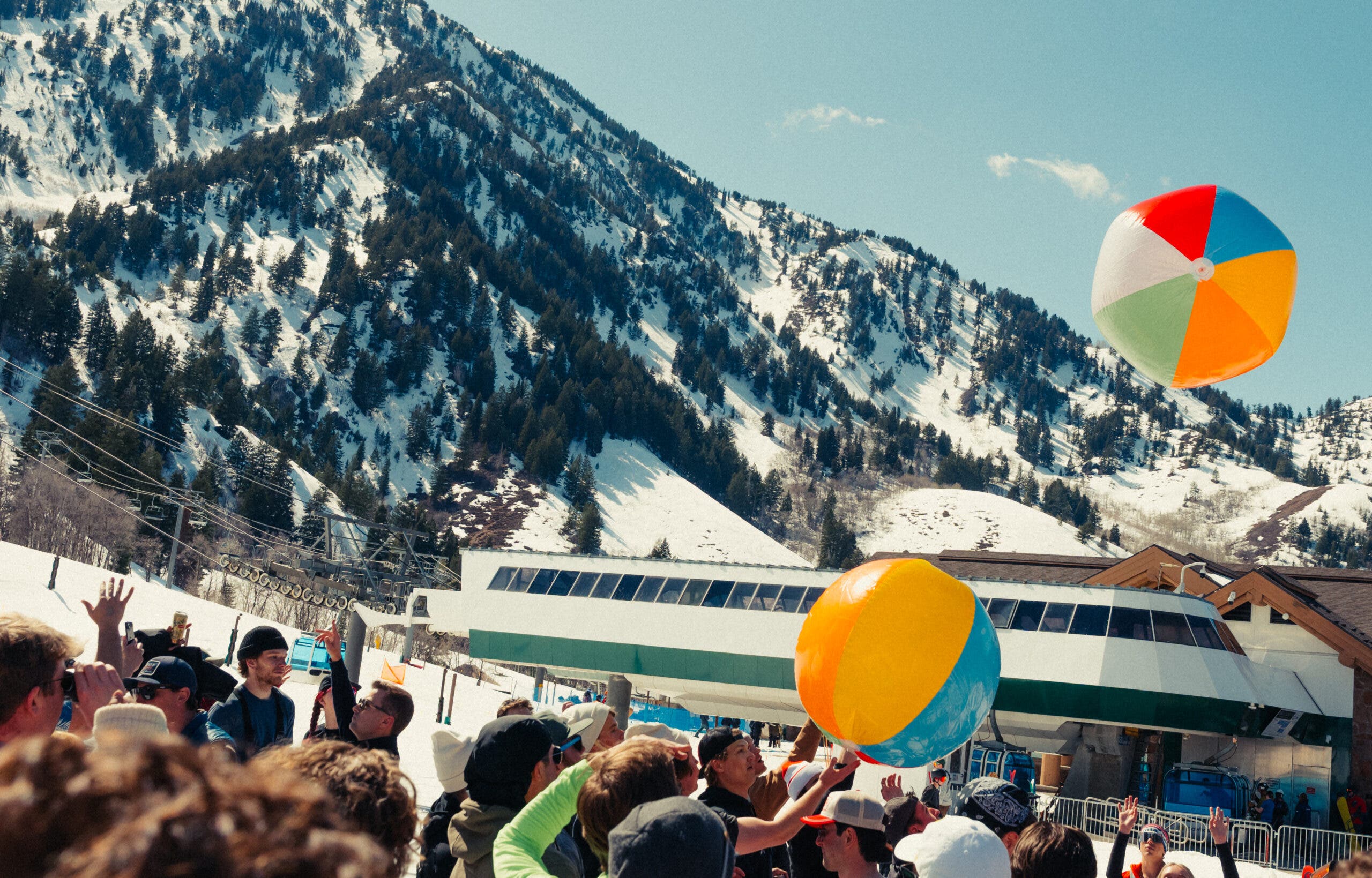
Alta (7.86) is a unique entry on the list. As a skiers-only mountain, it maintains a purist atmosphere. Its value is not found in modern frills—its lift system and grooming are often rated lower than its peers—but in the sheer quality of the experience. For the dedicated powder skier, the "value" of a day at Alta is measured in vertical feet of world-class snow rather than the price of a burger.
10. Sun Valley, Idaho
Sun Valley’s inclusion (7.76) may surprise some, given its reputation as a celebrity haunt. However, the 2027 rankings suggest that guests perceive high value in the "VIP treatment" afforded to every visitor. With impeccable grooming, a state-of-the-art lift system, and a lack of crowds, Sun Valley offers a "frictionless" experience. Readers noted that while the initial price may be higher, the lack of hidden fees and the quality of the service make the total expenditure feel justified.
Chronology of the Value Shift: 2024-2027
The trajectory of these rankings reveals a clear shift in consumer sentiment over the past four years. In 2024, "value" was often equated with the lowest possible ticket price. By 2026, the definition had evolved to include the "quality of time."
- 2024-2025: High inflation led to a surge in interest for "Indy" passes and smaller, independent mountains. Resorts like Whitefish and Grand Targhee saw record-breaking attendance.
- 2025-2026: Large resorts began implementing "dynamic pricing" for parking and lift tickets. The backlash against these "hidden costs" drove consumers back toward transparently priced resorts like Tamarack and Snowbasin.
- 2026-2027: The current season has seen a "flight to quality." Consumers are willing to pay a fair price, but they demand an absence of crowds and high-quality infrastructure. This explains why Sun Valley and Snowbasin, which are not "budget" resorts, have climbed the value rankings.
Official Responses and Industry Implications
Resort operators have begun to respond to these shifts in reader sentiment. In a recent industry summit, representatives from several top-ranked "Value" resorts emphasized that their strategy involves "total cost transparency."
"The modern skier is more informed than ever," noted a marketing director for an Idaho-based resort. "They are calculating the cost of the flight, the rental car, the lodging, and the daily lunch. If we can provide a high-end experience without nickel-and-diming the guest at every turn, we win their loyalty for a decade, not just a weekend."
Financial analysts suggest that these rankings will likely influence real estate and development trends. As "Value" resorts gain popularity, there is a projected increase in mid-tier lodging developments in these areas, as opposed to the ultra-luxury condominiums that have dominated the market in places like Vail and Telluride.
Broader Impact on Winter Tourism
The 2027 Value rankings serve as a bellwether for the broader health of the winter sports industry. The dominance of Idaho and Montana in the top spots suggests a geographic shift in the "center of gravity" for destination skiing. While the Utah and Colorado hubs remain iconic, the "crowd factor" in those regions has created a premium on the space and solitude found further north.
Furthermore, the inclusion of two Canadian resorts highlights the importance of the international market. For many Americans, the "value" of skiing in Alberta is augmented by the cultural experience of visiting a National Park and the economic benefit of the currency gap.
As the industry looks toward the 2028 season, the resorts that prioritize guest service and price transparency are expected to continue their dominance in the value category. The 2027 guide confirms that for the modern skier, the best "deal" on the mountain is not necessarily the cheapest ticket, but the one that offers the most seamless and rewarding experience on the snow.
