

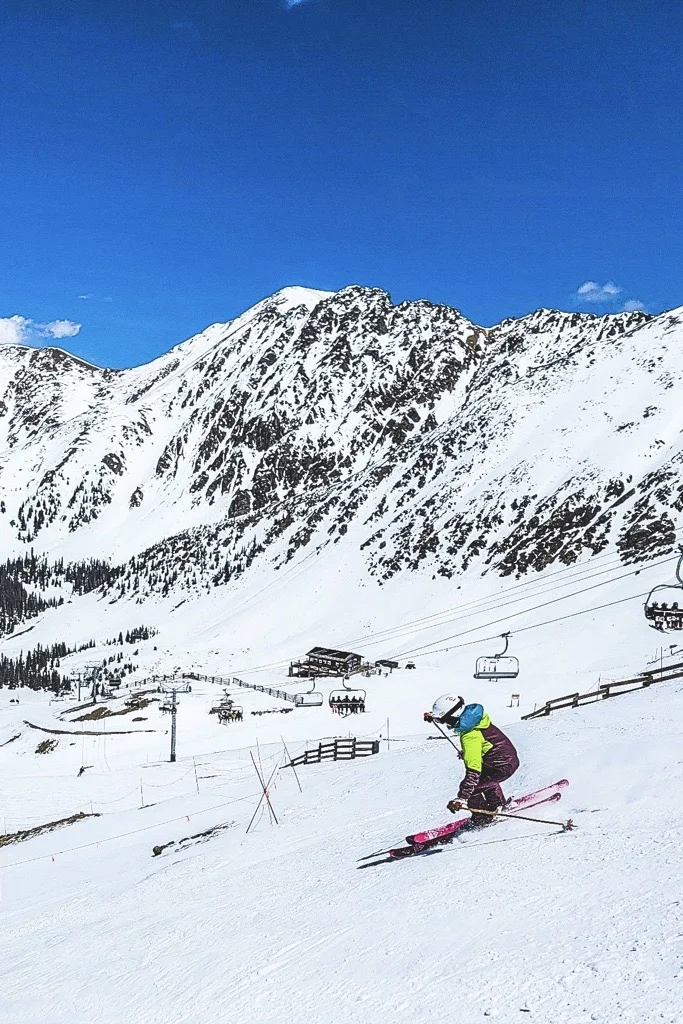
Katherine Fuller, the Director of Marketing and Communications for PSIA-AASI (Professional Ski Instructors of America and American Association of Snowboard Instructors), recently embarked on a five-week intermediate ski lesson program at Eldora Mountain in Boulder County, Colorado, an experience that profoundly reshaped her relationship with skiing and underscored the critical value of certified snowsports instruction. This immersive program, undertaken anonymously and paid for personally by Fuller, moved her from a state of self-described mediocrity and entrenched fear to newfound confidence and belonging on the slopes, offering a compelling real-world validation of the methodologies championed by PSIA-AASI.
The Catalyst: A Decade of Doubt and Industry Pressure
Fuller’s journey into snowsports was unconventional. Unlike many within the industry who grew up immersed in mountain culture, she learned to snowboard in her twenties and ski in her thirties. Her professional entry into snowsports marketing in 2019 brought with it an unexpected internal conflict. Despite her role, Fuller privately grappled with a significant lack of confidence in her skiing abilities, frequently comparing herself to more talented and faster peers. This constant self-assessment led to a plateau in her skill development, the reinforcement of bad habits, and a pervasive sense of fear and doubt whenever she hit the slopes. The disparity between her professional position and her personal skiing struggles fostered feelings of inadequacy, leading her to feel like a "fraud" within an industry she otherwise loved.
This psychological barrier is not uncommon among adult learners who enter a sport later in life. Research in sports psychology indicates that adults often face unique challenges, including a greater fear of failure, self-consciousness about perceived skill gaps, and the difficulty of unlearning ingrained habits. These factors can significantly impede progress and diminish enjoyment, even for individuals passionate about the activity. Fuller’s experience highlights how these internal pressures can be exacerbated when one’s professional identity is intertwined with the sport, creating an additional layer of performance anxiety.
Eldora’s Intermediate Program: A Structured Approach to Growth
Seeking genuine improvement and a reprieve from her self-imposed pressures, Fuller enrolled in Eldora Mountain’s five-week intermediate lesson program. Crucially, she opted not to disclose her affiliation with PSIA-AASI, choosing instead to participate as an anonymous individual seeking personal growth. This decision allowed her to fully abandon ego and preconceived notions, embracing the role of a pure student.
The program at Eldora Mountain was designed to group participants by similar skill levels, a pedagogical approach known to foster a supportive learning environment. This peer-based grouping proved to be a significant relief for Fuller, who, for the first time, found herself skiing among individuals with comparable abilities. This eliminated the constant comparison that had previously eroded her confidence, allowing her to focus entirely on her own development. Over the course of 15 hours spread across five days, Fuller experienced a profound shift. She no longer felt the sole burden of managing her fear, expectations, or improvement. Instead, she could delegate a significant portion of that responsibility to a professional instructor, enabling her to be fully present and receptive to learning. This structured, supportive environment is a hallmark of effective adult education in physical activities, where psychological safety is as important as technical instruction.
The Role of the Certified Instructor: Lindsey’s Impact
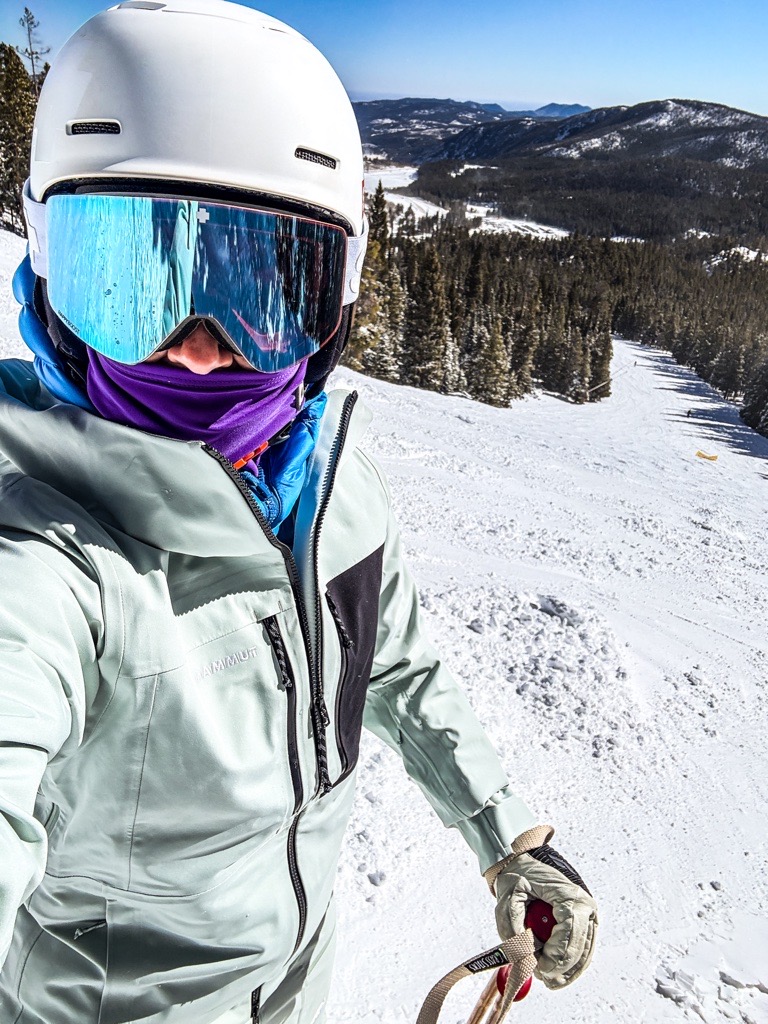
Central to Fuller’s transformative experience was her instructor, Lindsey. A 26-year-old Alpine Level II certified professional, youth freestyle coach, graduate student, and fiction author, Lindsey exemplified the multifaceted expertise and patient demeanor characteristic of highly skilled instructors. She led a small "intermediate plus" pod of five skiers, a group Fuller described as having "respectable technique and speed," with Fuller herself being the fastest but also the "most squirrely."
Lindsey’s ability to assess individual needs and deliver targeted feedback proved pivotal. Fuller’s historical skiing form was inconsistent, particularly vulnerable to icy conditions, a common challenge for skiers accustomed to the abundant powder of the Rocky Mountains. Despite her awareness that her skiing needed work, the precise nature of the required adjustments remained elusive. Lindsey’s methodical approach, rooted in observation and precise intervention, was about to provide the clarity Fuller desperately needed.
The "Aha Moment": Precision Instruction in Action
The breakthrough occurred on day three of the program. During a pause on a groomed run, Lindsey provided individual instructions to each student. When she reached Fuller, a simple tap of a ski pole and three words delivered the key: "Widen your stance." Fuller’s initial reaction was surprise, followed by a suppression of her instinct to question. Committed to abandoning her ego, she complied.
The immediate impact was astonishing. The first two turns felt awkward, but then, for the first time in her skiing history, Fuller experienced profound stability and control. This shift allowed her to push harder, entering an "elusive flow state"—a meditative trance she had previously only found in mountain biking. This moment was not just about technical adjustment; it unlocked a psychological barrier, proving to Fuller that she could achieve a level of proficiency she had doubted was possible.
Lindsey later explained the technical rationale behind the instruction, connecting it to previous lessons. Fuller’s narrow stance had prevented her from fully utilizing the edges of her 90mm-underfoot skis, limiting her ability to engage the ski’s design for effective turning. This precise, context-aware feedback, delivered at the opportune moment, transformed Fuller’s skiing immediately and dramatically.
PSIA-AASI Fundamentals: The Science Behind Effective Teaching
Upon reflection after the program, Fuller, with her PSIA-AASI background, was able to deconstruct Lindsey’s teaching methodology and found it to be a perfect embodiment of the PSIA-AASI Teaching Skills fundamentals. These principles, which certified instructors are trained to master, encompass a holistic approach to student development.
The PSIA-AASI Teaching Skills fundamentals include:
- Safety: Ensuring a secure learning environment.
- Lesson Structure: Planning and executing lessons effectively.
- Communication: Clear, concise, and empathetic interaction.
- Demonstration: Visually illustrating techniques.
- Movement Analysis: Identifying specific areas for improvement.
- Feedback: Providing constructive and timely guidance.
- Learning Environment: Fostering a positive and engaging atmosphere.
- Progression: Building skills sequentially.
- Professionalism: Maintaining high standards of conduct.
- Guest Experience: Prioritizing student enjoyment and satisfaction.
Lindsey’s instruction was a testament to these principles. She minimized lecturing, instead encouraging interaction among students, particularly during lift rides, through simple discussion prompts. Her direct feedback was consistently targeted and productive, avoiding "pontificating" or "over-explaining," which kept the group moving and focused on practical application.
The Power of Non-Technical Instruction:
Beyond pure technical guidance, Lindsey adeptly integrated non-technical elements to build confidence and body awareness. She leveraged relatable references, such as yoga, to help students become more attuned to their bodies and positions in space. This focus on proprioception and mental connection, initially unexpected by Fuller, proved to be a significant breakthrough, establishing a foundational "body scan" routine that Fuller now incorporates into every ski day. This approach highlights how effective instruction extends beyond physical mechanics to address the mental and sensory aspects of learning.
Strategic Information Delivery:
A key aspect of Lindsey’s effectiveness was her judicious control over information. She would sometimes gently defer in-depth explanations even when asked, understanding that piling on extraneous details could overwhelm and distract students from the primary skill they were meant to be practicing. This strategic withholding of information, initially causing some anxiety among participants, ultimately allowed for deeper focus and retention of key concepts, preventing cognitive overload.
Terrain Management and Risk Reduction:
Lindsey’s expertise also extended to meticulous terrain management. In a season characterized by less-than-ideal snow conditions in Colorado, her constant narration of terrain choices provided immense psychological comfort. Statements like, "I checked with patrol this morning and X run is thin and icy after grooming, so we’re going to skip it today," instilled a sense of trust and safety. She demonstrated intimate knowledge of the mountain, guiding the group to optimal sections based on conditions and preferences, ensuring students always knew what to expect. This removed the mental burden of navigating uncertain terrain, allowing participants to fully commit to learning without the added stress of assessing risk. This proactive approach to safety and comfort is a cornerstone of professional instruction, particularly for adult learners who may be more risk-averse.
Broader Implications for Adult Snowsports Learning
Fuller’s experience serves as a compelling case study for the broader snowsports industry, underscoring the immense value of professional, certified instruction for adult learners. Adult participation in snowsports lessons has seen consistent growth, with many resorts reporting that lessons are key drivers of guest retention and satisfaction. Data from the National Ski Areas Association (NSAA) often highlights that positive lesson experiences significantly increase the likelihood of repeat visits and sustained engagement with skiing and snowboarding.
For many adults, the decision to take lessons is not merely about improving technique but also about overcoming psychological barriers like fear, self-consciousness, and the perceived inability to progress beyond a certain point. A skilled instructor, like Lindsey, acts as more than a technical coach; they become a confidence builder, a psychological guide, and a risk manager. This holistic approach addresses the multifaceted needs of adult learners, leading to more profound and lasting transformations. The investment in professional instruction, therefore, yields returns far beyond improved turns; it cultivates a deeper love for the sport and a sense of belonging within the mountain community.
A Transformed Relationship with Skiing
The impact of the five-week program on Katherine Fuller was profound and enduring. What began as a desperate need to "get better" transformed into a completely new relationship with skiing. The combined foundation of trust in her instructor and the acquisition of targeted technical skills empowered her. The "stance adjustment," while immediate in its effect, was merely a single piece of a larger puzzle that Lindsey helped her construct.
Fuller’s post-lesson experiences vividly illustrate this transformation. A month later, during the PSIA-AASI National Academy at Copper Mountain, she confidently navigated a notoriously challenging run alongside board members, trusting her newfound abilities. Her uninhibited joy was palpable, culminating in a board member exclaiming, "Oh! You’re a giggler!"—a heartfelt acknowledgement of her profound happiness and freedom on skis. This moment, witnessed by a longtime instructor and ski resort executive, symbolized her true integration and sense of belonging.
A week after the Academy, Fuller returned to her former workplace, confronting a steep run she had long feared. Her initial thought, "Oh, this IS steep," quickly gave way to decisive action: "And then I just did it." This act of conquering a long-standing fear, previously unimaginable, underscores the profound psychological shift facilitated by effective instruction. It highlights that true transformation in snowsports often transcends mere physical skill, touching upon deep-seated fears and self-perceptions.
Expert Commentary on Instructor Effectiveness
Industry analysts and educational psychologists frequently emphasize that effective instruction, particularly in physical and adventure sports, must extend beyond technical drills to address the student’s emotional and psychological state. Dr. Eleanor Vance, a hypothetical sports psychologist specializing in adult learning, might comment: "The empathetic and tailored approach demonstrated by instructors like Lindsey is crucial. They don’t just teach movements; they foster psychological safety, reduce performance anxiety, and empower individuals to trust their bodies and their abilities. This creates a positive feedback loop, turning fear into exhilaration and doubt into confidence."
A spokesperson for PSIA-AASI could add: "Katherine Fuller’s experience perfectly illustrates the core mission of PSIA-AASI. Our certified instructors are trained not only in the latest technical skills but also in advanced teaching methodologies that prioritize the student’s overall experience, from safety to emotional well-being. This holistic approach ensures that every lesson is not just about making better turns, but about building a lifelong love for snowsports."
Conclusion: The Enduring Value of Professional Guidance
Katherine Fuller’s journey from a self-conscious "fraud" to a joyful, confident skier is a powerful testament to the enduring value of professional snowsports instruction. It demonstrates that when certified instructors, trained in the comprehensive methodologies of organizations like PSIA-AASI, apply their skills with precision, empathy, and strategic insight, the impact extends far beyond technical proficiency. They address the deep-seated fears and self-doubt that can plague adult learners, fostering a sense of belonging and unlocking profound joy. Fuller’s experience highlights that the finest instruction does not merely teach someone how to make good turns; it changes their entire perspective, allowing them to truly connect with the mountain and the exhilarating freedom of skiing. The transformative power of a well-timed cue, delivered by a skilled professional, can indeed lead to giggles, freedom, and a lifelong passion for the slopes.
