

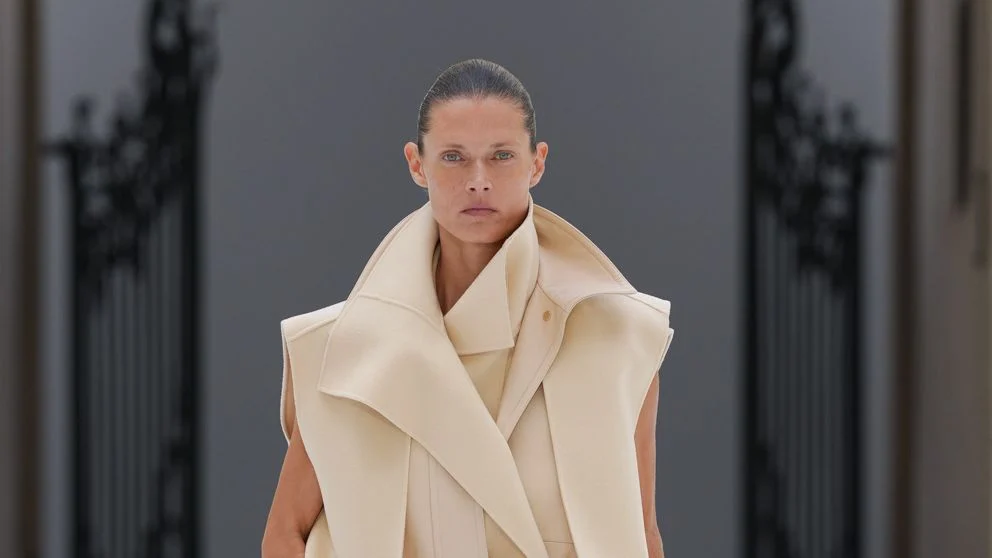
Vogue.com, the digital flagship of the iconic fashion publication, has released its latest compendium of curated content, offering readers an in-depth look at the evolving landscape of fashion, beauty, and celebrity culture. The platform, a cornerstone of digital fashion discourse, continues to serve as a vital resource for industry insiders and enthusiasts alike, providing timely updates on runway trends, emerging designers, and the influential figures shaping contemporary style. This recent wave of content underscores Vogue’s commitment to delivering comprehensive coverage, from the haute couture ateliers of Paris to the bustling streets of global fashion capitals.
The Ever-Expanding Digital Footprint of Vogue
The digital iteration of Vogue has, over the years, transcended its print origins to become a dynamic hub for all things fashion. With a meticulously crafted editorial calendar, Vogue.com consistently delivers a rich tapestry of articles, features, and multimedia content. This includes breaking news from major fashion weeks, such as those held in New York, London, Milan, and Paris, offering immediate analysis of collections and key trends. Beyond the runways, the site delves into the intricacies of the beauty industry, exploring new product launches, expert-led tutorials, and the science behind evolving skincare and makeup innovations.
Celebrity style is another significant pillar of Vogue.com’s offering. The platform meticulously documents the sartorial choices of Hollywood’s elite, red carpet moments, and the street style of influential personalities, often providing context on how these choices reflect broader cultural shifts and brand affiliations. Culture reviews extend this lens to encompass the intersection of fashion with film, art, music, and social commentary, fostering a holistic understanding of style’s impact beyond mere aesthetics. Furthermore, the inclusion of video content, ranging from designer interviews and behind-the-scenes footage to trend reports and style guides, enhances the immersive experience for the digital audience.
A Look at Recent Content Highlights and Industry Trends
While specific articles within this latest publication are not detailed in the provided source, the overarching themes consistently addressed by Vogue.com offer a glimpse into the current zeitgeist of the fashion industry. Recent editorial focuses have likely included the ongoing dialogue surrounding sustainability and ethical production, a topic that has moved from a niche concern to a central tenet of brand strategy and consumer expectation. Data from the Global Fashion Agenda’s Fashion on Climate report, for instance, indicates that the fashion industry is responsible for 8-10% of global carbon emissions, a figure that continues to drive innovation in material science, circular economy models, and transparent supply chains. Vogue.com’s coverage likely explores how designers are responding to these pressures, showcasing collections that prioritize recycled materials, upcycling techniques, and reduced environmental impact.
Another prominent trend that Vogue.com frequently examines is the increasing influence of digital technologies on fashion. This encompasses the rise of the metaverse and NFTs in fashion, the integration of augmented reality (AR) for virtual try-ons, and the growing importance of social media platforms in shaping consumer behavior and brand visibility. According to Statista, the global fashion e-commerce market is projected to reach over $1.3 trillion by 2025, highlighting the critical role of digital channels. Vogue’s content would likely feature analyses of how brands are navigating this digital frontier, from launching virtual collections to engaging with influencers in the metaverse.
The platform also likely dedicates significant attention to the evolution of inclusivity and diversity within the fashion industry. This includes the representation of various body types, ethnicities, genders, and abilities on the runway, in campaigns, and within design studios. The ongoing conversations around body positivity and the rejection of traditional beauty standards are frequently explored, reflecting a broader societal shift towards greater acceptance and celebration of individual differences.
The Power of Fashion Week: A Recurring Narrative
Fashion weeks, held biannually in major global cities, remain a pivotal event for Vogue.com’s editorial coverage. These events serve not only as showcases for upcoming collections but also as barometers for the industry’s direction. The chronology of these events typically begins in New York in early February and September, followed by London, Milan, and culminating in Paris. Each city and its respective fashion week has a distinct character, with New York often noted for its commercial appeal and emphasis on streetwear, London for its avant-garde and experimental designs, Milan for its luxury craftsmanship and established houses, and Paris for its haute couture legacy and trend-setting presentations.
Vogue.com’s coverage of these events goes beyond simply reporting on the clothes. It delves into the broader narrative of each fashion week, analyzing the societal and cultural influences that inform the collections. This includes examining the political climate, economic conditions, and artistic movements that may inspire designers. For instance, during periods of economic uncertainty, collections might reflect a more subdued palette and focus on investment pieces, while times of social upheaval might inspire bolder statements and calls for change. The commentary often extends to the front row, where celebrity attendees and industry influencers often set their own style agendas, further influencing consumer trends.
Supporting Data and Industry Analysis
The fashion industry is a colossal global enterprise, with market research firms consistently tracking its economic impact. For example, the global apparel market size was valued at USD 1.5 trillion in 2022 and is projected to grow at a compound annual growth rate (CAGR) of 4.8% from 2023 to 2030, according to Grand View Research. This vast economic ecosystem fuels the constant cycle of trends, production, and consumption that Vogue.com meticulously documents.
Furthermore, the rise of direct-to-consumer (DTC) brands and the increasing power of social media influencers have fundamentally reshaped the fashion marketing landscape. Influencer marketing, in particular, has become a multi-billion dollar industry. A report by Influencer Marketing Hub suggests that the global influencer marketing market size was estimated to be around $21.1 billion in 2023. Vogue.com’s content likely analyzes how established brands are adapting to this shift, leveraging influencer collaborations while maintaining their brand identity.
The sustainability movement, as previously mentioned, is not just an ethical imperative but also an economic one. Consumers are increasingly demanding transparency and accountability from brands regarding their environmental and social impact. A study by McKinsey & Company found that 66% of consumers consider sustainability when making a purchase. This data point underscores the importance of Vogue.com’s coverage of eco-conscious designers and innovative sustainable practices, as it directly influences consumer choices and brand viability.
Official Responses and Industry Perspectives
While the provided source does not contain direct quotes or reactions from Condé Nast or its representatives regarding this specific publication, the established editorial direction of Vogue.com offers a clear indication of its institutional perspective. Condé Nast, as a leading global media company, consistently invests in its digital platforms to maintain its position at the forefront of fashion journalism. The company’s long-standing reputation for quality, influence, and trendsetting is directly reflected in the sophisticated and comprehensive nature of Vogue.com’s content.
The editorial team at Vogue.com, comprised of seasoned fashion journalists, editors, and critics, is tasked with interpreting and presenting the complexities of the fashion world. Their work is guided by a commitment to journalistic integrity, ensuring that the information provided is factual, well-researched, and offers valuable insights. The inclusion of diverse perspectives, from emerging designers to established industry veterans, is also a hallmark of their approach, aiming to capture the multifaceted nature of contemporary fashion.
The "Ad Choices" link, as well as the copyright notice for © 2026 Condé Nast, firmly places the content within the established legal and business framework of a major media conglomerate. This indicates a professional and established operation, adhering to industry standards and practices. The mention of "Affiliate Partnerships with retailers" further reveals a revenue model that is common in digital publishing, where editorial content can drive sales through links to e-commerce platforms, a practice that is transparently disclosed to readers.
Broader Impact and Future Implications
Vogue.com’s consistent output of high-quality fashion content plays a significant role in shaping global fashion trends and consumer perceptions. By curating and disseminating information about emerging designers, innovative materials, and influential style movements, the platform acts as a tastemaker and a cultural barometer. Its reach extends beyond the immediate fashion industry, influencing broader cultural conversations about identity, self-expression, and societal values.
The platform’s coverage of sustainability, for instance, not only informs consumers but also encourages brands to adopt more responsible practices. By highlighting companies that are leading the way in ethical production, Vogue.com can incentivize others to follow suit, contributing to a more sustainable fashion ecosystem. Similarly, its emphasis on diversity and inclusivity can help to normalize and promote greater representation within the industry, fostering a more equitable and welcoming environment for all.
The continuous evolution of digital platforms like Vogue.com also signifies a broader shift in how fashion is consumed and understood. As audiences increasingly engage with content through their devices, the role of digital media in shaping fashion narratives becomes ever more critical. Vogue.com’s ability to blend in-depth editorial analysis with visually engaging multimedia content ensures its continued relevance and influence in this dynamic digital landscape. The platform’s commitment to providing a comprehensive overview of the fashion world, from the macroeconomic trends to the micro-details of a designer’s collection, solidifies its position as an indispensable resource for anyone seeking to understand the past, present, and future of style. The ongoing publication of such detailed and varied content underscores the enduring power of Vogue as a cultural force in the digital age.
