

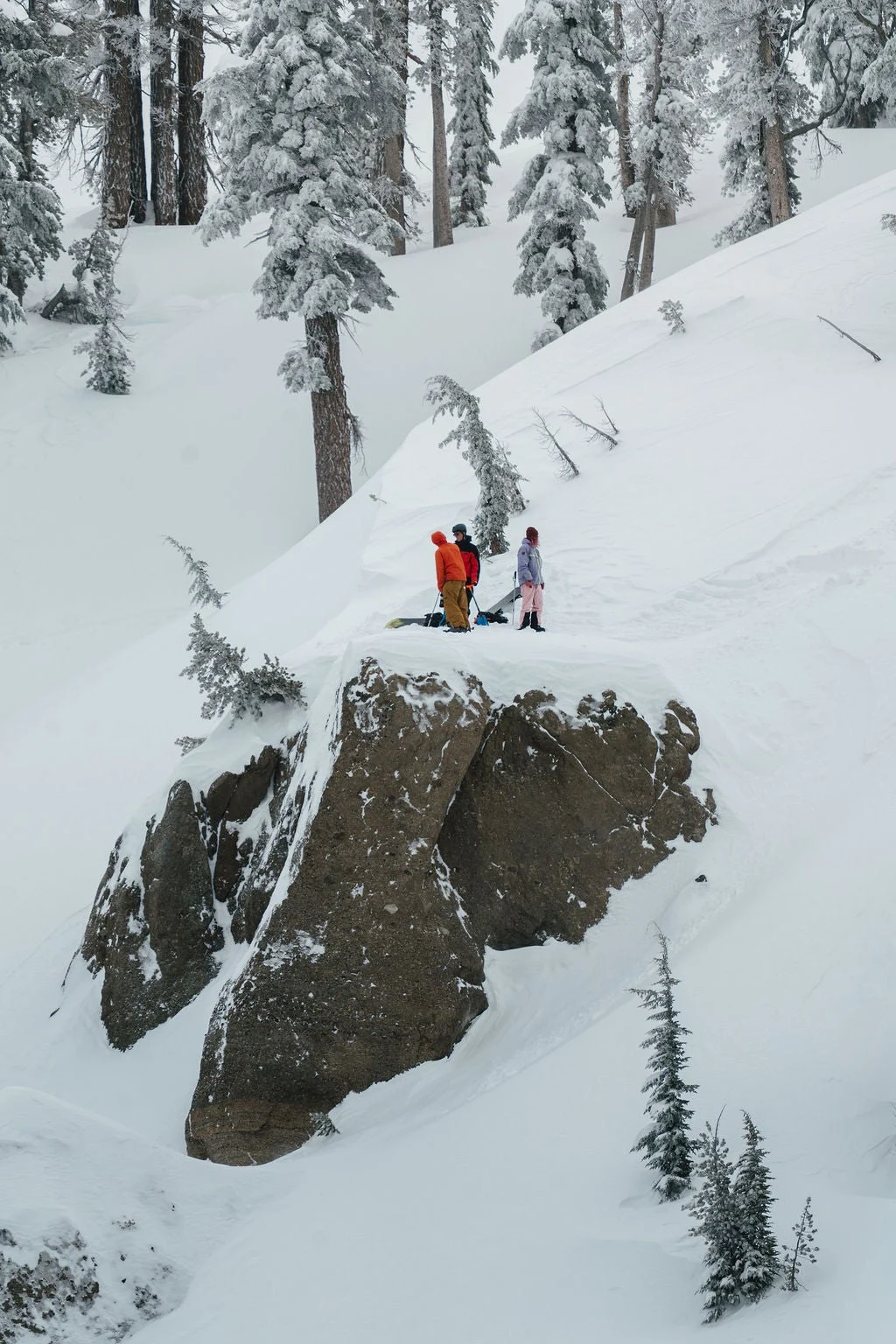
Director Daniel Harper’s latest cinematic endeavor, "Low Tide," from Zero G Films, is poised to reshape conventional perceptions of the ski film genre, moving beyond the pursuit of extreme mountaineering feats to deliver an earnest and visceral depiction of what skiing truly embodies. This production distinguishes itself by focusing on the raw, unvarnished experience of the sport, navigating the inherent unpredictability of nature, and championing the spirit of community that underpins mountain culture. In a season marked by meteorological caprice, "Low Tide" stands as a testament to adaptability, passion, and the enduring allure of snow sports, regardless of ideal conditions.
The Vision: Authenticity Over Extremity
At its core, "Low Tide" represents a deliberate departure from the high-octane, often hyper-glamorized narratives prevalent in much of contemporary ski cinematography. Daniel Harper, the visionary behind Zero G Films, articulated this philosophy succinctly, stating that the film is "less about making the biggest ski film possible and more about capturing what skiing actually feels like." This ethos prioritizes the tactile, emotional, and communal aspects of skiing over purely showcasing monumental athletic achievements. It is a nuanced approach that seeks to resonate with a broader audience, from seasoned professionals to weekend enthusiasts, by reflecting the shared joy and challenges inherent in the sport.
Zero G Films was founded on the principle of telling "honest stories of honest people." This commitment extends beyond the camera’s lens, influencing the very composition of their athlete roster. Harper intentionally cultivates a diverse group, bridging generational gaps and bringing together individuals from varied skiing backgrounds. This collaborative environment is designed to foster a sense of mutual support and shared experience, echoing the organic way communities form around mountain pursuits. This inclusive model stands in contrast to productions that often highlight individual stars, instead emphasizing the collective journey and the shared passion that binds skiers together.
Navigating a Winter of Unforeseen Challenges

The production of "Low Tide" unfolded against the backdrop of a particularly challenging winter season, characterized by inconsistent snowfalls and unpredictable weather patterns across the Western United States. Initial aspirations for ambitious mountaineering expeditions were curtailed as conditions proved uncooperative, forcing the Zero G crew to recalibrate their plans. This meteorological variability, which saw significant regional disparities in snowpack, became an integral, unplanned narrative element of the film itself.
According to data from the National Oceanic and Atmospheric Administration (NOAA) and regional snow surveys, the season in question presented a complex picture for winter sports. While some areas experienced isolated periods of heavy snowfall, many key regions, particularly in the Sierra Nevada, faced extended dry spells or periods of rain that degraded snow quality. This variability is increasingly becoming a hallmark of winters influenced by climate change, compelling ski resorts and film crews alike to adopt more agile strategies. For instance, the 2022-2023 winter, while ultimately delivering a robust snowpack in some parts of California, began with considerable uncertainty and delayed openings, mirroring the adaptive spirit depicted in "Low Tide." This broader context of environmental shifts highlights the film’s relevance as a contemporary reflection of the realities faced by the ski industry and community.
Harper acknowledged the initial disappointment, remarking, "I really thought this was going to be a breakout for the Zero G crew. We obviously didn’t have the winter we were expecting, but we made do with what we had." This statement underscores the resilience and resourcefulness that became central to the film’s production. Rather than abandoning the project, the crew embraced the "low tide" conditions, allowing the film to organically evolve into a genuine reflection of the season they actually experienced. This pivot transformed a potential setback into an opportunity for authentic storytelling.
Geographical Adaptations and Diverse Terrain
The geographical canvas for "Low Tide" spanned two iconic, yet contrasting, ski destinations: Jackson, Wyoming, and Palisades Tahoe, California. This choice inadvertently underscored the diverse challenges and opportunities presented by the season.
In Jackson, the crew capitalized on a fortuitous two-week window that delivered abundant deep powder and quintessential big-mountain skiing conditions. These moments allowed for the capture of exhilarating footage, showcasing the raw power and grandeur of the Teton Range. Such brief, intense periods of optimal snow highlight the "feast or famine" nature of modern winters, where film crews must be poised to mobilize rapidly to seize fleeting opportunities.

Conversely, Palisades Tahoe endured a tougher season, with less consistent natural snowfall. Here, the focus shifted towards park and resort skiing, demonstrating the versatility of the athletes and the production team. This adaptation meant exploring different facets of the sport, from meticulously crafted terrain park features to the varied pistes of the resort. The ability to transition between these environments, from backcountry grandeur to groomed resort runs, speaks to the film’s commitment to portraying the multifaceted experience of skiing. Ultimately, Harper emphasized that "the locations are ultimately secondary to the people skiing them," reinforcing the film’s human-centric narrative.
Fostering Community: A Diverse Roster of Talent
Central to Zero G Films’ mission is the deliberate cultivation of a diverse and intergenerational community of athletes. Harper’s vision is to create a production that authentically mirrors the local ski communities where the sport thrives. This philosophy was exemplified in Jackson, where veteran skier Mark Mazzatta was paired with younger talents like Nico Santelices and Odin Casey. This dynamic proved highly synergistic, with the athletes drawing inspiration and energy from each other throughout the season. Mazzatta’s experience provided a foundation, while Santelices and Casey injected youthful exuberance, creating a rich tapestry of perspectives and styles.
This intergenerational collaboration is a deliberate strategy by Zero G Films to showcase the continuum of skiing, demonstrating how knowledge and passion are passed down and evolved. It highlights that the spirit of skiing is not confined to a single demographic but is a shared experience that unites individuals across ages and skill levels. "Just being able to bring together a community, I think was the biggest thing," Harper reflected, adding, "And showing that anybody can get out there and have fun no matter your skill level." This inclusive message is a powerful counter-narrative to the often-exclusive image of extreme sports, promoting accessibility and participation for all who love the mountains.
From a broader industry perspective, films that emphasize community and accessibility are increasingly valued. Sponsors, such as Flylow and Haver Supply, often align with productions that reflect these values, understanding that an inclusive message resonates with a wider consumer base. By showcasing real people enjoying skiing in diverse ways, "Low Tide" taps into the fundamental human desire for connection and shared experience, which is a powerful driver for brand loyalty and audience engagement.
Spontaneity and the Unscripted Moment

While film production typically demands meticulous planning, "Low Tide" embraced the unpredictable, with some of its most compelling moments emerging from sheer spontaneity. A prime example occurred after filming wrapped in Jackson. As Harper began the long drive back towards Tahoe, roads started closing and weather conditions deteriorated rapidly. He hadn’t even reached home when news broke that Palisades Tahoe was preparing for an unexpected opening of its challenging K22 zone the very next morning, following a sudden, significant snowfall.
In a scramble characteristic of dedicated filmmakers and athletes, Harper spent the night at an athlete’s house, furiously charging batteries and clearing storage cards, preparing for what promised to be an extraordinary day. The following morning, a substantial portion of the Zero G crew converged, seizing the fleeting opportunity. The energy was palpable, leading to what Daniel Harper described as an unforgettable moment: Noah Gaffney dropped "the gnarliest line he’d ever seen on the Fingers," a notoriously steep and technical area at Palisades.
These unscripted, high-stakes moments are often where the true essence of skiing is captured. "The athletes are stoked out of their mind and just want to shred harder than normal because they know it’s a once-in-a-season type day," Harper recounted. He added, "There’s not time to think about or second guess yourself. You just have to trust what you’ve been doing and jump into it." This sentiment perfectly encapsulates the raw, instinctual decision-making that defines high-level skiing and provides "Low Tide" with its authentic edge. It’s a powerful narrative thread, demonstrating how preparation meets opportunity, and how passion fuels daring improvisation when the conditions align.
Behind the Scenes: Production and Support
Bringing a film like "Low Tide" to fruition, especially amidst a challenging winter, required significant logistical coordination and financial backing. Zero G Films benefited from the crucial support of its main sponsor, Flylow, a brand known for its durable and performance-oriented ski apparel, which aligns well with the film’s rugged, authentic ethos. Additional support from Haver Supply also played a vital role in ensuring the production could navigate the unexpected twists and turns of the season.
Sponsorship in the action sports film industry is not merely about financial injection; it represents a shared vision and commitment to the culture. Brands like Flylow are deeply embedded in the skiing community, understanding the nuances of the sport and valuing content that resonates with their core audience. Their investment in "Low Tide" underscores a belief in Daniel Harper’s vision of portraying the genuine experience of skiing, rather than solely chasing commercialized extremes. This collaborative model between filmmakers and sponsors is essential for independent productions to thrive, particularly when faced with the inherent unpredictability of filming in natural environments.

The Enduring Message and Broader Implications
Ultimately, "Low Tide" aims to impart a profound and accessible message to its audience. It’s not about inspiring viewers to tackle the most dangerous or steepest lines, but rather to ignite "the desire to go do something." Daniel Harper articulated this aspiration, hoping that after watching the film, people will "go home, think about it, and then like, ‘Yeah, I can do that too.’" This speaks to a broader cultural shift in outdoor sports, where the emphasis is increasingly placed on participation, enjoyment, and personal challenge over professional aspiration.
The film’s strength lies in its ability to "strip away the celebrity, money and hype," returning to the fundamental, unadorned reason why individuals are drawn to the mountains. In an era often dominated by social media highlight reels and aspirational content, "Low Tide" offers a refreshing counter-narrative that prioritizes the intrinsic joy and camaraderie of skiing. Harper’s concluding thought, "At the end of the day, it’s just snow and people going down it," encapsulates this beautifully simple yet powerful message.
"Low Tide" carries significant implications for the future of ski filmmaking and the broader ski community. It serves as a blueprint for how to create compelling content even when nature doesn’t cooperate, promoting adaptability and creativity. By focusing on the human element and the spirit of community, it broadens the appeal of ski films, making them relatable to a wider demographic. In a world grappling with the realities of climate change and its impact on winter sports, films like "Low Tide" remind us that the essence of skiing—the connection to nature, the joy of movement, and the bonds forged on the slopes—can endure and even thrive amidst evolving conditions. It’s a film for the people, by the people, celebrating the pure, unadulterated passion for sliding on snow.
