

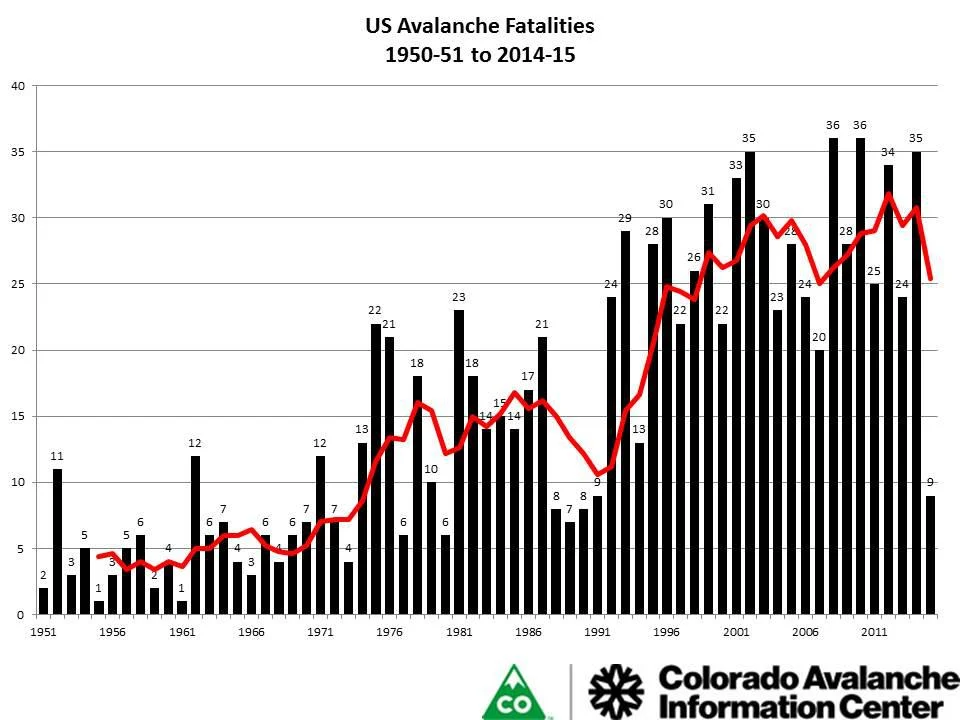
The avalanche season for 2014-2015, officially concluding around April 30th, has concluded with a significant and encouraging decrease in fatalities. This past season recorded nine avalanche-related deaths across the United States, marking the lowest number since 1991. This stark reduction represents a welcome trend, particularly when viewed against the backdrop of steadily increasing backcountry recreational use over the past decade and a half. While any loss of life is a tragedy, the data from this season offers a glimmer of hope and underscores the effectiveness of various factors, from climatic conditions to dedicated safety initiatives.
Favorable Weather Patterns Contribute to Reduced Risk
A primary driver behind the diminished fatality count is widely attributed to the prevailing weather patterns during the 2014-2015 winter. The western regions of the United States experienced a notably poor snow year, characterized by insufficient snowfall and warmer-than-average temperatures. This limited the accumulation of deep snowpacks, which are often a precursor to dangerous avalanche conditions. Further inland, while some areas saw more snow, persistent warm spells played a crucial role in stabilizing snow layers and reducing the overall avalanche danger for extended periods.
These less-than-ideal snow conditions for winter enthusiasts, while potentially disappointing for some, directly translated into a safer environment. The absence of prolonged periods of heavy snowfall, coupled with temperature fluctuations that facilitated snowpack settlement, meant that the underlying layers of snow were less likely to become unstable and fracture. This natural mitigation of risk is a significant factor that cannot be overstated when analyzing the season’s outcomes.
Sustained Efforts in Avalanche Education and Information Dissemination
Beyond the fortunate alignment of weather conditions, the proactive and sustained efforts of avalanche centers and information providers have undoubtedly played a vital role in enhancing backcountry safety. Organizations such as the Forest Service avalanche centers and the Colorado Avalanche Information Center (CAIC) have been instrumental in providing crucial educational resources and real-time avalanche forecasts.
The CAIC, for instance, has been a cornerstone in avalanche safety for decades, meticulously collecting data and disseminating information through its website, social media channels, and public outreach programs. Their work involves detailed snowpack analysis, issuing daily avalanche advisories based on observed conditions, and conducting educational courses for skiers, snowboarders, snowmobilers, and other winter recreationists. This season’s low fatality count suggests that a greater number of individuals are heeding these warnings and incorporating safety knowledge into their backcountry decision-making processes.
The Forest Service avalanche centers, operating across various mountainous regions, contribute similarly by monitoring snowpack stability and providing localized forecasts. This network of information, when effectively utilized by the public, creates a vital safety net. The commitment of these centers to providing accessible and accurate information empowers individuals to make informed choices about where and when to recreate, thereby mitigating their exposure to avalanche hazards.
Long-Term Trends: A Stable Average Amidst Growing Participation
While the 2014-2015 season stands out for its exceptionally low fatality numbers, it is important to consider the broader, longer-term trends. The past 15 years have witnessed a significant surge in popularity for backcountry skiing, snowboarding, and other snow-dependent activities. This surge, often referred to as a "boom" in backcountry use, presents a statistical challenge. As more people venture into avalanche-prone terrain, the potential for accidents and fatalities naturally increases.
However, the data reveals an encouraging phenomenon: despite this substantial increase in participation, the 5-year moving average for avalanche fatalities has remained remarkably stable. This average has consistently hovered between approximately 25 and 30 deaths per year. This stability, in the face of escalating user numbers, strongly suggests that the investment in avalanche education, improved gear technology (such as avalanche transceivers, probes, and shovels), and the widespread availability of accurate forecasting are yielding positive results. It indicates that the backcountry community is becoming more risk-aware and better equipped to navigate the inherent dangers.
The Importance of Data and Continuous Improvement
The meticulous record-keeping maintained by organizations like the CAIC is fundamental to understanding avalanche safety trends and identifying areas for improvement. Spencer Logan, acknowledged for his work with the CAIC and the U.S. avalanche accident database, plays a critical role in compiling and analyzing this vital information. The graphic provided in the original report, showcasing the data, serves as a testament to the importance of such data-driven analysis.
This database not only tracks fatalities but also provides insights into the circumstances surrounding avalanche accidents, including the type of avalanche, the terrain, the group size, and the level of preparedness. This granular data allows avalanche professionals to refine their forecasting methods, tailor educational programs to address specific risk factors, and advocate for necessary safety measures.
Broader Implications for Backcountry Safety
The low fatality count of the 2014-2015 season has several significant implications for the future of backcountry recreation and safety initiatives.
Firstly, it reinforces the critical importance of weather patterns in influencing avalanche risk. While human factors and preparedness are crucial, understanding and respecting the natural environment remains paramount. This season serves as a reminder that even with advanced safety measures, adverse weather can significantly elevate danger.
Secondly, it highlights the tangible impact of comprehensive avalanche education and readily accessible information. The dedication of organizations like the CAIC and the Forest Service in providing these resources is demonstrably saving lives. This success should encourage continued investment and expansion of these programs, reaching even more individuals who venture into the backcountry.
Thirdly, the stable long-term average in the face of increased participation suggests a growing maturity within the backcountry community. There is a discernible shift towards a more informed and cautious approach, where safety is integrated as a core component of the recreational experience, rather than an afterthought.
Looking Ahead: Vigilance Remains Key
As the snow melts and the 2014-2015 avalanche season draws to a close, the exceptionally low number of fatalities offers a moment for reflection and appreciation. However, it is crucial to maintain vigilance. The inherent risks of avalanche terrain do not disappear, and the next winter season will bring its own unique set of challenges and conditions.
The lessons learned from this season, particularly the synergy between favorable weather and robust safety efforts, should serve as a blueprint for continued success. Continued research, ongoing education, and a commitment to sharing vital information will remain essential in ensuring that the growing passion for the backcountry is matched by a steadfast dedication to safety. The goal is not merely to reduce fatalities in any given year, but to foster a culture of informed risk management that allows more people to safely enjoy the profound beauty and exhilaration of the winter wilderness. The trend observed in 2014-2015 is a positive indicator, but the pursuit of an even safer backcountry future requires ongoing commitment from all stakeholders, from weather forecasters and avalanche professionals to every individual who steps into avalanche terrain.
