

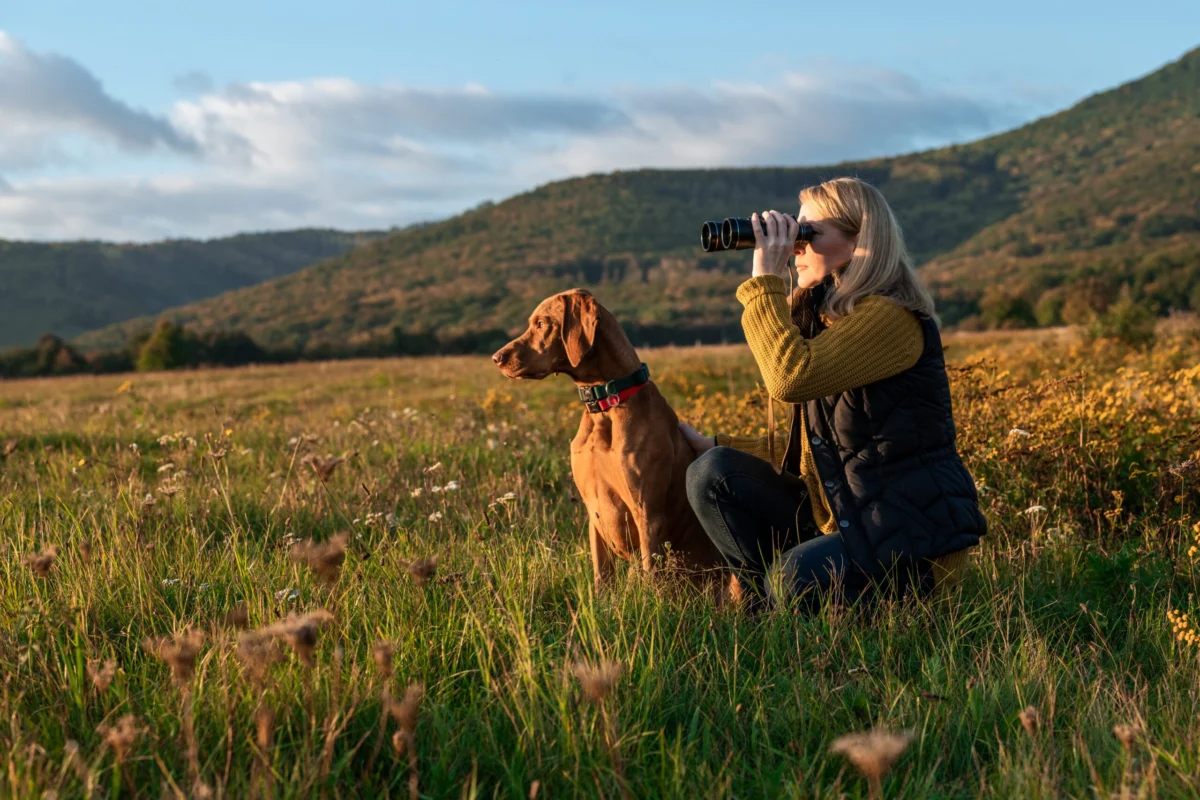
The report highlights a significant convergence between wildlife viewers and traditional outdoor enthusiasts. According to the findings, the modern birdwatcher is frequently a "multi-sport" participant, often integrating their observational pursuits into broader excursions such as backcountry camping or coastal fishing trips. This overlap presents a unique opportunity for retailers and manufacturers to market high-end optics, technical apparel, and specialized travel gear to a demographic that prioritizes both functionality and long-term durability.
The Evolution of Wildlife Observation: A Historical Context
The rise of birdwatching as a primary economic driver did not occur in a vacuum. For decades, wildlife viewing was categorized as a secondary activity—something enthusiasts did while on their way to a summit or while waiting for a catch. However, the trajectory began to change significantly over the last ten years, catalyzed by advancements in digital technology and a cultural shift toward mindful, observation-based recreation.
A major turning point occurred during the global pandemic of 2020-2022. As lockdowns restricted travel and team sports, millions of individuals turned to their immediate surroundings for solace and entertainment. During this period, downloads of bird identification apps and sales of backyard birding supplies skyrocketed. What was initially seen as a temporary "pandemic hobby" has since solidified into a permanent lifestyle choice for a diverse array of age groups.
By 2024, the outdoor industry began to see the fruits of this transition. The 2026 Birdwatching and Wildlife Viewing Report serves as a culmination of several years of data tracking, showing that the momentum gained during the early 2020s has not only been sustained but has accelerated. The industry is now seeing a "professionalization" of the hobby, where casual observers are upgrading to professional-grade equipment and seeking out specialized eco-tourism experiences.
Supporting Data: Quantifying the Economic Surge
The OIA report is backed by broader national trends that underscore the massive scale of this movement. According to the U.S. Fish and Wildlife Service’s most recent National Survey of Fishing, Hunting, and Wildlife-Associated Recreation, over 96 million Americans participated in some form of wildlife watching in the measured period—a figure that dwarfed participation in traditional hunting and fishing combined.
The economic impact of this group is substantial. Wildlife watchers contributed an estimated $250 billion to the U.S. economy in 2022 alone, covering expenditures on equipment, travel, and fuel. The 2026 OIA report builds on this by identifying the specific purchasing power of birders. Key data points include:
- High Disposable Income: Birdwatchers are statistically more likely to fall into higher income brackets compared to the average outdoor consumer. This makes them a prime target for premium optics brands such as Swarovski Optik, Zeiss, and Vortex.
- Engagement Longevity: Unlike "trend-based" sports, birding and wildlife viewing have high retention rates. Once a consumer enters the market, they tend to remain active for decades, providing a reliable "lifetime value" for brands.
- Cross-Category Spending: Approximately 60% of dedicated birdwatchers also identify as hikers, while nearly 40% engage in paddle sports or fishing. This necessitates "cross-over" gear—waterproof jackets that are quiet enough for birding, and binoculars that are rugged enough for a multi-day trek.
Industry Reactions and Strategic Implications
The release of the report has prompted reactions from various sectors of the outdoor economy. Industry analysts suggest that the data should serve as a wake-up call for retailers who have traditionally focused their marketing solely on "hardcore" athletic pursuits like mountain climbing or trail running.
"The 2026 report confirms what many of us have seen on the ground: the ‘quiet’ outdoors is becoming as loud, economically speaking, as the ‘active’ outdoors," says one industry consultant familiar with the OIA findings. "Brands that fail to cater to the wildlife viewing audience are leaving money on the table, particularly in the premium apparel and optics categories."
For retailers, the strategic implications involve a reimagining of floor space and digital marketing. There is a growing need for "educational retail," where staff are trained not just on the specs of a tent, but on the technical differences between various binocular prisms or the seasonal migration patterns that drive travel equipment sales.
Furthermore, the report suggests that birdwatchers are highly motivated by conservation. They are more likely to support brands that demonstrate a clear commitment to habitat preservation and environmental ethics. This creates a feedback loop where the growth of the market directly supports the conservation efforts necessary to sustain the wildlife that enthusiasts seek to view.
Technological Integration and the New Birder Demographic
One of the most striking findings in the 2026 report is the changing face of the birding community. While the "older and affluent" segment remains a core pillar, there is a burgeoning group of younger, tech-savvy enthusiasts. This "New Birder" demographic relies heavily on digital tools such as the Cornell Lab of Ornithology’s Merlin Bird ID and eBird platforms.
The integration of technology has lowered the barrier to entry for many. Where once a novice needed an expensive field guide and an expert mentor, they now only need a smartphone and a pair of entry-level binoculars. As these younger participants mature, they are expected to drive innovation in the "smart" optics category—including binoculars with integrated cameras and AI-assisted identification features.
This demographic shift also impacts apparel. Younger wildlife viewers are looking for gear that bridges the gap between urban fashion and outdoor utility. They demand sustainable materials and versatile designs that can transition from a morning of birding in a city park to an afternoon at a local café.
Chronology of Market Milestones
To understand the current strength of the wildlife viewing market, it is helpful to look at the timeline of its development:
- 2011-2016: Growth of citizen science platforms (eBird) begins to democratize wildlife data collection.
- 2019: The "3 Billion Birds" study published in Science raises national awareness of avian conservation, sparking a surge in public interest.
- 2020-2021: Pandemic-related lockdowns lead to a 400% increase in some bird-related app downloads and a global shortage of bird seed and feeders.
- 2023: Major outdoor retailers like REI and Bass Pro Shops begin expanding their optics and wildlife-specific inventory to meet post-pandemic demand.
- 2025: The OIA initiates a deep-dive study into the intersection of wildlife viewing and traditional outdoor sports, leading to the current 2026 report.
Broader Impact on the Outdoor Economy
The rise of birding and wildlife viewing is exerting a stabilizing force on the broader outdoor economy. While some outdoor sectors are subject to the whims of fashion or the volatility of "adventure" trends, wildlife viewing is rooted in a fundamental human connection to the natural world. This stability is particularly valuable for rural economies that rely on ecotourism.
Small towns near national parks, wildlife refuges, and migratory "hotspots" are seeing a year-round influx of visitors. Unlike seasonal sports like skiing, birding follows migration patterns that often peak during the "shoulder seasons" of spring and autumn, providing a critical economic bridge for local hospitality and service industries.
Moreover, the OIA report underscores that this market is highly resilient. Even during economic downturns, wildlife viewing remains a relatively low-cost activity once the initial investment in gear is made. This makes the wildlife viewer a "recession-resistant" consumer, a quality that is highly prized by investors and large-scale retailers in the outdoor space.
Conclusion and Future Outlook
The 2026 Birdwatching and Wildlife Viewing Report marks a definitive moment for the outdoor industry. It provides the empirical evidence needed to shift birdwatching from a peripheral activity to a central focus of market strategy. As the base of birdwatchers continues to expand and diversify, the opportunities for innovation in gear, travel, and conservation-based marketing are limitless.
For OIA members and industry stakeholders, the path forward is clear: the future of the outdoor market is increasingly focused on the observation and preservation of the natural world. By understanding the nuances of this highly engaged audience, brands can plan smarter, foster long-term loyalty, and contribute to a sustainable economic model that benefits both the industry and the ecosystems upon which it depends. The "growing force" of wildlife viewing is no longer a trend—it is a cornerstone of the modern outdoor experience.
