

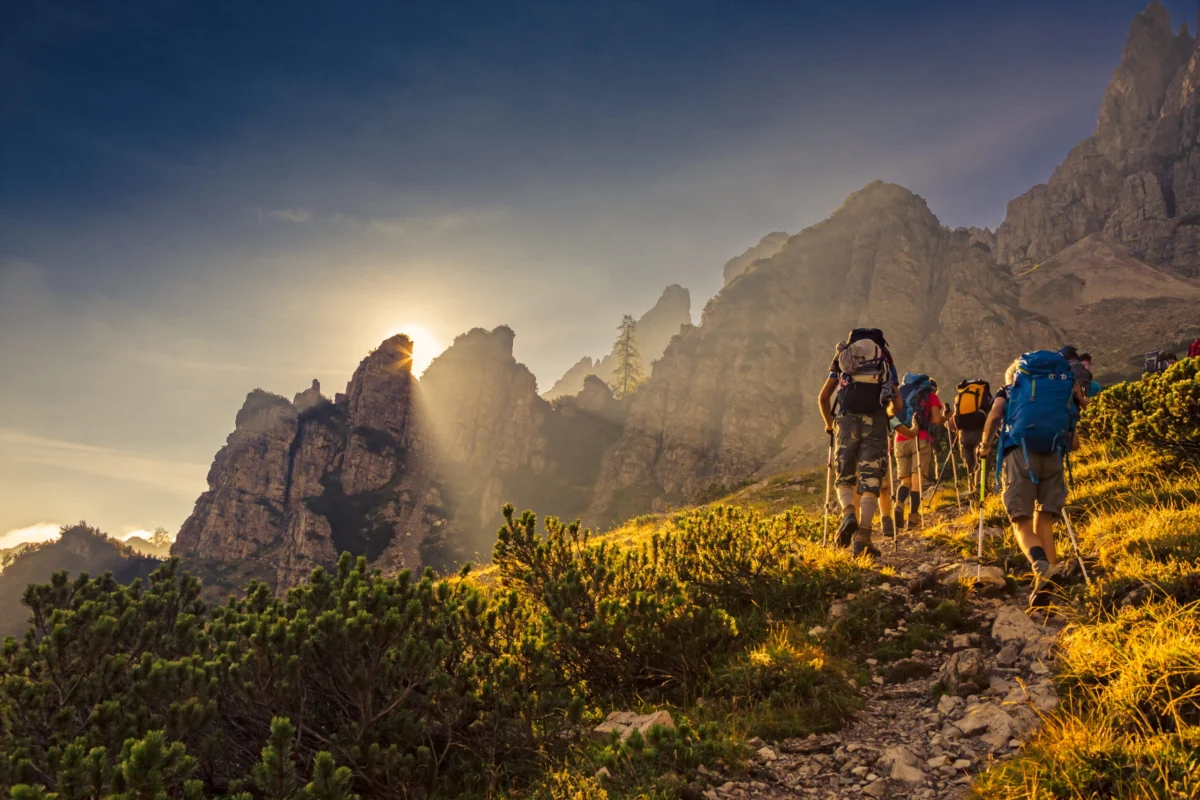
The American outdoor recreation landscape is currently navigating a period of complex transition, as evidenced by the newly released 2026 Backpacking Report. Data indicates that while 9.3 million Americans engaged in backpacking at least once during the 2025 calendar year, the activity is grappling with a persistent downward trend in overall participation. This figure represents a notable decline from the historical peak of nearly 11 million participants recorded in 2017. In the last year alone, the backpacking community saw a contraction of approximately 650,000 individuals, marking a significant shift in how Americans interact with the backcountry.
The report, which provides a granular look at the demographics and habits of outdoor enthusiasts, distinguishes between "casual" participants and "core" backpackers. Of the 9.3 million people who took to the trails with overnight gear, approximately 2.5 million are classified as core participants, defined as those who spent eight or more nights on the trail within the year. However, even this dedicated segment has not been immune to the broader trend, with core participation dropping by 5% over the last twelve months. This divergence between general outdoor interest and technical backcountry engagement presents both a challenge and a strategic opportunity for the outdoor industry.
A Chronology of Participation: From Peak to Pivot
The trajectory of backpacking in the United States over the last decade reveals a story of rapid growth followed by a cooling period. Between 2010 and 2017, backpacking enjoyed a steady climb, fueled by the rise of social media "trail culture" and advancements in lightweight gear that made the activity more accessible to the average person. By 2017, the industry reached its zenith with 11 million active participants.
However, the onset of the COVID-19 pandemic in 2020 created a unique schism in outdoor recreation. While the pandemic spurred a massive surge in "front-country" activities—such as day hiking, tent camping at established sites, and cycling—backpacking failed to capture the same momentum. Analysts suggest that the high barrier to entry, including the requirement for specialized gear and higher levels of physical preparation, deterred many of the millions of new outdoor users from venturing into the wilderness for overnight stays.
By 2024 and into 2025, the "pandemic boom" in general recreation began to stabilize, but backpacking continued its slow descent. The loss of 650,000 participants in the past year suggests that while the broader interest in nature remains high, the specific logistics of backpacking—navigating permit systems, managing heavy loads, and backcountry safety—remain significant hurdles for the modern recreator.
The Growth Paradox: Hiking and Camping as Feeders
Despite the decline in dedicated backpackers, the broader outdoor sector is thriving at record levels. Since 2020, day hiking has surged to 63.6 million participants, while traditional tent camping has reached 42 million. This discrepancy highlights what industry experts call the "participation gap."
The data suggests that the potential for a backpacking resurgence is hidden within these adjacent activities. Currently, 7.8% of day hikers and 12.1% of tent campers have already crossed over into backpacking at least once. This indicates a massive "warm lead" market of over 100 million individuals who already possess a baseline affinity for the outdoors. Many of these individuals already own a portion of the necessary equipment—such as hiking boots, moisture-wicking apparel, and portable stoves—but have yet to make the leap to a multi-day wilderness excursion.
The industry’s primary challenge moving forward is conversion. The 2026 report emphasizes that the next generation of backpackers is already active on the trails; they simply require a compelling reason or a lower barrier of entry to transition from a four-hour hike to a forty-eight-hour backcountry experience.
Demographic Shifts and the Rise of New Communities
The 2026 Backpacking Report identifies several key demographic shifts that are reshaping the trail population. While the traditional image of the backpacker has long been dominated by younger males, the data shows that women’s backpacking communities are among the fastest-growing segments in the industry. These groups often prioritize social connection, safety in numbers, and educational empowerment, creating a supportive environment for newcomers.
Furthermore, the report highlights a significant "intergenerational transfer" of outdoor traditions. Older adults, many of whom were part of the backpacking booms of the 1970s and 1980s, are increasingly using the activity as a way to bond with their grandchildren. This "silver backpacker" demographic is crucial for the industry, as they often possess the financial means to invest in high-quality gear and the time to pursue longer trips, while simultaneously mentoring the youth who will become the core participants of the 2030s and 2040s.
Income and ethnicity also play critical roles in the current participation landscape. The report notes that while backpacking has historically skewed toward higher-income households due to the cost of equipment, there is an increasing push for diversity. Organizations focused on underrepresented groups are making strides in breaking down the cultural and economic barriers that have historically limited access to the backcountry.
The Influence of Thru-Hiking and Specialty Retail
One of the most influential factors in modern backpacking culture is the phenomenon of thru-hiking. Long-distance trails such as the Appalachian Trail (AT), the Pacific Crest Trail (PCT), and the Continental Divide Trail (CDT) continue to capture the public imagination. Although thru-hikers represent a tiny fraction of the 9.3 million participants, their influence on gear trends and retail sales is disproportionately large.
The "ultralight" movement, born out of the necessity of thru-hiking, has permeated the general market. Consumers are increasingly seeking gear that is lighter and more durable, even for short weekend trips. This has driven innovation in materials—such as Dyneema and high-fill-power down—but has also increased the average cost of an "essential gear kit" at specialty retailers.
The 2026 report examines these costs, noting that while entry-level gear remains available, the price of a full, high-quality backpacking setup can exceed $1,500. This financial barrier is cited as a primary reason why many tent campers, who may already own a $100 tent from a big-box retailer, hesitate to upgrade to the $400 lightweight equivalent required for comfortable backpacking.
Analysis of Implications for the Outdoor Industry
The findings of the 2026 report suggest that the outdoor industry must pivot its marketing and product development strategies to address the stagnation in participation. If the industry relies solely on the "core" 2.5 million participants, it risks a long-term decline as that aging population eventually exits the sport.
Industry analysts suggest several key areas for strategic focus:
- Simplification of Logistics: The complexity of securing wilderness permits in popular areas like Yosemite or the White Mountains can be a deterrent. Digital solutions and clearer information regarding "walk-up" opportunities are essential.
- Educational Outreach: The "skills gap" is a major hurdle. Retailers and brands that offer "Backpacking 101" workshops or guided introductory trips are seeing higher customer retention.
- Gear Accessibility: The rise of gear rental programs—both online and at physical retail locations—allows "hikers" to try "backpacking" without a four-figure financial commitment.
- Inclusive Marketing: Highlighting the diverse range of people currently on the trail helps dismantle the "expert-only" stigma that often surrounds backcountry travel.
Regional Variations and Environmental Factors
Geographic data within the report shows that the Western United States remains the primary hub for backpacking, accounting for a plurality of the 9.3 million participants. This is largely due to the vast expanses of public land and iconic national parks. However, the report also notes a rising interest in the Southeast and the Midwest, where shorter, more accessible trail systems are attracting those who may find the ruggedness of the Rockies or the Sierras intimidating.
Environmental factors are also playing an increasingly prominent role in participation numbers. The report acknowledges that shorter "safe" windows for backpacking due to extended wildfire seasons in the West and unpredictable weather patterns in the East have compressed the traditional summer backpacking season. This "climate anxiety" among trail users is a new but significant factor that the industry is beginning to monitor closely.
Conclusion: The Path Forward
While the decline from the 2017 peak is a cause for concern, the sheer volume of Americans currently engaged in day hiking and camping suggests that the backpacking industry is not in a state of terminal decay, but rather a state of evolution. The "next wave" of backpackers is already on the trail; they are the 63.6 million hikers who are currently returning to their cars at sunset.
The 2026 Backpacking Report serves as a roadmap for stakeholders, from gear manufacturers to land managers. By focusing on the conversion of casual users, supporting the growth of diverse communities, and addressing the economic and logistical barriers to entry, the industry can work toward returning to—and potentially exceeding—the 11 million-participant milestone. The challenge for the coming years will be to convince the millions of Americans already in the outdoors that the best views are the ones seen after the sun goes down and the tent is pitched.
