

The ski industry has long grappled with a fundamental paradox: while hardware like skis and bindings can be evaluated on objective performance metrics, the ski boot remains an intensely subjective piece of equipment. For decades, the mantra among professional bootfitters has been that the "best" boot is simply the one that fits the individual’s unique foot shape. However, with the release of the 2026 Tecnica Mach 1 series, the Italian manufacturer continues to challenge this paradigm by offering a product line so expansive and customizable that it has earned a rare status as a "universal" recommendation. Since its inception over a decade ago, the Mach 1 has served as the flagship of Tecnica’s alpine collection, and the latest redesign further solidifies its position as the benchmark for the all-mountain category.
The Engineering Evolution of the Mach 1 Series
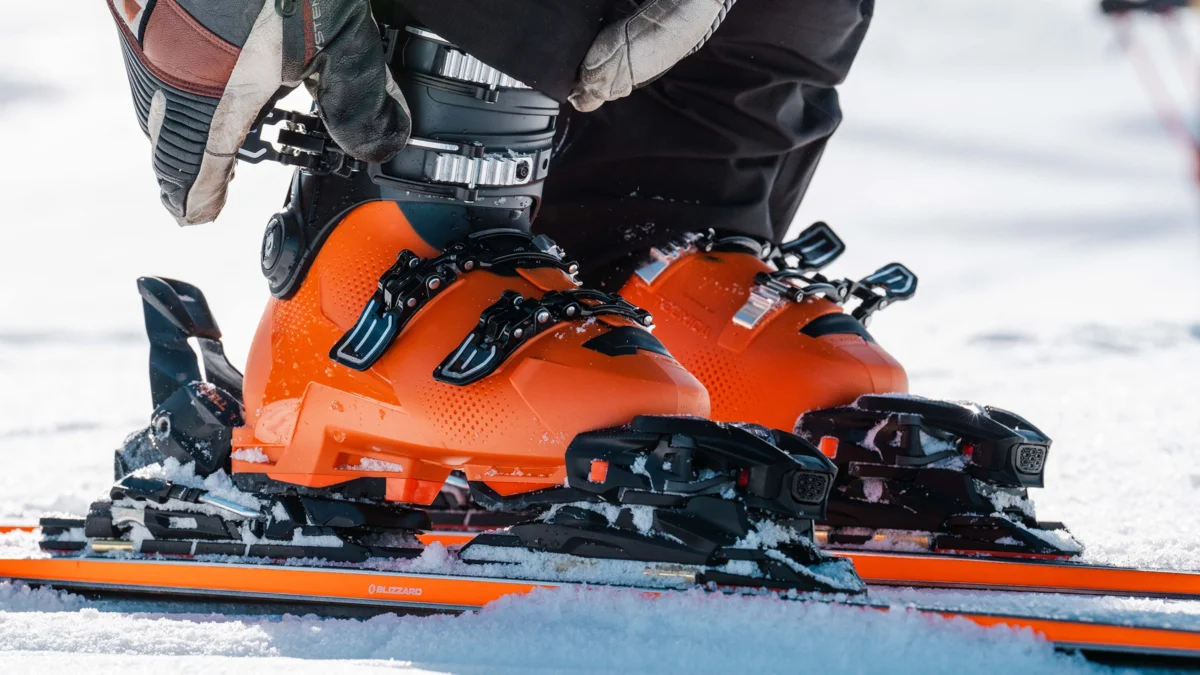
The 2026 iteration of the Mach 1 is the result of years of iterative refinement at Tecnica’s research and development facility in Montebelluna, Italy—the global epicenter of ski boot craftsmanship. The core philosophy behind the Mach 1 is "fit-to-performance," a concept that ensures the boot does not sacrifice power for comfort, or vice versa. To achieve this, Tecnica utilizes its proprietary Custom Adaptive Shape (C.A.S.) technology. Unlike traditional shells that have a smooth exterior, C.A.S. shells feature a dimpled texture in high-problem areas like the navicular bone and the sixth toe. These dimples reduce surface tension and allow for easier heating and punching by bootfitters, ensuring that the plastic holds its new shape more accurately than standard polyurethane (PU) shells.
Beyond the shell, the 2026 model emphasizes the integration of the T-Drive technology. T-Drive is a carbon-fiber spine that creates a structural link between the cuff and the lower shell. In traditional boot designs, the "flex" is managed by the overlap of plastic and the tension of the rivets. The T-Drive system, however, regulates the flex through a more consistent mechanical lever. This innovation provides a more progressive flex—meaning the boot gets stiffer the deeper the skier pushes into it—while preventing the shell from "bellying out" or deforming under high lateral loads. This results in a more direct power transfer to the ski’s edge and a faster rebound when exiting a turn.
Understanding the Volume and Flex Spectrum
One of the primary reasons the Mach 1 has maintained its market dominance is the sheer breadth of its SKU (Stock Keeping Unit) catalog. Tecnica recognizes that "all-mountain" is not a foot shape, but a skiing style. To accommodate the widest possible demographic, the Mach 1 is offered in three distinct lasts (widths at the forefoot):
- Low Volume (LV): At a 98 mm last, the LV model is designed for skiers with narrow feet or those who prefer a "race-like" suction fit for maximum precision.
- Mid Volume (MV): The 100 mm last serves the "meat of the market," providing a balance of comfort for average-width feet without sacrificing the heel hold necessary for high-speed carving.
- High Volume (HV): At 103 mm, the HV model addresses a historically underserved segment of the performance market—skiers with wide feet or high insteps who still require a stiff, responsive boot.
In addition to width options, the 2026 lineup offers flex ratings ranging from a forgiving 95 for intermediate skiers to a stout 130 for experts and former racers. Industry data suggests that the Mach 1 MV 120 remains the top-selling model in the line, as it hits the "sweet spot" for the advanced recreational skier who spends 70% of their time on groomed runs and 30% in off-piste terrain.
Historical Context and the Montebelluna Legacy
To understand the impact of the Mach 1, one must look back at the evolution of the Blizzard-Tecnica group. Following the acquisition of Blizzard Skis by Tecnica in 2006, the group focused on creating a "system" approach to skiing. The Mach 1 was launched as the successor to the legendary Inferno and Dragon series, which were praised for their performance but often criticized for their punishing, narrow fits.
The Mach 1’s debut represented a shift toward "performance-comfort." Over the last decade, the boot has undergone three major structural redesigns. The first introduced C.A.S. liners; the second integrated C.A.S. into the shell; and the third—leading into the 2026 model—focused on the T-Drive and weight reduction. By maintaining a consistent name and design language, Tecnica has built significant brand equity, making the Mach 1 one of the most recognizable names in any ski shop worldwide.
Technical Specifications and Material Science
The 2026 Mach 1 utilizes high-grade polyether and polyester plastics, materials chosen for their temperature stability. A common complaint among skiers is that boots become "bricks" in sub-zero temperatures and "mushy" on spring days. Tecnica’s material blend is engineered to maintain a consistent flex profile across a wide temperature range.
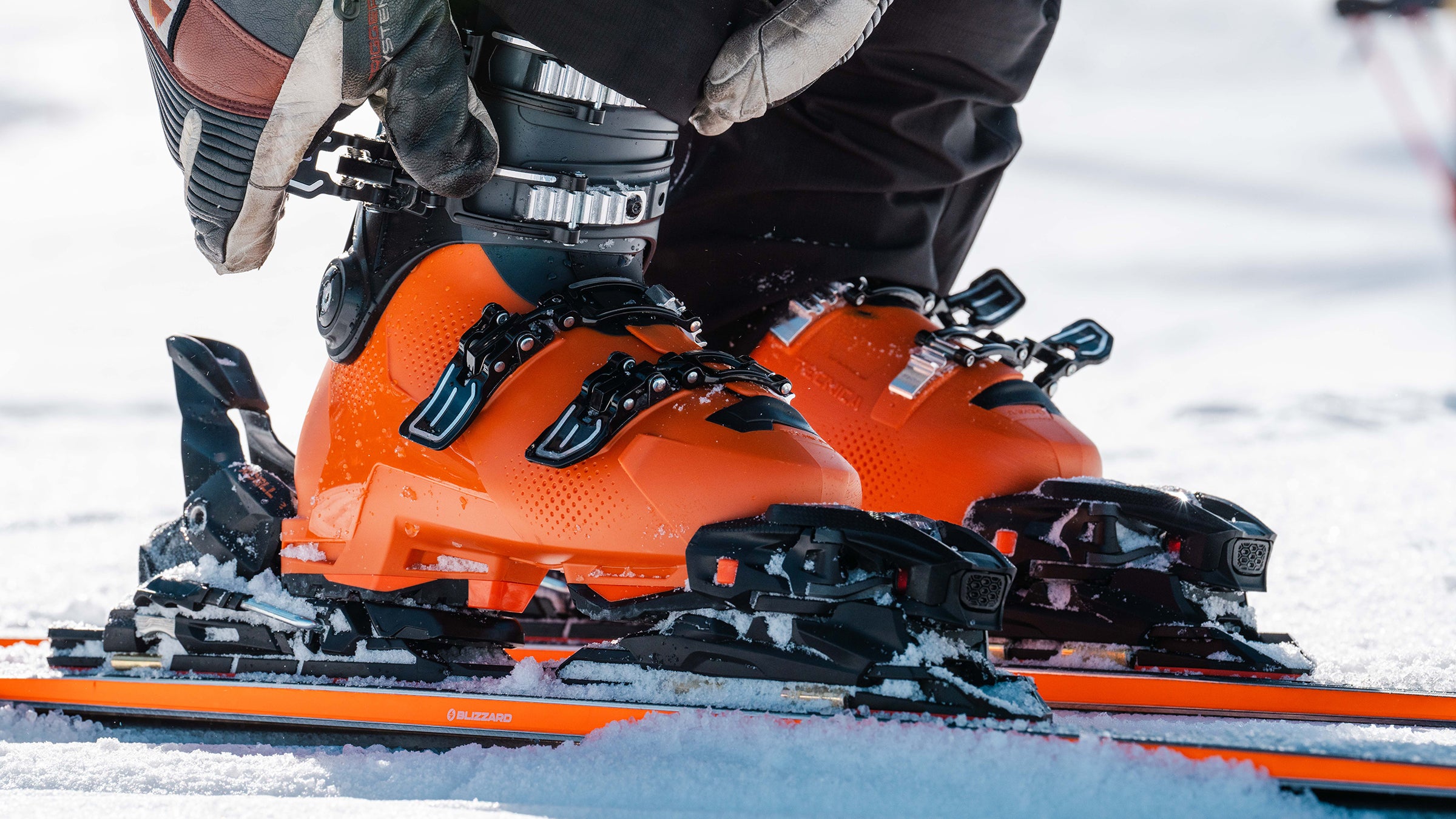
Key specifications for the 2026 Mach 1 130 LV include:
- Weight: Approximately 2,040 grams per boot (size 26.5).
- Liner: C.A.S. with Celliant technology, which uses minerals to convert body heat into infrared energy for improved circulation and warmth.
- Buckles: Four micro-adjustable aluminum Lift-Lock buckles, which stay open to make stepping in and out of the boot easier.
- Power Strap: 45 mm strap with a power lock plate for enhanced shin-to-shell contact.
- Soles: ISO 23223 GripWalk soles, which have become the industry standard for improved walking traction and compatibility with modern bindings.
Expert Reactions and Field Testing Results
Professional bootfitters and gear testers have lauded the 2026 Mach 1 for its "predictability." Mark Elling, a renowned bootfitting expert and instructor, has noted that the Mach 1 is often the "control group" against which all other all-mountain boots are measured. In field tests conducted across various snow conditions—from the hardpack of Vermont to the deep powder of the Rockies—testers highlighted the boot’s "dampness."
In the context of ski boots, dampness refers to the ability of the plastic and liner to absorb high-frequency vibrations. A boot that is too stiff and "pingy" can feel harsh on ice, leading to leg fatigue. The Mach 1’s PU construction and C.A.S. liner work in tandem to filter out "snow noise," providing a smooth, Cadillac-like ride even in variable "crust-to-slush" conditions.
However, the 2026 redesign is not without its critics. Some testers with exceptionally low-volume feet have noted that the 98 mm LV model, while precise, still feels slightly more generous than dedicated "plug" race boots from competitors like Lange or Head. This suggests that while the Mach 1 is the ultimate all-mountain tool, the most elite-level racers may still require the ultra-narrow lasts found in Tecnica’s Firebird racing line.
Industry Impact and Broader Implications
The success of the Mach 1 has forced other major manufacturers to rethink their product hierarchies. We are currently seeing a "volume war" in the industry, where brands like Nordica (with the Speedmachine), Salomon (with the S/Pro), and Rossignol (with the Hi-Speed) are all mimicking Tecnica’s multi-last strategy.
The 2026 Mach 1 also reflects a broader trend toward sustainability in winter sports manufacturing. Tecnica’s "Recycle Your Boots" program, which launched in Europe and is expanding globally, encourages skiers to return their old boots to be broken down into raw materials. While the Mach 1 itself is still primarily made of virgin plastics to ensure safety and performance, the manufacturing process has been optimized to reduce waste, and the long lifespan of the boot—often lasting 150+ ski days—reduces the frequency with which equipment enters the waste stream.
Conclusion: The Future of the All-Mountain Category
As the 2026 ski season approaches, the Tecnica Mach 1 remains the "gold standard" for a reason. It is a rare example of a product that manages to be a "jack of all trades" while simultaneously being a "master" of performance. By offering a solution for the high-volume foot of a weekend warrior and the low-volume foot of a former collegiate racer, Tecnica has democratized high-performance skiing.
The 2026 redesign does not reinvent the wheel; instead, it perfects the geometry and material science of a boot that was already at the top of its class. For the consumer, this means a boot that is easier to customize, more consistent in various temperatures, and more efficient at transferring energy to the ski. In an industry often prone to hyperbole and "innovation for the sake of innovation," the Mach 1 stands as a testament to the power of incremental, athlete-driven refinement. Whether it is the dampness of the plastic, the anatomical shape of the C.A.S. liner, or the mechanical advantage of the T-Drive spine, every element of the 2026 Mach 1 is designed with a singular purpose: to make the connection between the skier and the mountain as seamless as possible.
