

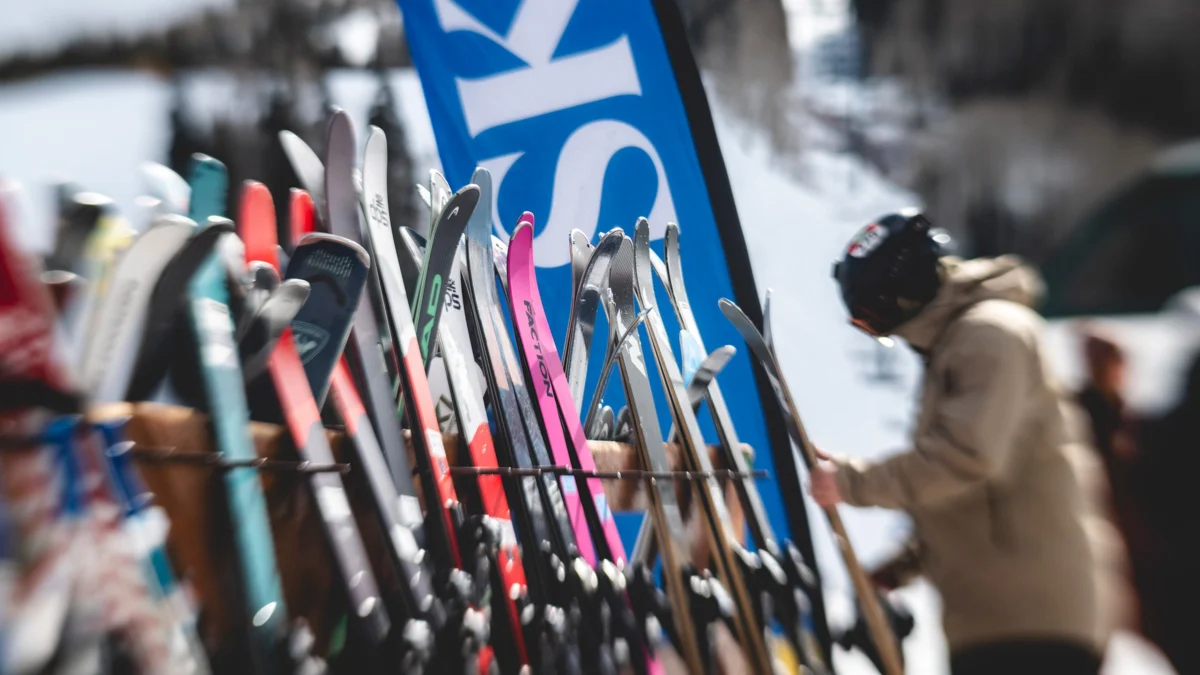
The global ski equipment market is currently entering its most critical transitional phase as retailers move to liquidate 2026 inventory to make room for the highly anticipated 2027 product lines. For the strategic consumer, the mid-summer period represents a unique window where high-performance gear is available at its lowest price point, particularly for models that are being phased out entirely. While manufacturers often keep discontinuation plans quiet to protect the sales of upcoming flagship models, industry analysts and testing data from events such as the 2026 SKI Test in Deer Valley, Utah, provide a clear roadmap of which "classics" are headed for the clearance rack. The shift toward the 2027 season is marked by a notable trend in construction philosophy, moving away from heavy, directional stability toward lighter, more playful, and carbon-reinforced designs.
The Seasonal Lifecycle of Ski Retail and Inventory Liquidation
The lifecycle of a premium ski typically spans 12 to 24 months before a significant structural or aesthetic overhaul occurs. In July 2026, the industry reached a saturation point where the "old" 2026 stock must be cleared to accommodate the logistical arrival of 2027 shipments. This cycle is driven by the necessity of physical floor space in specialty mountain shops and the financial need for retailers to recoup capital for new wholesale purchases.
Data from previous retail cycles suggests that skis being "replaced"—meaning the nameplate is retired or the construction is fundamentally altered—see price reductions ranging from 30% to 55%. This is a sharper decline than the standard 15% to 20% discount applied to "carry-over" models (skis that only receive a new graphic update). For the 2027 season, several major brands including Nordica, Rossignol, Armada, and Black Diamond are executing significant pivots in their product lineups, rendering their 2026 counterparts "legacy" equipment.
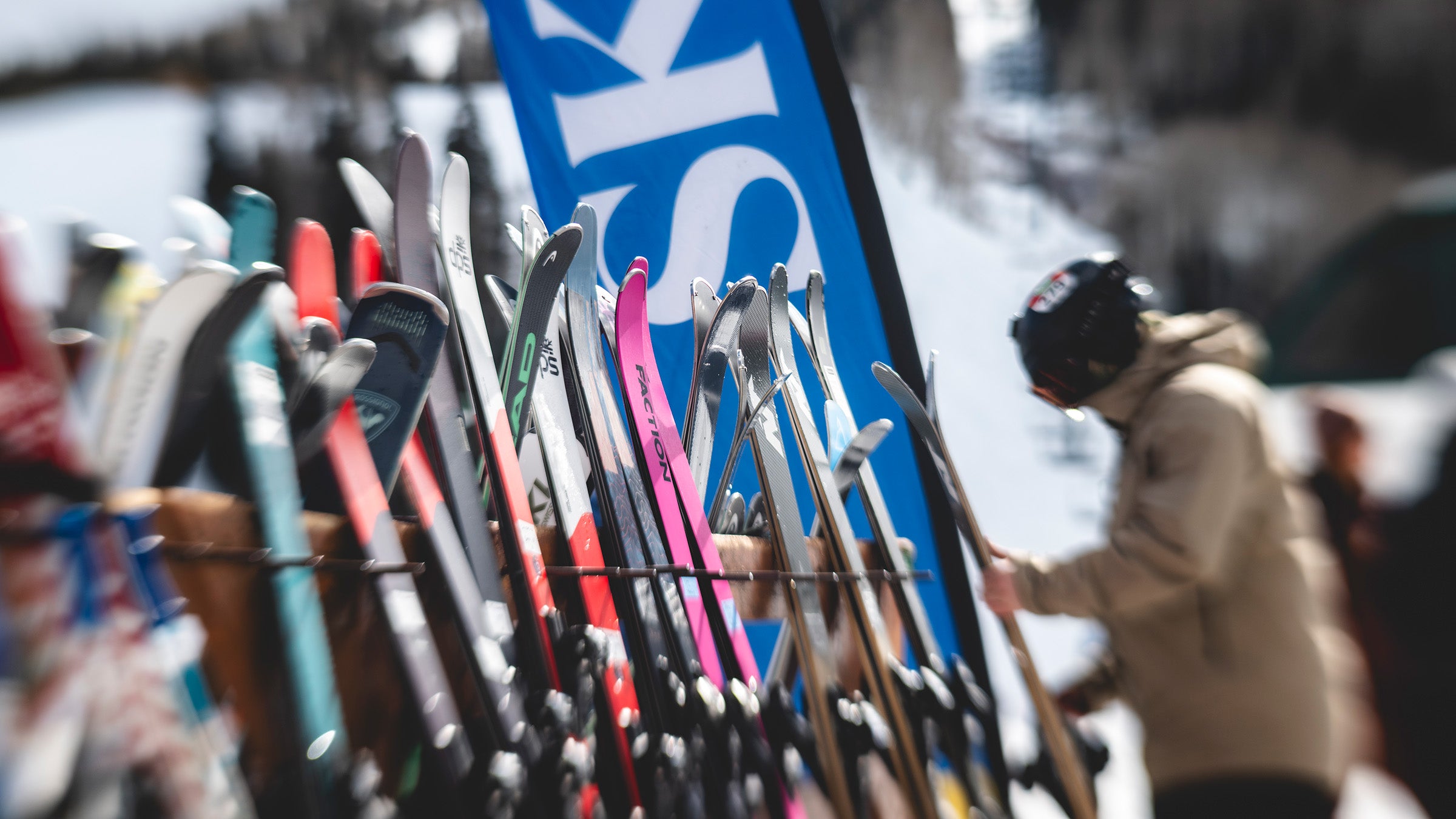
Chronology of the 2026 to 2027 Transition
The transition began in earnest during the late winter of 2025 and early 2026, when manufacturers provided prototypes to professional testers and media outlets.
- January–March 2026: Industry professionals conducted "on-snow" testing of 2027 prototypes. At this stage, brands finalized which 2026 models would be discontinued based on feedback regarding weight, maneuverability, and market trends.
- April–May 2026: Retailers placed their "Pre-Season" orders for the 2027 lines. This is the moment when shop owners identified exactly how much 2026 inventory remained and began initial markdowns.
- June–August 2026: The "Deep Discount" phase. With 2027 models shipping from factories in Europe and North America, retailers have escalated price cuts to their maximum levels.
- September 2026: The official launch of 2027 marketing campaigns. At this point, any remaining 2026 stock is often moved to "outlet" sections or secondary online markets.
Technical Analysis of Discontinued 2026 Models
Nordica Unleashed 108: A Shift Toward Playfulness
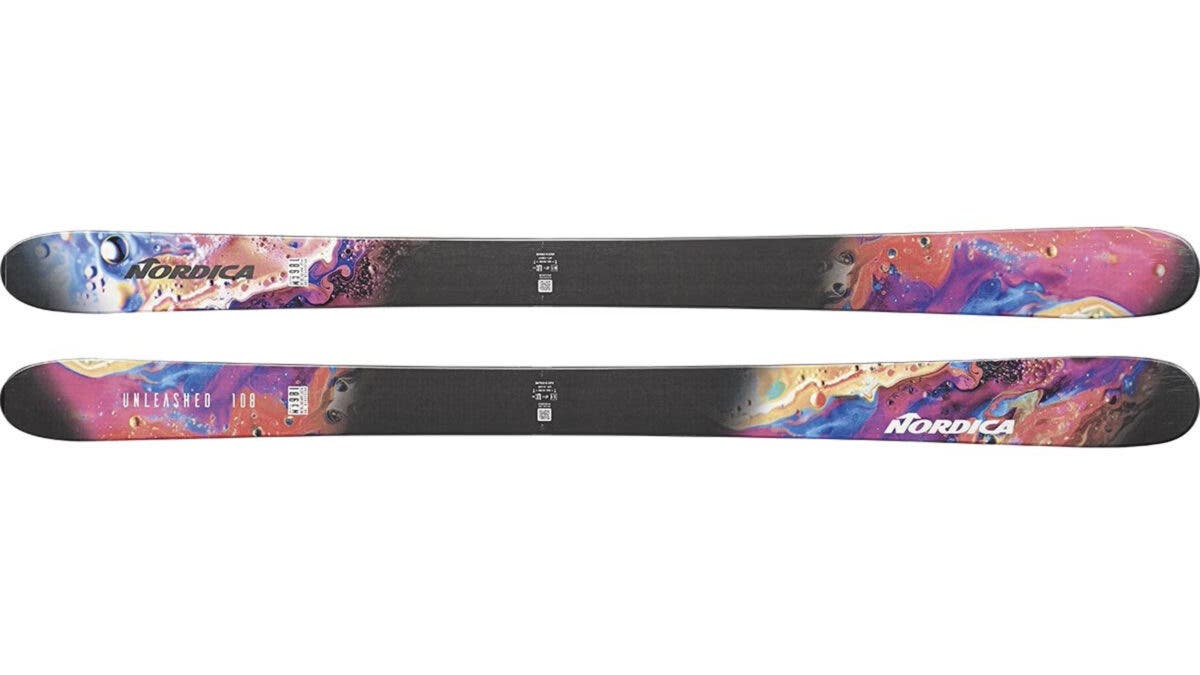
Nordica has confirmed the retirement of the Unleashed 108, a ski lauded for its "planted" and stable feel. For 2027, the brand is bifurcating this slot in the lineup with the Unleashed 106 and the Unleashed 106 CA. The new 106mm waist width indicates a move toward versatility, but the real change lies in the geometry. The 2027 models feature a more pronounced taper in the tip and tail, reducing the effective edge for the sake of "smearing" and pivotability.
The 106 CA (Carbon) version represents the most radical departure, removing metal entirely to create a lightweight, "loose" ride. For traditionalists who value the dampness and high-speed stability provided by the 2026 model’s partial metal strip and 108mm footprint, the current sales represent the final opportunity to own a ski that prioritizes "charging" over "playing."
Rossignol Sender Soul Line: Clarifying Nomenclature
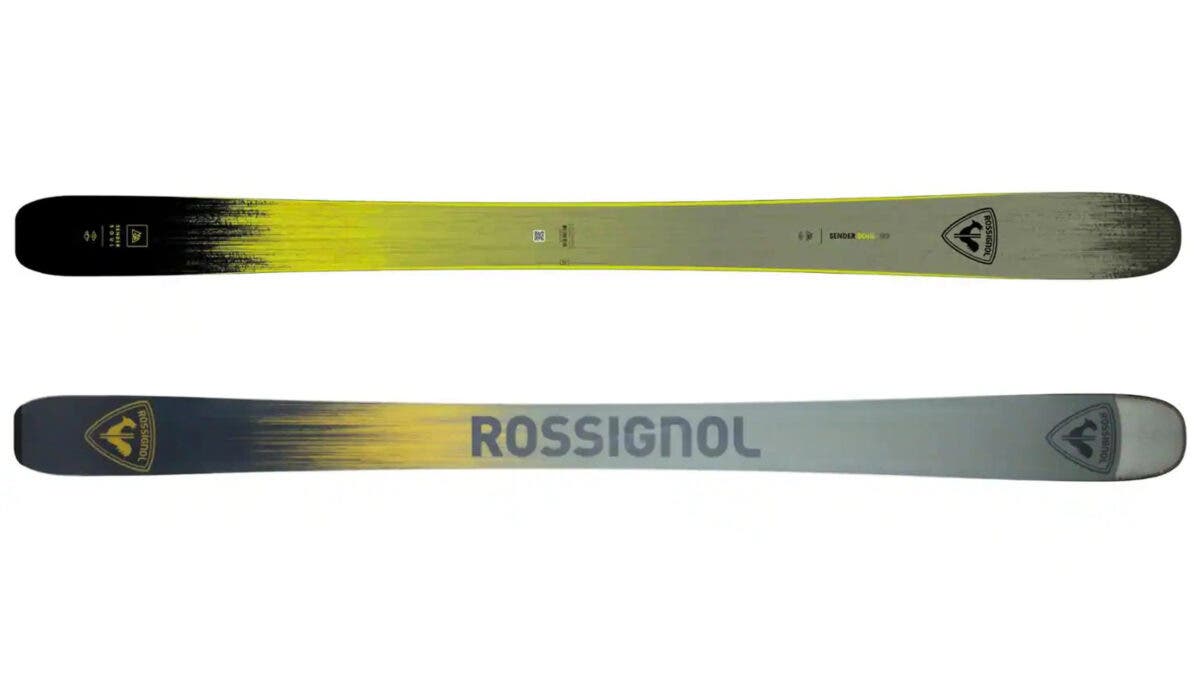
Rossignol is addressing a long-standing point of consumer confusion by splitting the Sender Soul family into two distinct categories. The 2027 "Sender" line (118, 110, 100) will target the freeride market, while the "Soul" line (102, 92) will focus on directional, all-mountain performance.
Of particular interest to bargain hunters is the Sender Soul 102. While the 2027 version remains technically identical to the 2026 model, the rebranding means the 2026 version is being liquidated at a discount. Conversely, the Soul 92 has undergone a complete structural overhaul for 2027, adding "heft and backbone" to appeal to expert skiers. This makes the 2026 Soul 92 a specific target for intermediate skiers who prefer a softer, more forgiving flex that the new, stiffer 2027 version will lack.
Armada Declivity and Reliance: The "Antimatter" Evolution
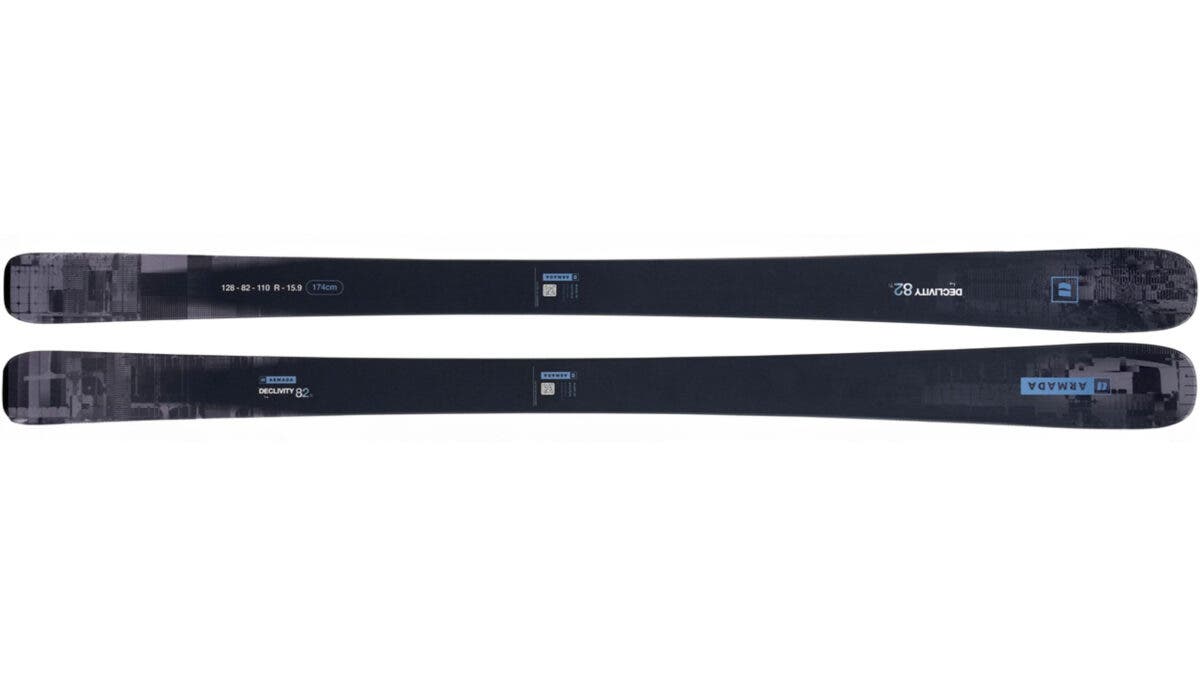
In one of the more significant brand shifts for 2027, Armada is retiring both the men’s Declivity and women’s Reliance lines. These are being replaced by the "Antimatter" collection. The 2026 Declivity was built as a "groomer-first" directional carver, utilizing a construction that kept the ski glued to the snow at high speeds.
The new Antimatter series introduces "Speed Metal" construction—a design that concentrates Titanal underfoot while leaving the extremities of the ski light and flexible. This evolution targets the "freeride" demographic, favoring side-hits and slashing over traditional carving. For skiers who prioritize a "locked-in" feel on hardpack, the discontinuation of the Declivity marks the end of an era, making the 2026 closeout sales a strategic necessity.
Black Diamond Impulse: The Addition of Titanal
Black Diamond’s approach for 2027 is one of reinforcement rather than replacement. The 2026 Impulse was known for its "light and lively" feel, particularly in technical terrain like moguls and tight glades. The 2027 "Impulse Ti" adds a sheet of Titanal (an aluminum alloy) to improve dampness and stability in variable, "chopped-up" snow.
While the 2027 update solves the "chatter" issues some skiers experienced at high speeds, it introduces a weight penalty. Analysis suggests that skiers who utilize the Impulse as a "crossover" ski for both resort and backcountry use may actually prefer the 2026 non-Ti version for its superior "swing weight" and ease of uphill travel.
Icelantic Pioneer and Riveter: Transition to Carbon Matrix
Colorado-based Icelantic is phasing out the Pioneer and Riveter in favor of the new Torrent and Tempest models. The fundamental change here is the replacement of traditional metal reinforcements with a "V12 Carbon Matrix."
Icelantic engineers claim the carbon matrix provides the same "pop" and rebound as the 2026 models but with a significant reduction in total weight. However, carbon-heavy skis often have a different "vibration frequency" than those with metal or traditional wood cores, sometimes feeling "pingy" on ice. Intermediates who have found the 2026 Pioneer and Riveter to be approachable and reliable "daily drivers" will find the current price drops to be among the most competitive in the industry.
Market Implications and Consumer Data
The financial incentive for purchasing discontinued 2026 gear extends beyond the initial sticker price. By saving an average of $300 to $450 per pair of skis, consumers are effectively subsidizing other costs associated with the sport. In the current economic climate, where "Dream Japow" (Japan powder) trips can cost upwards of $5,000, the savings from a single pair of discounted skis can cover the cost of a multi-day regional lift pass or upgraded backcountry safety gear.
Retailer data from the 2025 summer season showed that "discontinued" models sold 40% faster than "carry-over" models once the discount exceeded the 35% threshold. This suggests that the "savvy skier" demographic mentioned in recent industry reports is becoming increasingly aware of the technical specifications of their gear and is willing to forgo the "latest and greatest" label in exchange for proven performance and value.
Broader Impact on the Ski Industry
The shift toward 2027 models highlights a broader industry trend: the "Freeride-ification" of all-mountain skis. Almost every major brand is moving toward shapes that are easier to pivot and constructions that are lighter. While this benefits the average recreational skier by making the sport less physically demanding, it leaves a gap for the "power skier" who relies on mass and edge-grip.
Industry analysts suggest that the discontinuation of models like the Declivity and the original Unleashed 108 reflects a desire by brands to consolidate their offerings. By creating "one-ski-quivers" that appeal to a broader range of styles, brands can reduce manufacturing complexity. However, for the specialist who knows exactly what they want, this consolidation makes the 2026 inventory even more precious.
As the 2027 season approaches, the window for these deals is narrowing. Once the "pre-season" excitement begins in September, the remaining 2026 stock will be sparse, often leaving only outlier sizes (very short or very long) available. For the majority of skiers, the current July and August timeframe remains the optimal period to secure high-performance, discontinued equipment before it transitions from the retail floor to the history books.
