

The federal government officially initiated the first of five mandated lease sales in Alaska’s Western Arctic on March 18, marking a significant milestone in a century-long tug-of-war between industrial development and environmental conservation. This latest move opens approximately 5.5 million acres of the National Petroleum Reserve-Alaska (NPR-A) to competitive bidding, a process that includes the ecologically sensitive Teshekpuk Lake wetlands. The sale is part of a broader federal program that mandates at least five such auctions over the next decade, highlighting a complex legal and bureaucratic framework that dates back to the early 20th century.
The NPR-A, covering more than 22 million acres, represents the largest single block of public land in the United States. Its current status as a focal point for energy production is the result of decades of shifting administrative priorities, legislative updates, and evolving national security concerns. As the government moves forward with these "expeditious" leasing programs, the intersection of historical designations and modern climate realities has sparked intense debate among policymakers, environmental scientists, and industry stakeholders.
Historical Context: From Naval Reserve to National Asset
The origins of the NPR-A trace back to 1923, when President Warren G. Harding signed an executive order establishing "Naval Petroleum Reserve No. 4." At the time, the United States Navy was transitioning its fleet from coal to oil, and the discovery of oil seeps along Alaska’s North Slope provided a strategic opportunity to secure future energy supplies. Alaska, then a resource-rich territory emerging from the gold rush era, was viewed by the federal government as a vital reserve for national defense.
In 1976, management of the land was transferred from the U.S. Navy to the Department of the Interior under the Naval Petroleum Reserves Production Act. This legislation renamed the area the National Petroleum Reserve-Alaska (NPR-A). While the name was updated to reflect civilian management, the underlying mandate remained focused on the "expeditious program of competitive leasing" for oil and gas. This bureaucratic identity has persisted for over a century, providing the legal scaffolding for current development projects.
The history of the reserve is also intertwined with political controversy. Shortly after designating the NPR-A, President Harding’s administration was rocked by the Teapot Dome scandal, involving his Interior Secretary, Albert Bacon Fall, who accepted bribes for leasing Navy Petroleum Reserve No. 3 in Wyoming. This historical precedent of conflict over public land use continues to echo in modern discussions regarding the ethics and transparency of Arctic resource extraction.
Geographical and Ecological Significance
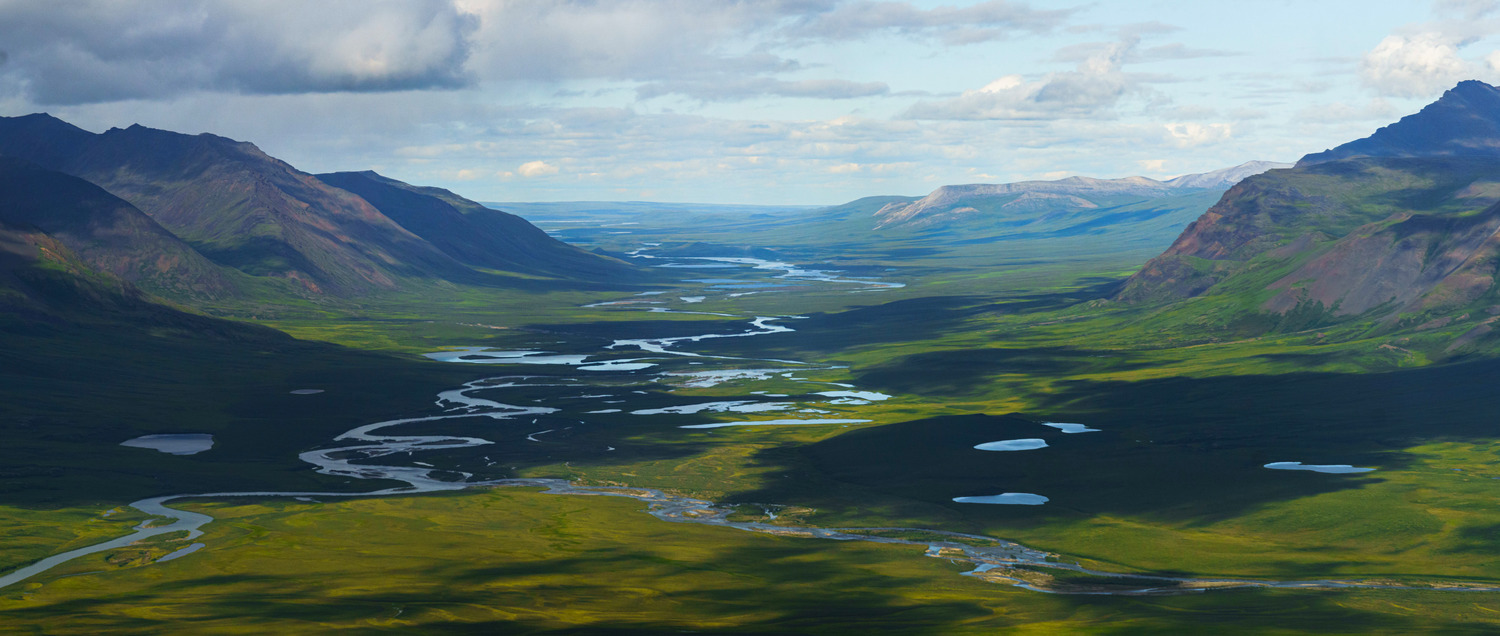
Spanning an area roughly the size of Indiana—or nearly the size of the state of Ohio—the NPR-A is a vast, largely untrammeled ecosystem. It stretches from the Brooks Range in the south to the Arctic Ocean in the north, and from the Colville River in the east to the Chukchi Sea in the west. Unlike the contiguous United States, where public lands are often fragmented by roads and private property, the NPR-A remains a continuous landscape.
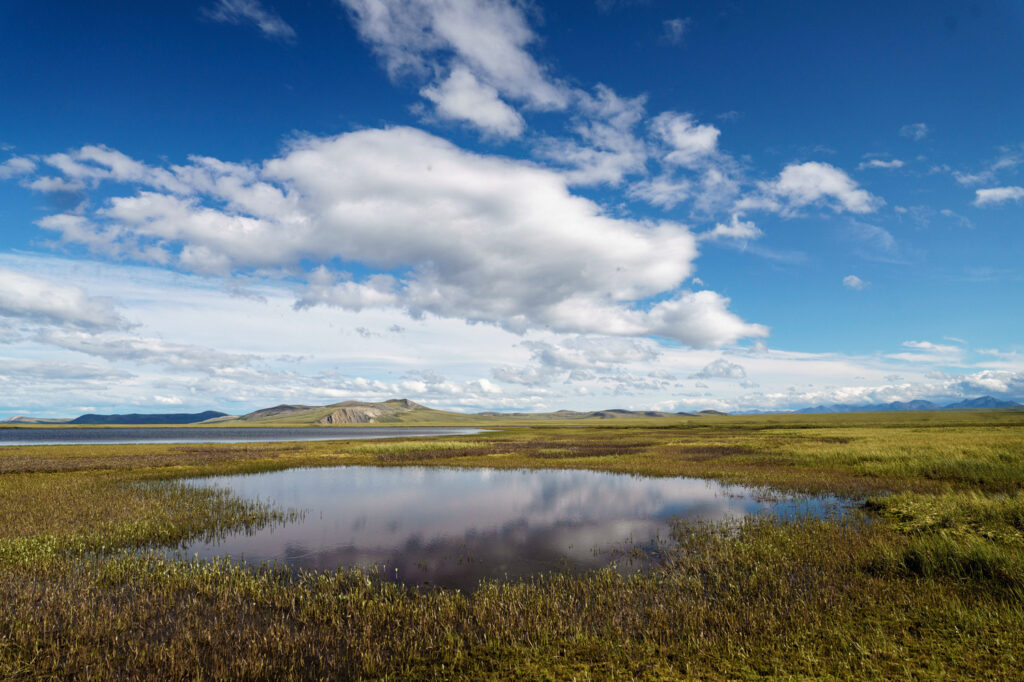
The region’s ecological value is globally significant. It serves as a primary habitat for the Teshekpuk Lake caribou herd and provides nesting grounds for millions of migratory birds. Estimates suggest that more than 5 million aquatic birds from six different continents migrate to the NPR-A wetlands each season. Teshekpuk Lake itself is recognized as one of the most important molting habitats for migratory waterfowl in the entire Arctic.
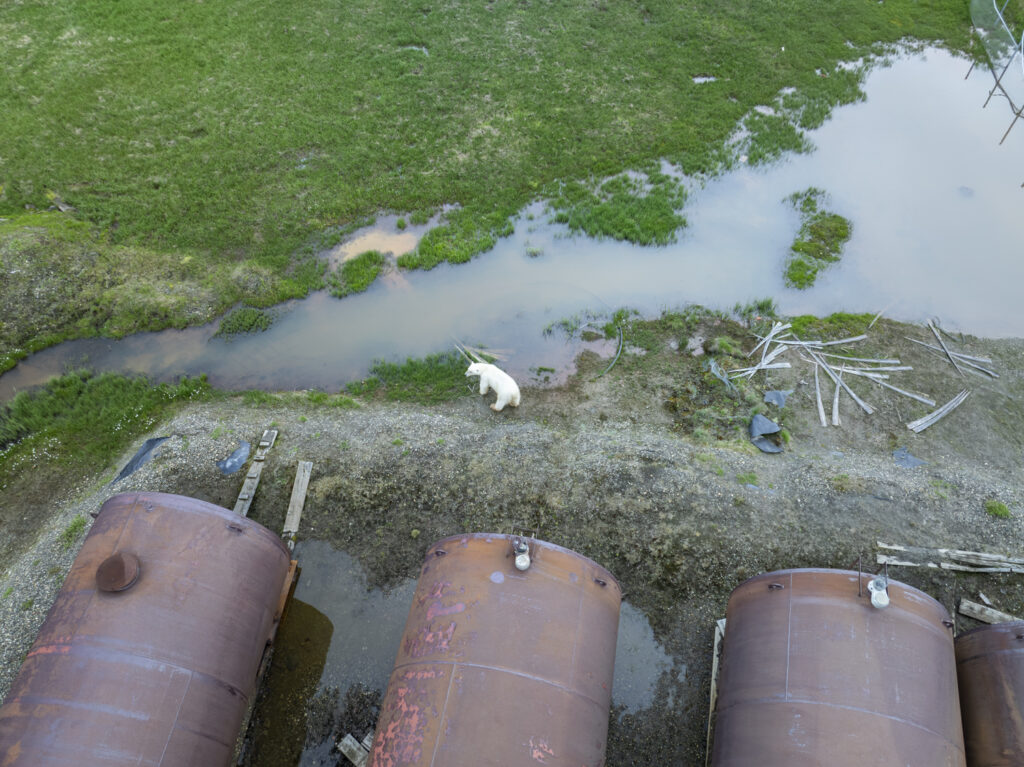
The Western Arctic is also home to critical populations of polar bears, grizzly bears, and wolves. The interconnected nature of the landscape allows for large-scale migrations that are increasingly rare in other parts of the world. Environmentalists argue that the "Petroleum Reserve" designation fails to account for the biological richness of the area, treating a complex ecosystem as a mere warehouse for fossil fuels.
Chronology of Recent Leasing and Development
The current trajectory of leasing in the NPR-A has been shaped by several key administrative actions and legislative mandates over the last decade.
- 2017–2020 (Expansion of Access): The Trump administration moved to open nearly 82% of the NPR-A to oil and gas leasing, reversing previous protections for the Teshekpuk Lake area. This period saw the formalization of the five-lease-sale mandate.
- 2021–2023 (Administrative Review): Upon taking office, the Biden administration initially paused new oil and gas leases on federal lands to conduct a comprehensive review of their environmental impacts. However, legal challenges and existing mandates eventually led to the continuation of several projects.
- March 2023 (The Willow Project Approval): In a landmark decision, the Department of the Interior approved the Willow Project, a massive oil development by ConocoPhillips located within the NPR-A. The project is estimated to produce roughly 600 million barrels of oil over its 30-year lifespan.
- April 2024 (New Protections Proposed): In response to criticism over the Willow approval, the federal government announced new rules to restrict future oil and gas leasing across 13 million acres of the NPR-A, aimed at protecting "Special Areas" while still honoring existing leases and mandates.
- March 18 (Current Lease Sale): The opening of the first of five mandated lease sales represents the legal fulfillment of requirements set in motion by previous legislative actions, highlighting the difficulty of reversing long-term energy policy.
Economic Data and Resource Estimates
The economic allure of the NPR-A is driven by the sheer volume of technically recoverable resources. According to the United States Geological Survey (USGS), the Northern Alaska region may contain nearly half of all undiscovered, technically recoverable oil on federal lands in the country.
Specifically, the NPR-A is estimated to hold approximately 8.7 billion barrels of oil and 25 trillion cubic feet of natural gas. While these figures are substantial, the cost of extraction in the Arctic is significantly higher than in the Permian Basin or other domestic sources. The harsh environment, lack of infrastructure, and the need for specialized equipment mean that Arctic oil requires high global prices to remain commercially viable.
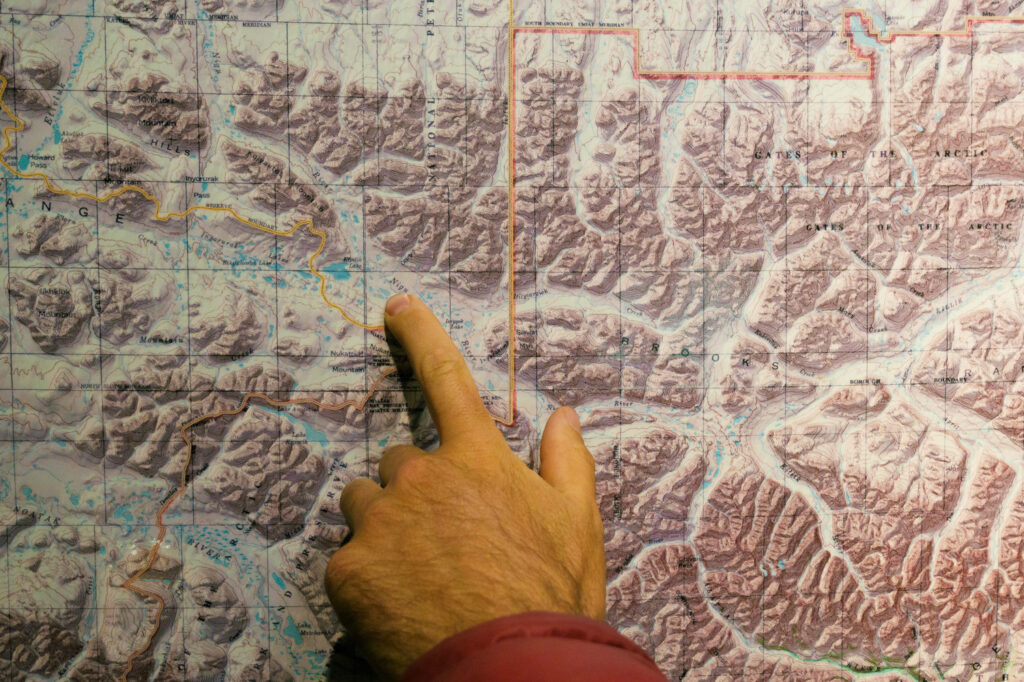
Furthermore, critics point out that Arctic development often relies on public subsidies. The construction of roads, such as the proposed 200-mile Ambler Road to access mining districts, and the maintenance of the Dalton Highway require significant state and federal investment. From a fiscal perspective, some analysts argue that the return on investment for Arctic drilling is lower than that of renewable energy transitions or more accessible domestic oil fields.
Climate Change and Environmental Analysis
The Arctic is warming three to five times faster than the global average, a phenomenon known as Arctic amplification. This rapid warming has led to the melting of permafrost, the loss of sea ice, and shifts in migratory patterns. The development of fossil fuel infrastructure in this region presents a dual threat: the direct impact of construction and spills, and the indirect impact of carbon emissions generated by the extracted oil.
The Willow Project alone is expected to generate approximately 239 million metric tons of carbon dioxide equivalent over its lifetime. Scientists warn that continuing to open new frontiers for oil extraction is inconsistent with global goals to limit warming to 1.5 degrees Celsius. The fragility of the tundra means that any industrial footprint—roads, pipelines, or drill pads—can have permanent effects on the landscape, as the frozen soil takes decades to recover from disturbances.
Stakeholder Reactions and Social Impact
The debate over the NPR-A involves a diverse array of stakeholders with conflicting interests:
- The State of Alaska: State officials often support expansion, citing the need for revenue to fund the state budget and maintain the Trans-Alaska Pipeline System (TAPS), which has seen declining throughput in recent years.
- Indigenous Communities: Perspectives among Alaska Native groups are varied. Some North Slope communities rely on the economic benefits and jobs provided by the oil industry to fund schools and infrastructure. Others, particularly those focused on subsistence hunting and fishing, express deep concern that industrial noise and pollution will disrupt caribou migrations and whale populations.
- Environmental Organizations: Groups like "Protect Our Winters" and the Sierra Club argue that the NPR-A should be managed for its conservation values. They emphasize that the "petroleum" label is a relic of the past that ignores modern environmental science.
- Energy Companies: Operators like ConocoPhillips maintain that Arctic development can be done responsibly with a small physical footprint, providing energy security and economic stability.
Broader Implications and Future Outlook
The March 18 lease sale is more than a simple real estate transaction; it is a reflection of the enduring power of political and legal designations. The name "National Petroleum Reserve" continues to dictate the land’s fate, regardless of its ecological importance or the changing global climate.
As the federal government proceeds with the remaining four mandated sales, the future of the Western Arctic remains uncertain. Legal challenges from environmental groups are expected to continue, potentially slowing the pace of development. Meanwhile, the global shift toward decarbonization may eventually impact the financial viability of these long-term projects.
The conflict in the NPR-A serves as a case study in the challenges of modern land management. It pits the legacy of 20th-century energy policy against 21st-century environmental imperatives. While the legal machinery for leasing remains in motion, the social and political pressure to exercise restraint in the "last whole place" of the American Arctic continues to grow. The decisions made today regarding these 22 million acres will resonate for generations, determining whether the region remains a sanctuary for wildlife or a permanent fixture of the global industrial complex.
