

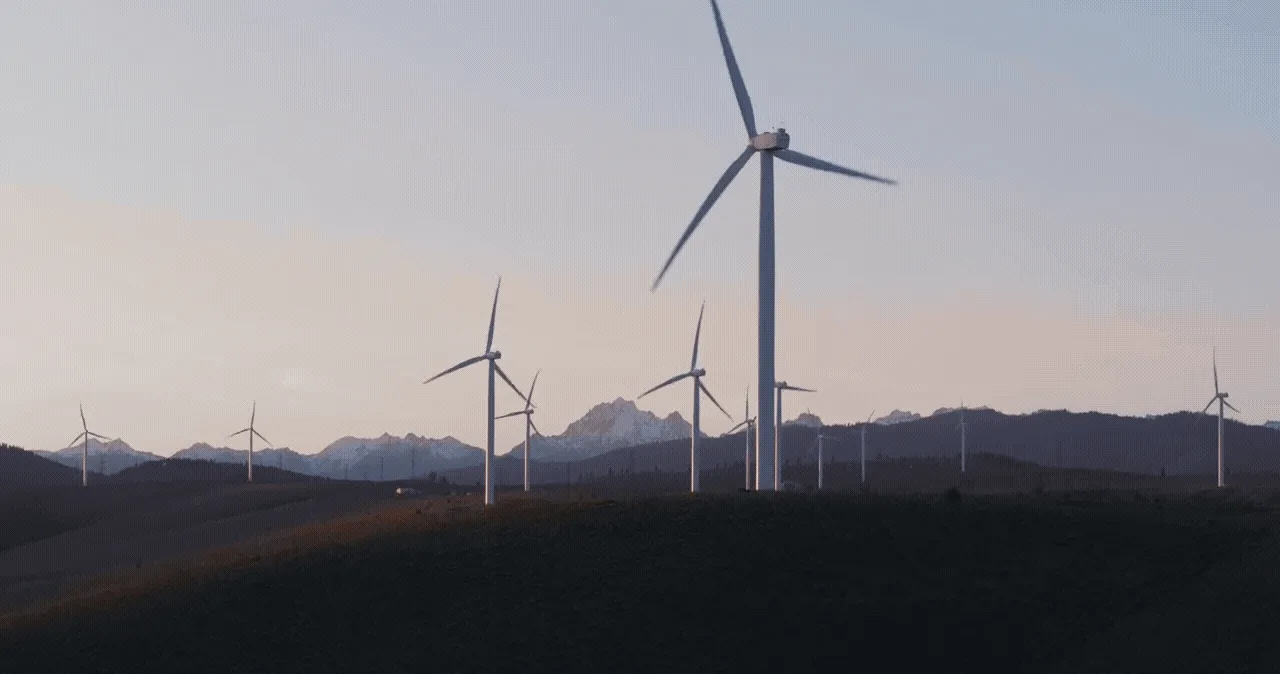
As the global transition toward renewable energy accelerates, a sophisticated and well-funded campaign of opposition has emerged, characterized by a mix of genuine local concerns and coordinated disinformation. Industry analysts and climate scientists have observed a surge in narratives claiming that offshore wind projects decimate property values, solar farms destroy arable land, and wind turbines pose an existential threat to avian populations. While some of these concerns stem from a lack of technical understanding among the public, a significant portion is attributed to strategic disinformation efforts funded by fossil fuel interests seeking to protect market share. The current landscape of climate discourse is no longer just about the feasibility of technology, but about a battle for public perception and the integrity of scientific communication.
Defining the Conflict: Misinformation versus Disinformation
In the context of the clean energy transition, it is critical to distinguish between misinformation and disinformation. Misinformation refers to the accidental spread of false or misleading information by individuals who believe it to be true. For instance, a concerned citizen might share a post about wind turbines causing "infrasound sickness" because they are genuinely worried about health impacts, despite a lack of peer-reviewed evidence supporting such claims.
Disinformation, conversely, is the intentional creation and dissemination of false narratives designed to deceive. This is often a strategic tool used by "bad actors" to stall policy progress, delay infrastructure projects, or avoid corporate accountability. By seeding doubt in the minds of the public, these entities can shift the conversation away from systemic climate solutions toward narrow, exaggerated claims. This often leads to internal conflicts within communities, effectively derailing projects that are essential for meeting international carbon reduction targets.
A Chronology of Climate Obstructionism
The current wave of clean energy disinformation is not a new phenomenon but the latest chapter in a decades-long history of corporate influence.
- The 1970s and 1980s: Internal documents from major oil companies, such as Exxon (now ExxonMobil), reveal that their own scientists accurately predicted global warming trends as early as 1977. Despite this internal knowledge, these companies began funding external campaigns to cast doubt on climate science.
- The 1990s: Following the 1992 Earth Summit and the 1997 Kyoto Protocol, the Global Climate Coalition—a group representing various industrial interests—spent millions of dollars on advertisements arguing that the science behind the greenhouse effect was "uncertain."
- The 2000s and 2010s: The strategy shifted from denying the existence of climate change to attacking the viability of the solutions. This period saw the rise of the "unreliable" narrative regarding wind and solar power, often ignoring advancements in battery storage and grid management.
- The 2020s: Modern disinformation utilizes social media algorithms to amplify localized opposition to specific projects. Tactics include "astroturfing," where fake grassroots movements are created to give the appearance of widespread local hostility toward renewable energy installations.
Analyzing the Data: Addressing Common Clean Energy Myths
To counter the prevailing narratives, it is necessary to examine the empirical data regarding the most common points of contention: electric vehicles (EVs), bird mortality, and offshore ecosystems.
The Lifecycle Emissions of Electric Vehicles
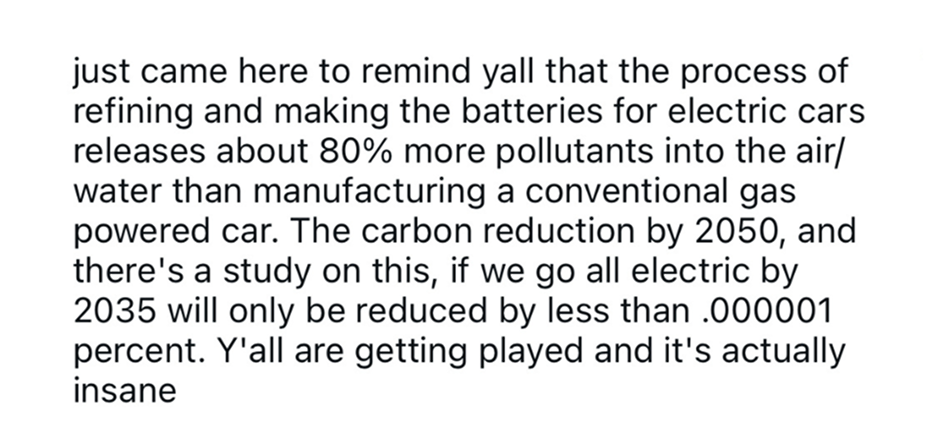
A frequent criticism of the transition to electric mobility is that the mining of minerals for batteries—such as lithium, cobalt, and nickel—renders EVs more environmentally damaging than internal combustion engine (ICE) vehicles. While mineral extraction does have an environmental footprint, researchers at the Massachusetts Institute of Technology (MIT) have found that the lifetime emissions of EVs remain significantly lower than those of gas-powered cars.
According to MIT’s Laboratory for Aviation and the Environment, gasoline-powered cars emit an average of 350 grams of CO2 per mile over their functional life. In contrast, hybrid and plug-in hybrid vehicles average approximately 260 grams per mile. Fully battery-electric vehicles, even when accounting for the carbon-intensive manufacturing process and the current mix of the electrical grid, produce only about 200 grams of CO2 per mile. As the grid becomes greener, this gap is expected to widen further in favor of EVs.
Wind Turbines and Avian Populations
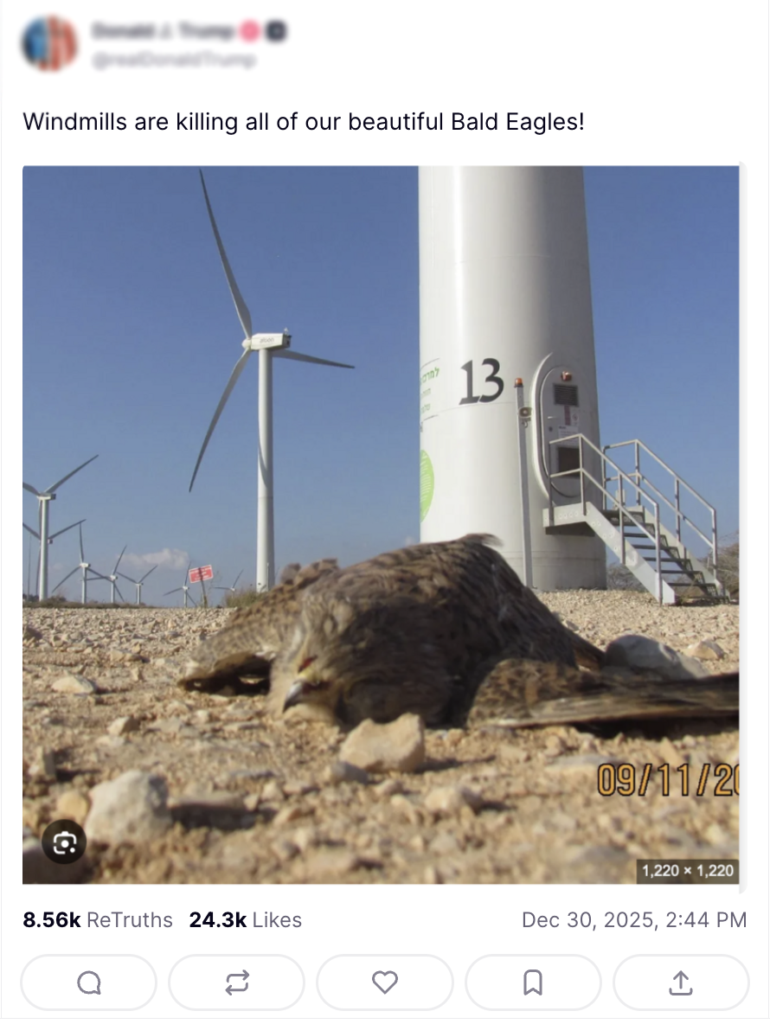
The claim that wind farms are "killing birds" is a staple of anti-renewable rhetoric. While it is true that wind turbines cause bird fatalities, the scale of this impact must be viewed in the context of other human-induced threats. The U.S. Fish and Wildlife Service estimates that land-based wind turbines are responsible for roughly 140,000 to 500,000 bird deaths annually.
In comparison, collisions with glass buildings result in nearly 1 billion bird deaths per year in the United States alone. Furthermore, domestic and feral cats are estimated to kill between 1.3 billion and 4 billion birds annually. Climate change itself, driven by fossil fuel combustion, remains the greatest long-term threat to bird species by destroying habitats and disrupting migration patterns.
Offshore Wind and Marine Ecosystems
Opposition to offshore wind often cites the potential disruption of aquatic habitats. However, marine biologists point out that offshore oil and gas infrastructure carries significantly higher risks. Oil spills, such as the 2010 Deepwater Horizon disaster, have catastrophic, long-lasting effects on marine life, poisoning food chains and destroying coastal ecosystems.
While offshore wind construction does generate noise and temporary habitat disruption, many agencies, including the National Oceanic and Atmospheric Administration (NOAA), have stated there is no scientific evidence linking offshore wind activities to recent whale strandings. Furthermore, the submerged structures of wind turbines can actually serve as artificial reefs, providing new habitats for various marine species over time.
The Economic and Social Impact of Disinformation
The consequences of disinformation extend beyond environmental metrics; they have profound economic implications. By delaying the transition, communities may miss out on the "green jobs" boom. The International Energy Agency (IEA) reports that the clean energy sector already employs more people than the fossil fuel industry globally. Delays in project approvals—often caused by disinformation-led local opposition—can lead to lost tax revenue for rural municipalities and higher long-term energy costs for consumers as fossil fuel prices remain volatile.
Furthermore, disinformation regarding property values has been largely debunked by academic studies. Research conducted by the Lawrence Berkeley National Laboratory, which analyzed over 50,000 home sales near wind farms, found no statistically significant evidence that the presence of turbines impacted property values in the long term.
Institutional Responses and the Path Forward
Governmental bodies and international organizations are beginning to take more aggressive stances against climate disinformation. The Intergovernmental Panel on Climate Change (IPCC) has identified "vested interests" and "organized counter-movements" as significant barriers to climate action.
In response, several strategies are being implemented to safeguard the energy transition:

- Enhanced Transparency: Regulatory bodies are requiring more rigorous environmental impact statements that specifically address public concerns with peer-reviewed data.
- Fact-Checking Initiatives: Organizations like the International Energy Agency and various non-profits are launching dedicated portals to debunk myths about renewable energy in real-time.
- Community Engagement: Developers are being encouraged to adopt "community benefit agreements," ensuring that local residents receive direct economic advantages from nearby renewable projects, thereby reducing the fertile ground for disinformation to take root.
Broader Implications for Global Stability
The transition to clean energy is not merely an environmental necessity but a matter of national security and economic sovereignty. Relying on global oil markets leaves nations vulnerable to geopolitical instability and price shocks. Disinformation campaigns that stall domestic renewable growth effectively maintain this vulnerability.
As the global community moves toward the goals set by the Paris Agreement, the ability of the public to discern fact from fiction will be a determining factor in the speed of the transition. Scientific literacy and the identification of logical fallacies—such as the "straw man" argument or "red herrings" used to distract from the broader benefits of clean energy—are becoming essential tools for the modern citizen.
While renewable energy infrastructure is not without its challenges, the data consistently shows it to be the safest and most sustainable path forward. The current "fear campaign" serves as a reminder that the transition to a low-carbon economy is as much a social and informational challenge as it is a technical one. By prioritizing evidence-based discourse and recognizing the origins of disinformation, society can ensure that progress is not derailed by the strategic interests of a declining industry.
