

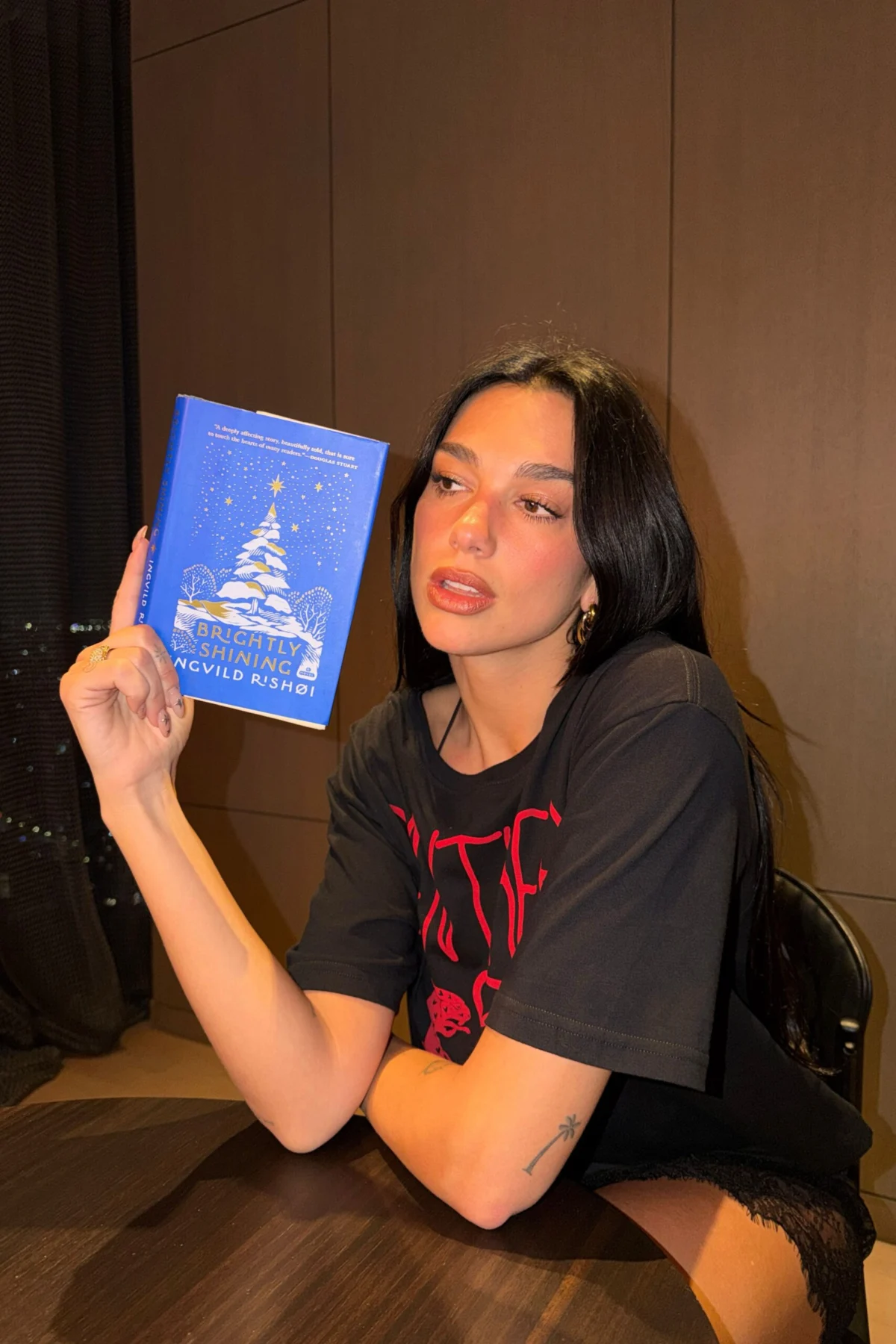
The digital landscape, once a vibrant space for authentic connection and niche communities, has increasingly become a torrent of AI-generated content and repetitive recommendations. Over the past year, this algorithmic deluge has prioritized speed and volume, often at the expense of substance. The pervasive nature of product placements and constant selling has led to a palpable sense among Gen Z that their online experiences are perpetually geared towards consumption, a phenomenon that has fundamentally altered the marketing funnel. This evolving reality has paved the way for a new echelon of digital creators: the intellectual influencer.
These individuals distinguish themselves not by their aesthetic appeal or personal style, but by content rooted in deep expertise, passionate hyperfixations, specialized knowledge, or insightful analysis of specific subjects. This trend was anticipated as early as 2023, when the trend forecasting consultancy The Future Laboratory predicted the ascendant trajectory of this creator archetype. Now, as intellectual corners of the internet like #booktok have achieved mainstream recognition and platforms such as Substack and Discord have experienced significant growth, fashion brands are beginning to recognize the profound potential of these creators to forge more meaningful and resonant connections with their audiences.
This shift is not merely a fleeting trend but a significant recalibration of digital influence and brand engagement. Brands are moving beyond superficial collaborations to embrace a more integrated approach, recognizing that genuine expertise and cultural insight can translate into tangible brand equity.
A New Vanguard of Cultural Authority
The emergence of the intellectual influencer signifies a broader societal shift, a reaction against the perceived superficiality and relentless commercialization of online spaces. Agus Panzoni, a culture researcher at Death To Stock, notes that in a period marked by a rise in anti-intellectualism, a desire for escapism, and the accessibility of AI tools that can bypass cognitive effort, intellectual creators are actively pursuing a countercultural path. Their ability to foster established communities around shared intellectual pursuits grants them a level of trust and authenticity that often surpasses that of creators primarily engaged in paid endorsements.
Eve Lee, founder of creative agencies Digi Fairy and Source Material, elaborates on this phenomenon. "Against a backdrop of AI reliance, attention hacking, and short-form overload, audiences have started reaching for something that actually means something," she states. "Depth has become its own signal of credibility." This sentiment is echoed by fashion commentator Rian Phin, who observes a growing transparency and cynicism among consumers regarding the inner workings of advertising. "Audiences have so much insight, transparency, and cynicism around the inner workings of advertising right now," Phin explains, highlighting a skepticism towards creators who appear too readily aligned with brand agendas.

Consumers today, Phin asserts, "expect value-driven content. They want a strong perspective and informed opinion." Her personal trust, she admits, extends more readily to intellectual influencers such as scientists or scholars, even when they venture into fashion or beauty content, precisely because their core professional identity is not solely centered on product promotion. This indicates a fundamental reevaluation of expertise and influence, where the demonstration of deep knowledge and critical thinking takes precedence over superficial endorsements.
The Intellectual Influencer’s Impact on Brand Strategy
The growing appreciation for intellectual influencers is also reflected in their recent collaborations and appointments. Last month, Substack writer Zara Wong played a pivotal role in shaping luggage brand July’s expansion into the handbag market, co-creating an editorial selection for their website and in-store displays. Similarly, Vivian Tu, the founder and CEO of the business podcast Your Rich BFF, has been collaborating with Depop since December, strategically reframing the concept of resale through a financial and investment lens.
In the realm of high fashion, wellness podcaster Jay Shetty’s attendance at Jonathan Anderson’s Dior men’s collection debut in June 2025 underscores the increasing intersection of intellectual discourse and luxury brand engagement. The internet’s self-proclaimed "resident librarian," Jack Edwards, a regular at Valentino events, joined Esquire as a contributing literary editor earlier this year, further blurring the lines between traditional media and digital influence. These instances collectively suggest a broadening definition of fashion authority, one that increasingly values those who can interpret culture as much as those who actively participate in its creation.
The "Anti-Slop" Agenda: A Quest for Depth
The momentum behind this expert class is not merely the introduction of a new type of creator but a direct response to the prevailing content environment. The emphasis on substance and informed perspective offers an antidote to what many perceive as a decline in intellectual rigor online. This is particularly relevant given the increasing prevalence of AI-generated content, which, while efficient, often lacks the nuance and original thought characteristic of human expertise.
The appeal of intellectual influencers lies in their ability to provide a sense of intellectual engagement and shared learning. Knowledge-seeking itself is transforming into a significant shared activity, as Agus Panzoni observes. "It is now a site of belonging," he notes, pointing to Gen Z’s growing gravitation towards book clubs, lecture series, and reading cafés as vital social spaces. This indicates a cultural evolution where intellectual pursuits are no longer confined to solitary study but are increasingly integrated into community-based experiences, thereby amplifying the appeal of creators who foster such environments.
Strategies for Authentic Collaboration
For brands seeking to engage with intellectual creators, a strategic focus on substance, authorship, and cultural relevance is paramount. Rian Phin emphasizes the importance of tailored collaborations: "It’s such a waste of someone’s trust with their audience to ask an intellectual influencer to do a cheesy unboxing, GRWM, or try-on haul like every other creator on every other campaign." She elaborates, "It doesn’t mean long videos, it means tailor the ad to what actually sets them apart. Campaigns must be uniquely tailored to the content they make, otherwise, it has the opposite effect."

Eve Lee further elaborates on this point, suggesting that brands have historically engaged an influencer’s audience without truly engaging their ideas. "Every objective the strategy side is trying to achieve, creators already do instinctively," she states. Her platform, Source Material, functions as a culture-first advisory network, connecting brands with creators and cultural thinkers to shape strategy, moving beyond traditional market research. The agency facilitates one-to-one consultations with creators, establishes ongoing creator councils to advise brands on strategy, and even engages in the co-creation of products leveraging creator expertise.
Lee explains that Source Material was conceived after "over a decade of watching the creator economy be simultaneously underestimated and misused." She argues that "the industry has spent so long optimizing for short-term data that credibility is often deprioritized. Social teams’ success is all based on numbers and virality versus credibility."
Unlike collaborations with conventional lifestyle influencers, partnerships with intellectual creators are most effective when they manifest as genuine cultural output. Rather than simply expanding reach, these collaborations aim to shape perception, imbuing a brand with a sense of thoughtfulness, cultural situatedness, and inherent worthiness of discussion. For Source Material, embedding this level of cultural expertise upstream is crucial. "If this level of cultural expertise is embedded upstream, the downstream becomes far more effective across all metrics – from brand perception and cultural positioning to the quality of ideas and depth of audience trust," Lee asserts.
Redefining Influence: From Endorsement to Curation
At Depop, intellectual influencers are strategically positioned not merely as endorsers but as "creative directors." Stephanie Dolgins, interim chief marketing officer, notes, "When a creator’s expertise is central to their value, that is a benefit and reinforces the importance of self-expression." In practice, this translates to intellectual influencers contextualizing products within broader cultural narratives rather than simply promoting them.
Video essayist Mina Le, for example, explored the historical evolution of low-rise jeans before directing viewers to find their own on Depop. Similarly, fashion consultant Affie Kacar deconstructed Ralph Lauren’s Fall/Winter 2026 collection, translating runway looks into wearable ensembles sourced from the platform. Depop has further solidified this approach with the appointment of stylist Gabriella Karefa-Johnson as its official trends spokesperson for 2026, bringing a perspective deeply rooted in cultural context and historical reference.
Karefa-Johnson, in her role, goes beyond simply reporting trends; she elucidates their origins and significance, offering audiences a more informed entry point into the fashion discourse. Dolgins observes that this approach "often extends the lifecycle. We see stronger signals of engaged attention. They continue to circulate and be referenced over time, which isn’t always the case with more trend-led activations."

Ebay employs a similar logic. Emma Wills, client services director at strategy and communications agency Seen Connect, states, "Partnering with creators who have a distinctive point of view is becoming an incredibly valuable currency for brands." She adds, "For a platform like Ebay, which has democratized access to pre-loved designer fashion, these creators can surface the deeper narratives behind items through a cultural lens."
In a striking collaboration video for Instagram, Rian Phin exemplified this by tracing the lineage of a Prada 1999 leaf-appliqué purse. She contextualized its nature motifs and synthetic materials within late ’90s anxieties surrounding futurism and the natural world, subsequently drawing a parallel to Yohji Yamamoto’s craftsmanship-led runway work. The item itself becomes a catalyst for exploring broader fashion history, a narrative that can be rediscovered through resale.
In an environment where content creation is increasingly accessible and differentiation is challenging, this layer of interpretation becomes a critical differentiator. "Brands that partner with creators who bring cultural context and critical thinking will build better equity long-term," Phin concludes. "They are paving the way and reframing fashion in a modern landscape as something to be explored and not just consumed."
Brand Restraint: A Strategic Imperative
This sophisticated approach to collaboration proves particularly valuable during periods of brand transformation. The luggage label July’s partnership with Zara Wong ensured their transition into the handbag market was met with credibility. Athan Didaskalou, co-founder of July, highlights the authenticity of such engagements: "The best part about this kind of engagement is that everyone knows these kinds of influencers only partner with brands they believe in. We’re known for our luggage, and Zara helped validate that our bags are worth traveling with to an audience we’re new-ish to." He further emphasizes the crucial element of brand restraint: "There’s a responsibility to not turn someone’s voice into brand mush. If anything, it’s about having the restraint to let it feel a little off-brand in places. That’s usually where the good stuff is."
The effectiveness of these collaborations hinges on genuine resonance rather than manufactured endorsements. Panzoni cautions, "When the emphasis falls too heavily on the ‘aesthetic of knowledge-seeking’ without real engagement with the [creator’s] actual works, that’s where things get lost." The beauty industry, for instance, has already experienced this heightened scrutiny. "The customer is incredibly informed, and the feedback loop is almost immediate," Lee notes.
For the fashion industry, the evolving landscape signifies not just a change in who wields influence, but also in the expectations placed upon that influence. While visibility remains important, its impact is diminishing without the accompanying depth of perspective. The rise of the intellectual influencer signals a move towards a more discerning, informed, and culturally engaged consumer base, compelling brands to adapt their strategies to foster genuine connection and lasting value.
