

Published April 15, 2026, 10:01 AM PST
In a candid demonstration of product longevity and commitment to performance, a seasoned skier recently retired a pair of Tecnica Mach1 LV 130 ski boot shells after an estimated 200 days on the slopes. The shells, visibly worn and showing signs of advanced material fatigue, were discarded, while the high-performance Zipfit Gara LV liners, the true workhorse of the system, were seamlessly transferred to a new pair of Armada AR ONE 130 shells. This marks the third set of boot shells for the same Zipfit liners, a testament to the innovative design and durable construction that has characterized the brand since its inception. This practice, while unconventional in an industry often driven by rapid obsolescence, highlights a growing trend towards sustainable and long-lasting ski gear, challenging the perceived necessity of frequent equipment replacement.
The skier’s journey with Zipfit liners began in 2020, a period marked by significant personal and global shifts. The initial discovery was anecdotal, a recommendation from a roommate who described a profound improvement in his skiing experience, albeit at a considerable financial investment. This personal endorsement spurred an investigation into the technology, leading to the acquisition of the Gara LV liners during a phase of pandemic-related unemployment, a time when discretionary spending was re-evaluated. The decision to invest in premium liners, even under economic uncertainty, underscores the perceived value proposition of Zipfit’s offering in addressing persistent ski boot fit and performance issues.
The Genesis of Zipfit: A Legacy of Innovation
The roots of the Zipfit Gara LV liners are deeply intertwined with the history of ski boot innovation, specifically through the work of Sven Coomer. Coomer, a pivotal figure in ski hardgoods development and a 2021 inductee into the U.S. Ski and Snowboard Hall of Fame, was instrumental in the co-founding of Mammoth Lakes’ Footloose Sports in 1979. His extensive contributions include significant advancements in plug race boot design, the development of the Atomic Hawx line, and innovations in cabrio boot construction for brands like Full Tilt and K2 Fl3x.
Coomer’s exploration into custom ski boot components began with his experimentation with ground-up Birkenstock cork for custom footbeds. This led to the founding of Zipfit in 1989, a venture that aimed to revolutionize ski boot liners by creating the first custom-fit option that eschewed the use of toxic foams. This foundational principle of utilizing natural, adaptable materials remains a cornerstone of Zipfit’s product philosophy.
The Enduring Design: Materials and Functionality
Despite the passage of decades, the core design and materials of Zipfit liners have remained remarkably consistent, a testament to their inherent effectiveness. Constructed from a blend of premium leather, neoprene, and wool, Zipfits distinguish themselves through their unique internal bladders. These bladders, located in the tongue and ankle pockets, are designed to be filled with OMFit cork. This proprietary mixture of cork and oil possesses a unique characteristic: it moves and redistributes when warmed, rather than compressing like traditional foam.
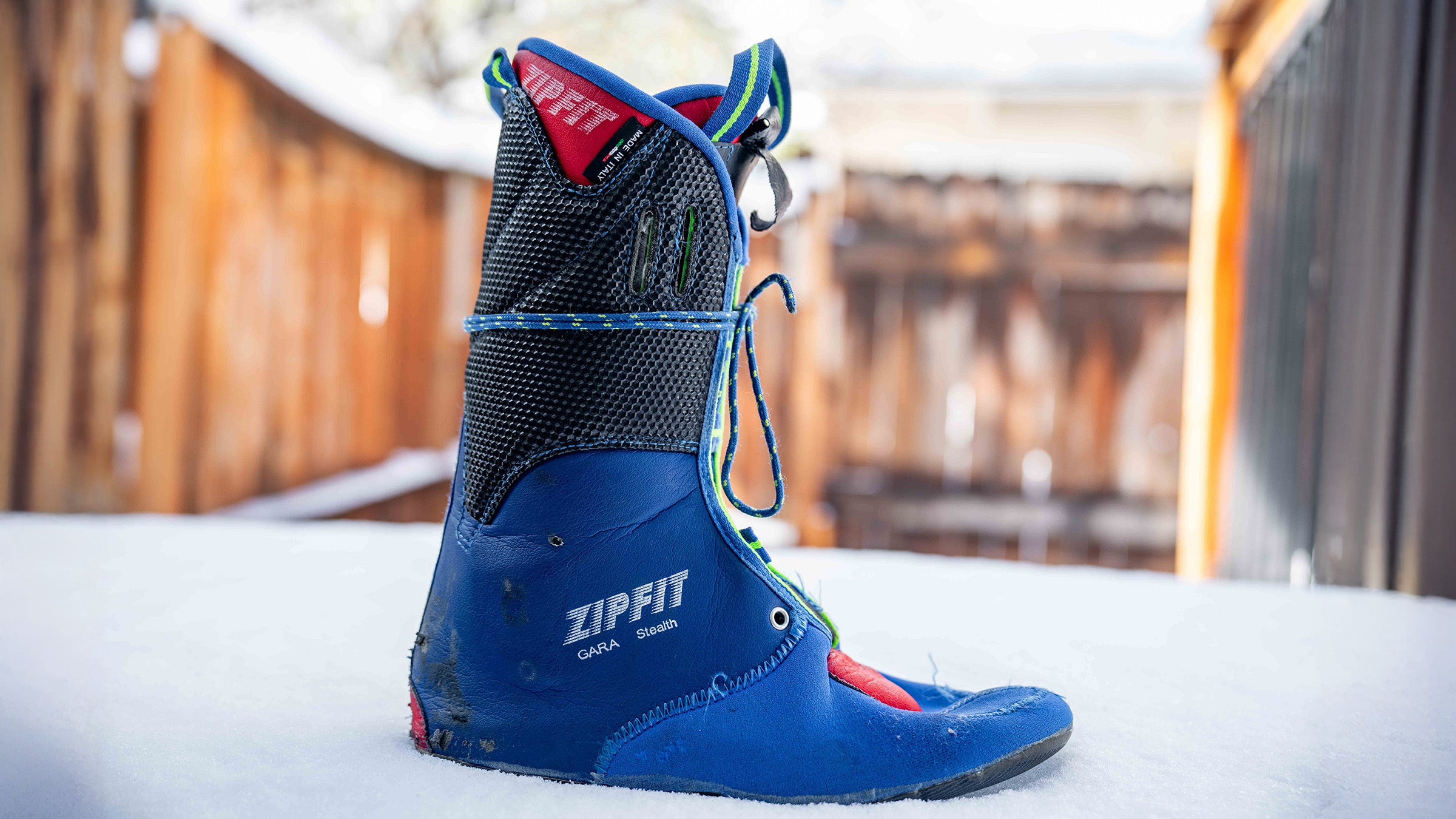
This fundamental difference in material behavior is what grants Zipfits their exceptional remoldability and, critically, their transferability between different ski boot shells. Unlike foam liners, which inevitably pack out and lose their supportive structure over time, the cork in Zipfits adapts and reforms, maintaining its integrity and the custom fit for an extended period. This characteristic is a primary driver of their extended lifespan and the ability to re-purpose them across multiple boot shells.
Transforming the Skiing Experience: Performance and Comfort
For seasoned skiers and gear testers alike, the impact of Zipfit liners on the overall skiing experience is often profound. While the initial break-in period can require patience—bootfitters typically advise at least five days of skiing before any cork adjustment—the resulting fit offers a level of integration between foot and boot rarely achieved with stock liners. The "mated" feeling described by users translates into exceptional heel hold, which in turn allows for more immediate and consistent power transfer to the ski. This enhanced connection enables skiers to execute turns with greater precision and control, particularly in dynamic conditions.
Furthermore, the design of Zipfit liners, particularly the unstructured toebox, can provide crucial volume adjustments within low-volume shells. For skiers with narrower feet who opt for snug-fitting boots, the extra space in the forefoot, combined with secure heel retention, can significantly enhance comfort without compromising performance. This allows for better circulation and reduces the risk of foot fatigue during long days on the mountain.
The benefits extend to off-piste skiing and variable terrain. The consistent support and precise positioning provided by the liners are credited with improving balance, especially over the outside edge. This stability is invaluable for navigating steep descents, mogul fields, and quick transitions, where subtle shifts in weight and pressure can dramatically impact control.
The adaptability of Zipfits across a range of boot shell volumes and constructions is another significant advantage. Whether paired with ultra-low-volume, race-oriented boots or more accommodating cabrio designs, the liners are capable of maintaining a secure fit. This flexibility allows skiers to potentially size up in shell volume for increased warmth and comfort without sacrificing the crucial connection to their skis.
Longevity and Adaptability: A Case Study in Durability
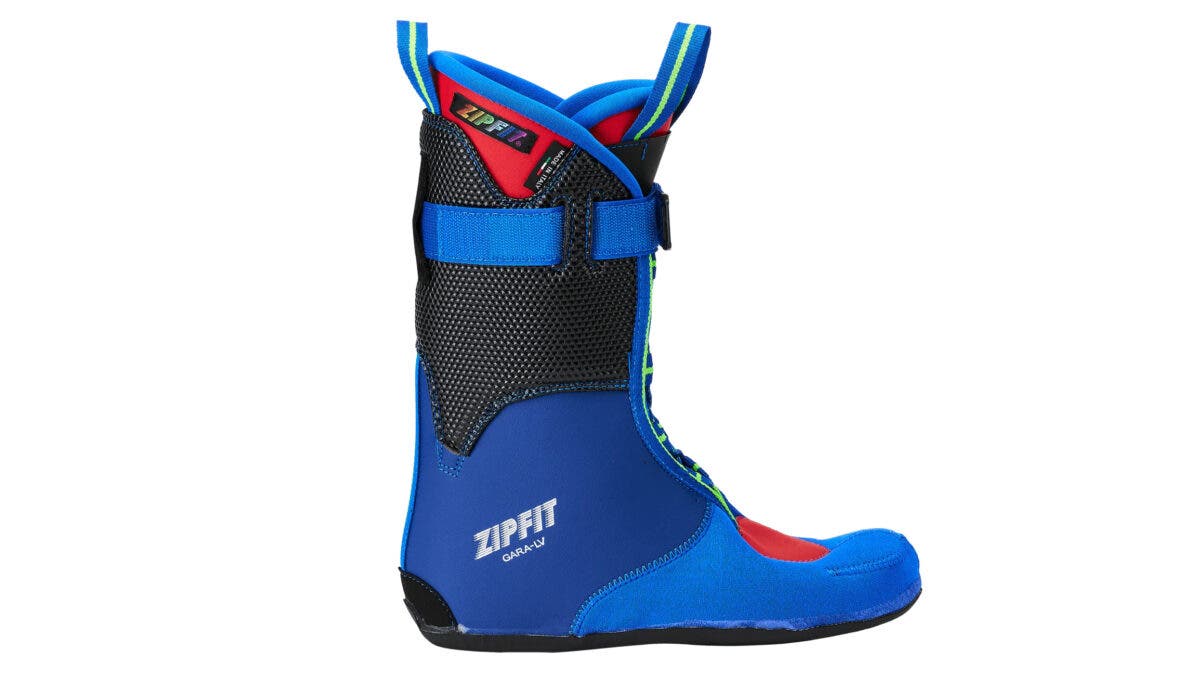
The author’s experience with his Zipfit Gara LV liners exemplifies their remarkable durability. Over nearly 500 days of skiing, the liners have undergone modifications to optimize their performance. These include the removal of the power straps, which, while intended to enhance the liner’s function as an "inner boot," were found to introduce unwanted bulk and a slight disconnect in the author’s specific setup.
Lacing adjustments, guided by industry professionals, have also played a role in refining the fit. By skipping lower eyelets to alleviate instep pressure and lacing the ties high on the tongue, a more customized fit is achieved. This often necessitates a "World Cup" entry method, where the liner is laced onto the foot before being stepped into the shell. While this can present an initial learning curve and potential accessibility challenge for individuals with mobility limitations, most users adapt quickly. The author notes that the use of a shoehorn, a simple tool, effectively mitigates any difficulty in entering the boots, even in cold conditions.
The need for additional cork, a key feature for maintaining performance, arose only after three years of consistent use, indicating a remarkably slow rate of material degradation. As the author enters his sixth season with the same pair of Gara LVs, the prospect of adding more cork is being considered, further underscoring the liners’ extended service life.
Zipfits vs. Foam Liners: A Performance Comparison
The performance differential between Zipfit liners and traditional foam-injected liners is a critical consideration for skiers. Foam liners, when perfectly fitted to a shell and footbed, can offer a peak performance level, providing a highly precise connection to the ski. However, this peak performance is often transient. Once foam begins to pack out, typically after 50 to 75 days of use, a noticeable decline in performance is observed. This degradation, even if the liner is rated for a longer lifespan, means skiers may experience a period of diminished responsiveness and support.
In contrast, Zipfits offer a more sustainable and consistent performance curve. The ability to replenish the cork allows skiers to "reset" the liner’s fit and support as needed, effectively extending its optimal performance window far beyond that of a foam liner. This means that the initial investment in Zipfits can yield significantly more ski days of high-level performance.
The Economic and Environmental Implications
The concept of sustainability in the ski industry is often discussed in the context of environmental impact. However, the longevity of products like Zipfit liners presents a tangible economic and environmental benefit that transcends marketing buzzwords. A liner that remains functional and high-performing for over six seasons represents a significant reduction in consumer spending on replacement gear. Over the author’s skiing career, this has translated to purchasing fewer pairs of ski boots by extending the usable life of existing shells.
The environmental footprint of producing and discarding ski gear is substantial. By extending the lifespan of components like boot liners, consumers can contribute to a more circular economy within the ski industry. This approach challenges the prevailing model of planned obsolescence and promotes a more mindful consumption of high-performance equipment.
Conclusion: An Enduring Investment in Skiing Performance
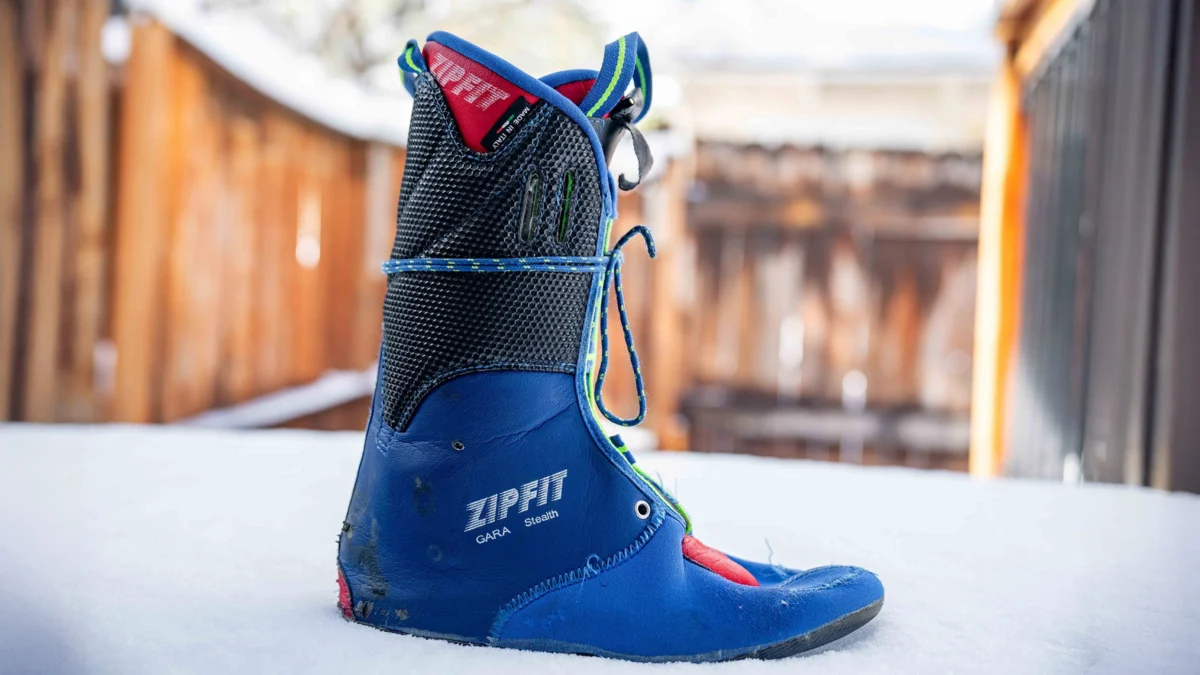
The author’s current pair of Zipfit Gara LV liners, despite visible signs of wear—including fraying stitching, worn heels from consistent use without a shoehorn, and thinning tongue foam—continue to provide exceptional fit and performance. The absence of any urge to replace them speaks volumes about their enduring value. The sentiment that these liners may require an "estate lawyer" to determine their next owner highlights their exceptional durability and the deep satisfaction derived from their long-term performance. For skiers seeking a reliable, adaptable, and exceptionally long-lasting solution to their boot fit challenges, Zipfit liners represent a significant and ultimately cost-effective investment in their on-snow experience.
Zipfit Gara LV Ski Boot Liners: Pros and Cons
- Pros:
- Provides a snug, secure, and highly customizable fit.
- Cork can be replenished to extend the liner’s effective lifespan and maintain performance.
- Does not pack out over time like traditional foam liners, ensuring consistent support.
- Offers exceptional heel hold, improving power transfer and control.
- Adaptable to a wide range of ski boot shell volumes and constructions.
- Enhances comfort by allowing for precise fit adjustments.
- Cons:
- High initial purchase price.
- May require a modified entry procedure ("World Cup" method) for optimal fit.
- The break-in period requires patience for full adaptation.
