

Published April 13, 2026 11:14 AM
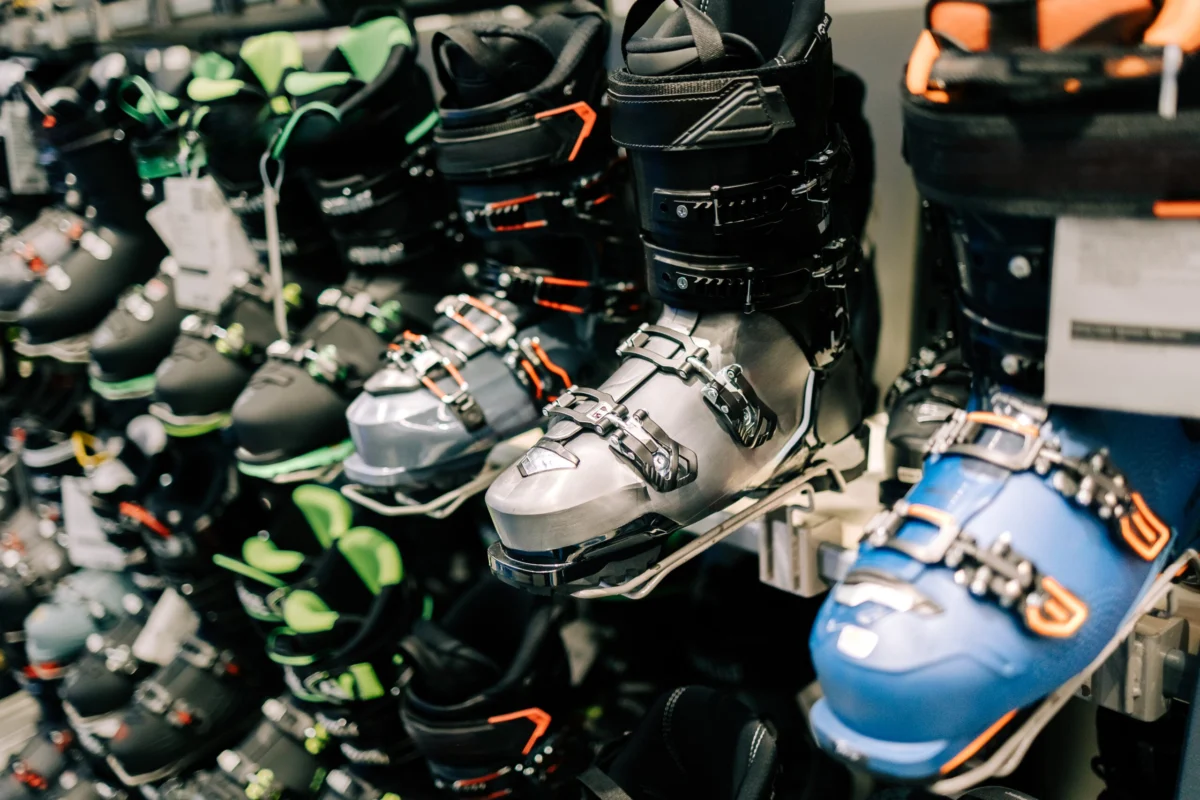
The exhilaration of carving down a pristine ski slope is a feeling many winter sports enthusiasts chase. However, beneath the thrill and the picturesque scenery, a persistent concern for many skiers lies in the very equipment that enables their sport: ski boots. While widely accepted as a necessary evil, the inherent rigidity and restrictive nature of ski boots can pose significant risks to foot health, potentially leading to chronic pain and even permanent damage if not properly addressed. Experts are increasingly highlighting the critical importance of proper fit and preventative measures to ensure that the love for skiing doesn’t come at the expense of long-term foot well-being.
The disconnect between the cozy comfort of everyday footwear and the unyielding embrace of a ski boot is well-documented. Yet, for decades, skiers have largely accepted this discomfort as an intrinsic part of the experience, sometimes even viewing it as a testament to their dedication. This widespread acceptance, however, may be masking a more serious issue. The question of whether maintaining feet in a fixed, pressurized position for extended periods can lead to lasting harm is no longer being dismissed.
Dr. Nelya Lobkova, a New York City-based podiatrist and an avid skier herself, emphasizes that ski boots can significantly exacerbate pre-existing foot conditions. For individuals already predisposed to conditions like bunions – a genetic forefoot deformity characterized by a bony bump at the base of the big toe – or Morton’s neuroma, a painful thickening of nerve tissue typically found between the third and fourth toes, ski boots can be a catalyst for severe discomfort and long-term complications.
"When the toebox in a boot is tight, friction can cause bunions, hammertoes, and neuromas to become painful," Dr. Lobkova explained in a recent interview. "This is also the case if the boots are too loose, as the foot jams excessively forward inside the boot and impinges the toe bones. In either case, an inflamed bunion or an impinged nerve root (Morton’s neuroma) could become a lingering problem after the ski slope."
The mechanics of ski boot design inherently involve applying pressure to the foot to ensure stability and control. This pressure, especially when misaligned or excessive, can lead to a cascade of problems. Beyond the exacerbation of existing deformities, direct trauma to the toes can occur. Bruising under the toenail, known as a subungual hematoma, and the development of ingrown toenails are common complaints among skiers. These seemingly minor ailments can escalate into more serious issues, including infections that may necessitate toenail removal or a course of oral antibiotics.
"Both conditions could potentially lead to a toenail infection that may require removal of the toenail or oral antibiotics," Dr. Lobkova elaborated. She further cautioned that severe or repeated damage to the delicate toenail bed can result in irreversible changes. "The toenails may not look the same afterwards, typically appearing thicker and shorter compared to the other toenails," she added, underscoring the potential for lasting aesthetic and functional changes.
The Crucial Distinction: Discomfort vs. Damage
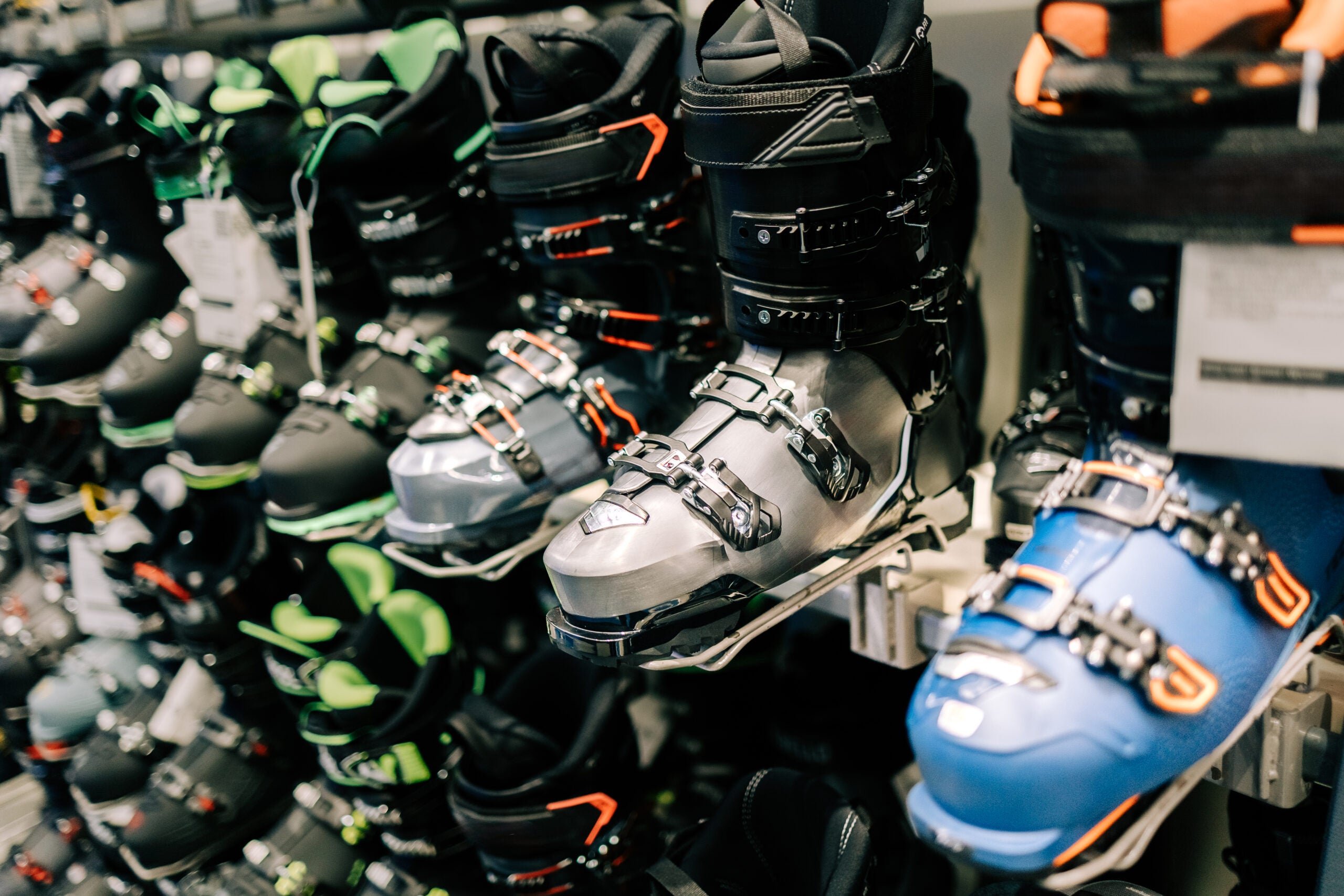
The prevailing notion that ski boots are inherently "bad" for feet is a misconception, according to Dr. Mikel Daniels, a Baltimore-based podiatric surgeon. He asserts that the true culprit is not the boot itself, but rather a poorly fitting ski boot.
"Ski boots are not ‘bad’ for your feet, but badly fit ski boots are," Dr. Daniels stated definitively. He draws a clear line between the expected, temporary discomfort associated with breaking in new ski boots and the persistent, localized pain that signals a genuine fit issue.
Identifying the Warning Signs of Ill-Fitting Boots
Recognizing the difference between typical ski boot stiffness and a problematic fit is paramount for preventing injury. Dr. Daniels offers a straightforward diagnostic approach. When standing upright in new ski boots, the toes should lightly brush the front of the boot. Crucially, when flexing into a typical ski stance, the toes should naturally pull back slightly from the front of the boot.
"There is a difference between regular ski boot discomfort and a bad fit," Dr. Daniels emphasized. He explains that a brief period of generalized aching after a long day on the slopes, which subsides quickly upon removal of the boots and diminishes as the liner compresses with use, is usually indicative of the break-in process.
However, symptoms that persist or manifest as localized pain, sensations of pins and needles, or unusually cold feet are strong indicators of an improper fit. Dr. Daniels’ simple yet effective rule of thumb is: "If your boot pain makes you think more about your feet than your skiing, the fit is wrong." This anecdotal benchmark highlights how debilitating ill-fitting boots can become, diverting a skier’s attention from the joy of the sport to the discomfort of their feet.
Proactive Strategies for Optimal Ski Boot Fit
Fortunately, the risks associated with ski boots are largely preventable through a combination of expert fitting, technological advancements, and diligent personal care. For skiers investing in their own boots, both Dr. Lobkova and Dr. Daniels strongly advocate for the process of heat molding.
"When heat-molded and custom-fitted, downhill ski boots should contour all forefoot deformities, such as bunions, hammertoes, and Morton’s neuroma," Dr. Lobkova explained. This process allows the boot liner to adapt precisely to the unique contours of the skier’s foot, significantly reducing friction and pressure points that contribute to pain and injury.
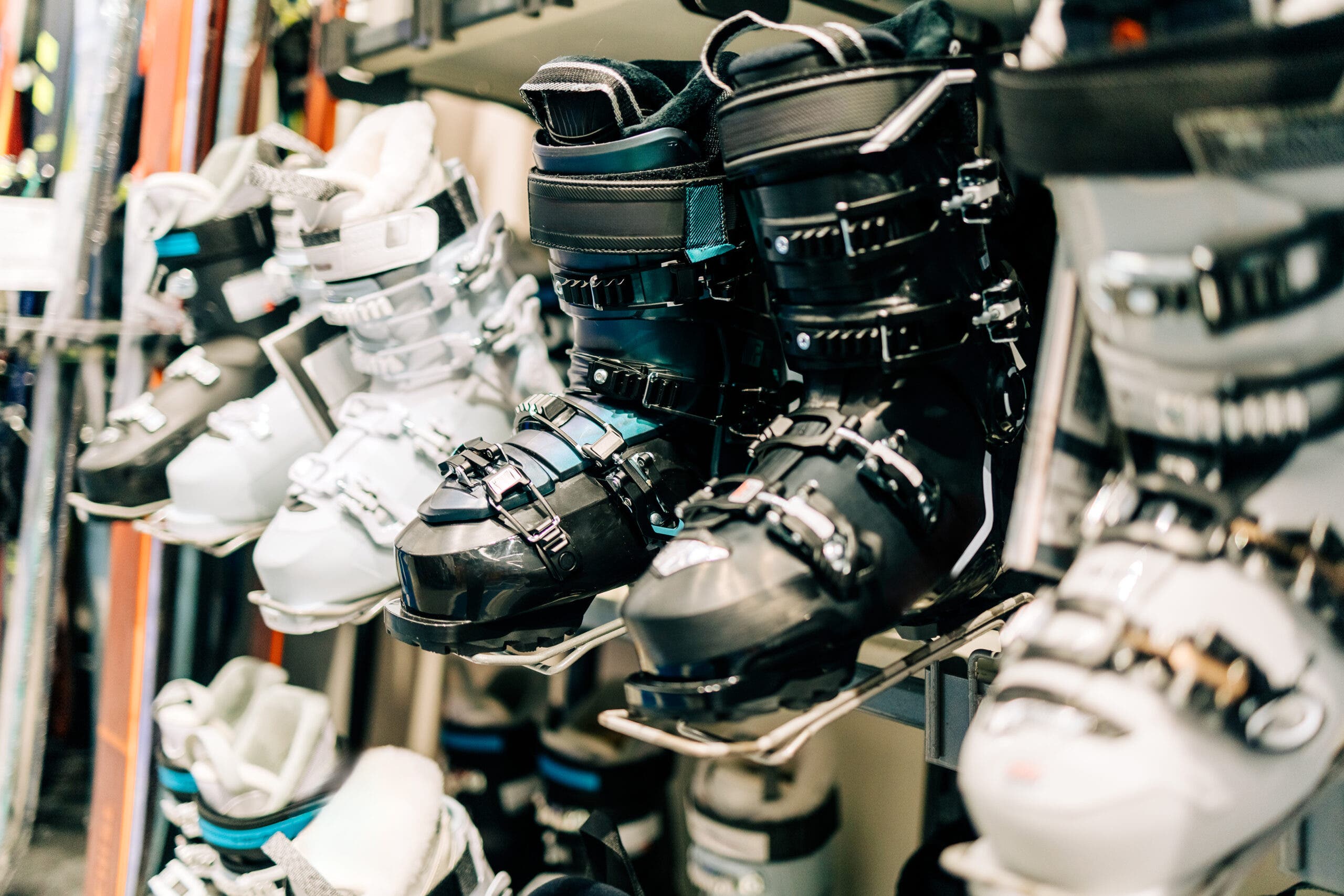
Beyond heat molding, skilled boot fitters employ specialized tools to further customize the boot shell. A technique known as "punching" involves using a specialized tool to strategically push out a section of the boot’s shell, creating additional space in critical areas like the big toe, over a bunion, or a particularly bony prominence. This personalized adjustment can be a game-changer for skiers who have struggled with persistent toe pain.
Dr. Daniels recounted a compelling case: "I had one patient, a strong skier, who came in every February with black, big toenails and thought it was ‘just part of skiing.’ Once we got him into a boot with the right shell length and a small punch in the toe box, his toenails finally survived a ski season." This anecdote powerfully illustrates how targeted adjustments can alleviate long-standing issues.
For skiers who, even with custom-fitted boots, continue to experience forefoot pain, Dr. Lobkova suggests an additional layer of customization: custom orthotics. She notes that standard, prefabricated insoles are often too bulky for the confined space within ski boots. Instead, she designs thin, specialized insoles that incorporate a metatarsal pad. "I will create thin, specialized custom insoles with an embedded metatarsal pad to separate toe bones and tendons in the forefoot, thereby alleviating and preventing all causes of forefoot pain," she stated. These custom inserts can provide crucial support and cushioning, further optimizing the boot’s interface with the foot.
Navigating Rental Boots: Essential Precautions
While achieving a perfectly custom fit is challenging with rental equipment, skiers can still take several important steps to protect their feet. Dr. Daniels advises always communicating any pre-existing foot conditions or concerns to the rental shop’s technicians. He stresses the importance of selecting a boot shell that is reasonably snug, rather than opting for an oversized boot that might seem more comfortable initially. "A loose shell with over-tight buckles gives you pressure points and poor control," he warned.
Investing in high-quality ski socks is another critical preventative measure. Socks specifically designed for skiing, typically made from merino wool, offer superior warmth, moisture-wicking properties, and cushioning compared to cotton socks, which can lead to blisters. For individuals who use orthotics in their everyday shoes, Dr. Daniels recommends transferring these custom insoles to their rental ski boots to provide familiar support and alignment.
Beyond the Boot: Holistic Foot Care for Skiers
The responsibility for foot health extends beyond the immediate boot-fitting process. Dr. Lobkova emphasizes the importance of regular breaks on the slopes. "Always loosen or remove your ski boots during breaks," she advises. "This will allow the foot to relax." This simple act can prevent the foot from swelling within the confines of a rigid boot, especially when transitioning between cold outdoor temperatures and warmer indoor environments.
"More importantly," Dr. Lobkova continued, "when you move from a cold temperature to a warm one, your feet and ankles swell. You don’t want them to swell against a stiff boot because this will cause a tourniquet effect, preventing blood from reaching the foot." This potential for restricted circulation underscores the need for periodic relief.
Ultimately, the most crucial preventive measure, applicable to any physical activity, is to listen to one’s body. Overexertion without proper attention to pain signals can turn minor discomfort into significant injury. By combining informed boot selection, professional fitting, appropriate accessories, and mindful on-slope practices, skiers can significantly reduce the risk of foot-related ailments and ensure that their passion for the mountains remains a source of joy, not pain. The era of accepting chronic ski boot discomfort as an unavoidable consequence of the sport is evolving, with a growing emphasis on proactive care and advanced fitting techniques that prioritize the long-term health of skiers’ feet.
