

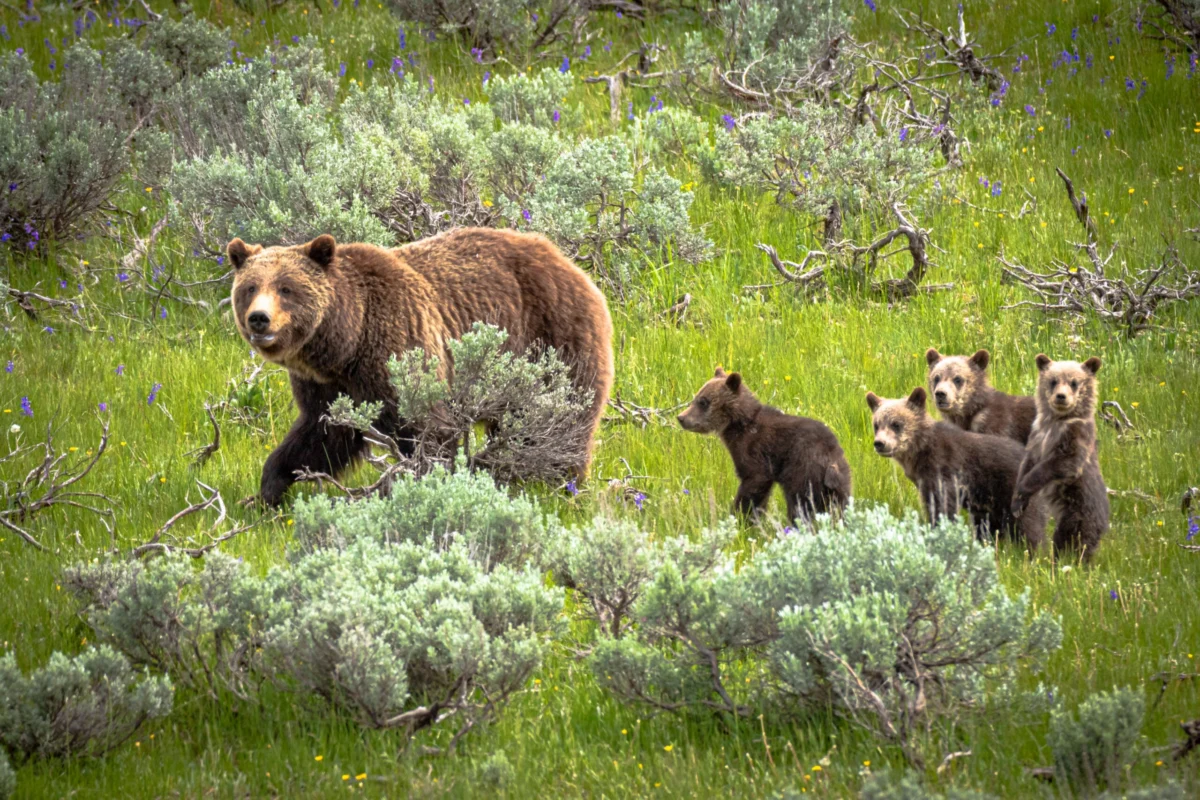
What began as a routine evening walk on a rural property in Vanderhoof, British Columbia, on April 13, 2026, transformed into a harrowing encounter for a local man when he was attacked by a grizzly bear. The incident, which occurred at approximately 5 p.m., underscores the ongoing challenges of human-wildlife coexistence in British Columbia’s vast wilderness. The man, whose identity has not been released, was walking his two dogs on his farm when the grizzly bear approached. In a moment of quick thinking and decisive action, the victim managed to scramble beneath a barbed wire fence. The physical barrier proved to be an effective deterrent, causing the bear to disengage and retreat into the surrounding brush. The man sustained non-life-threatening injuries to his leg and was subsequently treated at a local hospital.
The incident immediately prompted a response from provincial authorities. The British Columbia Conservation Officer Service (BCCOS) and the Royal Canadian Mounted Police (RCMP) arrived on the scene shortly after the attack to conduct a thorough sweep of the area. Despite an extensive search, the bear was not located. In response to the incident and to monitor for any potential recurrence, the BCCOS has installed trail cameras in the vicinity. These cameras will play a crucial role in gathering intelligence on the bear’s movements and behavior, providing valuable data for ongoing wildlife management efforts.
Understanding Defensive Wildlife Behavior
Conservation officers conducted a detailed interview with the victim and performed a forensic assessment of the attack site. Based on the gathered evidence and the victim’s account, the BCCOS has officially classified the encounter as a defensive bear attack. This classification is critical for understanding the bear’s motivations and assessing the immediate threat to public safety. Defensive attacks typically occur when a bear feels surprised, threatened, or is protecting its cubs or food source. It suggests the bear was not acting with predatory intent but rather reacted out of a perceived need for self-preservation or defense of its territory. Officials have stated that, based on this assessment, there is no indication of an ongoing threat to public safety in the Vanderhoof area.
The classification of a defensive attack is a standard procedure in wildlife encounters and helps inform the appropriate response from authorities. It implies that the bear’s behavior was instinctual rather than a learned predatory pattern. This distinction is important for public messaging, as it can alleviate widespread fear and focus preventative measures on understanding and mitigating the conditions that lead to such defensive encounters.

Background and Broader Context of Human-Wildlife Conflict in British Columbia
British Columbia is home to a diverse array of wildlife, including significant populations of grizzly bears. As human populations expand and development encroaches on natural habitats, encounters between humans and large carnivores like grizzly bears are an inevitable reality. The Vanderhoof region, characterized by its rural and semi-wild landscapes, presents a habitat where such interactions are more probable.
The province’s Ministry of Forests, Lands, Natural Resource Operations and Rural Development, which oversees the BCCOS, regularly publishes guidelines and advisories on bear safety and coexisting with wildlife. These resources emphasize the importance of understanding bear behavior, securing attractants such as garbage and pet food, and maintaining a safe distance from wildlife. The BCCOS handles an average of 1,500 to 2,000 bear sightings or complaints annually across the province, with a significant portion of these involving grizzly bears in more remote areas. While actual attacks are relatively rare, they can have severe consequences. Data from the BCCOS indicates that the majority of bear-related incidents involving humans are defensive in nature, aligning with the findings of the Vanderhoof case.
Chronology of the Incident
- April 13, 2026, Approximately 5:00 PM: A man is walking his two dogs on his rural farm property near Vanderhoof, British Columbia.
- Encounter: A grizzly bear approaches the man.
- Attack and Evasion: The bear attacks the man. The man quickly scrambles under a barbed wire fence, causing the bear to disengage.
- Immediate Aftermath: The man sustains injuries to his leg.
- Notification of Authorities: Emergency services are contacted.
- Response: British Columbia Conservation Officer Service (BCCOS) and RCMP arrive on the scene to investigate and search for the bear.
- Medical Treatment: The injured man is transported to a local hospital for treatment of non-life-threatening injuries.
- Investigation Findings: After interviewing the victim and assessing the site, conservation officers determine the attack was defensive.
- Ongoing Monitoring: The BCCOS installs trail cameras to monitor the area for bear activity.
Staying Vigilant: Recommendations for Bear Awareness
The incident serves as a stark reminder of the importance of remaining "bear aware," especially as British Columbia transitions into the warmer months when wildlife activity naturally increases. The BCCOS and other wildlife agencies offer several key recommendations for minimizing the risk of negative encounters:
- Leash Your Pets: As highlighted in this incident, off-leash pets can inadvertently provoke defensive reactions from wildlife. Keeping dogs on a leash, particularly in areas known to be frequented by bears, is crucial. Dogs can also act as an early warning system, but their presence can sometimes escalate a situation if they approach or bark at a bear.
- Make Noise: When walking in bear country, making noise by talking, singing, or carrying a bell can alert bears to your presence, giving them an opportunity to avoid you. Bears generally prefer to avoid human contact.
- Travel in Groups: Traveling in groups and maintaining group cohesion can reduce the likelihood of an encounter. Larger groups tend to be noisier and more intimidating to bears.
- Be Aware of Your Surroundings: Pay attention to your environment. Look for signs of bear activity, such as tracks, scat, or overturned rocks and logs. Avoid wearing headphones that can impede your ability to hear approaching wildlife.
- Carry Bear Spray: For those venturing into more remote areas, carrying bear spray and knowing how to use it is a recommended safety measure. Bear spray is a deterrent that can be effective in stopping a charging bear.
- Secure Attractants: In residential and rural areas, properly storing garbage, compost, and pet food is paramount. These items can attract bears and habituate them to human presence, increasing the risk of conflict.
Implications and Future Considerations
While this particular encounter resulted in injuries that are expected to heal, it underscores the persistent need for education and proactive measures to manage human-wildlife interactions. The BCCOS’s ongoing monitoring through trail cameras will provide valuable data to assess whether the bear poses any further risk or if it has moved on. The presence of the barbed wire fence was a critical factor in the victim’s ability to escape, highlighting how environmental features can play a role in mitigating danger.
As outdoor recreation and rural living continue to be popular pursuits in British Columbia, fostering a culture of respect and caution towards wildlife is essential. Understanding bear behavior, respecting their space, and implementing preventative measures are not just recommendations but vital practices for ensuring the safety of both humans and wildlife. The long-term implications of such incidents often involve adjustments to local wildlife management strategies, increased public awareness campaigns, and continued research into human-bear dynamics within evolving landscapes. The commitment to a balanced approach that prioritizes safety while acknowledging the intrinsic value of wildlife populations remains a cornerstone of conservation efforts in the province.
