


The mountain community is mourning the loss of Cutler, a dedicated avalanche rescue dog who served with distinction for 11 years with the Mount Washington Avalanche Center (MWAC) in New Hampshire. Cutler’s passing marks the end of an era for the center and a significant loss for the safety of visitors to the White Mountain National Forest. For nearly 80% of his life, Cutler was an integral part of the MWAC team, tirelessly working to ensure the safety of those who venture into the challenging terrain of Mount Washington. Beyond his critical rescue capabilities, Cutler was also a celebrated ambassador for avalanche safety, playing a pivotal role in public relations efforts that significantly expanded the reach and impact of the Mount Washington Snow Rangers’ educational outreach programs.
A Legacy of Service and Dedication
Cutler’s eleven years of service represent a substantial commitment to public safety. Avalanche dogs are highly trained specialists, requiring rigorous and continuous training from puppyhood. Their roles extend beyond mere scent detection; they are highly intelligent animals capable of understanding complex commands and working in extreme conditions. Cutler’s long tenure suggests a remarkable level of dedication, a strong bond with his handler, and a proven track record of success in his demanding profession.
The White Mountain National Forest, encompassing over 750,000 acres, is a popular destination for hikers, skiers, and snowboarders. Mount Washington, with its notoriously harsh weather and steep, avalanche-prone slopes, presents unique challenges. The MWAC is a vital component of the region’s safety infrastructure, providing crucial avalanche forecasts and conducting rescues when necessary. The presence of an experienced avalanche dog like Cutler significantly enhances the effectiveness of these operations.
The Life of an Avalanche Dog: A Glimpse Behind the Scenes
Mount Washington Avalanche Center Director Chris Joosen, who worked closely with Cutler, has shared a poignant tribute to the canine hero. In a blog post and accompanying photo album, Joosen detailed Cutler’s contributions, offering the public an intimate look into the life and work of an avalanche dog. These resources serve not only as a memorial but also as an invaluable educational tool, shedding light on the rigorous training, the emotional toll, and the profound impact these animals have on mountain safety.
The blog post, titled "Cutler: The Life of an Avalanche Dog – Thanks Buddy for 14 Great Years," highlights the dog’s life from his early training days to his retirement. While the article states Cutler served for 11 years, Joosen’s blog title mentions "14 great years," suggesting that Cutler may have lived a full life that included several years beyond his active service, or perhaps a period of informal association before his official deployment. This longevity speaks to the dedication of both the dog and his handlers in maintaining his health and well-being throughout his demanding career.
The photographs shared by Joosen depict Cutler in various scenarios: actively working with his handler, resting between missions, and interacting with the public. These images underscore the dual nature of Cutler’s role – a highly skilled professional capable of life-saving work, and a beloved member of the MWAC family who also served as a vital link in community engagement.
Avalanche Safety on Mount Washington: A Critical Concern
Mount Washington is renowned for its extreme weather conditions, often referred to as the "Home of the World’s Worst Weather." Its summit experiences hurricane-force winds, extreme cold, and heavy snowfall, creating a dynamic and often dangerous environment for winter recreation. Avalanche hazards are a significant concern, particularly in areas like Tuckerman Ravine and Huntington Ravine, which are popular destinations for backcountry skiers and snowboarders.
The MWAC’s primary mission is to assess avalanche risk and provide timely, accurate information to the public. This involves continuous monitoring of snowpack conditions, weather patterns, and avalanche activity. Avalanche dogs like Cutler are an indispensable asset in this process. Their keen sense of smell allows them to detect buried victims under snow, even in challenging conditions where human search efforts might be hampered. In the event of an avalanche burial, the speed and efficiency of an avalanche dog can be the critical difference between life and death.
The Role of Public Relations in Avalanche Safety
Cutler’s impact extended far beyond his direct rescue duties. His presence at public events and educational outreach initiatives played a crucial role in disseminating avalanche safety knowledge. For many individuals, Cutler was their first introduction to the world of avalanche safety. His approachable nature and the public’s natural affinity for dogs made him an incredibly effective ambassador.
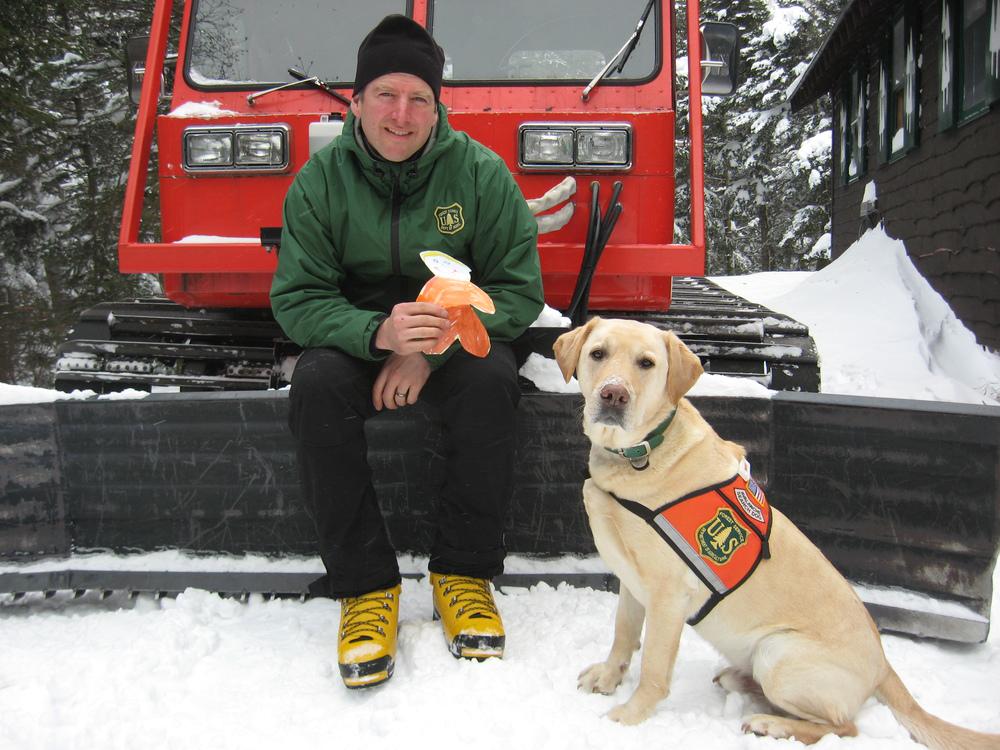
The MWAC Snow Rangers utilize a variety of methods to educate the public, including presentations, workshops, and online resources. By featuring Cutler in these efforts, they were able to engage a wider audience, including families and individuals who might not have otherwise sought out avalanche safety information. This proactive approach to public education is vital in a region where backcountry use is popular and the risks are significant. Cutler’s ability to connect with people, especially children, helped to demystify avalanche safety and make it more accessible, fostering a culture of preparedness.
Supporting Data and Context
While specific data on Cutler’s rescue statistics is not publicly detailed in the provided content, the general effectiveness of avalanche dogs is well-documented. Studies have shown that the success rate of finding avalanche victims significantly increases with the use of trained avalanche dogs. Their ability to cover large areas quickly and pinpoint buried individuals can reduce search times from hours to minutes.
The operational area of the MWAC, Mount Washington and the surrounding Presidential Range, experiences significant snowfall each winter. For example, during the 2014-2015 winter season, when this article was originally published, Mount Washington recorded substantial snow accumulations, increasing the potential for avalanche activity. The presence of a dedicated avalanche dog team is therefore not just beneficial, but essential for mitigating risks in such environments.
Chronology of Service and Impact
Cutler’s career with the Mount Washington Avalanche Center spanned 11 years, a considerable period for an avalanche dog. This timeline suggests that he likely began his service in the early 2000s, a period when avalanche awareness and professional rescue dog programs were continuing to mature in regions outside of major ski resorts. His extensive service likely involved numerous training exercises, public outreach events, and potentially actual rescue operations.
His deployment in areas like Tuckerman Ravine, a popular but hazardous backcountry skiing destination, would have been frequent during the winter months. The image accompanying the article, showing Cutler and Chris Joosen heading to work in Tuckerman’s Ravine, vividly illustrates the operational environment and the daily commitment of the MWAC team. This image likely captures a typical day, highlighting the rugged terrain and the serious nature of their work.
Official Responses and Community Reactions
The tribute from MWAC Director Chris Joosen serves as the primary official response, expressing deep gratitude and acknowledging Cutler’s invaluable contributions. Joosen’s detailed account and the accompanying photo album are a testament to the strong bond between handler and dog, and the profound impact Cutler had on the team and the mountain community.
While specific quotes from other parties are not provided, the tone of Joosen’s tribute suggests a shared sentiment of loss and admiration within the avalanche rescue community and among frequent visitors to Mount Washington. Avalanche rescue dog handlers often develop incredibly close relationships with their canine partners, viewing them as colleagues and family members. The passing of such a dedicated animal is felt deeply by all who understand the critical nature of their work.
Broader Impact and Implications
Cutler’s legacy extends beyond his individual service. His role highlights the increasing professionalization and reliance on specialized canine units in search and rescue operations across various disciplines, not just avalanches. The success of programs like the one at MWAC underscores the importance of investing in training, equipment, and the well-being of these highly specialized working animals.
Furthermore, Cutler’s public relations success serves as a model for other safety organizations. Demonstrating how the inherent appeal of animals can be leveraged to enhance public engagement and education is a valuable lesson. His work helped to foster a greater understanding of avalanche risks and the importance of preparedness among a broader segment of the public, potentially saving lives through increased awareness and responsible decision-making. The continued need for such dedicated teams and public education initiatives remains paramount as winter recreation continues to grow in popularity in mountainous regions like the White Mountains. The memory of Cutler will undoubtedly serve as an inspiration for future generations of avalanche dogs and their handlers.
