


The disappearance of the Horstman Glacier’s summer skiing operations at Whistler Blackcomb marks a definitive turning point for the North American winter sports industry, signaling an era where climate change is no longer a distant projection but a present-day operational reality. For Mike Douglas, a professional athlete and Salomon global ambassador often referred to as the "Godfather of Freeskiing," the loss of this iconic training ground is the culmination of three decades of environmental observation. What began as a personal realization for athletes training in the Coast Mountains of British Columbia has now evolved into a broader movement involving corporate accountability, legislative advocacy, and a fundamental restructuring of how outdoor brands operate in a warming world.
The Historical Significance of the Horstman Glacier
In the 1990s, the Horstman Glacier served as the epicenter of the freeskiing revolution. It was a high-altitude proving ground where Douglas and his contemporaries developed the tricks and techniques that would eventually transition skiing from traditional alpine disciplines into the "new school" movement. During this period, the glacier offered reliable year-round snowpack, allowing for summer camps that were essential for athlete development and the testing of new equipment.
However, the environmental stability of the region has shifted dramatically over the last 30 years. In July 2020, Whistler Blackcomb, operated by Vail Resorts, announced the permanent removal of the Horstman T-bar, a lift that had provided access to the glacier’s upper reaches since the 1980s. By the following year, summer skiing operations were suspended indefinitely. The decision was driven by the rapid recession of the glacier, which had reached a point where the ice was no longer thick enough to support the necessary infrastructure or ensure the safety of participants. This closure served as a wake-up call for the industry, transforming a niche environmental concern into a high-profile case study of how climate change threatens the viability of mountain resorts.
Chronology of Environmental Shift and Industry Response
The timeline of the current crisis reflects a steady progression from localized observations to global corporate strategies. In the late 1990s and early 2000s, the primary concern for ski resorts was inter-annual snow variability. By the mid-2010s, however, the trend of shorter winters and shrinking snowpacks became statistically undeniable.
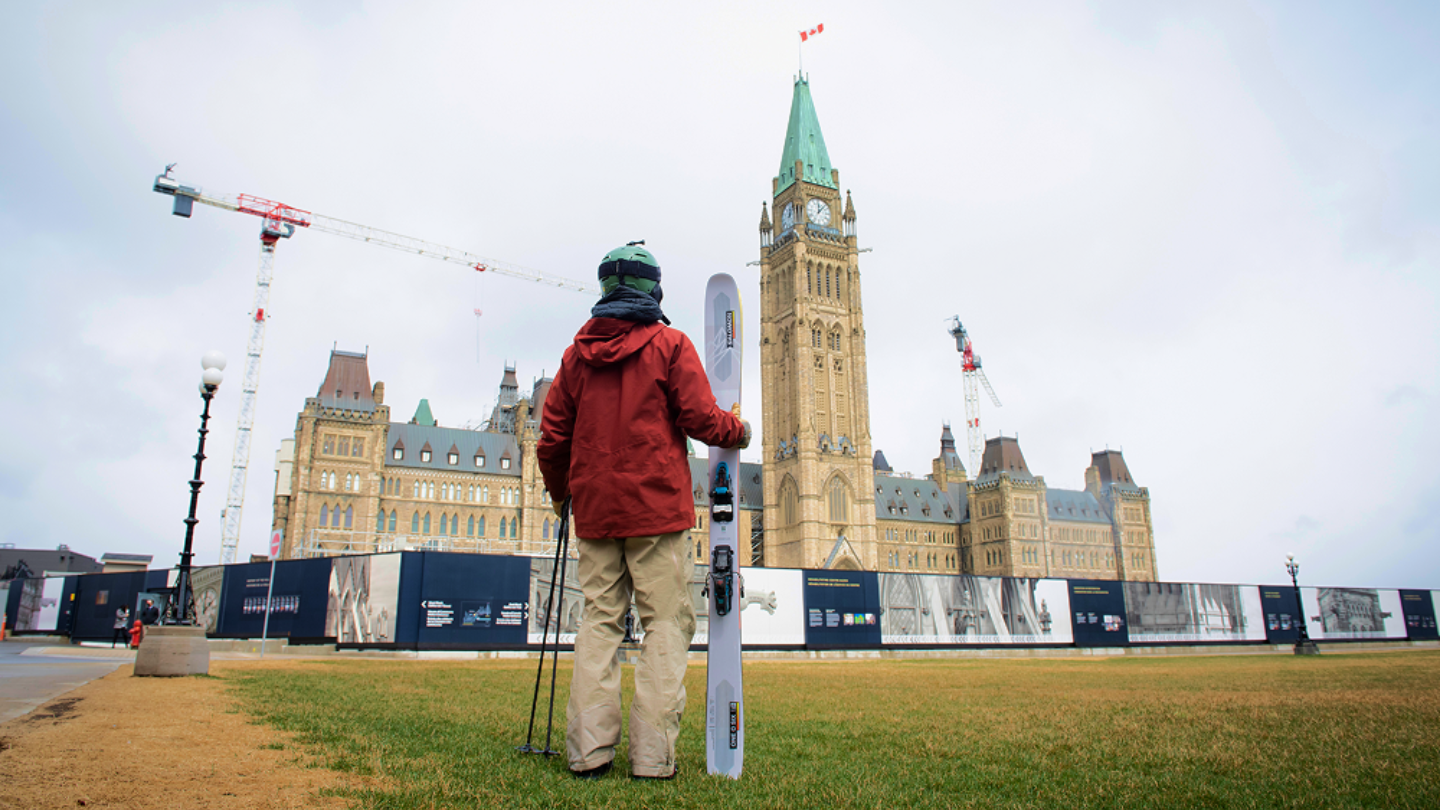
In 2018, Mike Douglas deepened his commitment to environmental protection by joining the Protect Our Winters (POW) Canada Alliance. This move signaled a shift in the role of the professional athlete from a mere spokesperson for performance gear to a witness and advocate for environmental policy. By 2020, as the Horstman Glacier operations ceased, the partnership between athletes like Douglas, brands like Salomon, and advocacy groups like POW became the primary vehicle for addressing the industry’s carbon footprint.
Salomon, a brand with a history dating back to 1947 in the French Alps, has since integrated these environmental realities into its core business model. The company’s "Play-Minded Program" represents a multi-year roadmap aimed at reducing carbon emissions and transitioning toward a circular economy. This evolution mirrors a broader industry trend where outdoor companies are moving away from traditional corporate social responsibility (CSR) toward "Integrated Sustainability," where environmental metrics are as critical as financial performance.
Supporting Data: The Science of Receding Winters
The urgency of the advocacy work performed by Douglas and Salomon is supported by increasingly grim data regarding the future of mountain environments. According to a study published in Nature Communications, glaciers in Western Canada are projected to lose up to 70% of their volume by the year 2100 if current greenhouse gas emission trends continue. The Coast Mountains, where Whistler is located, are particularly vulnerable due to their proximity to the Pacific Ocean, which subjects them to "atmospheric rivers" that increasingly bring rain rather than snow to mid-elevation slopes.
The economic implications are equally significant. The outdoor recreation economy contributes an estimated $1.1 trillion to the U.S. Gross Domestic Product (GDP) annually, supporting millions of jobs. In Canada, the ski industry is a multi-billion dollar sector that relies on predictable seasonal patterns. Research from the University of Waterloo indicates that by mid-century, only a fraction of current ski resorts in North America will be able to maintain a 100-day season without massive increases in energy-intensive snowmaking. This data highlights why the transition to responsible manufacturing and climate advocacy is not just an ethical choice for brands like Salomon, but a prerequisite for long-term economic survival.
Salomon’s Strategy: Manufacturing and Supply Chain Reform
For a global sports equipment manufacturer, the path to sustainability involves a complex overhaul of the supply chain. Salomon has identified that its greatest impact lies in how products are designed, manufactured, and eventually disposed of. Under the guidance of sustainability experts and the feedback of athletes like Douglas, the brand has implemented several key initiatives:
- Circular Design: Salomon launched the Index.01, a fully recyclable running shoe, and has applied similar principles to its ski boot production. By using materials that can be easily separated and repurposed, the brand aims to reduce the volume of equipment that ends up in landfills.
- Carbon Footprint Reduction: The company has committed to reducing its aggregate carbon emissions by 30% by 2030. This involves shifting to renewable energy sources at its "Annecy Design Center" and optimizing logistics to reduce the carbon intensity of global shipping.
- Sustainable Sourcing: A significant portion of Salomon’s environmental impact comes from Tier 1 and Tier 2 suppliers. The brand has increased transparency in its sourcing, prioritizing materials with lower environmental footprints and ensuring that partners adhere to strict labor and environmental standards.
Mike Douglas serves as a critical bridge in this process. "I like to think I can help balance the desire for net zero from the team at Salomon HQ and the practical realities of participating in high-level sports," Douglas noted. His role involves testing prototypes to ensure that sustainable materials do not compromise the performance required for professional-grade backcountry skiing.
The Role of Protect Our Winters (POW) and Legislative Advocacy
While internal corporate changes are vital, both Salomon and Douglas emphasize that systemic change requires political action. This is the primary objective of Protect Our Winters. Unlike traditional conservation groups that focus on land preservation, POW focuses on mobilizing the "outdoor state"—the millions of outdoor enthusiasts—to influence climate policy.
The partnership between Salomon and POW manifests in "Quality Ski Time" (QST) tours and athlete training programs that teach professionals how to communicate effectively with lawmakers. In recent years, POW advocates have transitioned from the slopes to the halls of government, lobbying for clean energy transitions, carbon pricing, and the protection of public lands.
The rationale behind this shift is simple: even if every ski brand becomes carbon neutral, the industry cannot survive without large-scale decarbonization of the global economy. By leveraging the cultural influence of athletes like Douglas, POW and Salomon aim to make climate action a non-partisan priority for mountain communities and beyond.
Industry Implications and Official Responses
The shift toward advocacy has garnered a range of reactions from within the industry. While some critics argue that athletes and brands should remain neutral to avoid alienating diverse customer bases, the prevailing sentiment among major players is that neutrality is no longer an option.

Vail Resorts, the parent company of Whistler Blackcomb, has launched its "Commitment to Zero," a goal to reach a zero net operating footprint by 2030. This includes zero net emissions, zero waste to landfills, and zero net impact on forests and habitat. The alignment between resort operators, equipment manufacturers, and athletes suggests a rare moment of industry-wide consensus.
Industry analysts suggest that this "all hands on deck" approach is driven by consumer behavior. Modern outdoor enthusiasts, particularly Gen Z and Millennials, are increasingly making purchasing decisions based on a brand’s environmental credentials. Therefore, Salomon’s investment in advocacy is also a strategic move to build brand loyalty in a market that prizes authenticity and integrity.
Conclusion: The Closing Window for Action
The story of Mike Douglas and the Horstman Glacier is a microcosm of the global climate crisis. The transition from the carefree summer ski camps of the 1990s to the courtroom and boardroom advocacy of the 2020s reflects a loss of innocence for the outdoor industry. However, it also reflects a newfound maturity.
The outdoor industry is uniquely positioned to lead the climate conversation because its stakeholders—athletes, brands, and consumers—are direct witnesses to the changing environment. As Douglas points out, the window for meaningful action is closing. The disappearance of the glacier is a permanent loss, but it serves as a powerful catalyst for ensuring that other winter environments do not meet the same fate.
Through responsible manufacturing, athletes acting as climate witnesses, and strategic partnerships like those between Salomon and Protect Our Winters, the industry is attempting to restore a balance that was lost over decades of over-extraction and environmental neglect. The success of these efforts will determine whether future generations will have the opportunity to experience the "proving grounds" that shaped the legends of the past, or if winter sports will become a relic of a previous era.
