

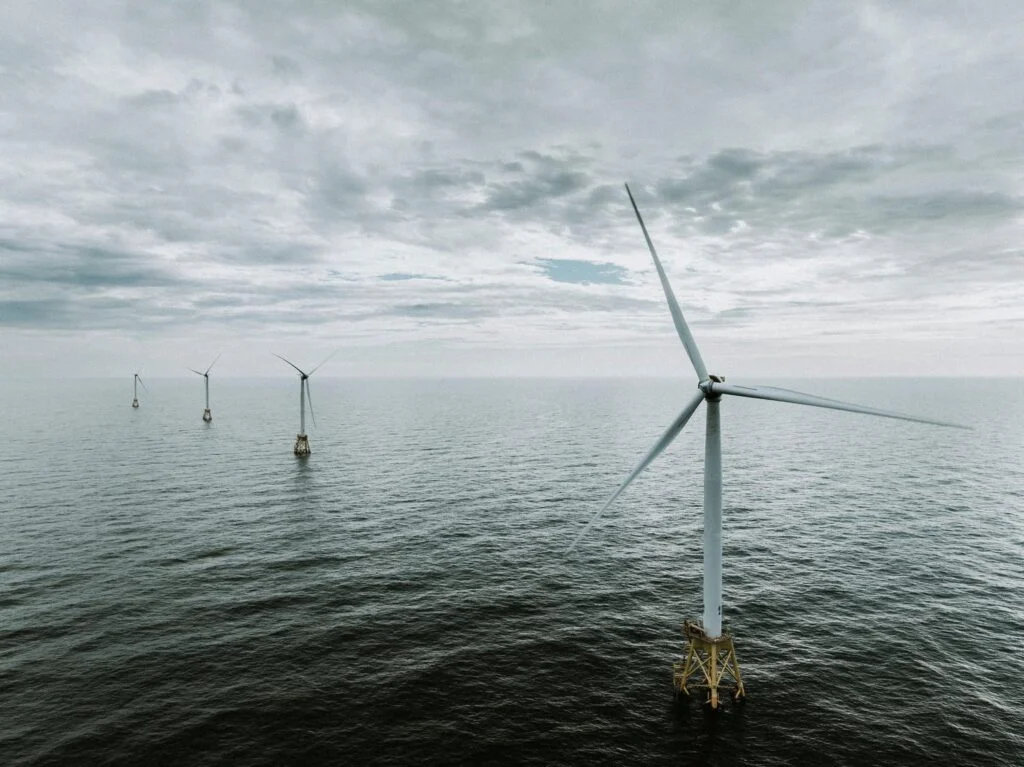
The Trump administration has initiated a comprehensive restructuring of United States energy and environmental policy, marked by a series of executive actions aimed at prioritizing fossil fuel production and dismantling federal climate initiatives. In a rapid sequence of directives issued during the recent holiday period, the administration has moved to halt major offshore wind developments, threaten the operational status of premier scientific institutions, propose a massive expansion of offshore drilling, and intervene in state-level transitions from coal-fired power. These actions represent a significant departure from previous federal strategies that focused on decarbonization and the transition to renewable energy sources.
The administrative push is characterized by the use of executive authority to bypass traditional regulatory timelines and judicial oversight. Proponents of the shift argue that these measures are necessary to ensure national energy dominance, lower consumer costs, and bolster national security. Conversely, economists, environmental scientists, and state officials have expressed concerns regarding the potential for long-term economic instability, the degradation of public lands, and the loss of the United States’ competitive edge in the global clean energy market.
Halt of Major Offshore Wind Projects Under National Security Claims
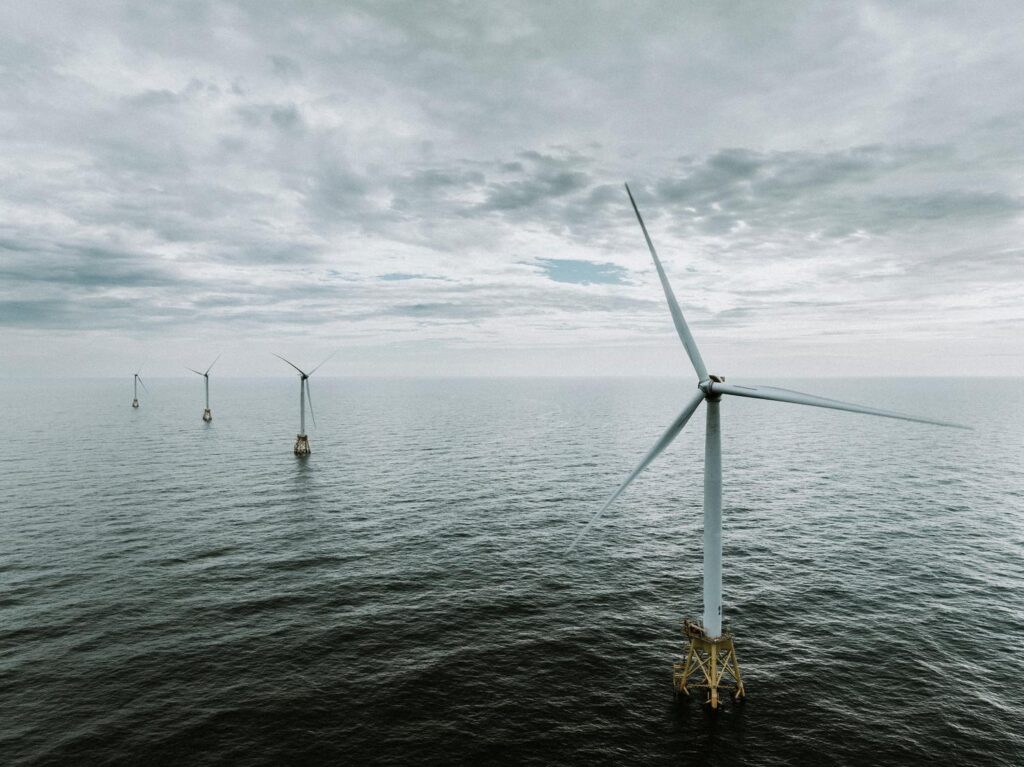
In one of the most significant shifts in the maritime energy sector, the Department of the Interior (DOI) has ordered an immediate halt to five fully permitted offshore wind projects currently under construction. The affected developments—Vineyard Wind, Revolution Wind, Coastal Virginia Offshore Wind, Sunrise Wind, and Empire Wind—represent billions of dollars in private investment and several gigawatts of planned renewable energy capacity.

The administration has cited "national security" concerns as the primary justification for the work stoppage. While the specific details of these concerns remain classified, the invocation of security protocols allows the federal government to circumvent standard administrative procedures and existing permits. This move effectively freezes projects that were already in the process of installing turbines and laying undersea cables.
The suspension of these projects has sent shockwaves through the renewable energy industry. Market analysts suggest that the sudden cessation of construction creates a climate of extreme uncertainty for international investors. According to industry data, the offshore wind sector had been projected to support over 80,000 jobs by 2030; however, the current halt puts thousands of immediate construction and supply chain roles at risk. Furthermore, the decision complicates state-level mandates in Massachusetts, New York, and Virginia, which rely on these projects to meet statutory carbon reduction goals.
The Targeted Closure of the National Center for Atmospheric Research
The administration has also signaled its intent to potentially shutter the National Center for Atmospheric Research (NCAR), a cornerstone of global climate science located in Boulder, Colorado. Established in 1960 and managed by the University Corporation for Atmospheric Research (UCAR) under sponsorship from the National Science Foundation (NSF), NCAR is a primary hub for atmospheric and Earth system science.
The center’s work is fundamental to various sectors of the U.S. economy. NCAR’s supercomputing capabilities and modeling systems provide the data necessary for extreme weather forecasting, wildfire behavior prediction, and aviation safety. The administration’s proposal to defund or close the facility is framed as a cost-cutting measure and a redirection of federal resources away from climate modeling.
The scientific community has reacted with alarm, noting that the loss of NCAR would create significant gaps in national data. For example, the center’s Community Earth System Model (CESM) is utilized by researchers worldwide to understand long-term environmental shifts. Without the continuous data provided by NCAR, regional governments may lose the ability to accurately project snowpack levels, water availability for agriculture, and the frequency of catastrophic weather events. The disruption of these datasets would likely hinder the ability of both public and private sectors to manage risk effectively in a changing climate.
Proposed Expansion of Offshore Drilling to 1.27 Billion Acres
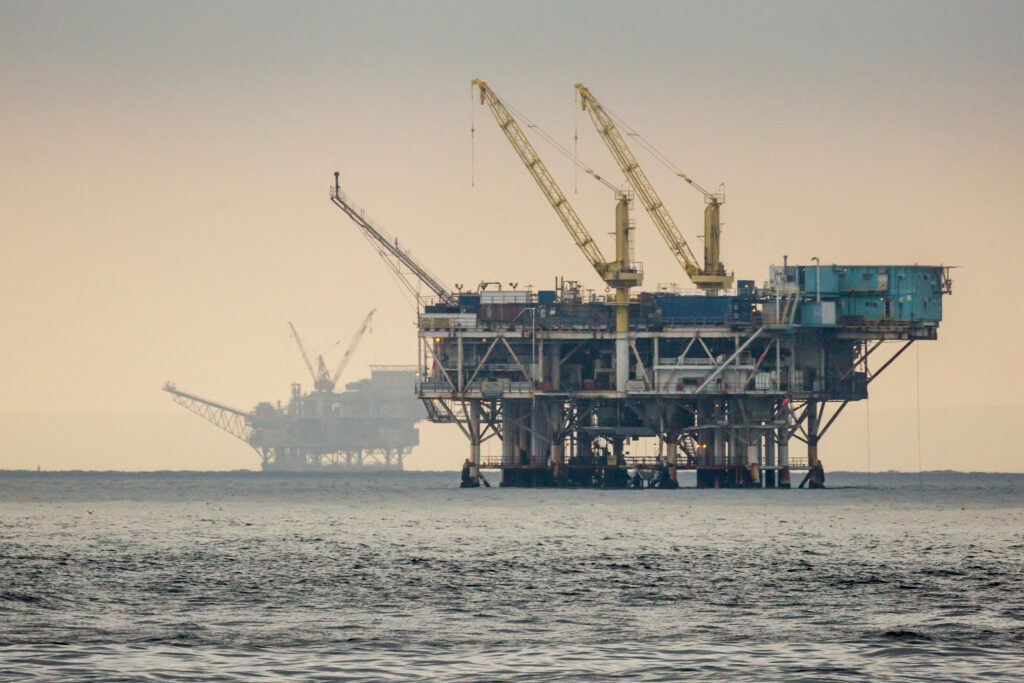
Parallel to the restrictions on renewable energy, the Trump administration has unveiled a proposal to open nearly the entirety of the U.S. Outer Continental Shelf to oil and gas leasing. The plan encompasses 1.27 billion acres of federal waters, including sensitive areas off the coasts of California and Florida, as well as vast stretches of the Alaskan Arctic.
This proposal marks a total reversal of the 2024-2029 National Outer Continental Shelf Oil and Gas Leasing Program, which had limited new leases to a record-low number of sales in the Gulf of Mexico. The new administrative direction seeks to maximize extraction opportunities to bolster domestic supply and reduce reliance on foreign energy.
The timeline for this expansion involves a series of public comment periods and environmental impact assessments, though the administration has indicated a desire to expedite the process. Coastal states have already begun to organize opposition. Governors from both parties in states like California, Oregon, and Florida have previously cited the risks of oil spills and the negative impact on coastal tourism and fishing industries as reasons to oppose such drilling. Environmental organizations, including the Surfrider Foundation, have noted that ocean health is a primary driver of global weather patterns and that an increase in offshore fossil fuel infrastructure could lead to higher greenhouse gas emissions and long-term ecological degradation.

Federal Intervention in Colorado’s Coal Retirement Strategy
In a rare application of federal emergency powers, the U.S. Department of Energy (DOE) has intervened to prevent the scheduled retirement of a coal-fired power unit in Colorado. The Craig Generating Station Unit 1, a nearly 50-year-old facility in northwestern Colorado, was slated for decommissioning as part of a long-negotiated transition toward cleaner energy sources.
The DOE invoked Section 202(c) of the Federal Power Act, which allows the Secretary of Energy to mandate the operation of electric generating facilities during times of emergency to maintain grid reliability. This order was issued despite the fact that the unit was already offline due to mechanical failures and that local utilities had already secured replacement power.
State officials and independent energy analysts argue that forcing the aging plant to remain operational will lead to higher costs for ratepayers. Maintenance on decades-old coal infrastructure is significantly more expensive than the current market rates for wind, solar, and battery storage. Furthermore, the decision overrides the "Clean Energy Plans" approved by the Colorado Public Utilities Commission, which were designed to reduce air pollution and meet state emission targets. This federal override creates a jurisdictional conflict between state-led energy transitions and federal mandates to maintain fossil fuel baseload power.
Broader Economic and Environmental Implications
The cumulative effect of these policies suggests a strategic pivot back toward a carbon-intensive energy economy. While the administration emphasizes the benefits of lower immediate fuel costs and job creation in the mining and drilling sectors, the broader economic implications are multifaceted.
The outdoor recreation economy, which contributes over $1 trillion to the U.S. GDP annually, is particularly vulnerable to these shifts. Organizations such as Protect Our Winters (POW) have highlighted that the health of the snow sports and maritime recreation industries is inextricably linked to stable climate patterns and the preservation of public lands. A reduction in snowpack due to warming, or the industrialization of pristine coastal waters, could result in significant revenue losses for rural communities that depend on seasonal tourism.
From a global perspective, the withdrawal from clean energy leadership may cede market share to international competitors. As countries in Europe and Asia continue to invest heavily in wind and solar technologies, the U.S. risks losing its influence in the burgeoning green technology sector. The halt of offshore wind projects, in particular, may lead to a "brain drain" of specialized engineers and technicians who may seek opportunities in more stable regulatory environments abroad.
The legal landscape is expected to become increasingly complex as these directives are challenged in court. Environmental groups, state attorneys general, and renewable energy developers are likely to file lawsuits alleging that the administration has exceeded its statutory authority or failed to follow the Administrative Procedure Act. The 2026 midterm elections are also viewed by political analysts as a potential turning point that could either solidify or reverse this current trajectory, depending on the composition of the next Congress.
In summary, the Trump administration’s recent actions constitute a fundamental reordering of the American energy landscape. By prioritizing the expansion of fossil fuels and the curtailment of climate science and renewable infrastructure, the administration is steering the nation toward a traditional energy model that faces significant opposition from state leaders, scientific institutions, and the growing clean energy industry. The long-term impact on the environment, the economy, and the nation’s energy independence remains a subject of intense national debate.
