

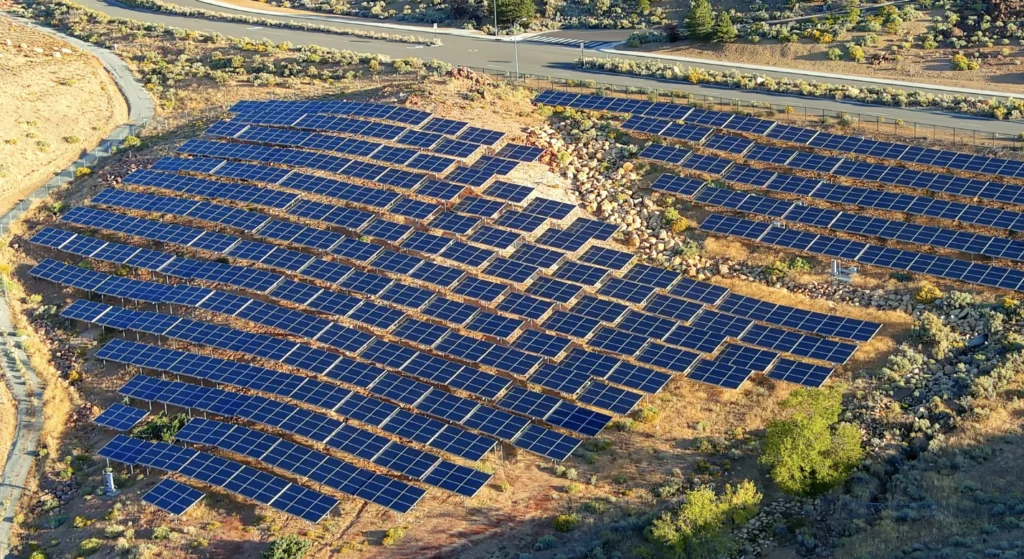
The transition toward a decarbonized electrical grid reached a significant milestone in Northern Nevada as local advocates and environmental scientists successfully rallied for the approval of the Trego Battery Energy Storage System (BESS). Situated in the Reno area, this 200-megawatt (MW) utility-scale project is designed to bridge the gap between renewable energy generation and consumer demand, providing a critical stabilization mechanism for the regional power grid. The project’s advancement marks a pivotal moment for Washoe County, demonstrating how localized community engagement can overcome the traditional hurdles of infrastructure development, such as regulatory skepticism and public apprehension regarding new technologies.
The Trego BESS project is engineered to store surplus electricity generated during periods of high renewable output—specifically from Nevada’s vast solar arrays—and discharge that power during peak demand hours when the sun is not shining. With a capacity of 200 MW, the facility is capable of powering approximately 68,000 households, effectively serving the needs of a small city. Beyond its immediate utility functions, the project is expected to act as a catalyst for regional economic growth, with proponents citing data that suggests projects of this nature can generate upwards of $14 million in economic activity for every 5 MW of capacity installed.
Technical Specifications and the Shift to LFP Technology
At the heart of the Trego project is a shift toward Lithium Iron Phosphate (LFP) battery chemistry, a departure from the traditional Nickel Manganese Cobalt (NMC) batteries commonly found in older mobile electronics and early electric vehicles. LFP technology has gained prominence in the utility-scale storage sector due to its superior thermal and chemical stability. For the Reno community, this distinction was a critical factor in the approval process. LFP batteries are significantly less prone to "thermal runaway"—a condition where a battery cell enters an uncontrollable self-heating state—making them a safer alternative for installations near residential or ecologically sensitive areas.
The storage system functions as a massive "reservoir" for the grid. In Nevada, where solar penetration is among the highest in the United States, the "duck curve" phenomenon creates a challenge for grid operators: solar energy is abundant during the day when demand is moderate, but as the sun sets, demand spikes while solar production drops. The Trego BESS addresses this imbalance by absorbing the midday surplus and releasing it during the evening peak. This not only reduces the necessity for "peaker plants"—fossil fuel-burning facilities that are expensive and high-emitting—but also lowers the overall cost of energy for consumers by utilizing the cheapest available electrons.
The Role of Scientific Advocacy and Community Engagement
The successful advancement of the Trego BESS was largely attributed to a coordinated effort by local residents and members of the Protect Our Winters (POW) Science Alliance. Among the key figures in the advocacy effort was Dr. Anne Nolin, a prominent snow hydrologist and professor in the Geography Department at the University of Nevada, Reno. Dr. Nolin’s involvement provided a bridge between abstract climate goals and tangible local infrastructure. As a scientist specializing in the Sierra Nevada snowpack, Nolin has documented the direct impact of rising temperatures on regional water security. Her testimony emphasized that supporting local clean energy projects is a functional necessity for preserving the alpine environments that define the Northern Nevada lifestyle.
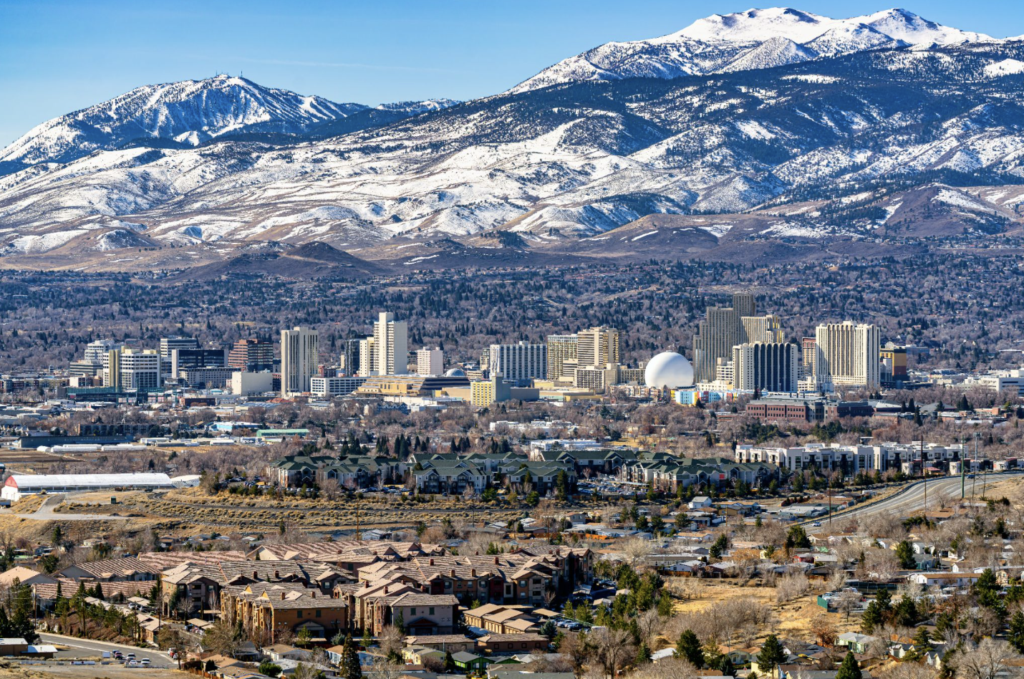
The advocacy process involved extensive participation in public hearings, where community members addressed the Washoe County Planning Commission and other local decision-makers. Historically, large-scale energy projects often face "NIMBYism" (Not In My Backyard), fueled by a lack of familiarity with new infrastructure. In the case of the Trego project, advocates worked to demystify the technology, providing factual rebuttals to concerns regarding noise, fire safety, and environmental impact. Dr. Nolin noted that the community statements were characterized by a high degree of technical literacy and a unified focus on the long-term benefits of a resilient grid.
Chronology of the Project and Regulatory Context
The path to approval for the Trego BESS followed a rigorous timeline of environmental review and public comment. The project was initially proposed as part of a broader strategy to meet Nevada’s aggressive Renewable Portfolio Standard (RPS). Under current state law, Nevada utilities are required to derive at least 50% of their sales from renewable energy sources by 2030, with a goal of reaching 100% carbon-free electricity by 2050.
Throughout the preceding eighteen months, the project underwent multiple phases of scrutiny:
- Initial Site Assessment: Evaluation of the Trego site’s proximity to existing transmission lines to minimize the need for new high-voltage corridors.
- Public Scoping: Early meetings where residents expressed initial concerns regarding the visual impact and safety of the battery containers.
- Technical Revision: Incorporation of LFP technology and advanced fire suppression systems in response to community feedback.
- Formal Hearing and Approval: The final public hearings where Dr. Nolin and the POW crew presented their case, leading to the green-lighting of the project by local authorities.
This structured approach allowed for the mitigation of potential conflicts before they could stall the project. By addressing the "fear of the unknown" through transparent data sharing, the developers and advocates were able to build a consensus that prioritized regional energy independence.
Economic Impact and Regional Benefits
The economic implications of the Trego BESS extend far beyond the construction phase. According to economic impact models frequently cited in renewable energy development, a 200 MW project represents a massive infusion of capital into the local economy. If the benchmark of $14 million in economic activity per 5 MW holds true, the Trego project could potentially stimulate hundreds of millions of dollars in total economic output over its lifecycle.
This stimulus arrives in several forms:
- Tax Revenue: Increased property tax contributions to Washoe County, which can be allocated toward local schools, emergency services, and infrastructure.
- Job Creation: While battery storage facilities require fewer permanent staff than traditional power plants, the construction phase creates hundreds of high-skilled jobs in electrical engineering, site preparation, and logistics.
- Grid Resilience: By reducing the strain on the grid during extreme weather events—such as the heatwaves that have increasingly plagued the American West—the project helps prevent costly rolling blackouts and protects local businesses from power-related disruptions.
Furthermore, the project aids in stabilizing energy prices. In a volatile global energy market, the ability to store and use locally generated solar power provides a hedge against the price fluctuations of natural gas, which currently fuels a significant portion of Nevada’s backup power generation.
Broader Implications for the Clean Energy Transition
The Reno "win" serves as a blueprint for other municipalities across the United States. As the nation moves toward the goals set by the Inflation Reduction Act (IRA), which provides significant tax credits for domestic energy storage projects, the bottleneck is often not financial or technical, but social and regulatory. The Trego BESS demonstrates that when scientific experts and outdoor advocates join forces with local residents, they can create a mandate for change that local governments find difficult to ignore.
For organizations like Protect Our Winters, the project represents a shift in strategy toward "systems change" at the local level. By focusing on the "backyard" infrastructure—the substations, transmission lines, and battery arrays—advocates are addressing the most difficult part of the energy transition. Experts agree that while building solar and wind farms is essential, the transition will fail without the "connective tissue" of energy storage and grid modernization.
Analysis of Future Challenges and Opportunities
While the approval of the Trego BESS is a success, it also highlights the ongoing challenges of the energy transition. The reliance on lithium-based technologies, even safer versions like LFP, requires a robust supply chain and a plan for end-of-life recycling. Nevada is currently at the center of this "lithium loop," with the only active lithium mine in the U.S. located in Silver Peak and several new mining projects proposed throughout the state. The success of storage projects like Trego will likely intensify the debate over domestic mineral extraction, creating a complex web of environmental trade-offs that the state must navigate.
Moreover, the Trego project underscores the importance of "grid-forming" capabilities. As more traditional rotating turbines (from coal and gas plants) are decommissioned, the grid loses "inertia," which helps maintain a steady frequency. Modern battery systems like Trego are increasingly being equipped with advanced inverters that can mimic this inertia, providing a level of stability that was previously thought to be impossible with purely inverter-based resources.
Conclusion
The approval of the Trego Battery Energy Storage System in Reno is more than a local infrastructure update; it is a validation of a new model of civic engagement. By combining the technical expertise of scientists like Dr. Anne Nolin with the organizational power of community advocates, the project overcame the typical barriers of inertia and misinformation. As the facility moves toward construction and eventual operation, it will stand as a functional reminder that the path to a clean energy future is paved through local planning commissions and public hearing rooms. For Nevada, a state defined by its vast landscapes and vulnerability to climate change, the Trego BESS represents a tangible step toward a more resilient and sustainable future.
