

The United States energy and environmental landscape is currently undergoing a period of rapid and significant transformation as the Trump administration implements a series of executive maneuvers aimed at de-prioritizing renewable energy and revitalizing the fossil fuel sector. These actions, characterized by the suspension of multi-billion dollar wind energy projects, the proposed dissolution of premier scientific institutions, and the forced maintenance of aging coal infrastructure, represent a stark departure from the decarbonization trajectories established over the previous decade. This policy shift is not a collection of isolated regulatory changes but rather a centralized strategy to reshape the nation’s energy independence through traditional resource extraction while challenging the scientific consensus on climate change. By invoking national security and emergency federal powers, the administration is bypassing established permitting processes and judicial precedents to accelerate a return to a carbon-intensive economy, a move that carries profound implications for global energy markets, environmental stability, and the American workforce.
The Suspension of Major Offshore Wind Initiatives
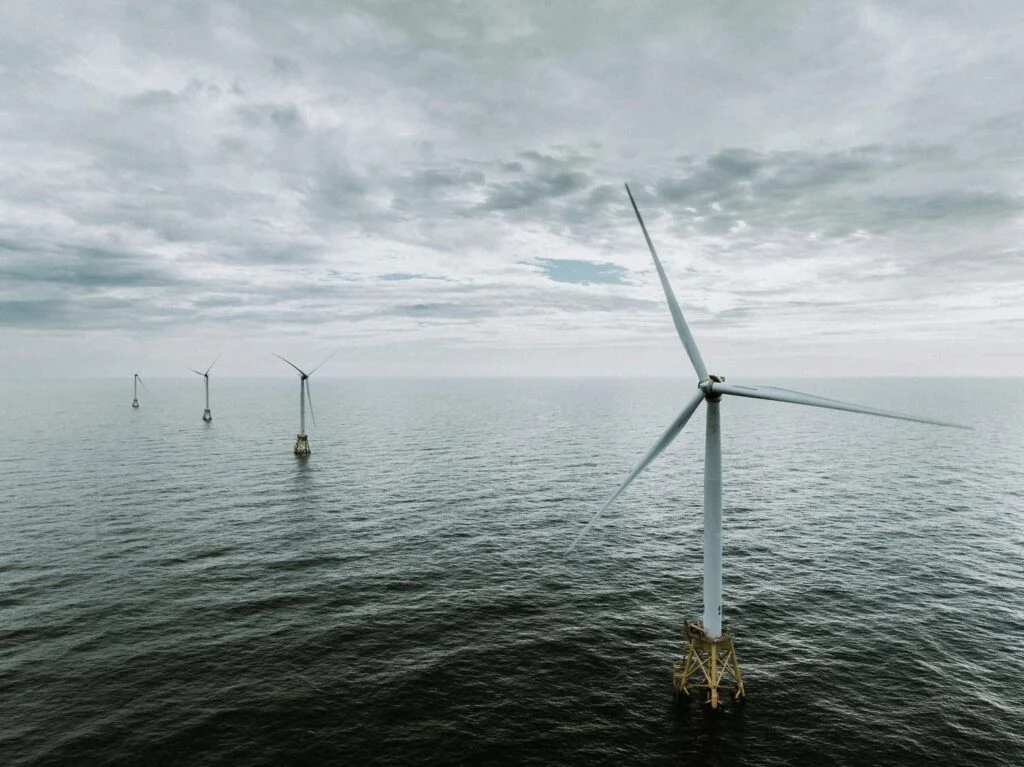
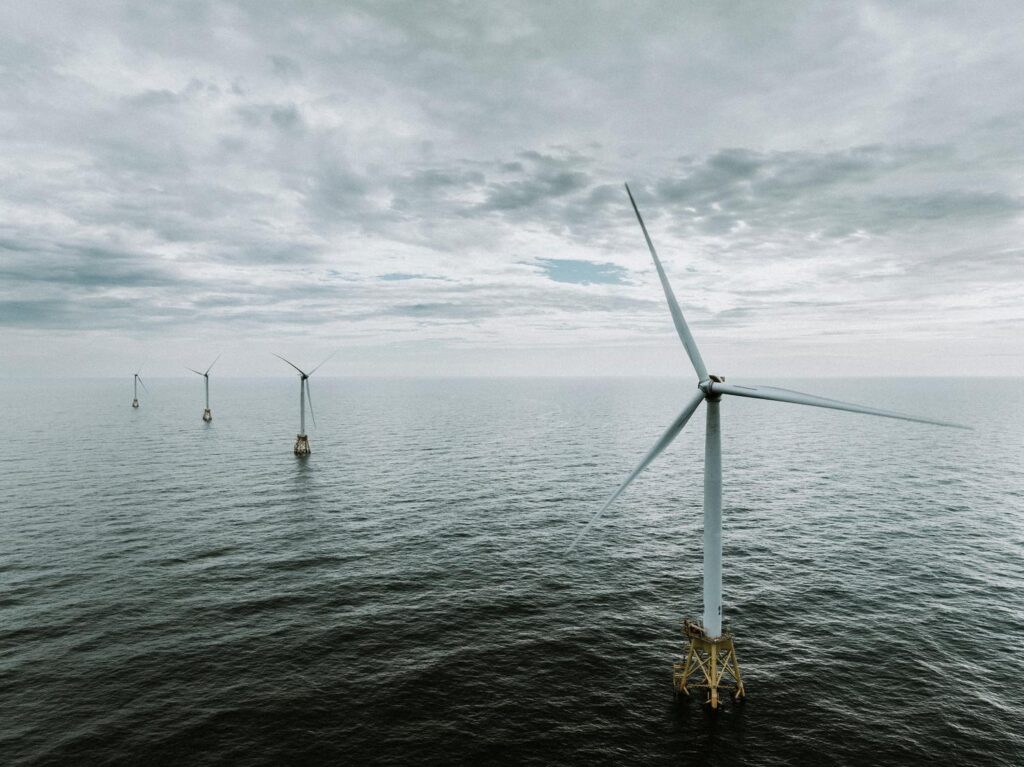
In a move that has sent shockwaves through the renewable energy sector, the Department of the Interior (DOI) recently announced the immediate suspension of five major offshore wind projects. These projects—Vineyard Wind, Revolution Wind, Coastal Virginia Offshore Wind, Sunrise Wind, and Empire Wind—were not merely in the planning stages; they were fully permitted and, in several instances, actively under construction. Collectively, these five initiatives represented the vanguard of the American offshore wind industry, with the potential to generate over 5,000 megawatts (MW) of clean electricity, enough to power millions of homes along the Eastern Seaboard.
The administration’s justification for this halt rests on "national security" concerns, though the specific nature of these claims remains largely classified. Historically, federal agencies have expressed concerns regarding offshore turbines interfering with military radar systems or maritime training exercises. However, industry analysts and former Department of Energy officials note that these projects had already undergone years of rigorous review by the Bureau of Ocean Energy Management (BOEM) and the Department of Defense (DOD) to mitigate such risks. The decision to halt construction mid-build introduces unprecedented sovereign risk to the U.S. energy market. Investors who have committed billions of dollars to these projects now face a climate of extreme regulatory uncertainty, which may deter future capital investment in domestic infrastructure.

The economic fallout is immediate. Vineyard Wind 1, located off the coast of Massachusetts, was expected to create over 3,600 full-time equivalent job years. The halting of these projects jeopardizes thousands of union labor positions in specialized maritime construction and engineering. Furthermore, the suspension disrupts a nascent domestic supply chain, including new manufacturing facilities for turbine blades and specialized vessels that were being built in U.S. shipyards to comply with the Jones Act.
Threats to the National Center for Atmospheric Research
Simultaneous with the shift in energy production is a proposed restructuring or potential shuttering of the National Center for Atmospheric Research (NCAR). Based in Boulder, Colorado, NCAR has been a cornerstone of global climate and atmospheric science since its founding in 1960. Managed by the University Corporation for Atmospheric Research (UCAR) and primarily funded by the National Science Foundation (NSF), NCAR provides the international scientific community with essential tools, including high-performance supercomputing, sophisticated climate models, and advanced observational platforms.
The administration has signaled that NCAR’s focus on long-term climate modeling may no longer align with federal priorities. However, the implications of defunding this institution extend far beyond climate theory. NCAR’s Community Earth System Model (CESM) is fundamental to predicting extreme weather events, such as hurricanes and heatwaves, which cause billions of dollars in annual damages to the U.S. economy. Furthermore, NCAR’s research into wildfire behavior and snowpack depletion is critical for water resource management in the American West. Without the data provided by NCAR, state and local governments lose their primary scientific basis for long-term infrastructure planning and disaster preparedness.
Critics of the move argue that dismantling NCAR is an attempt to erode the scientific foundation required for climate accountability. By removing the institutional capacity to track atmospheric changes, the administration can more easily dismiss the environmental impacts of its fossil fuel expansion policies. This "scientific blackout" has drawn condemnation from academic circles and bipartisan groups of state governors who rely on NCAR data for public safety and economic forecasting.
Expansion of Offshore Drilling to 1.27 Billion Acres
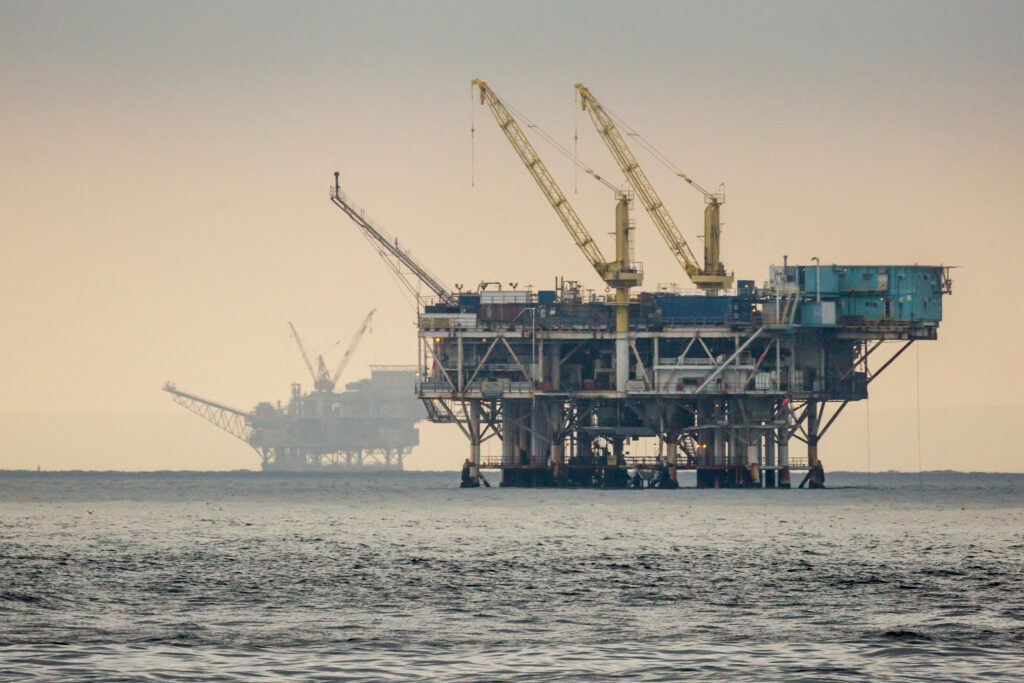
In perhaps the most expansive move toward fossil fuel dominance, the administration has proposed opening 1.27 billion acres of the U.S. Outer Continental Shelf to oil and gas leasing. This proposal encompasses nearly all U.S. coastal waters, including sensitive areas in the Arctic, the Atlantic, the Pacific, and the Eastern Gulf of Mexico—regions that have been largely protected from drilling for decades due to environmental concerns and the potential impact on tourism-based economies.
This proposal marks a total reversal of the 2024–2029 Outer Continental Shelf Oil and Gas Leasing Program, which had limited new leases to a record low. The new plan aims to maximize domestic production to lower energy costs and increase federal revenue through lease sales and royalties. However, the environmental risks associated with this expansion are significant. Coastal states such as Florida and California have long opposed offshore drilling due to the risk of catastrophic oil spills, which can devastate local fishing industries and tourism.
From a climate perspective, the development of these 1.27 billion acres would lock in decades of future greenhouse gas emissions. Energy economists also point out that the global oil market is currently well-supplied, and the "break-even" price for new offshore projects in remote areas like the Arctic remains high, questioning the immediate economic viability of such expansive leasing. Nonetheless, the administration views this as a necessary step toward "energy dominance," prioritizing the extraction of domestic hydrocarbons over the transition to renewable sources.
Forced Operation of the Craig Generating Station
The use of federal authority has also extended to the terrestrial power grid. In Colorado, the Department of Energy (DOE) recently invoked Section 202(c) of the Federal Power Act to prevent the closure of Unit 1 at the Craig Generating Station. The coal-fired plant, nearly 50 years old, was scheduled for retirement as part of a transition plan agreed upon by state regulators and the plant’s operator, Tri-State Generation and Transmission Association.

The DOE’s emergency order cited grid reliability concerns, mandating that the plant remain operational despite the fact that it had recently suffered mechanical failures and was no longer economically competitive. This move highlights a growing tension between federal executive power and state-level energy independence. Colorado has passed ambitious legislation to reduce carbon emissions by 80% by 2030, a goal that relies on the timely retirement of coal plants in favor of wind, solar, and battery storage.
By forcing the Craig plant to stay online, the federal government is overriding the planning of local utilities and state officials. This intervention is expected to result in higher costs for rural ratepayers, as maintaining an aging, inefficient coal unit is significantly more expensive than procuring power from newer renewable sources. Moreover, the continued operation of the plant ensures a steady stream of sulfur dioxide, nitrogen oxides, and carbon dioxide emissions in a region already grappling with air quality challenges and shrinking water supplies.
Broader Economic and Geopolitical Implications
The cumulative effect of these policies is a fundamental realignment of the United States’ role in the global energy transition. For the past decade, the U.S. has positioned itself as a leader in clean energy technology and climate diplomacy. The current administration’s pivot suggests a withdrawal from this leadership role, prioritizing short-term industrial gains in the fossil fuel sector over long-term technological competitiveness in the green economy.
Economic Competitiveness: As China and the European Union continue to invest heavily in wind, solar, and electric vehicle infrastructure, the U.S. risks falling behind in the "green race." Halting offshore wind projects and defunding atmospheric research may lead to a "brain drain," as American scientists and engineers seek opportunities in nations with more stable support for renewable energy.
Grid Resilience: While the administration argues that coal and oil expansion are necessary for grid reliability, many energy experts argue the opposite. A diversified grid—supported by decentralized renewable energy and advanced storage—is often more resilient to extreme weather and cyberattacks than a grid reliant on a few large, aging fossil fuel plants.
Legal and Regulatory Conflict: The rapid-fire nature of these executive actions is likely to trigger a wave of litigation. Environmental groups, state attorneys general, and even private energy companies are expected to challenge the use of "national security" and "emergency powers" to bypass existing laws like the National Environmental Policy Act (NEPA). These legal battles could leave the U.S. energy sector in a state of limbo for years.
Conclusion
The Trump administration’s recent actions represent a comprehensive effort to dismantle the structures supporting the U.S. energy transition. By halting offshore wind, threatening climate science, expanding drilling, and propping up coal, the executive branch is attempting to solidify a fossil-fuel-based economy for the mid-21st century. While these moves are framed as essential for national security and economic growth, they face significant opposition from states, scientific communities, and market forces that have already begun the move toward a cleaner, more sustainable energy future. The coming years will determine whether this pivot is a permanent shift in American policy or a temporary disruption in a long-term global trend toward decarbonization. For now, the certainty of the American energy landscape has been replaced by a period of intense volatility and ideological conflict.
