

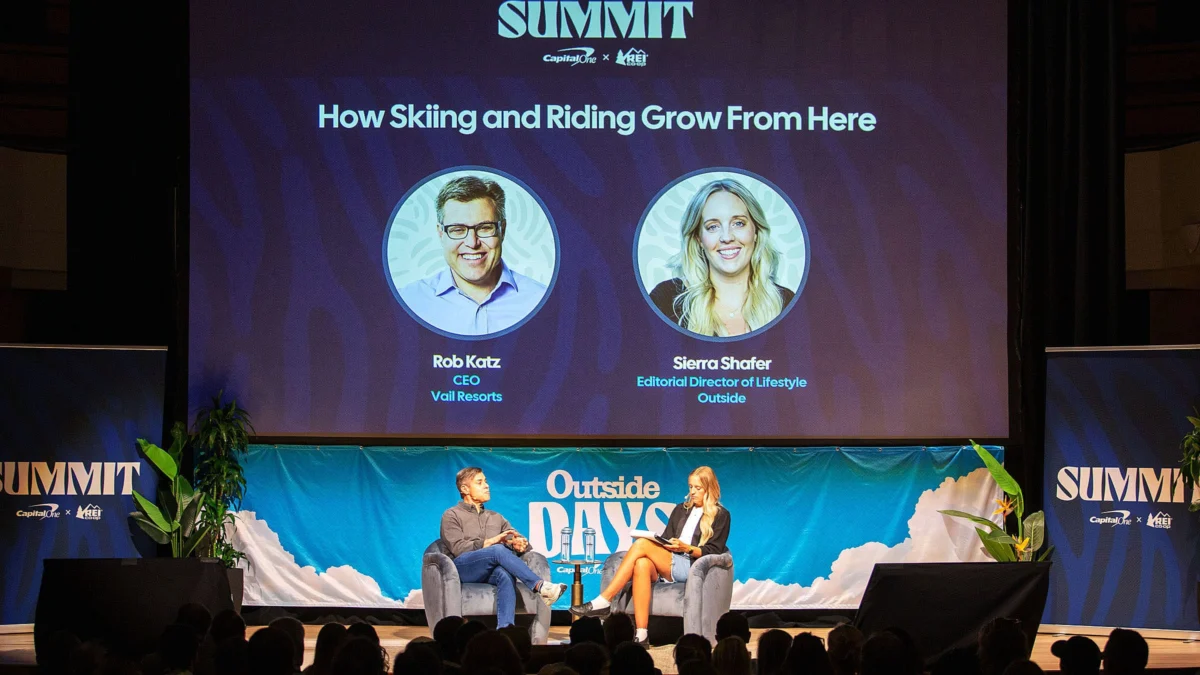
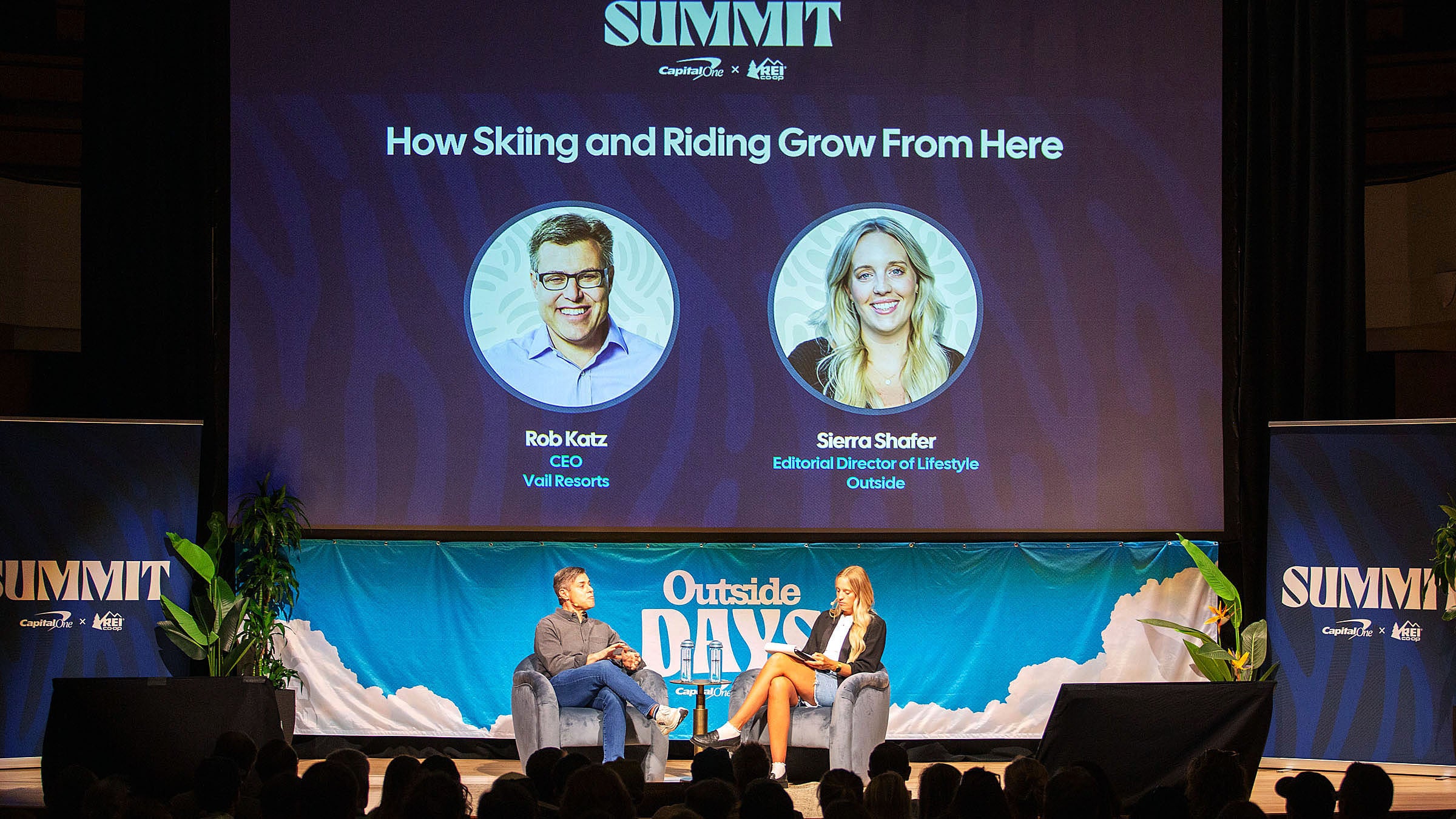
Denver, CO – June 5, 2026 – For two decades, the discourse surrounding the ski industry has been dominated by the concept of "access," largely driven by the transformative advent and widespread adoption of multi-resort season passes. Yet, a pivotal shift is now underway, as Rob Katz, the influential CEO of Vail Resorts and a key architect of the modern multi-pass system, declares that the industry’s focus must evolve from mere access to the holistic quality of the on-mountain experience. This significant pronouncement, made during a recent session at The Summit industry conference, part of Denver’s broader Outside Days festival, signals a new strategic direction for an industry grappling with the paradox of its own success.
The Genesis of the Multi-Pass Revolution
The era Katz refers to began in earnest with the introduction of the Epic Pass in 2008 by Vail Resorts, a move that fundamentally reshaped the economics and accessibility of skiing. Prior to this, individual resorts largely operated in isolation, offering daily lift tickets or single-resort season passes that often priced out many potential enthusiasts. The Epic Pass, offering unlimited access to multiple premier resorts for a fixed, relatively affordable price, was revolutionary. It provided financial stability to resorts by guaranteeing upfront revenue and encouraged repeat visitation, thereby fostering a deeper connection between skiers and their chosen mountains.
Competitors quickly followed suit, recognizing the paradigm shift. The Mountain Collective emerged, offering limited days at a curated collection of high-profile destinations. By 2018, the introduction of the Ikon Pass by Alterra Mountain Company solidified the "pass wars," creating a dynamic competitive landscape that further broadened options for skiers. Subsequently, products like the Indy Pass, focusing on independent and smaller resorts, and the newly launched Snow Pass, have continued to diversify the market. This intense competition has led to an unprecedented expansion of ski networks, now encompassing far-flung ski areas across the Alps, Japan, Australia, and South America, transforming what was once a collection of disparate regional resorts into an interconnected global ecosystem.
The Global Reach and Economic Impact
The impact of these passes on the ski industry has been profound. According to industry reports, multi-pass sales now account for a substantial portion of lift ticket revenue, often exceeding 50% for major operators. This model has democratized skiing to an extent, bringing down the effective cost per day for frequent skiers and attracting new demographics to the slopes. Data from the National Ski Areas Association (NSAA) indicates a steady increase in skier visits in recent years, often attributed in part to the value proposition of these passes. For example, while skier visits fluctuated in the early 2000s, the post-Epic Pass era saw more consistent growth, with record-breaking seasons like 2021-2022 registering over 61 million visits in the U.S. alone. This growth, however, has not been without its challenges.
A Maturing Market: The Shift to Experience
Katz’s recent remarks underscore a critical inflection point. "The focus has to be on the experience people are having rather than necessarily access," he stated at The Summit. "The pass stability is critical, and I’m glad we had it, but I think as we look forward, it has to be different." This perspective is particularly noteworthy coming from a figure so instrumental in the access-driven model. It suggests that while the multi-pass system successfully addressed the initial barrier of entry and cost, it has inadvertently created new challenges that now demand attention.
The shift reflects a market that has matured. The novelty of accessing multiple resorts on a single pass has become standard expectation. Now, the differentiator lies in the quality of the time spent on the mountain. Industry analysts, such as those from SnowSports Industries America (SIA), have increasingly pointed to "guest satisfaction" and "overall experience" as crucial metrics for future growth, moving beyond simple visitation numbers.
The Paradox of Popularity: Managing Success
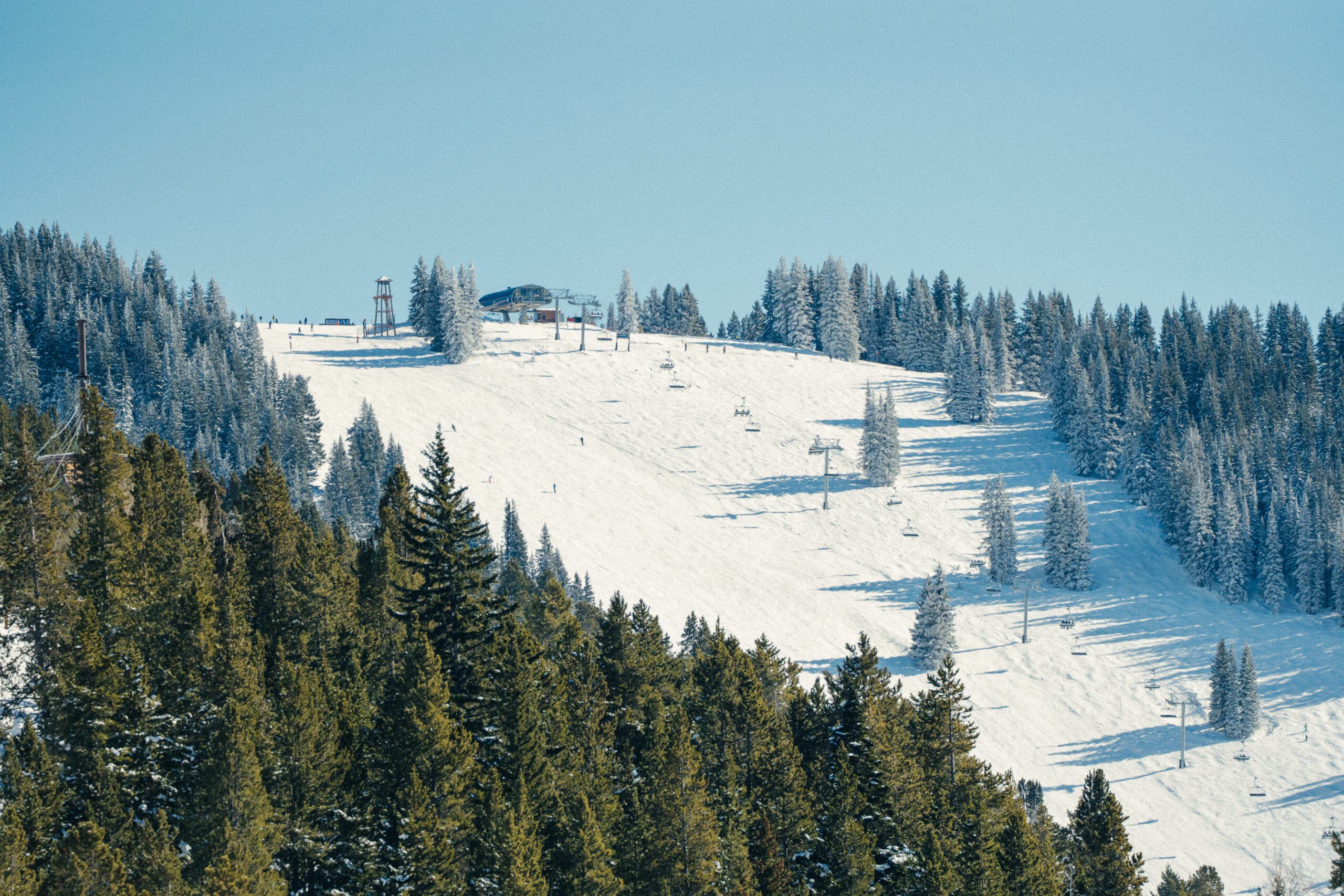
The success of multi-passes has brought with it an undeniable paradox: more people enjoying the mountains has led to increased crowds, traffic congestion, packed parking lots, and longer lift lines. This tension is palpable within the skiing community. While a fundamental desire exists for the sport to thrive and for more individuals to discover the joy of sliding down slopes and connecting with nature, the direct impact of increased popularity on personal enjoyment is a frequent complaint. Skiers want growth, but they also crave uncrowded slopes and efficient operations.
Katz acknowledges these concerns but firmly rejects the notion of making skiing more exclusive through higher prices or additional blackout dates. "When people tell me we should charge more, or add more blackout dates, I always ask: Who is it that should go home and not get a chance to be on the mountain?" This stance reinforces Vail Resorts’ long-held commitment to broad accessibility, even as it seeks to mitigate the negative consequences of that very accessibility. The implications of such a policy are significant, suggesting that solutions must come from operational innovation rather than demand suppression.
Streamlining the Journey: Technology’s Role
Instead, Katz champions a future where technology and refined operational systems smooth out the entire ski experience. He envisions a scenario where the myriad logistical hurdles that often deter newcomers and even frustrate seasoned skiers are systematically removed. Getting ready for a ski day, especially with children, can feel like a complex military operation – from managing gear and travel to navigating rentals and lift ticket acquisition. These complexities, while routine for veterans, can be significant barriers for beginners, potentially preventing their return.
Technology, according to Katz, is not meant to digitize the on-mountain experience itself, but rather to simplify the peripheral processes. He suggests innovative approaches to gear access, for instance. Rather than owning equipment that sits idle for much of the year, casual skiers might benefit from seamless, high-quality rental or subscription services that provide perfectly fitted, top-tier gear without the hassle of storage or maintenance. This could involve advanced booking systems, automated locker pickups, or even on-demand delivery services at the resort.
Furthermore, technology can address bottlenecks in parking, rentals, and lift lines. This could manifest as smart parking systems that guide vehicles to available spots, expedited rental processes through pre-registration and AI-driven sizing, and more efficient lift queuing aided by data analytics and dynamic crowd management. Already, RFID technology has streamlined lift access, reducing physical ticket checks. The next evolution could involve predictive analytics to anticipate crowd flows, optimize lift operations, and even inform skiers about less congested areas or times via resort apps. The key, Katz emphasizes, is to use technology to remove friction, allowing the natural, human-centric mountain experience to shine through unimpeded.
The Heart of Skiing: Fostering Community
Crucially, Katz differentiates between enhancing logistical efficiency and digitizing the core experience of skiing. He firmly asserts, "We’re not digitizing that experience. The human element of the mountain is so important." This distinction is vital for a sport where connection – to nature, to friends and family, and to a vibrant community – is paramount. The joy of chairlift conversations, the shared exhilaration of a powder day, the camaraderie forged through challenging descents, and the sense of identity that crystallizes around a winter lifestyle in the mountains are what truly define skiing.
Katz reiterates that skiing’s greatest strength is not its infrastructure or business model, but the deep passion and lifestyle it inspires. "People don’t say that about a lot of vacation activities," he observed. "They say, ‘I’m a skier. I’m a snowboarder.’" This profound sense of identity and belonging is what differentiates skiing from many other leisure pursuits and what gives Katz optimism about its future, even amidst challenges like crowding and climate change.
Breaking Down Barriers: Inclusivity on the Slopes
To truly cultivate this passionate community and ensure the sport’s longevity, Katz argues for a more welcoming and inclusive culture. He acknowledges that skiing can be intimidating and cliquey for newcomers, a point often overlooked in discussions about "accessibility." While financial and logistical barriers are frequently addressed, the social and cultural barriers are equally significant. The phenomenon of "Jerry of the Day" videos, while often humorous to seasoned skiers, can be profoundly alienating for beginners. "It’s funny unless you’re the person on the other side," Katz noted, highlighting the subtle ways the community can inadvertently discourage participation.
Broadening participation, therefore, requires a conscious effort to foster a more empathetic and supportive environment. This goes beyond technological fixes; it demands a cultural shift within the ski community itself. Creating a sense of belonging for all, regardless of skill level or experience, is a challenge that technology alone cannot solve. It requires intentional programs, supportive instructors, and a collective mindset that celebrates every participant’s journey on the mountain.
A New Horizon for Mountain Resorts
The implications of Katz’s vision extend beyond individual resorts to the entire mountain sports ecosystem. It suggests a future where success is measured not just by visitor numbers, but by repeat engagement, customer loyalty, and the perceived quality of the entire resort experience. This could lead to:
- Diversified Revenue Streams: Moving beyond traditional lift ticket sales to enhanced rental services, personalized instruction, curated dining experiences, and perhaps even subscription models for gear or specific amenities.
- Increased Investment in Infrastructure: Not just new lifts, but smart infrastructure for traffic management, parking solutions, and integrated digital platforms.
- Sustainability Focus: Efficient operations, crowd management, and technological solutions can also contribute to reducing environmental impact per visitor, aligning with growing ecological concerns.
- Enhanced Customer Relationship Management: Utilizing data to personalize offers and anticipate guest needs, fostering deeper relationships with skiers.
The Ultimate Challenge: From Participant to Passionate Skier
The "pass wars" largely achieved their initial objectives: stabilizing resort finances, encouraging return visits, and making skiing more financially accessible. The next pivotal challenge, as articulated by Katz, is to transform casual participants into lifelong enthusiasts, to convert "people who ski" into "skiers." This involves embracing modern engagement strategies, including social media and influencer culture, to reach new generations, while steadfastly preserving the authentic outdoor experience that is skiing’s fundamental appeal.
Katz remains optimistic about the sport’s enduring power. "There have been a lot of moments where people have doubted this sport," he reflected. "I’ve skied since the ’70s, and I’ve been involved from a business perspective since the early ’90s. What gives me a lot of optimism is the passion that is involved. The people are so passionate." This inherent passion, when coupled with an industry committed to enhancing the entire guest journey and cultivating a truly welcoming community, holds the key to skiing’s vibrant and sustainable future. The transition from merely providing access to meticulously crafting an unforgettable experience is not just a strategic pivot for Vail Resorts; it is a vital evolution for the entire global ski industry.
