

The 2025-2026 snow season across the Western United States has concluded as one of the most volatile and climatically challenging periods in recent history, characterized by experts as a "hot mess" of record-breaking temperatures and dwindling snowpacks. Throughout the winter months, the region faced a series of meteorological anomalies that forced ski resorts to frequently pause operations, led to premature closures, and sparked a flurry of dire reports regarding the state of high-altitude water reserves. As the spring transition accelerates, a retrospective analysis of the season reveals significant shifts in the timing of the hydrological cycle, raising urgent questions about the resilience of summer water supplies and the long-term health of the Western environment.
According to Dr. David Hill, a professor at Oregon State University and a National Geographic Explorer, the season’s difficulties stemmed not from a lack of moisture, but from a critical absence of cold. While precipitation levels remained near historical averages in several key states, the persistent warmth transformed what should have been a robust winter into a series of rain events and rapid melt-off periods. The resulting data paints a sobering picture of a region struggling to maintain its traditional seasonal boundaries.
A Season of Moving Goalposts: The 2025-2026 Chronology
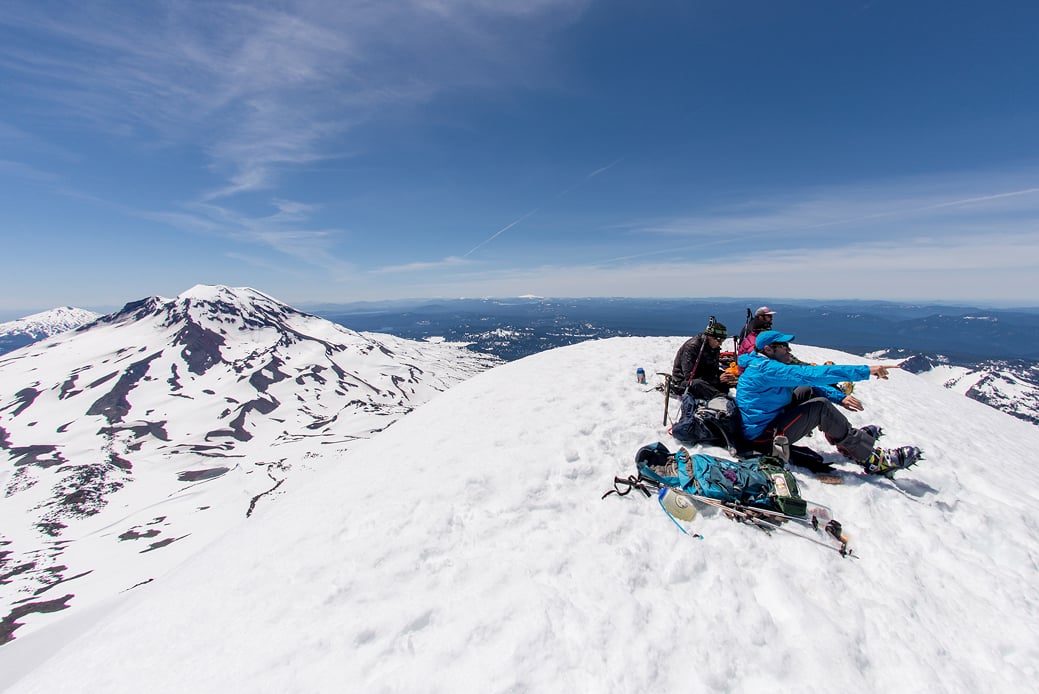
The 2025-2026 winter season was marked by a series of delays that frustrated both recreational industries and water management officials. The typical "recipe" for a healthy snowpack—adequate moisture combined with sustained sub-freezing temperatures—failed to materialize during the critical early-season months.
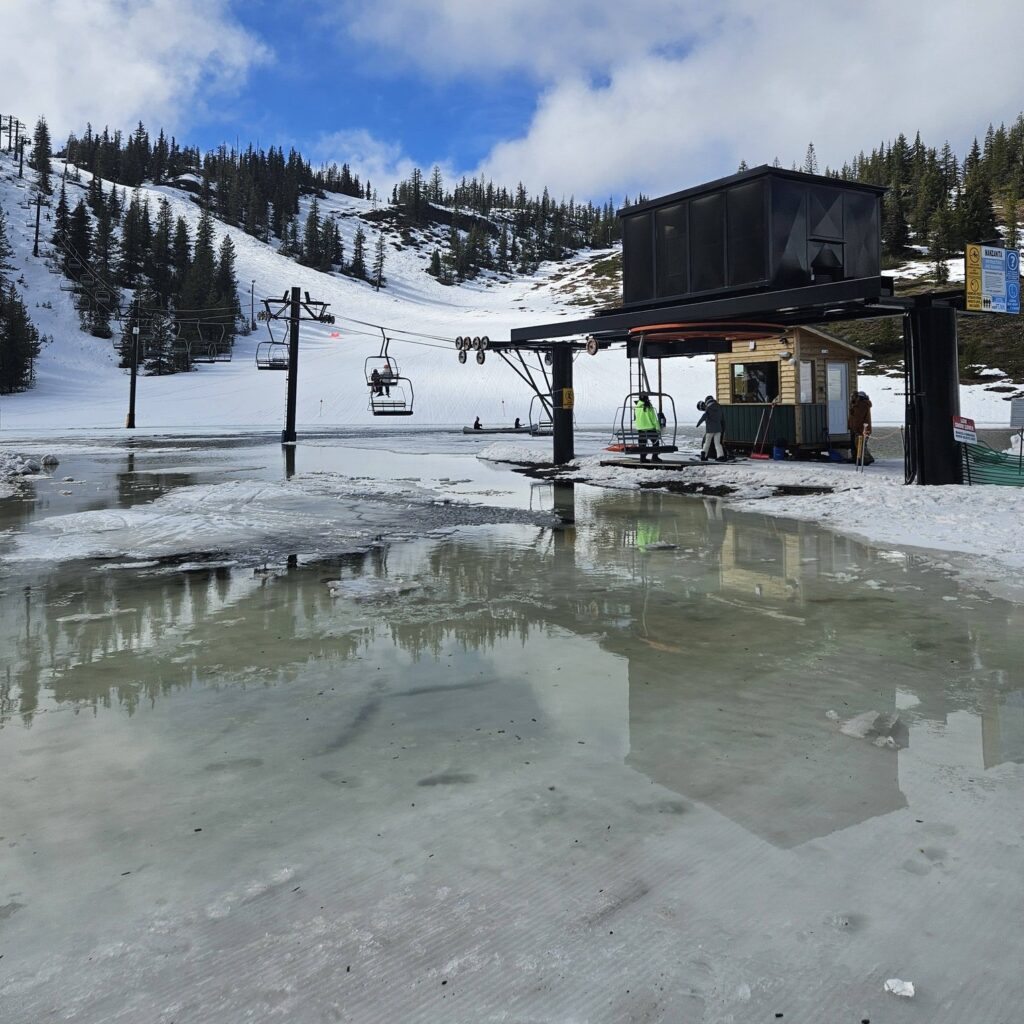
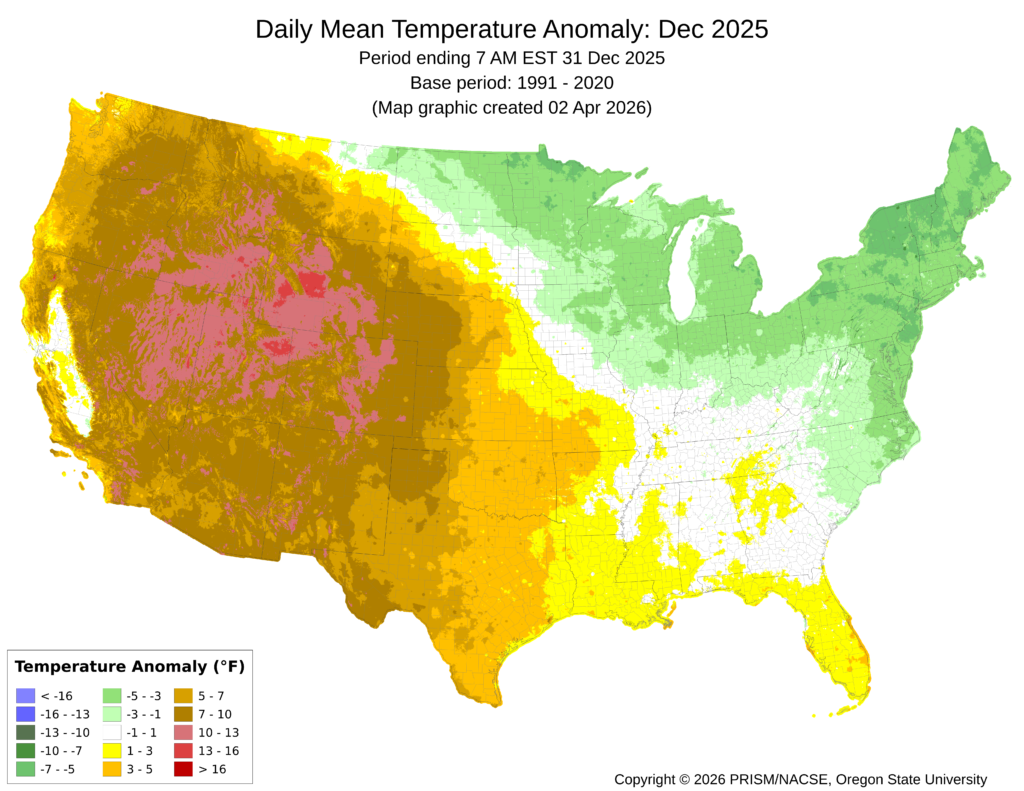
In the late autumn of 2025, early forecasts suggested a standard start to the season. However, as December approached, the Western United States experienced a historic temperature spike. Data from the PRISM Climate Group indicates that much of the region saw temperatures ranging from 5 to 15 degrees Fahrenheit above long-term averages. This "nightmare" scenario for ski resort operators and backcountry enthusiasts meant that the anticipated "start" of the season was repeatedly deferred.
The industry’s expectations for a robust opening shifted from the New Year’s holiday to Martin Luther King Jr. Weekend, and eventually to Presidents’ Day. In many locations, a viable base for skiing and snowboarding did not arrive until spring break, by which time the season was already nearing its natural conclusion. This compression of the winter window has had immediate economic impacts on mountain-dependent communities, where seasonal revenue is often dictated by the number of operational days between December and March.
Dissecting the Meteorological Anomalies
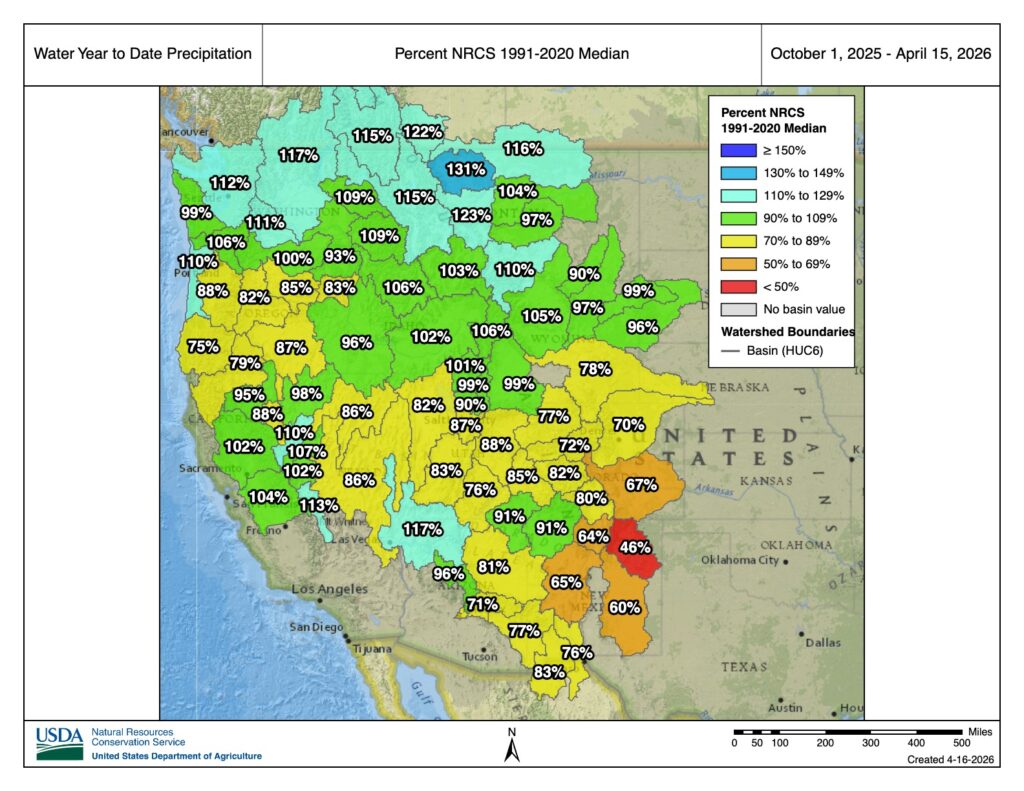
The disparity between precipitation and temperature was the defining characteristic of the 2025-2026 water year. According to the Natural Resources Conservation Service (NRCS), precipitation levels were surprisingly resilient in certain sectors. Northwest Wyoming, Montana, Idaho, and Washington actually reported slightly above-average moisture. Conversely, Oregon, Utah, and Colorado experienced drier-than-normal conditions.
However, the "smoking gun" for the season’s failure was the heat. The anomalous warmth of December set a precedent that the rest of the winter could not overcome. Because temperatures remained high, the moisture that did fall often arrived as rain rather than snow, particularly at lower and mid-mountain elevations. For the snow that did manage to accumulate, the lack of sustained cold prevented the development of a deep, insulating base.
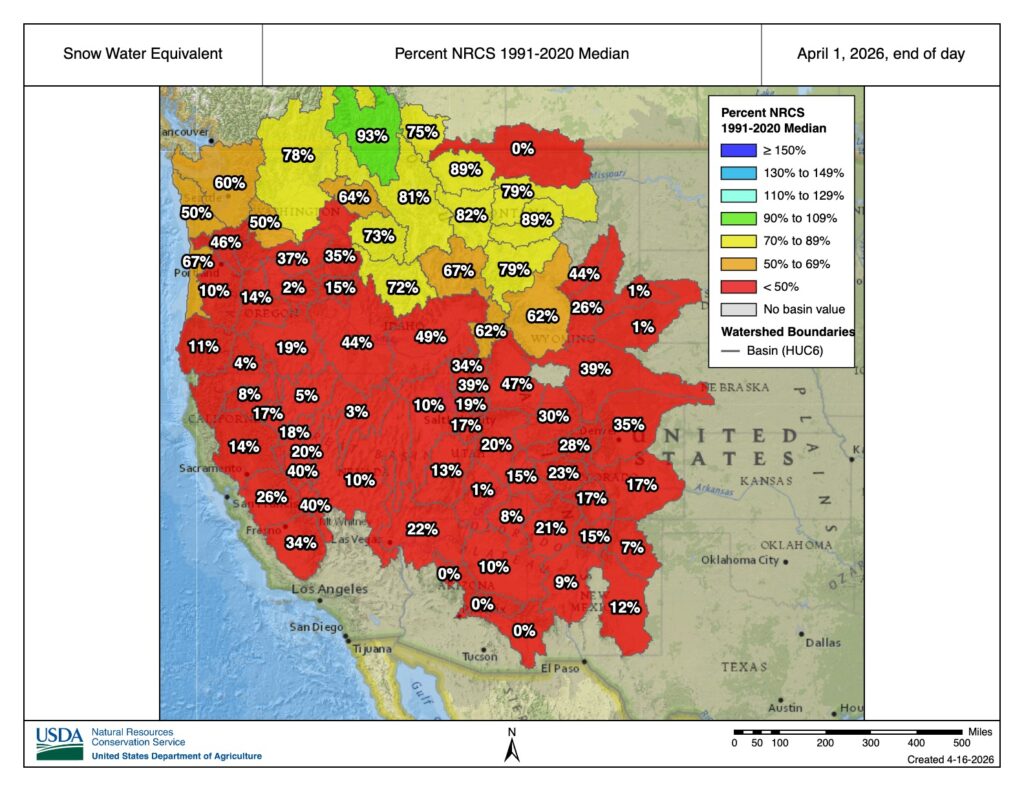
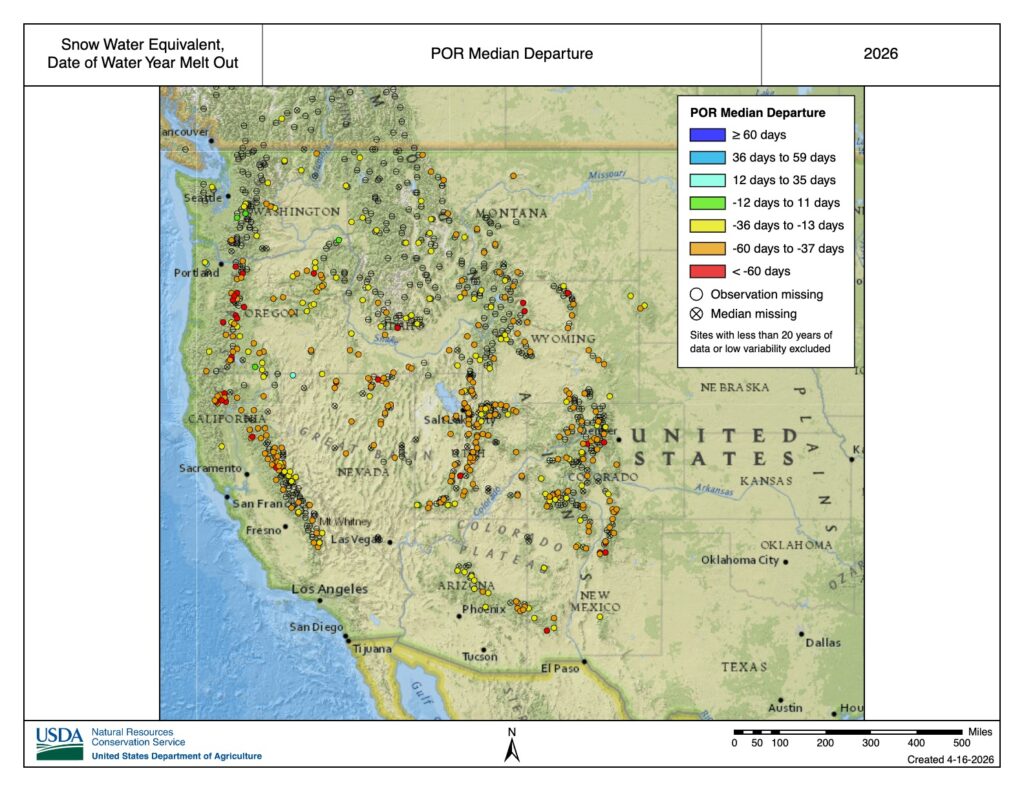
By April 1—the traditional benchmark for peak snowpack in the Western U.S.—Snow Water Equivalent (SWE) values were reported at a tiny fraction of their historical averages. In several locations, observation stations recorded the lowest peak values in the past 45 years. Perhaps more alarming was the "snow off" data; by mid-April, many regions had already lost their entire snowpack. These melt-out dates occurred not just days or weeks early, but in some instances, two months ahead of schedule.
The Role of Snow as a Natural Reservoir
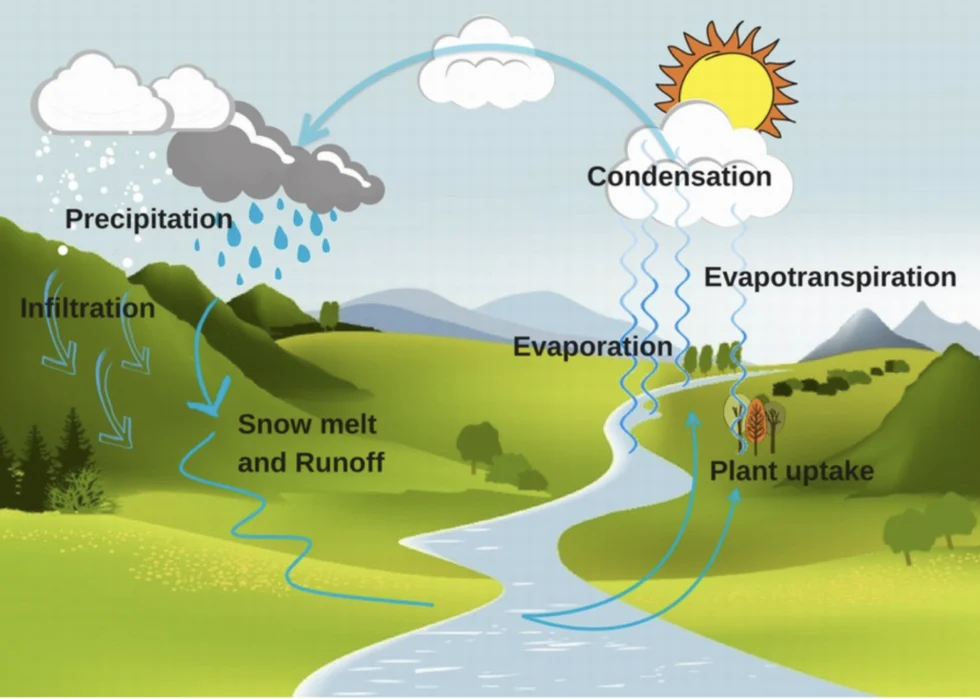
To understand the gravity of a low-snow year, it is necessary to view snow not merely as a recreational asset, but as a critical component of the global hydrological infrastructure. Water is a finite and often inaccessible resource. While the Earth is covered in water, the vast majority is salt water, locked in ice caps, or trapped in deep underground aquifers. Less than one-hundredth of one percent of the Earth’s total water is readily available to support human needs.
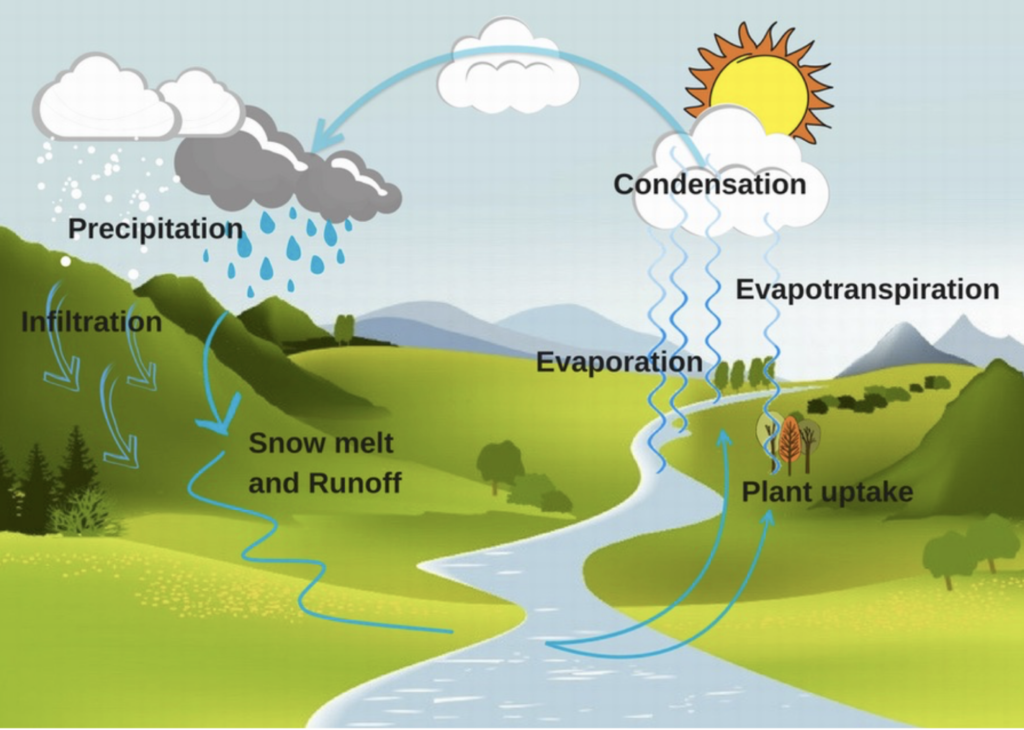
In the Western United States, the seasonal snowpack acts as a massive, distributed reservoir. As snow accumulates during the winter, it effectively "stores" water for the dry summer months. This natural storage system provides several key benefits:
- Timed Release: Snow melts slowly, releasing water into streams and rivers throughout the late spring and early summer when agricultural and municipal demands are highest.
- Flood Mitigation: By holding moisture in solid form, the snowpack prevents all of the winter’s precipitation from rushing into river systems at once, thereby reducing the risk of downstream flooding.
- Temperature Regulation: The gradual influx of cold meltwater maintains lower stream temperatures, which are vital for the survival of various aquatic species, including salmon and trout.
The scale of this "snow reservoir" is immense. Estimates suggest that at its peak, the water stored in the contiguous United States’ snowpack is approximately five times the capacity of Lake Mead, the largest man-made reservoir in the country. When the snowpack fails, the burden of water storage shifts entirely to man-made infrastructure, which is often already strained by years of drought.
Strain on the Colorado River Basin and Infrastructure
The 2025-2026 season has added significant pressure to the already beleaguered Colorado River Basin. Years of consecutive dry conditions and low-snow winters have led to a steady decline in the elevations of Lake Mead and Lake Powell. The early melt-out of 2026 means that the "insurance policy" provided by the snowpack has been cashed in months ahead of schedule.
Water managers are now faced with increasingly urgent conversations regarding allocation. The Colorado River supports over 40 million people and massive agricultural tracts across seven states and Mexico. With the natural reservoir of the mountains depleted early, the reliance on the Hoover Dam and other infrastructure has reached a critical juncture.
While the Western U.S. has a sophisticated network of canals, aqueducts, and surface reservoirs designed to even out the mismatches between supply and demand, these systems have limits. The loss of a natural, high-elevation snowpack means that water is lost to evaporation and runoff much faster than the infrastructure can capture it.
Broader Implications and Environmental Feedback Loops
The implications of the 2025-2026 season extend beyond water taps and ski lifts. The early disappearance of snow triggers a series of environmental feedback loops that can exacerbate summer challenges.
Wildfire Risk: When snow melts two months early, the soil and forest fuels (such as timber and underbrush) begin drying out much sooner. This extends the duration of the "fire season," increasing the likelihood of high-intensity wildfires in the late summer and autumn.
Ecological Stress: Aquatic ecosystems depend on a steady flow of cold water. Early runoff can lead to "low-flow" conditions in late summer, where water temperatures rise to levels that are lethal for certain fish populations. Additionally, the lack of a sustained spring thaw can disrupt the migratory patterns of various wildlife species.
Agricultural Impact: Farmers who rely on "senior" water rights tied to streamflow may find their allocations curtailed much earlier in the growing season. This can lead to lower crop yields and increased food prices, creating an economic ripple effect that reaches far beyond the Western states.
Future Outlook: Variability vs. Trend
While the 2025-2026 season was exceptionally poor, experts emphasize the importance of distinguishing between inter-annual variability and long-term climate trends. Snow is notoriously unpredictable, characterized by "boom or bust" cycles. A lean year can, and often is, followed by a record-breaking winter.
However, the long-term data indicates a clear downward trend in both the total volume of snow and the duration it remains on the ground. The "feast or famine" nature of modern winters is occurring against a backdrop of rising baseline temperatures. As Dr. Hill notes, the "glass" of our water resources is currently in a state of flux. While there is always hope for a "half-full" season of snow in 2026-2027, the structural reality of a warming climate requires a fundamental shift in how the West manages its water.
The 2025-2026 season serves as a potent reminder that snow and cold are not just aesthetic features of the mountain landscape; they are elemental requirements for the stability of the region’s water supply. As communities across the West prepare for a potentially dry and difficult summer, the focus remains on conservation, infrastructure adaptation, and a deeper understanding of the vital role that winter plays in sustaining life.
