

The 2025-2026 winter season across the Western United States has concluded as one of the most volatile and climatically challenging periods in recent meteorological history. Characterized by a significant misalignment between precipitation and temperature, the season—often referred to by climatologists and industry stakeholders as a "thermal anomaly event"—has left deep-seated implications for the region’s water security, ecology, and winter-dependent economies. While precipitation levels in several states remained near historical averages, the absence of sustained sub-freezing temperatures prevented the formation of a viable snowpack, leading to what experts describe as a "snow drought" despite relatively consistent moisture.
Executive Summary of the 2025-2026 Hydrologic Year
The 2025-2026 water year, which began on October 1, 2025, initially showed promise with early-season moisture. However, as the winter progressed, the "recipe" for snow—sufficient moisture combined with cold temperatures—was consistently undermined by a persistent high-pressure ridge that brought unseasonably warm air across the Pacific Northwest, the Great Basin, and the Rocky Mountains.
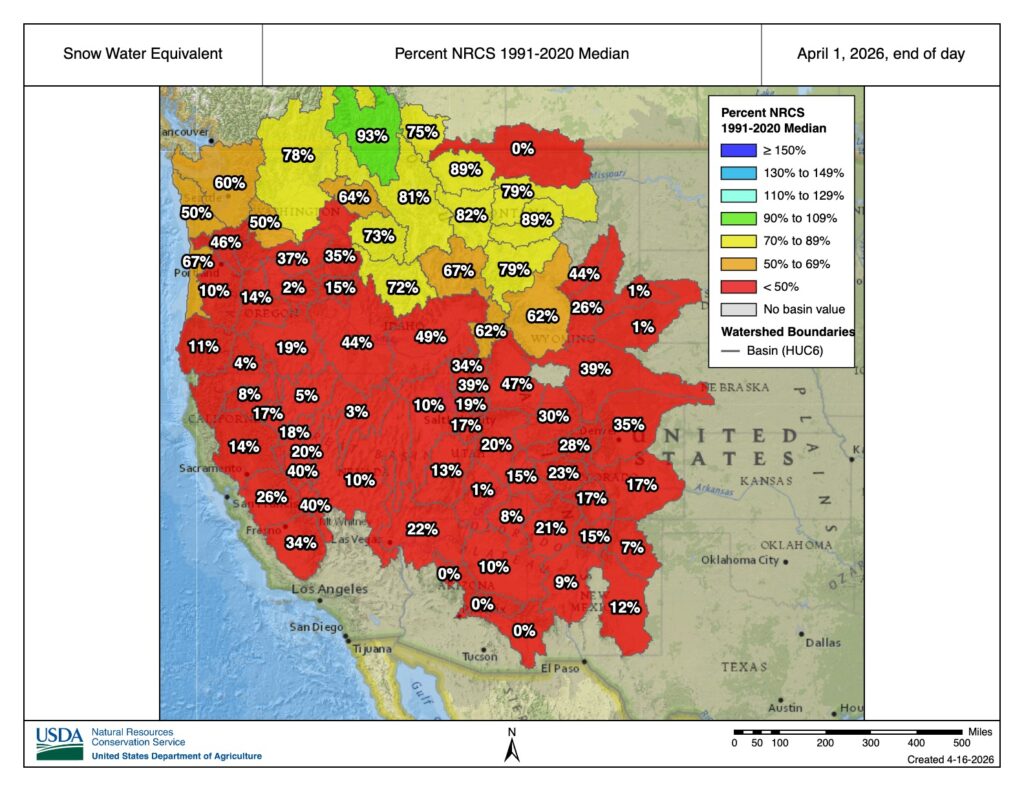
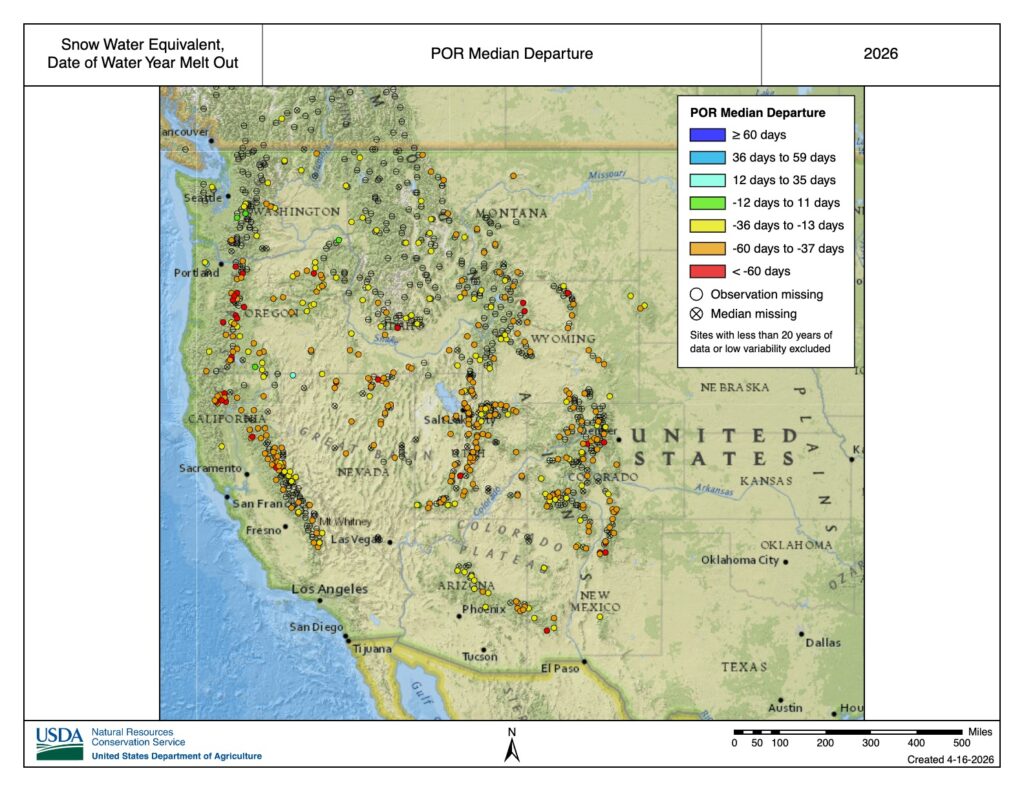
Data from the Natural Resources Conservation Service (NRCS) and the PRISM Climate Group indicate that while the "wet" component of the season was adequate in many regions, the "cold" component was almost entirely absent during critical months. This resulted in a season where ski resorts faced intermittent closures, and hydrologists observed "melt-out" dates—the day the ground becomes bare of snow—occurring months earlier than the long-term average. By April 1, 2026, a traditional benchmark for peak snowpack, many monitoring stations reported Snow Water Equivalent (SWE) values that were only a small fraction of the historical mean, with some locations recording their lowest peak values in 45 years.
Chronology of a Diminished Winter
The 2025-2026 season was defined by a series of "moving goalposts" for winter enthusiasts and resource managers. The typical progression of the snow season, which usually begins in earnest by late November, was delayed by a record-breaking warmth in December 2025.
The December Thermal Crisis
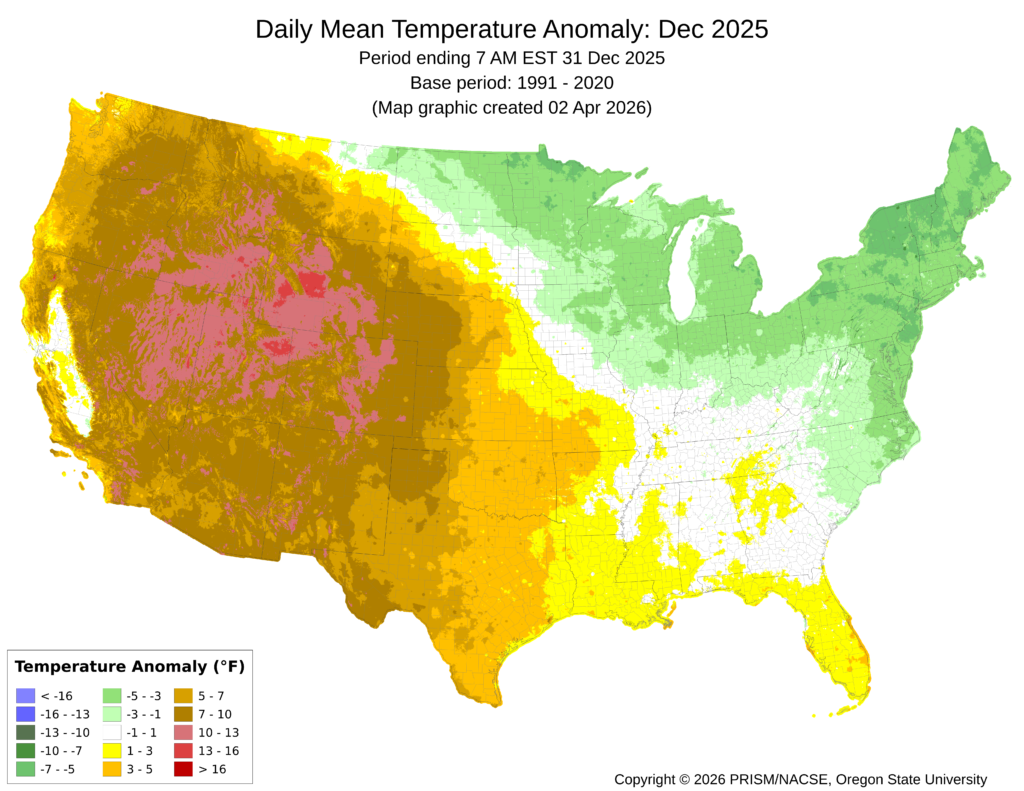
December is traditionally the month when the mountain snowpack establishes its base. In 2025, however, much of the Western United States experienced temperature anomalies ranging from 5 to 15 degrees Fahrenheit above the long-term average. While the Northeast and Upper Midwest saw temperatures slightly below average, the West was trapped under a "warm dome." This led to rain-on-snow events at high elevations, which not only prevented new snow accumulation but actively eroded the minimal snow that had fallen in November.
Mid-Season Delays
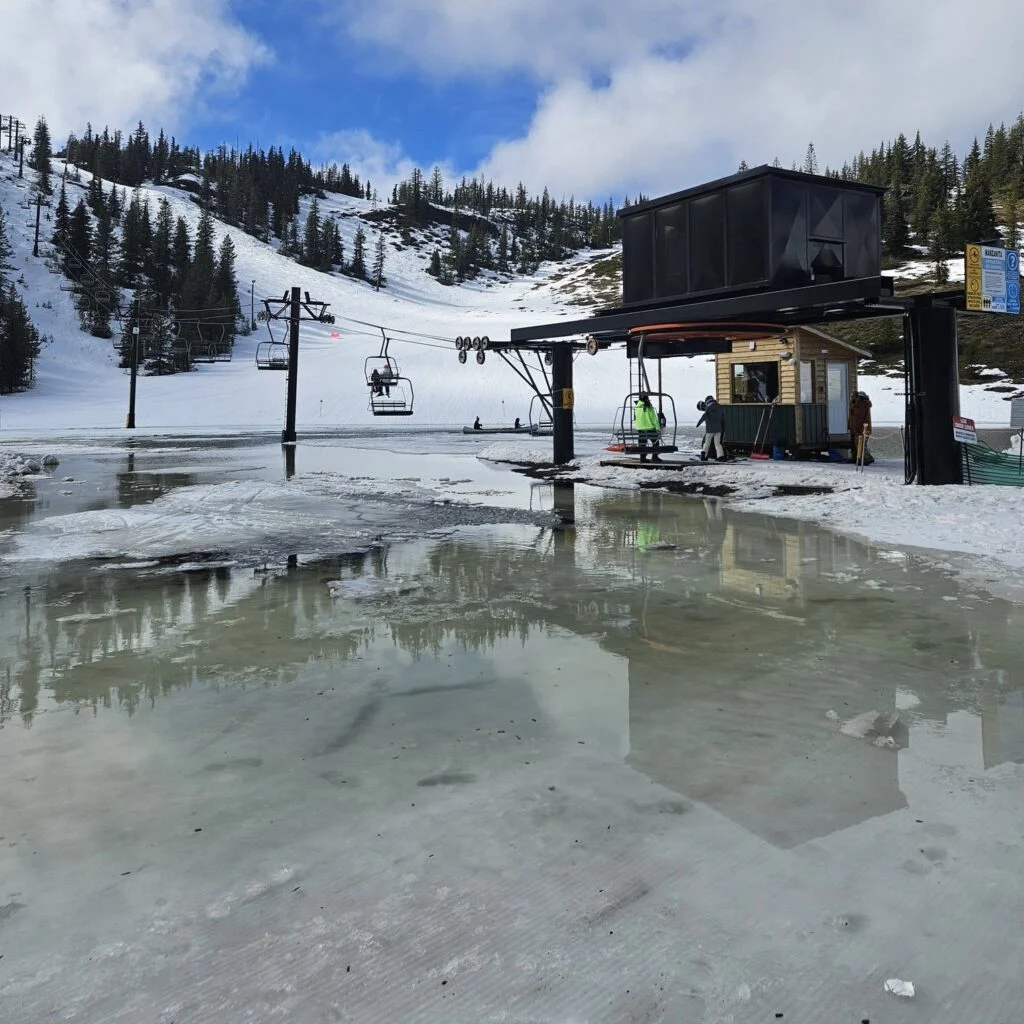
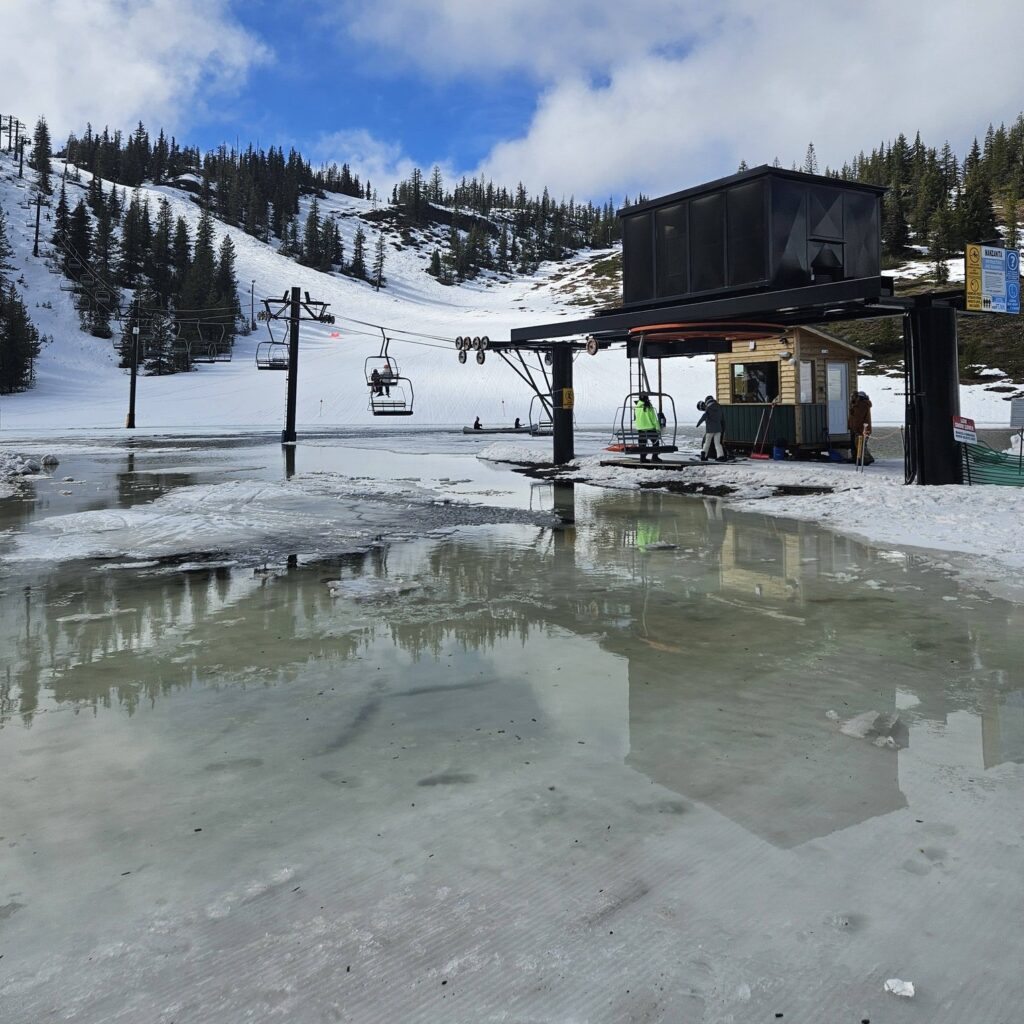
As the calendar turned to 2026, the industry hope for a "January recovery" failed to materialize. Forecasts repeatedly pushed back the expected onset of "true winter" from the New Year’s holiday to Martin Luther King Jr. Day, then to Presidents’ Day, and finally into the spring break period. By mid-March, the situation had reached a critical point. At the Hoodoo Ski Area on Oregon’s Santiam Pass, operators were forced to manage unscheduled "pond skims"—natural meltwater pools forming on active runs—signaling a premature end to the traditional ski season.
The Premature Spring
By April 2026, the deficit was insurmountable. The April 1 SWE data showed a stark reality: Oregon, Utah, and Colorado were significantly dry, while even the relatively "wet" areas of northwest Wyoming, Montana, Idaho, and Washington could not retain their snow due to the heat. In many high-altitude locations, the snow had completely vanished by mid-April, marking a melt-out anomaly of 60 days or more in the most severely affected regions.
Regional Precipitation and Temperature Analysis
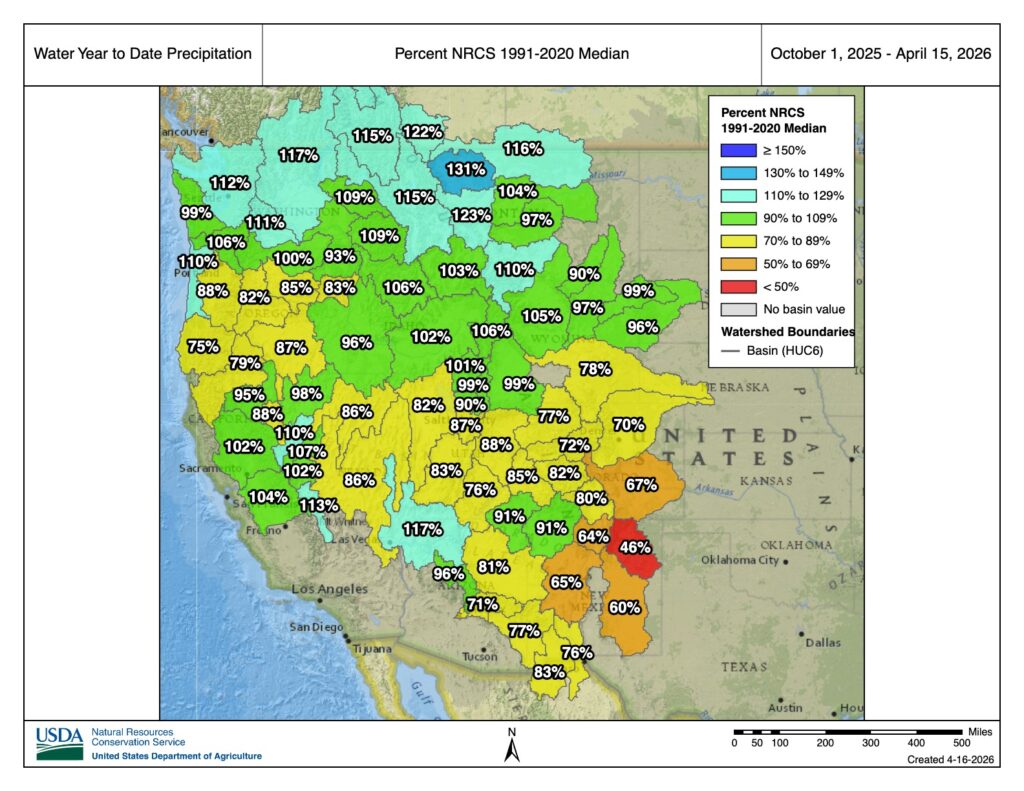
A granular look at the data reveals a complex geographic distribution of the season’s failures. According to NRCS precipitation maps, the 2025-2026 water year was not a total failure in terms of moisture.
- The Northwest Corridor: Washington, Idaho, and Montana actually trended slightly above average for total precipitation. However, because this precipitation fell primarily as rain rather than snow, it contributed to immediate runoff and flood risks rather than long-term storage.
- The Intermountain West: Utah and Colorado experienced a "double hit," with both below-average precipitation and above-average temperatures. This resulted in some of the most depleted reservoirs in the southern half of the region.
- The Temperature Factor: The "smoking gun" of the season was the temperature. PRISM data confirmed that the thermal anomalies were not localized but spanned the entire Western Cordillera. This widespread warmth ensured that even when storms did arrive, the freezing levels remained well above the base elevations of most mountain ranges.
The Role of Snow as a Natural Reservoir
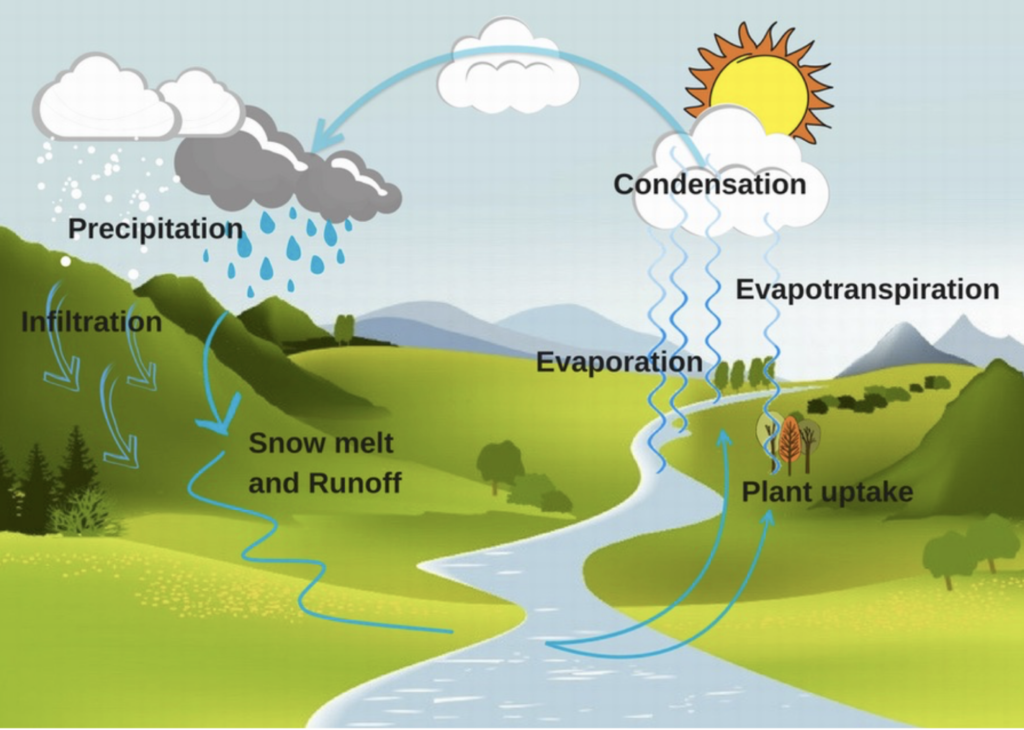
To understand the gravity of the 2025-2026 season, it is necessary to examine the function of snow in the global and regional hydrologic cycles. Water is a finite resource; if all the Earth’s water were consolidated into a single sphere, its diameter would be only 10% of the Earth’s diameter. Of that, less than one-hundredth of one percent is accessible freshwater available for human use.
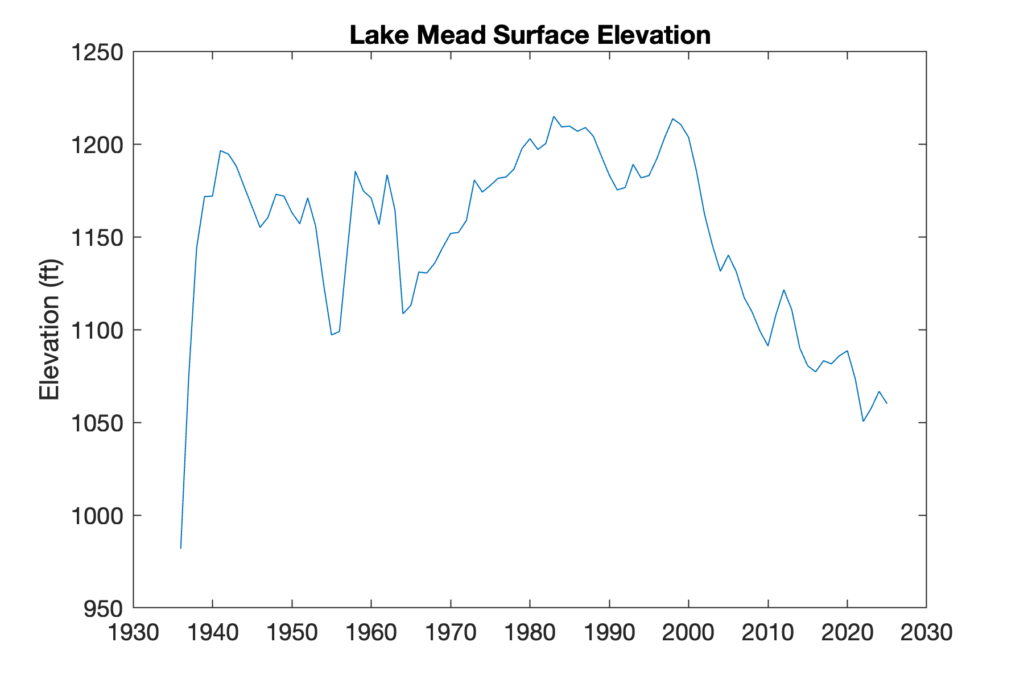
In the Western United States, the seasonal snowpack serves as the primary "distributed reservoir." Unlike man-made reservoirs such as Lake Mead or Lake Powell, which are confined to specific geographic points, the snowpack stores billions of gallons of water across millions of acres of high-elevation terrain.
The Benefits of Snow Storage
The snowpack provides a crucial "lag" between precipitation and runoff. By holding water in solid form through the winter and releasing it slowly during the late spring and early summer, the snowpack:
- Reduces Flooding: It prevents the immediate rush of winter storm water into river systems.
- Regulates Temperature: The slow melt provides a steady supply of cold water to streams, which is vital for the survival of salmonids and other aquatic species.
- Supports Agriculture: It aligns water availability with the peak growing season for crops in the valleys below.
By peak accumulation in early April, the water stored in the contiguous United States’ snowpack is estimated to be roughly five times the capacity of Lake Mead at its full pool. When this "natural insurance policy" fails, as it did in 2025-2026, the pressure on built infrastructure becomes immense.
Broader Impact and Infrastructure Strain
The lack of snow has forced immediate re-evaluations of water management strategies. The Colorado River Basin, which supports 40 million people and massive agricultural outputs, has been in a state of precariousness for years. The 2025-2026 season has exacerbated the declining elevations of Lake Mead.
Infrastructure Challenges
The Western U.S. relies on a sophisticated network of canals, aqueducts, and surface reservoirs. While these systems are designed to even out the differences between supply and demand, they are secondary to the snowpack. Without the "slow release" of mountain snow, reservoirs often fill too quickly in the winter—forcing managers to release water to maintain flood control space—only to leave the reservoirs under-filled when the dry summer months arrive.
Socioeconomic Reactions
The reaction from stakeholders has been a mix of economic concern and environmental grief. Ski resort operators have reported significant revenue losses, with some smaller community hills failing to open for more than a few weeks. In the backcountry community, the loss of "corn snow" season and the early emergence of bare ground have sparked conversations about the "vanishing winter."
Agricultural sectors in the Central Valley of California and the Yakima Valley in Washington are now bracing for a summer of strict water allocations. "We are looking at a scenario where the water we usually count on being ‘stored’ on the peaks is already gone," noted one regional water master. "The insurance policy has been canceled."
Analysis of Long-Term Trends: Feast or Famine
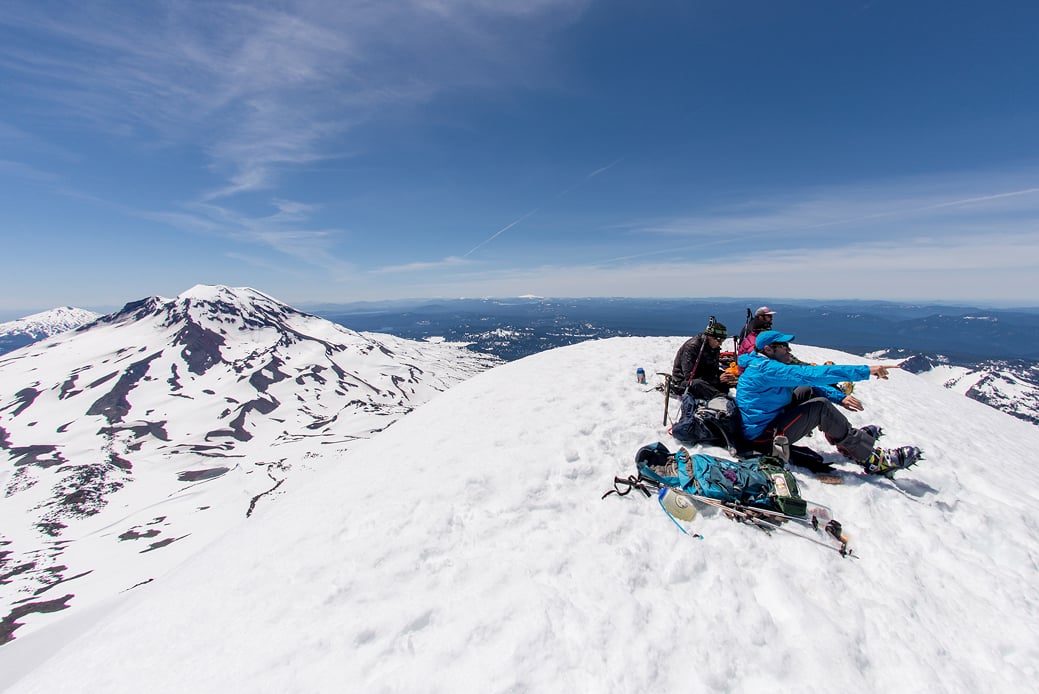
Dr. David Hill, a professor at Oregon State University and a National Geographic Explorer, notes that while the 2025-2026 season was an extreme outlier, it fits within a broader, concerning trend. Observations at the Hogg Pass SNOTEL site in Oregon, for example, show a long-term decline in annual maximum SWE.
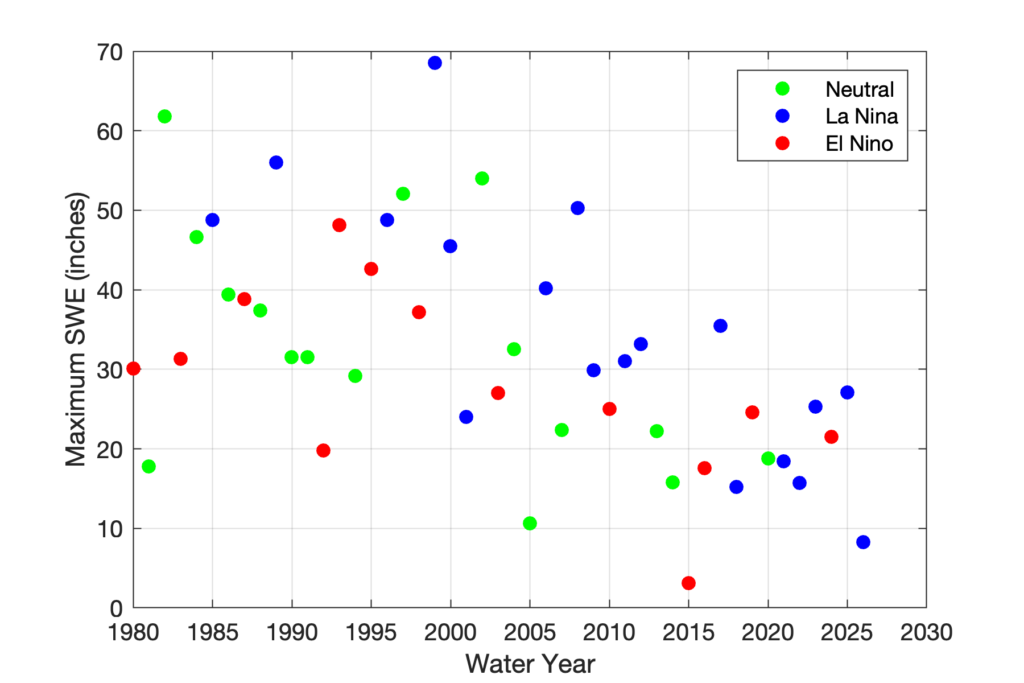
The "feast or famine" nature of modern winters means that a record-breaking lean year can occasionally be followed by a high-accumulation year. However, the "baseline" is shifting. The warming trend means that the "feast" years are becoming rarer, while the "famine" years, like 2025-2026, are becoming more frequent and more severe.
The 2025-2026 season serves as a stark reminder that the "glass" of our water resources is not just half-empty or half-full; it is changing state. As the region moves into a summer likely defined by drought and fire risk, the lessons of this "hot mess" of a winter will be critical for future urban planning, agricultural resilience, and climate adaptation strategies. The unpredictability of the snowpack is no longer a seasonal quirk but a permanent feature of the Western American landscape, requiring a fundamental shift in how the nation values and manages its most precious liquid asset.
