

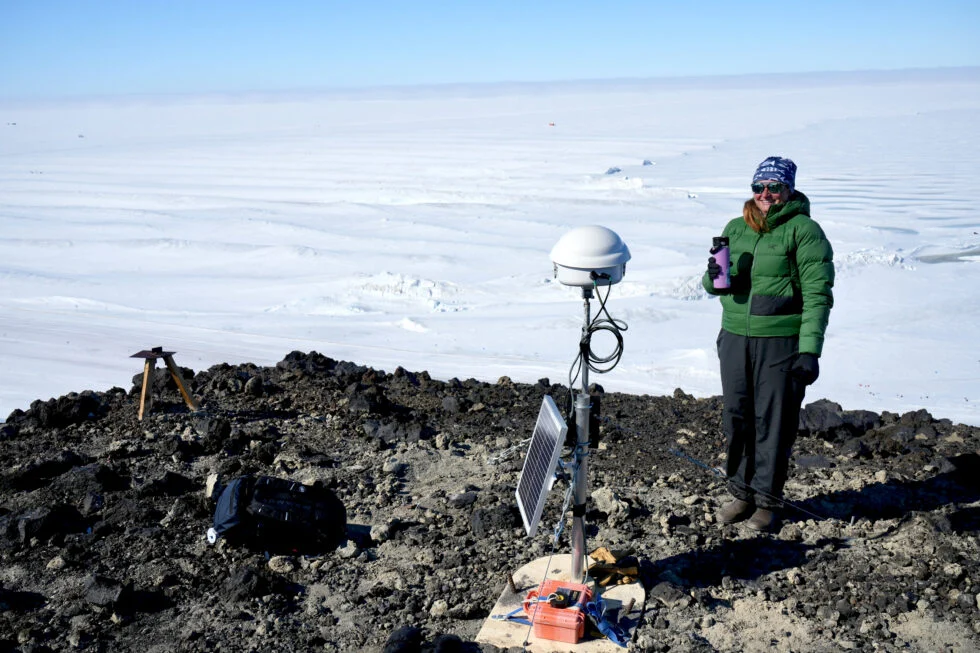
At the southern extremity of the globe, where the Antarctic continent meets the Southern Ocean, a critical scientific inquiry is unfolding that carries profound implications for the future of global coastlines. Dr. Ali Banwell, a prominent member of the POW Science Alliance and a Research Scientist at the University of Colorado Boulder, recently concluded a rigorous field season on the McMurdo Ice Shelf. Her mission, supported by the National Science Foundation (NSF) and conducted in collaboration with Northumbria University, seeks to answer a fundamental question of the climate crisis: How much longer can Antarctica’s protective ice shelves withstand the pressures of a warming planet?
The Antarctic Ice Sheet represents the largest reservoir of fresh water on Earth. Its sheer volume is difficult to comprehend, yet its stability is increasingly under scrutiny. According to glaciological data, if the entire Antarctic Ice Sheet were to transition from land into the ocean, global sea levels would rise by approximately 190 feet (58 meters). While such a total collapse is not projected in the immediate future, the mechanisms that prevent this catastrophic scenario—Antarctica’s floating ice shelves—are showing signs of unprecedented strain.
The Role of Ice Shelves as Continental Buttresses
To understand the gravity of Dr. Banwell’s research, one must first distinguish between the ice sheet and the ice shelf. The ice sheet is the massive layer of glacial ice covering the Antarctic landmass. Ice shelves are the floating extensions of these glaciers, ringing approximately 75% of the continent’s coastline. These shelves serve as a critical "last line of defense," providing a buttressing effect that physically holds back the terrestrial glaciers.
"Ice shelves buttress, or hold back, the glaciers flowing into the ocean," Dr. Banwell explains. "Without these ice shelves, ice on land would flow more rapidly into the ocean, accelerating sea-level rise." In fluid dynamics terms, the ice shelf acts as a cork in a bottle. When an ice shelf thins or collapses, the "cork" is removed, allowing the inland glacial ice to surge toward the sea at significantly higher velocities.
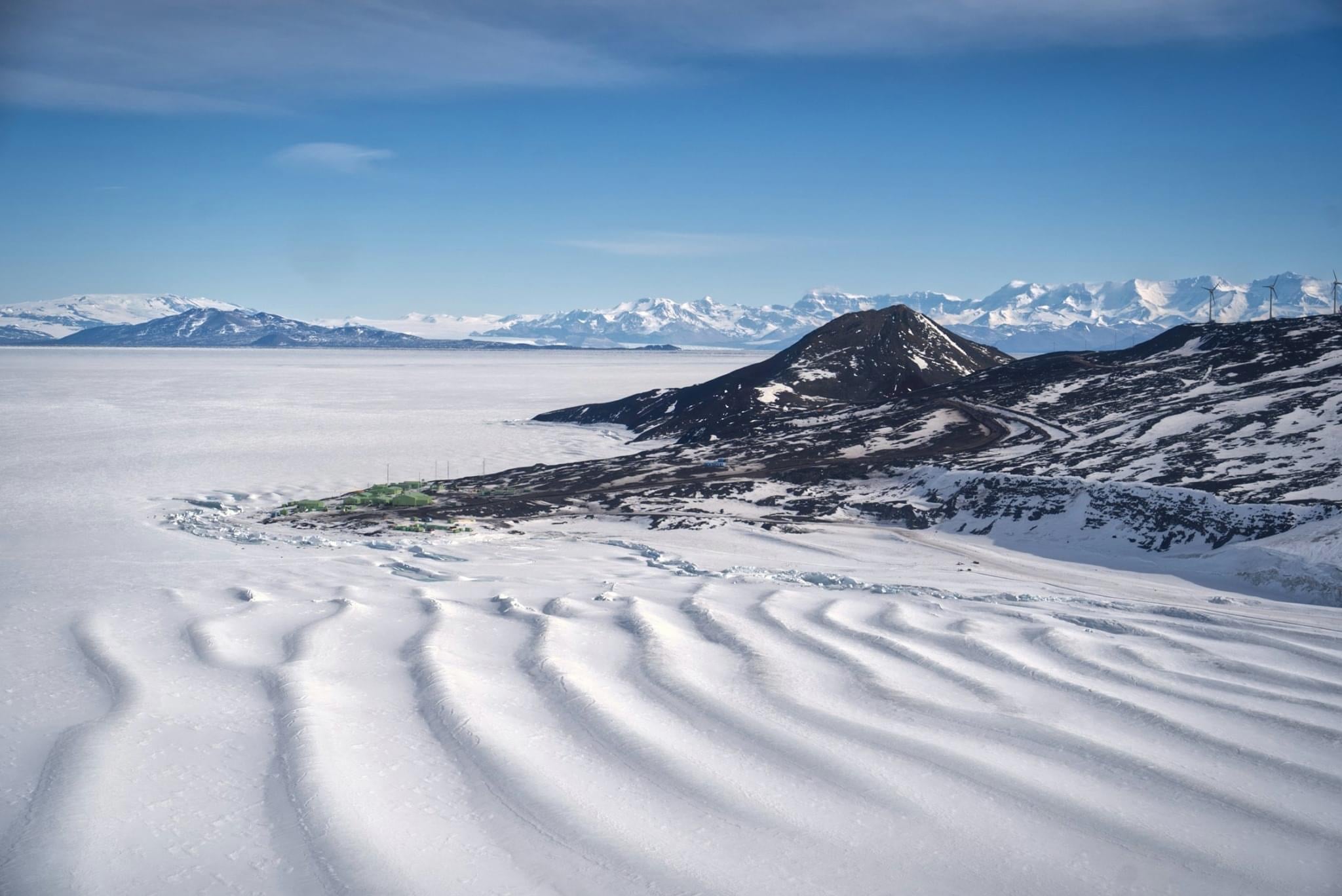
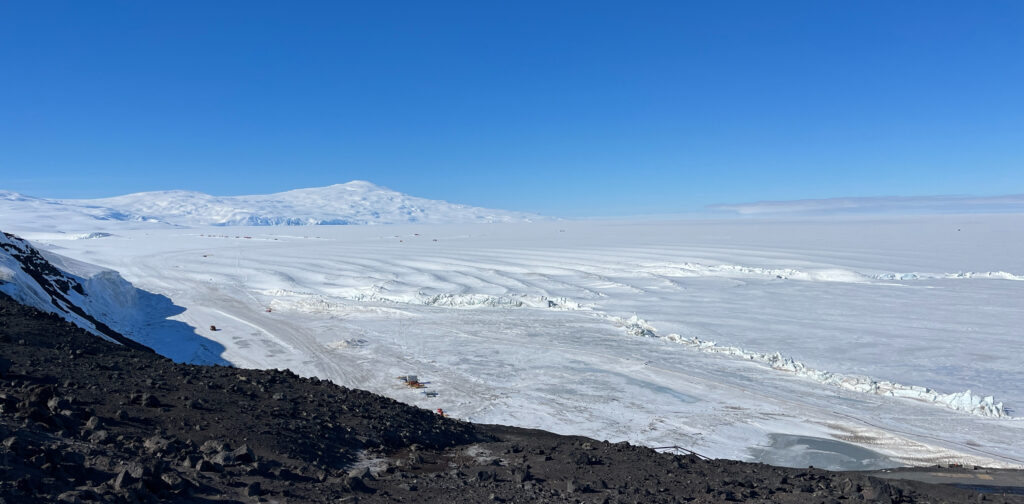
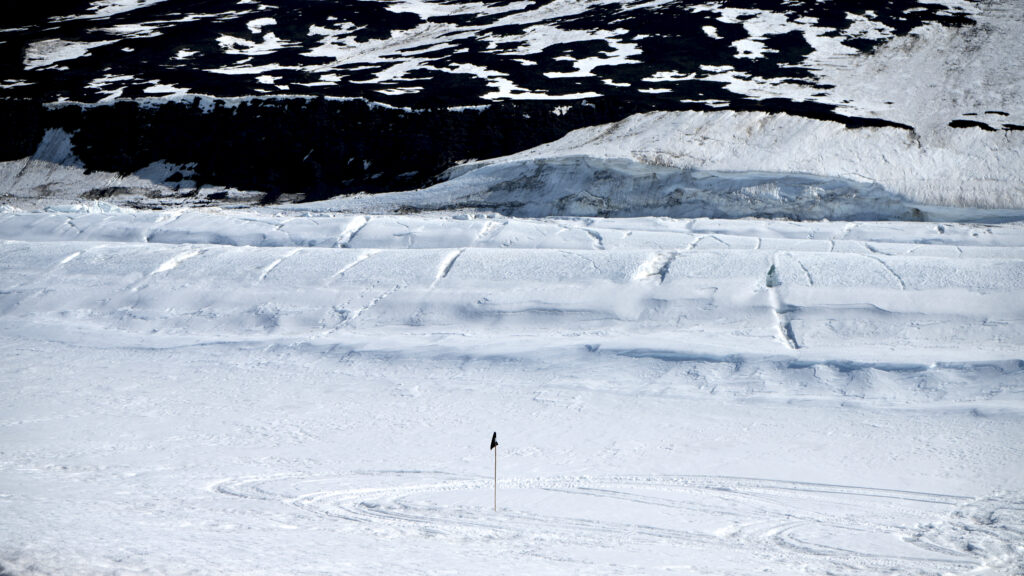
The McMurdo Ice Shelf, located near the United States’ McMurdo Research Station on Ross Island, serves as a natural laboratory for studying these dynamics. Unlike many shelves that flow unimpeded toward the open sea, the McMurdo shelf exhibits unique morphological features known as "ice shelf rumples." These wave-like ridges and surface fractures occur where the floating ice is forced against land or grounded on the seafloor, causing the ice to compress, buckle, and crumple.
The Central Scientific Inquiry: Anchors or Weak Points?
The primary objective of Dr. Banwell’s NSF-funded project is to determine the structural role of these rumples. In the complex geometry of an ice shelf, rumples can act as stabilizing anchors that increase friction and slow the seaward flow of ice. Conversely, the intense pressure required to create these features often results in deep fractures and crevasses, which could potentially serve as failure points that predispose the shelf to calving or total disintegration.
Understanding this balance is essential for climate modeling. Current projections suggest a global sea-level rise of one to three feet over the next century, a range that could displace tens of millions of people in low-lying regions such as Florida, Bangladesh, and the Netherlands. The speed at which this happens depends largely on the structural integrity of shelves like McMurdo.
Chronology of the Six-Week Field Expedition
The expedition led by Dr. Banwell consisted of a specialized four-person team, including Co-Principal Investigator Ryan Cassotto of the University of Colorado Boulder and the University of Maine, and PhD students Michela Savignano and Allie Berry. The team spent six weeks embedded on the ice shelf, operating in a landscape defined by perpetual summer sunlight and extreme isolation.
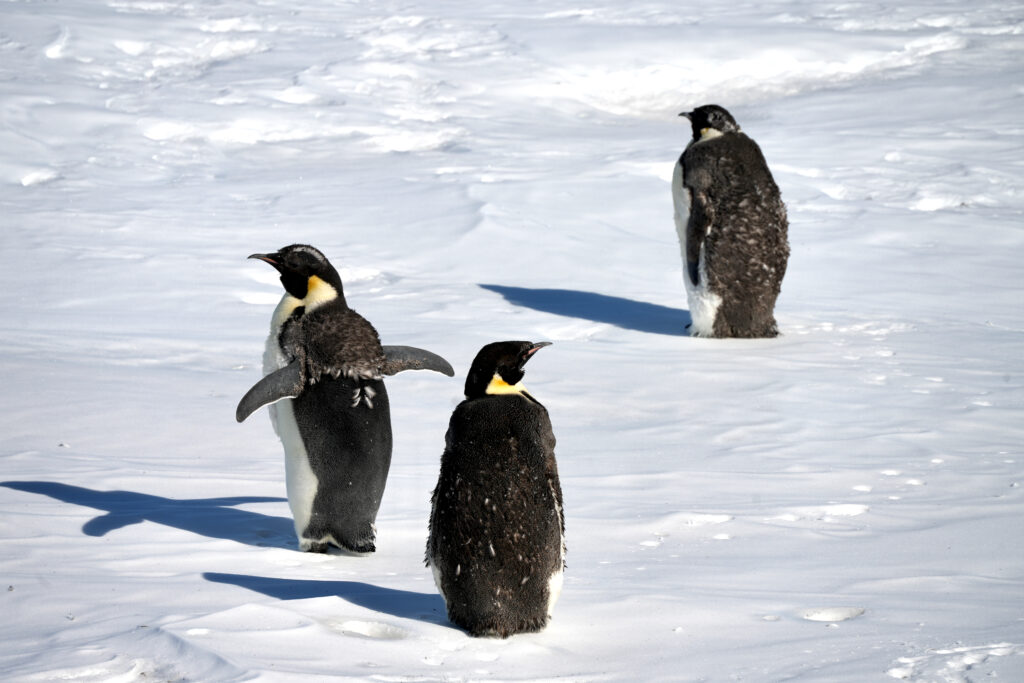
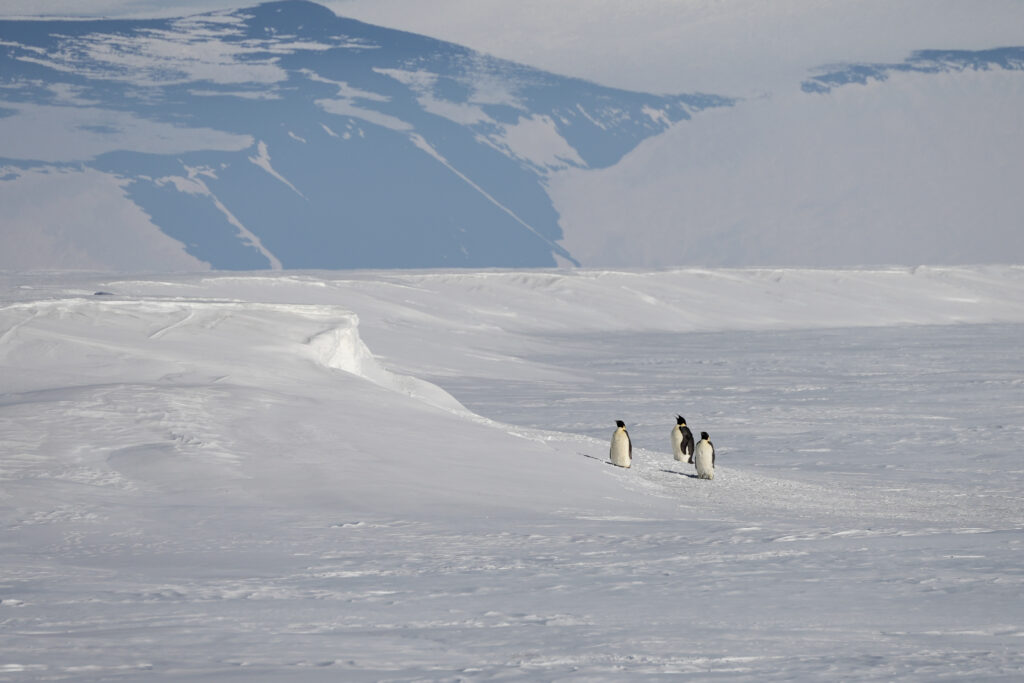
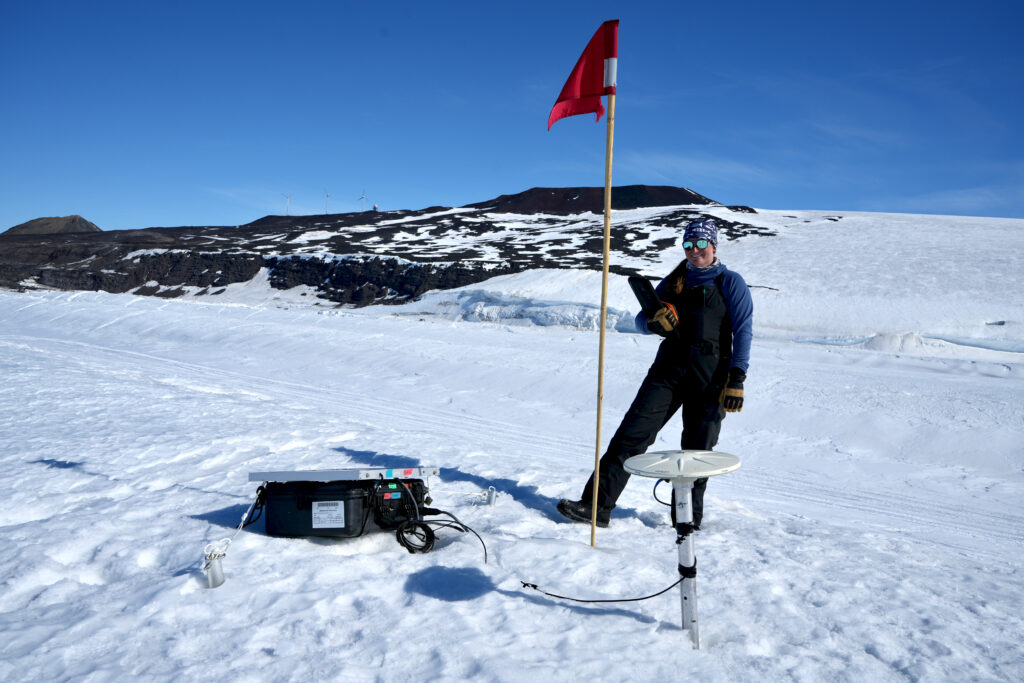
The daily routine involved traversing the vast, otherworldly terrain by snowmobile to reach the "rumple zone." This area is characterized by its volatile topography, where the ice is pushed into land-based obstacles, creating a labyrinth of ridges and cracks. During their tenure on the ice, the team shared their environment with three emperor penguins in the midst of their annual molt. These birds, temporarily flightless and sedentary, provided a rare and intimate glimpse into the wildlife that relies on the stability of the Antarctic ecosystem.
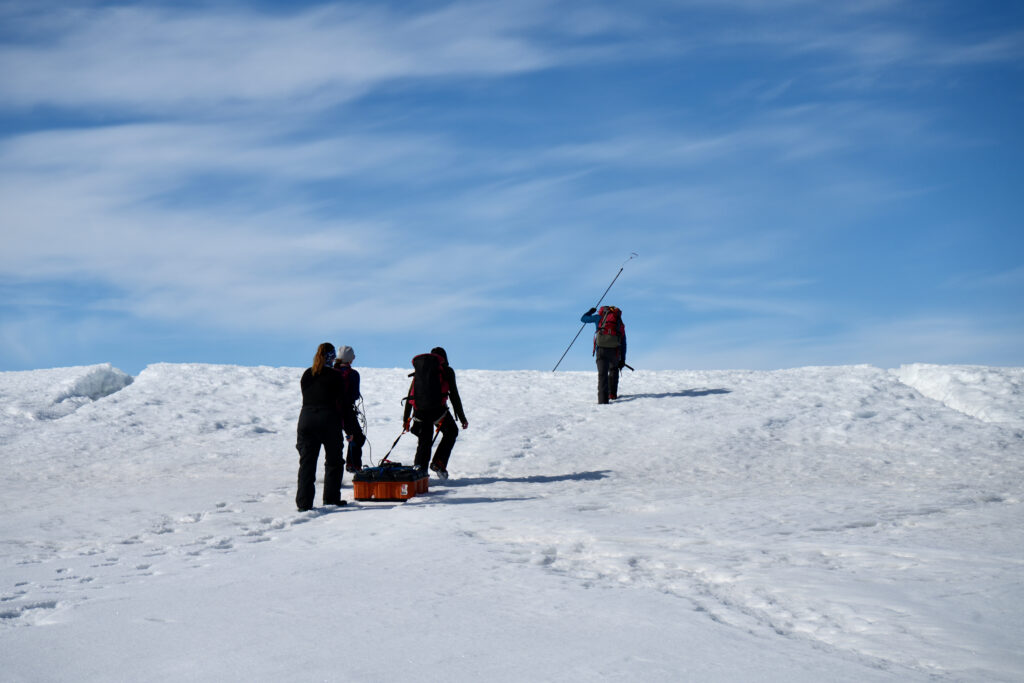
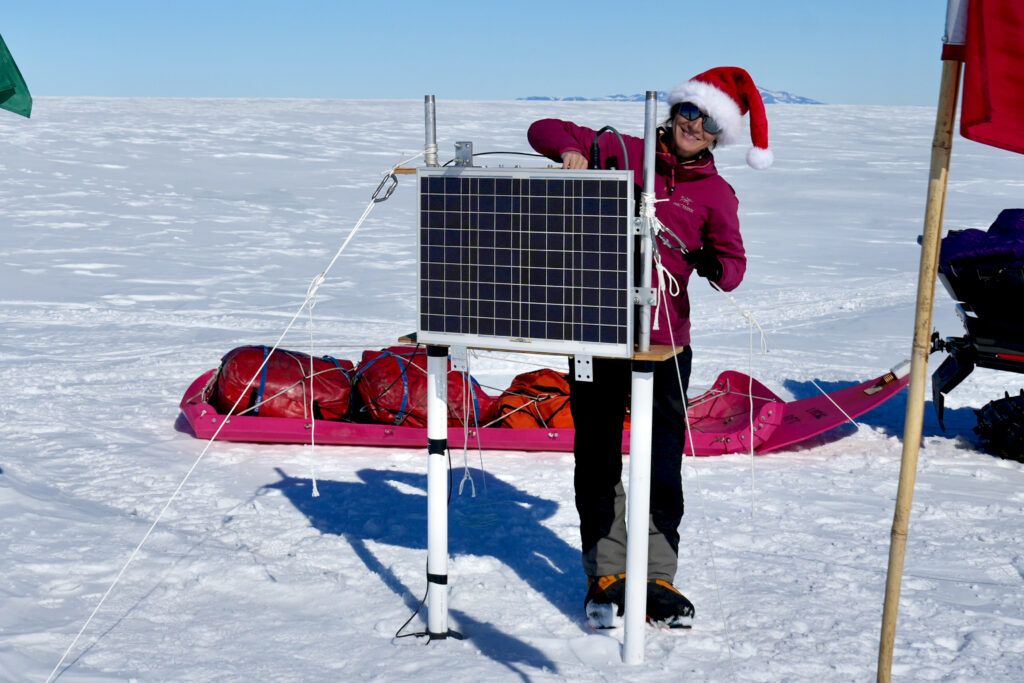
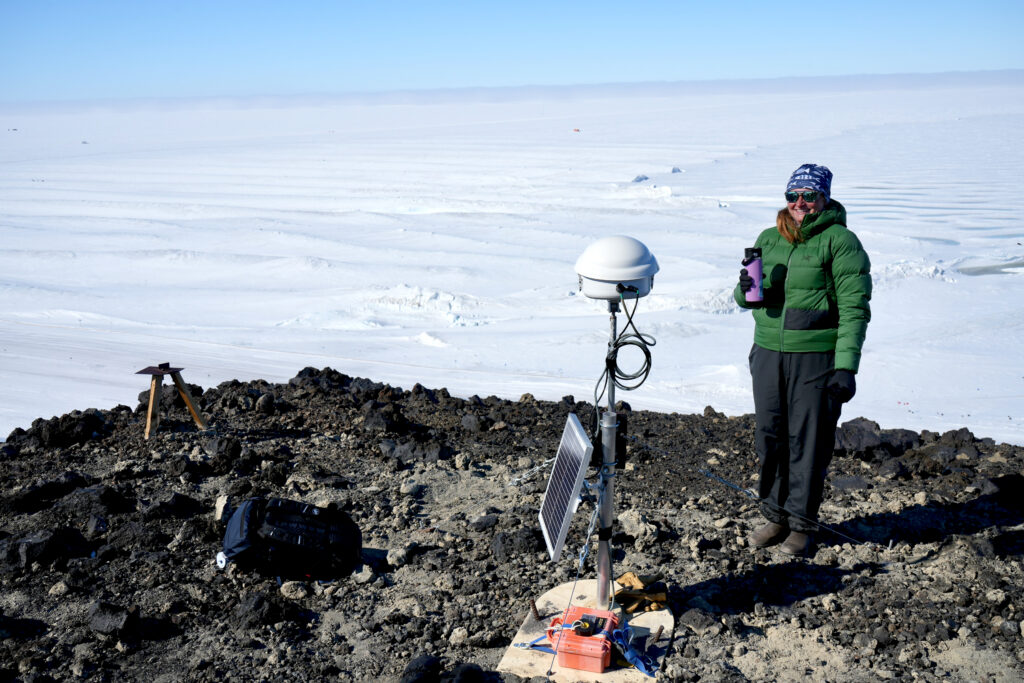
To capture a comprehensive dataset, the team deployed a sophisticated network of monitoring instruments across the rumple zone:
- Seismometers: These devices were embedded to detect "ice-quakes" or the acoustic signals of internal cracking and fracturing within the shelf.
- High-Precision GPS Units: Capable of measuring movement to the centimeter, these units track the daily velocity of the ice flow.
- Ground-Penetrating Radar (GPR): This technology allows scientists to look beneath the surface, measuring ice thickness and identifying internal deformations or hidden crevasses.
- Automated Weather Stations: These capture atmospheric data, including temperature fluctuations and wind speeds, to correlate surface melting with structural changes.
- Time-Lapse Cameras: Positioned to trigger every 30 minutes, these cameras provide a visual record of the shelf’s evolution throughout the harsh Antarctic winter.
Observations of a Warming Continent
While the full analysis of the collected data will take months, early observations from the field season have already provided sobering insights. Dr. Banwell noted that the glacier ice was moving at a rate of approximately one to two feet per day. While this may seem incremental, on a geological scale, it represents a highly dynamic and rapidly changing system.
Furthermore, the 2023-2024 field season was marked by record-breaking warmth. "This was the warmest of the seven summers I’ve worked in Antarctica," Dr. Banwell reported. This heat led to an earlier-than-usual snowmelt, which stripped away the seasonal cover to reveal a "far more fractured" ice surface than previously documented. The prevalence of unexpected crevasses forced the team to rely heavily on their mountaineering training, highlighting the increasing physical dangers of conducting polar research in a warming climate.
The exposure of these fractures is particularly concerning because of a process known as hydrofracturing. When surface meltwater fills crevasses, the weight and pressure of the water can force the cracks to deepen and widen, eventually leading to the rapid disintegration of the ice shelf. This phenomenon was famously responsible for the collapse of the Larsen B Ice Shelf in 2002, which saw 1,250 square miles of ice vanish in just over a month.
Broader Implications and Global Impact
The data currently being gathered by the instruments left behind on the McMurdo Ice Shelf will be retrieved during the next field season. This dataset will offer a rare "winter-over" perspective, showing how the ice behaves when temperatures drop and the sun disappears for months. By cross-referencing this ground-level data with satellite observations, Dr. Banwell and her team hope to create more accurate simulations of how Antarctica’s edges will respond to rising global temperatures.
The implications of this research extend far beyond the scientific community. The stability of the Antarctic ice shelves is directly linked to the economic and social stability of global coastal civilizations. A rise in sea levels of even two feet would necessitate trillions of dollars in infrastructure investments for sea walls, drainage systems, and the relocation of coastal communities.
From a journalistic perspective, the work of the POW Science Alliance and Dr. Banwell’s team underscores a shift in climate science from broad predictions to granular, site-specific investigations. By "listening" to the ice through seismometers and tracking its "pulse" through GPS, these researchers are providing the empirical evidence needed to inform international policy and climate adaptation strategies.
Analysis of the Scientific Landscape
The current consensus among glaciologists is that the "tipping points" of Antarctic ice shelves may be closer than previously estimated. The observation of increased fracturing and accelerated flow rates at McMurdo suggests that even the most stable-looking regions of the continent are sensitive to marginal increases in temperature.
The research conducted by Dr. Banwell, Michela Savignano, Allie Berry, and Ryan Cassotto represents a vital contribution to our understanding of the cryosphere. As the world watches the "bottom of the world" with growing concern, the data retrieved from the McMurdo Ice Shelf will likely serve as a cornerstone for future reports by the Intergovernmental Panel on Climate Change (IPCC).
In the final analysis, the story of the McMurdo Ice Shelf is a story of thresholds. Every foot of ice movement and every degree of temperature increase brings the global community closer to a reality where sea-level rise is no longer a future projection, but a daily challenge. The scientists willing to endure the Antarctic winter and navigate its treacherous crevasses are the ones providing the clarity needed to navigate the uncertain waters of the 21st century.
