

The indefinite suspension of summer skiing operations on the Horstman Glacier at Whistler Blackcomb marks a definitive end to an era that once defined the trajectory of professional freeskiing. For Mike Douglas, a Salomon athlete and a figure widely recognized as the "Godfather of Freeskiing," the transition of this landscape from a year-round training ground to a seasonal remnant serves as a stark physical manifestation of the climate crisis. When Douglas first began his career at Whistler Blackcomb in the 1990s, the glacier was a reliable fixture of the outdoor industry, providing a stable platform for athletes to hone their skills during the summer months. Today, the reality is fundamentally altered; the snowpack is thinning, the winters are becoming increasingly volatile, and the geographic features that once anchored the mountain culture of British Columbia are disappearing in real time.
This environmental shift is not merely a localized phenomenon but a systemic challenge facing the global outdoor recreation sector. The closure of the Horstman Glacier is a high-profile symptom of a broader industrial reality: the historical consumption of natural resources has outpaced the industry’s efforts to preserve them. As the physical environment changes, the relationship between major outdoor brands, professional athletes, and environmental advocacy groups is undergoing a necessary transformation. Through partnerships with organizations like Protect Our Winters (POW), brands such as Salomon are attempting to pivot from traditional manufacturing models toward a framework of responsible production, legislative advocacy, and collective accountability.
The Chronology of a Receding Landscape
The decline of the Horstman Glacier has been documented over several decades, mirroring the broader warming trends observed across the Pacific Northwest. In the 1990s, the glacier was the epicenter of the "new school" skiing movement. It hosted prestigious summer camps that allowed athletes like Douglas to develop the tricks and techniques that would eventually define modern freeskiing. During this period, the glacier was thick enough to support T-bar lifts and substantial terrain park features throughout July and August.
By the early 2000s, however, the rate of glacial recession began to accelerate. Operators at Whistler Blackcomb were forced to implement increasingly complex snow management strategies, including the use of snowmaking at high elevations and the physical movement of snow to cover widening crevasses and exposed rock. Despite these efforts, the summer season began to shorten. The 2010s saw several years where summer operations were cut short due to safety concerns and insufficient snow cover.
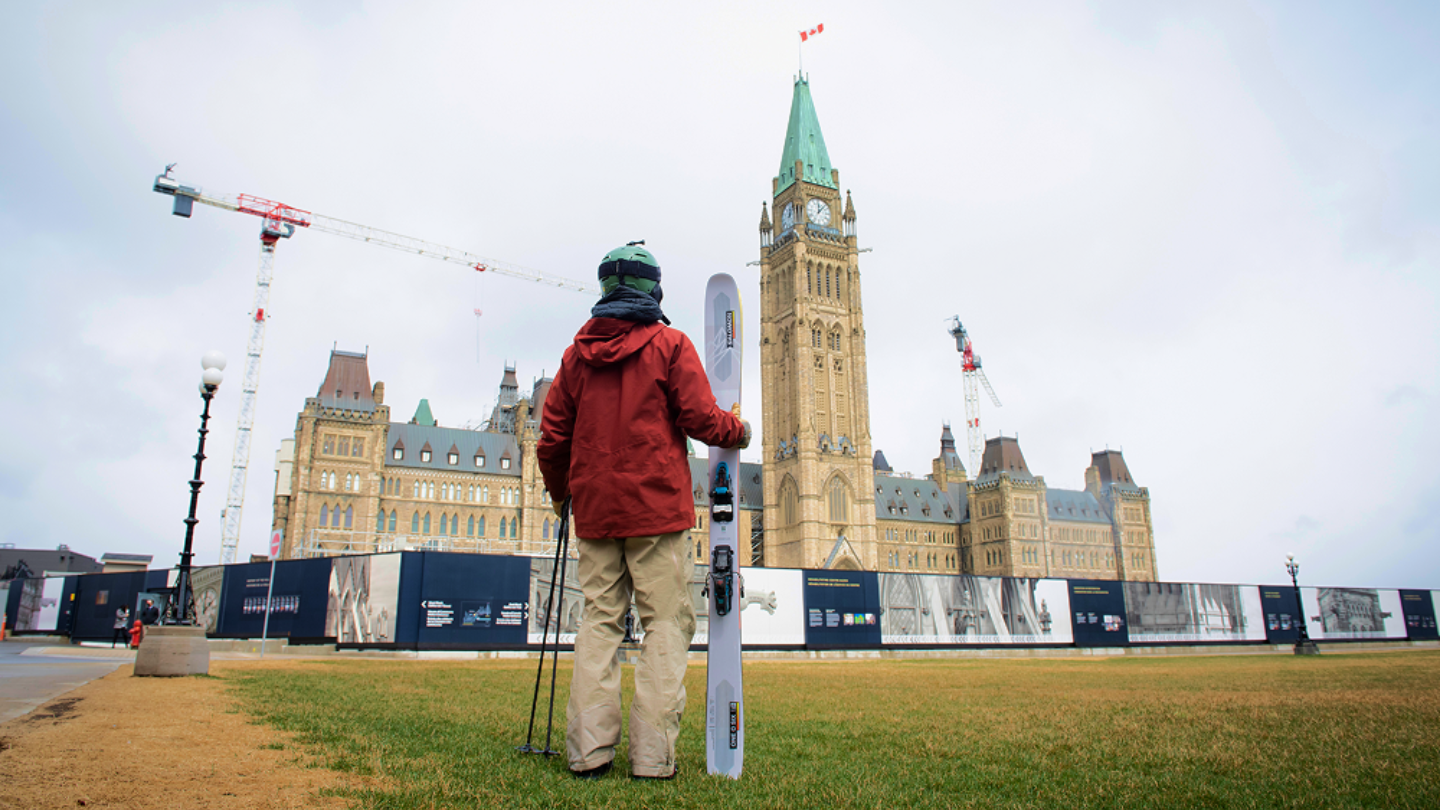
The timeline reached a critical juncture in 2020 when the Horstman T-bar, a lift that had been in operation since 1989, was permanently removed because the ice beneath its towers had thinned to the point of instability. In 2023, the resort officially announced the indefinite suspension of summer skiing on the glacier. This decision was based on a combination of environmental factors and the long-term viability of maintaining a safe skiing surface on a rapidly melting ice mass. The closure serves as a chronological marker for the industry, signaling that the "proving grounds" of the past are no longer guaranteed for future generations.
Quantitative Analysis of Glacial Decline and Snowpack Loss
The disappearance of summer skiing at Whistler Blackcomb is supported by a significant body of climate data. According to research from the University of Northern British Columbia, glaciers in Western Canada are losing mass at an unprecedented rate. Projections suggest that by the year 2100, up to 70% of the glacier ice in British Columbia and Alberta could vanish if current warming trends continue. High-altitude environments, such as the Coast Mountains where Whistler is located, are warming at roughly twice the global average rate—a phenomenon known as high-altitude amplification.
Data from the British Columbia Ministry of Environment indicates that the annual snowpack has seen a measurable decline over the last 50 years. In some regions of the province, the spring snowpack has decreased by nearly 20% since the mid-20th century. This loss has profound implications for the ski industry, which contributes billions of dollars to the Canadian economy. In British Columbia alone, the ski industry accounts for approximately $2 billion in annual economic impact and supports over 20,000 jobs. The loss of summer skiing represents not only an ecological failure but a long-term economic risk to resort operations and the tourism sectors that depend on them.
Furthermore, the Intergovernmental Panel on Climate Change (IPCC) has noted that the duration of snow cover in mountain regions is decreasing at a rate of five days per decade. For professional athletes and brands, these statistics translate to a shrinking window of opportunity for product testing, training, and film production, necessitating a shift in how the industry operates.
The Evolution of Athlete Advocacy and the Role of POW
As the physical conditions of the mountains have deteriorated, the role of the professional athlete has expanded beyond performance to include environmental diplomacy. Mike Douglas, who has been a member of the POW Canada Alliance since 2018, exemplifies this shift. Athletes are uniquely positioned as witnesses to environmental change; they possess the cultural capital to reach broad audiences and the first-hand experience to speak authoritatively on the impacts of warming.
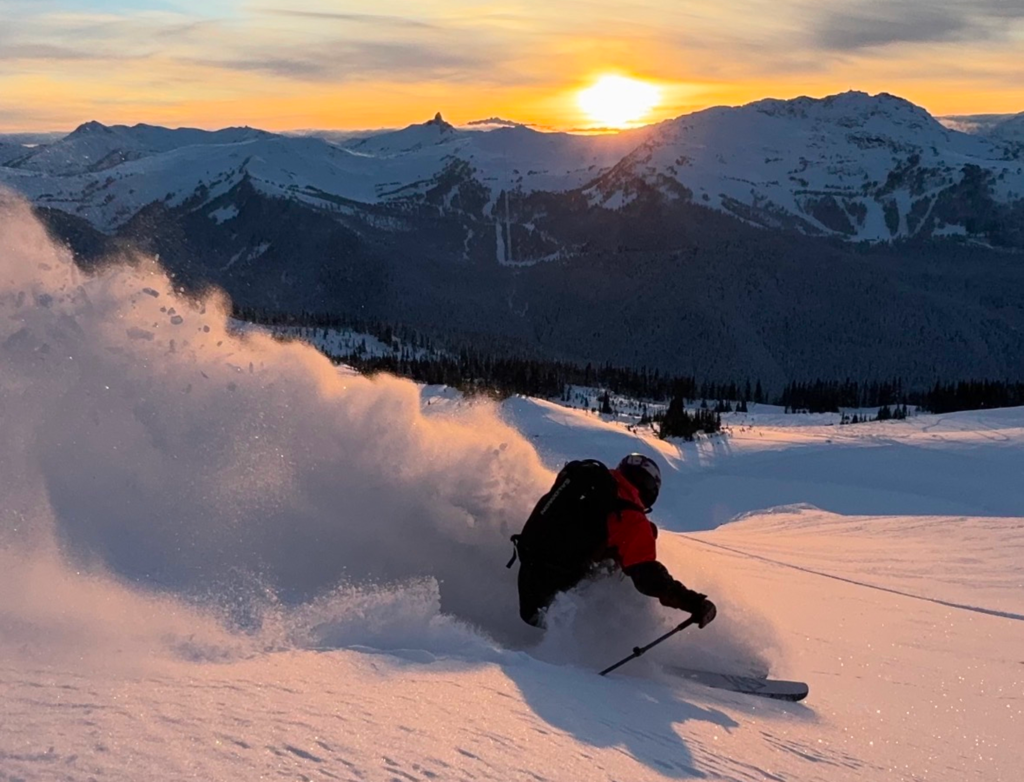
Protect Our Winters has emerged as the primary vehicle for this advocacy. Founded in 2007 by professional snowboarder Jeremy Jones, POW has evolved from a grassroots awareness campaign into a sophisticated political and corporate lobbying force. The organization focuses on systemic change rather than individual lifestyle adjustments, targeting three main pillars: renewable energy transition, carbon pricing, and the protection of public lands.
By training athletes in climate science and communication, POW bridges the gap between the backcountry and the boardroom. Douglas notes that his role involves balancing the "net zero" aspirations of corporate headquarters with the practical realities of high-level sport. This includes advocating for reduced travel footprints, more efficient logistics, and the use of the athlete’s platform to influence policy at the governmental level. The transition from "spokesperson" to "witness" allows athletes to use their influence to push for the structural changes required to stabilize the climate.
Corporate Responsibility and Salomon’s Manufacturing Pivot
For a global sports equipment manufacturer like Salomon, climate action requires a fundamental reevaluation of the supply chain and production methods. The outdoor industry is inherently resource-intensive, relying on plastics, resins, and metals to produce high-performance gear. To address this, Salomon has implemented a multi-year sustainability roadmap known as the "Play-Minded" program.
A key component of this strategy is the shift toward a circular economy. In traditional manufacturing, ski boots and skis are often composed of multi-material composites that are nearly impossible to recycle. Salomon has begun to address this through the development of products like the Index.01, a fully recyclable running shoe, and by exploring similar technologies in its winter sports line. By using mono-materials and avoiding hazardous chemicals in the dyeing and finishing processes, the brand aims to reduce its carbon footprint by 30% by the year 2030.
Salomon’s commitment also extends to its logistics and energy consumption. The company has moved to source 100% of its electricity from renewable sources for its primary owned sites and is working with tier-one suppliers to implement similar energy standards. Douglas emphasizes that because Salomon produces equipment for a global market, even marginal improvements in the production of a single ski model can result in significant cumulative environmental benefits. This "integrity of manufacturing" is increasingly seen as a prerequisite for brand loyalty among younger, more environmentally conscious consumers.

Broader Implications and the Future of the Industry
The closure of the Horstman Glacier is a harbinger of a broader transformation within the outdoor industry. As natural snow becomes less reliable, resorts are increasingly turning to energy-intensive snowmaking and "snow farming" techniques to maintain operations. However, these are temporary mitigations rather than long-term solutions. The industry is currently facing a "climate squeeze," where rising operational costs meet a shortening season.
The strategic partnership between brands like Salomon and organizations like POW suggests a new model for corporate-NGO relations. This model moves beyond traditional "greenwashing" or simple philanthropic donations. Instead, it involves deep integration, where the NGO provides the scientific and advocacy framework, and the brand provides the platform and the industrial will to change.
The implications of this shift are twofold. First, there is a growing recognition that the outdoor industry must become a leader in the transition to a low-carbon economy, if only for its own survival. Second, there is a shift in the cultural definition of "high performance." In the 1990s, performance was measured solely by athletic feats on the glacier. In the 2020s, performance is increasingly measured by a brand’s ability to operate within planetary boundaries.
As the window for effective climate action narrows, the message from the industry’s leadership is one of urgency. The loss of the Horstman Glacier is a permanent reminder that the environment is not a static backdrop for sport, but a dynamic and fragile system. For Mike Douglas and the team at Salomon, the focus has moved from mourning what has been lost to protecting what remains. The evolution from summer skiing to climate advocacy represents the industry’s most critical "proving ground" yet.
