

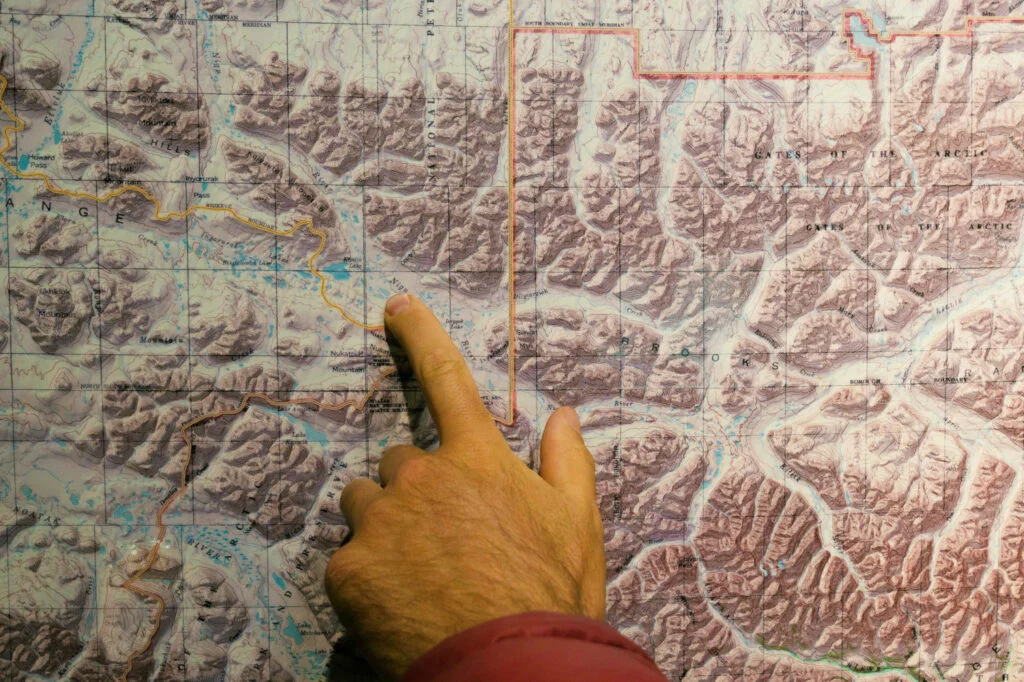
The federal government has initiated a significant expansion of energy development in the Western Arctic, launching the first of five mandated lease sales in the National Petroleum Reserve-Alaska (NPR-A). This move, which targets over 5.5 million acres of federal land, marks a pivotal moment in a century-long debate over the balance between national energy security and environmental conservation. As the largest single block of public land in the United States, the NPR-A encompasses more than 22 million acres of tundra, wetlands, and critical wildlife habitat. The recent push to accelerate leasing under federal mandates has reignited legal and environmental scrutiny, particularly concerning the opening of previously protected areas such as the Teshekpuk Lake wetlands.
Historical Foundations: From Naval Reserve to National Asset
The origins of the NPR-A date back to 1923, when President Warren G. Harding signed an executive order establishing "Naval Petroleum Reserve No. 4." At the time, the United States Navy was in the midst of a critical transition from coal-fired engines to oil-fueled propulsion. Early geological surveys had identified oil seeps along the Arctic coast, prompting the federal government to withdraw the land from all other uses to ensure a domestic supply for the military.
The designation was born in an era of scandal and rapid resource exploitation. Shortly after the reserve was established, the Harding administration was rocked by the Teapot Dome scandal, involving Interior Secretary Albert Bacon Fall, who was convicted of accepting bribes for leasing oil rights in Wyoming’s Naval Petroleum Reserve No. 3. Despite this controversial beginning, the Alaskan reserve remained largely untouched for decades, managed by the Navy as a strategic contingency.
In 1976, a major shift in management occurred with the passage of the Naval Petroleum Reserves Production Act. This legislation transferred control from the Navy to the Department of the Interior’s Bureau of Land Management (BLM). While the transfer modernized the administration of the land, it did not alter its primary identity as a resource reserve. Renamed the National Petroleum Reserve-Alaska (NPR-A), the area was codified in federal law as a site for "an expeditious program of competitive leasing." This legal phrasing remains the cornerstone of current federal arguments for continued oil and gas auctions, despite the evolving ecological understanding of the region.
The Scope of Current Leasing and Development Mandates
The current federal strategy involves a series of five lease sales scheduled over a ten-year period. The most recent actions involve the offering of 5.5 million acres in the Western Arctic, a region that includes some of the most sensitive ecosystems in the northern hemisphere. Central to this expansion is the opening of the Teshekpuk Lake area. For decades, this region was shielded from industrial activity due to its status as a globally significant habitat for migratory birds and caribou.
The push for development is not limited to individual lease sales but is part of a broader industrialization of Alaska’s North Slope. Several major projects are currently converging:
- The Willow Project: A massive undertaking by ConocoPhillips, the Willow oil project is situated within the NPR-A. It is estimated to hold approximately 750 million barrels of technically recoverable oil. Development plans include multiple drilling pads, hundreds of miles of pipelines, and a processing facility.
- The Ambler Road: A proposed 211-mile industrial access road designed to link the Dalton Highway to the Ambler Mining District. This project aims to unlock copper, zinc, and other mineral deposits in the Brooks Range.
- ANWR Leasing: Parallel to developments in the Western Arctic, federal mandates have also targeted the 1.5-million-acre Coastal Plain of the Arctic National Wildlife Refuge (ANWR) for oil and gas exploration.
These projects are often reviewed as isolated environmental assessments, but critics and ecologists argue they represent a singular, interconnected expansion of infrastructure across a previously untrammeled landscape.
Ecological Significance of the Western Arctic
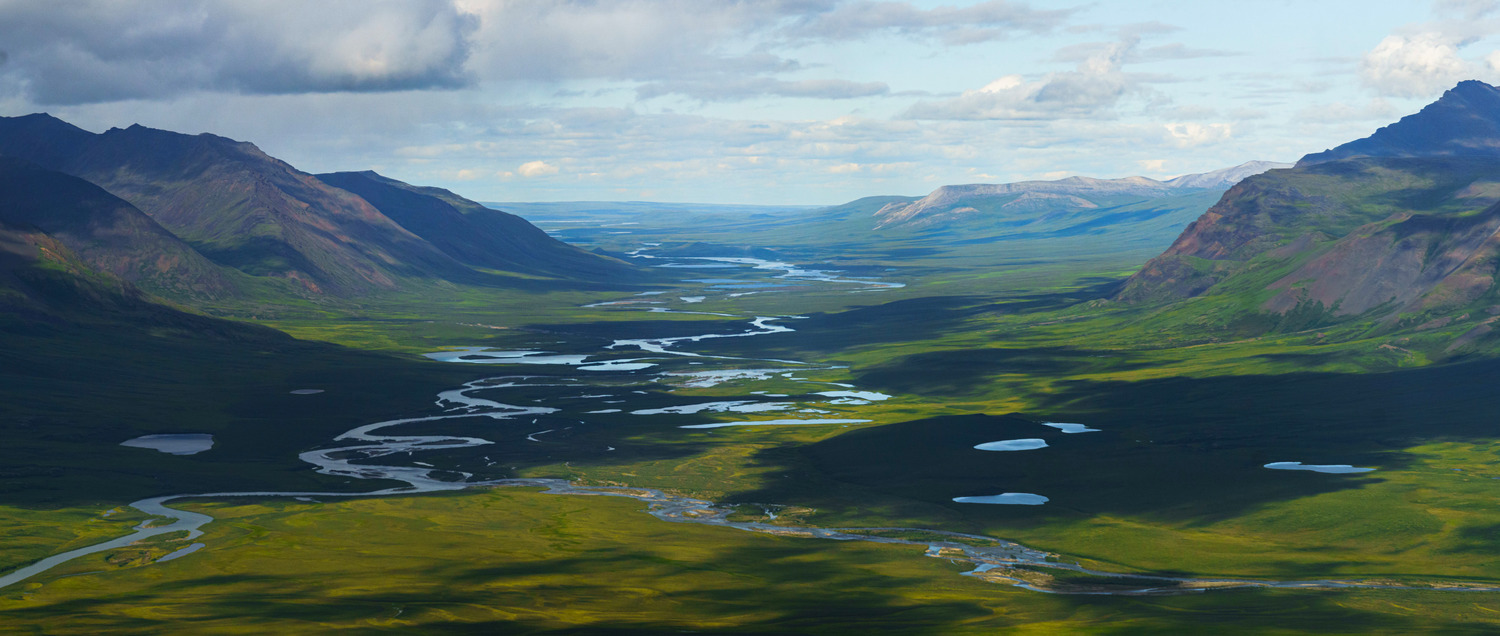
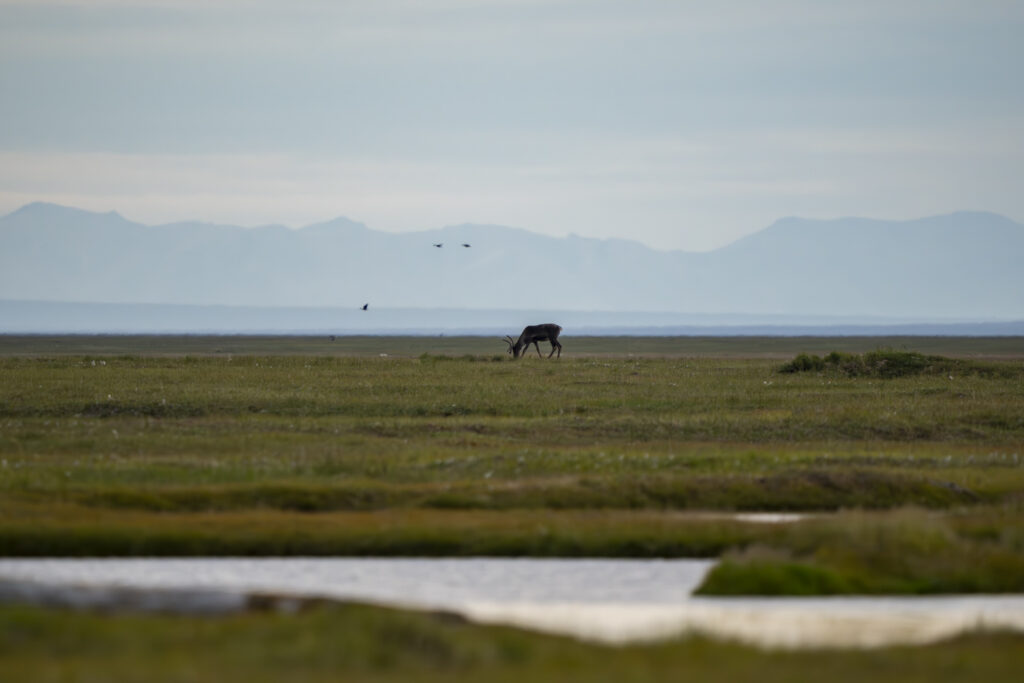
The NPR-A is frequently described by biologists as one of the "last whole places" on Earth—a reference to its status as an intact, large-scale ecosystem. Unlike the contiguous United States, where wilderness is often fragmented by roads, fences, and urban development, the Alaskan Arctic remains a connected expanse of tundra and watersheds.
The biological data supporting the region’s importance is extensive. The NPR-A hosts an estimated 5.4 million aquatic birds during the summer nesting season, the highest concentration of any Arctic wetland. These birds migrate from six different continents and all 50 U.S. states, making the health of the NPR-A a factor in global biodiversity.
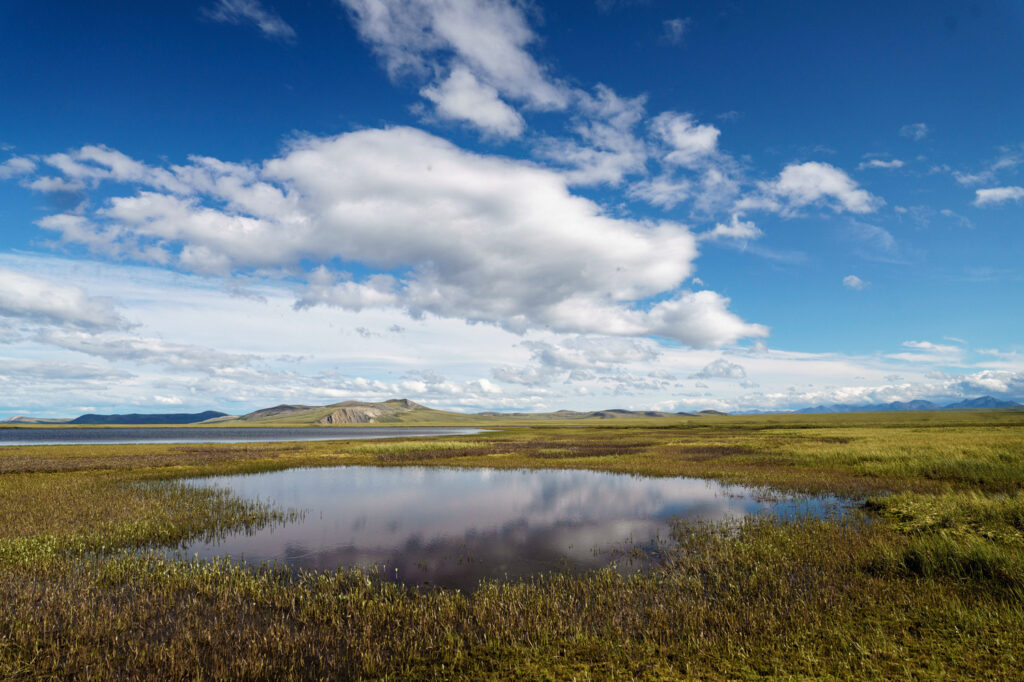
The Teshekpuk Lake wetlands, in particular, serve two critical roles:
- Avian Habitat: It is the most important molting habitat in the Arctic for various species of migratory waterfowl, including geese and shorebirds.
- Caribou Migration: The area serves as the primary calving ground for the Teshekpuk Lake caribou herd. This herd is a vital resource for Indigenous subsistence hunters in the region, providing a stable food source and cultural continuity.
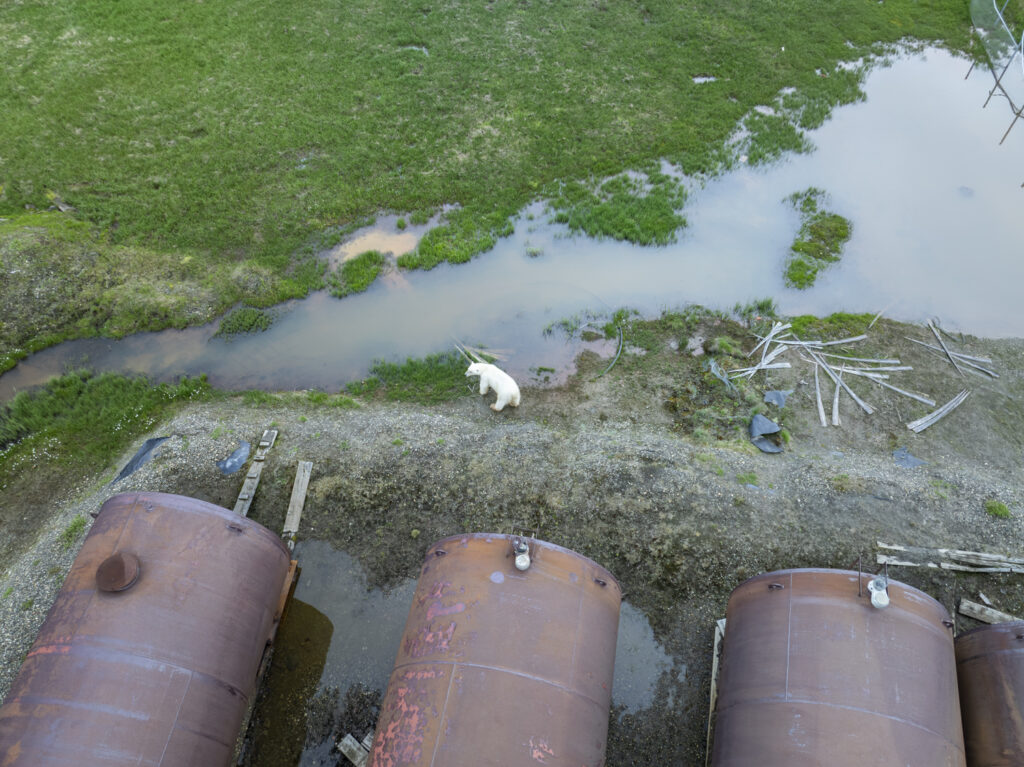
Environmental scientists emphasize that the Arctic is warming at a rate three to five times faster than the global average. This rapid climate shift places additional stress on species that rely on stable permafrost and predictable seasonal patterns. Industrial development, which requires the construction of gravel islands, roads, and high-heat processing facilities, can exacerbate these climatic pressures through habitat fragmentation and localized thermal changes.
Economic Analysis and Resource Estimates
The United States Geological Survey (USGS) has provided significant data regarding the energy potential of Northern Alaska. Estimates suggest that the region may contain nearly half of all undiscovered, technically recoverable oil on federal lands in the United States. Specifically, the NPR-A is estimated to hold roughly 8.7 billion barrels of oil and 25 trillion cubic feet of natural gas.
However, the economic feasibility of extracting these resources is a subject of ongoing debate. Arctic oil is among the most expensive in the world to produce. The costs are driven by:
- Extreme Environment: Infrastructure must be designed to withstand sub-zero temperatures and shifting permafrost.
- Logistics: The absence of existing roads and the vast distances from major shipping ports require multi-billion-dollar investments in pipelines and support facilities.
- Market Volatility: Long-term capital horizons—often spanning 30 years—make Arctic projects highly sensitive to global oil price fluctuations and changes in federal subsidy structures.
Financial analysts note that while the resource potential is vast, the "break-even" price for Arctic oil is significantly higher than for shale oil in the Permian Basin or traditional offshore drilling in the Gulf of Mexico. This has led some observers to argue that development in the NPR-A relies heavily on favorable federal policy and public infrastructure support.
Stakeholder Perspectives and Policy Implications
The debate over the NPR-A involves a complex web of stakeholders, including federal agencies, state officials, Indigenous communities, and environmental organizations.
The State of Alaska: Faced with an anemic state budget and a long-standing reliance on the oil industry for revenue, the State of Alaska has generally supported the expansion of leasing. State officials argue that new projects like Willow are essential for maintaining the flow of the Trans-Alaska Pipeline System (TAPS), which has seen declining throughput since its peak in the late 1980s.
Federal Regulators: The Bureau of Land Management is tasked with a "multi-use" mandate. In the NPR-A, this requires balancing the legal requirement for "expeditious" leasing with the statutory obligation to protect environmental and subsistence values. Recent updates to the Integrated Activity Plan (IAP) have fluctuated between administrations, reflecting differing priorities regarding the size of protected "Special Areas."
Conservation Groups: Organizations such as Protect Our Winters (POW) and various wilderness societies argue that the name "National Petroleum Reserve" is an antiquated bureaucratic label that fails to reflect the modern ecological and climate-related value of the land. They advocate for a permanent shift toward conservation, highlighting that once the wilderness is fragmented by industrial roads, its primary characteristic—its wholeness—is lost.
Conclusion: The Resilience of a "Sticky Name"
A century after President Harding’s executive order, the legal scaffolding of the NPR-A remains tied to its 1923 military origins. The "petroleum reserve" label continues to drive federal policy, providing the justification for large-scale lease sales even as global energy markets and environmental priorities shift.
As the first of the five mandated lease sales proceeds, the Western Arctic stands at a crossroads. The decisions made in 2026 and beyond will determine whether the region remains a contiguous, intact ecosystem or is transformed into an industrial complex comparable to the Prudhoe Bay fields. While names and political designations are constructions of history, the geological and biological reality of the Arctic is finite. The ongoing conflict over the NPR-A underscores a fundamental national question: whether the preservation of the country’s last vast wilderness outweighs the extraction of its undiscovered fossil fuel reserves.
