

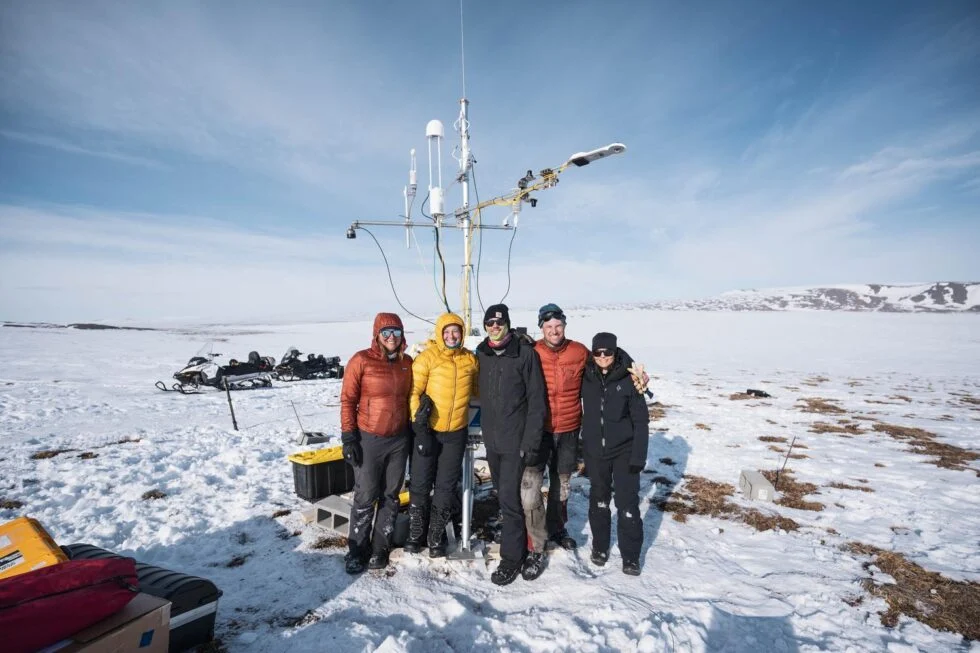
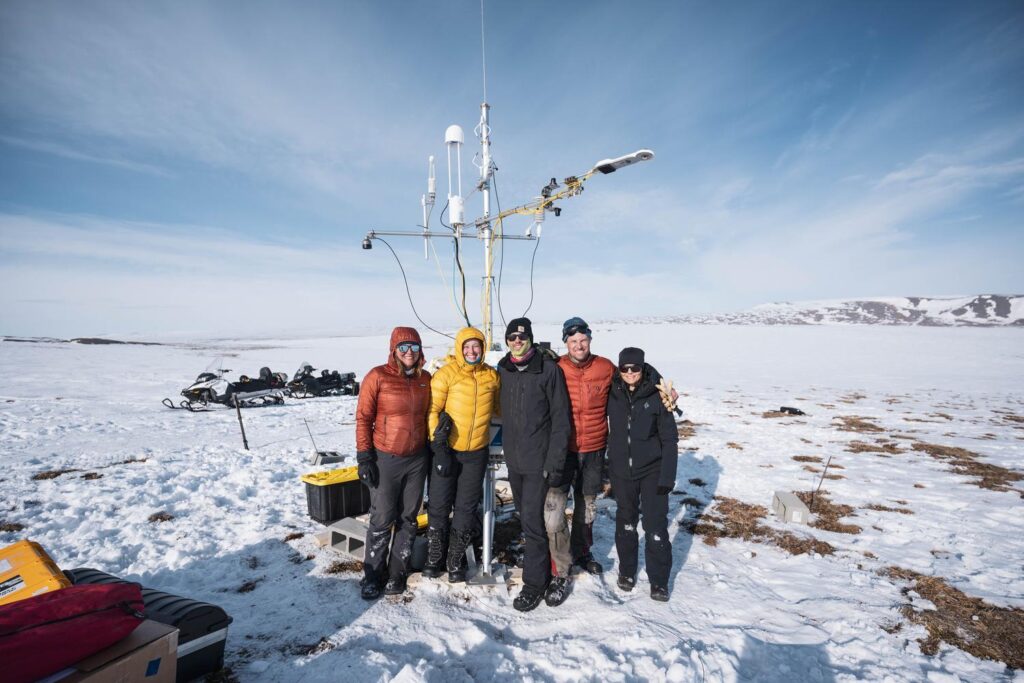
A specialized team of researchers led by Dr. Kelly Gleason and ecologist Jenny Watts has successfully deployed a pioneering flux tower at a permafrost thaw slump on Alaska’s North Slope, marking a significant milestone in Arctic climate research. This installation represents the first instance in the Arctic where a flux tower has been specifically positioned to evaluate methane and carbon dioxide emissions from an area of rapidly collapsing permafrost. The mission, supported by the Protect Our Winters (POW) Science Alliance, aims to fill a critical gap in global climate models by quantifying the "invisible" greenhouse gas contributions of localized thermokarst features. As the Arctic continues to warm at nearly four times the global average, the data collected from this site near the Toolik Field Station is expected to provide essential insights into the feedback loops driving polar amplification and global temperature rise.
The Toolik Field Station Expedition: Logistical and Scientific Framework
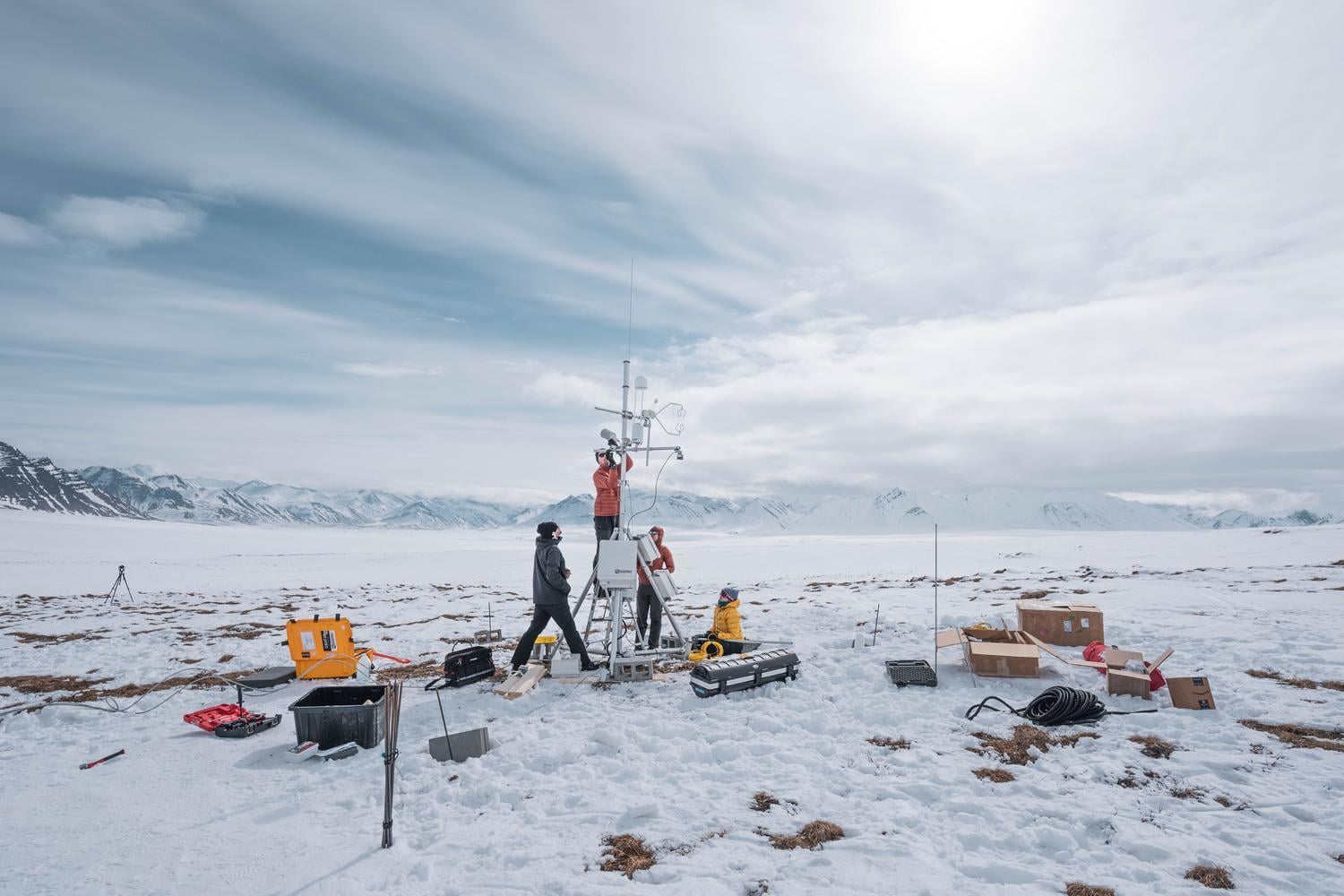
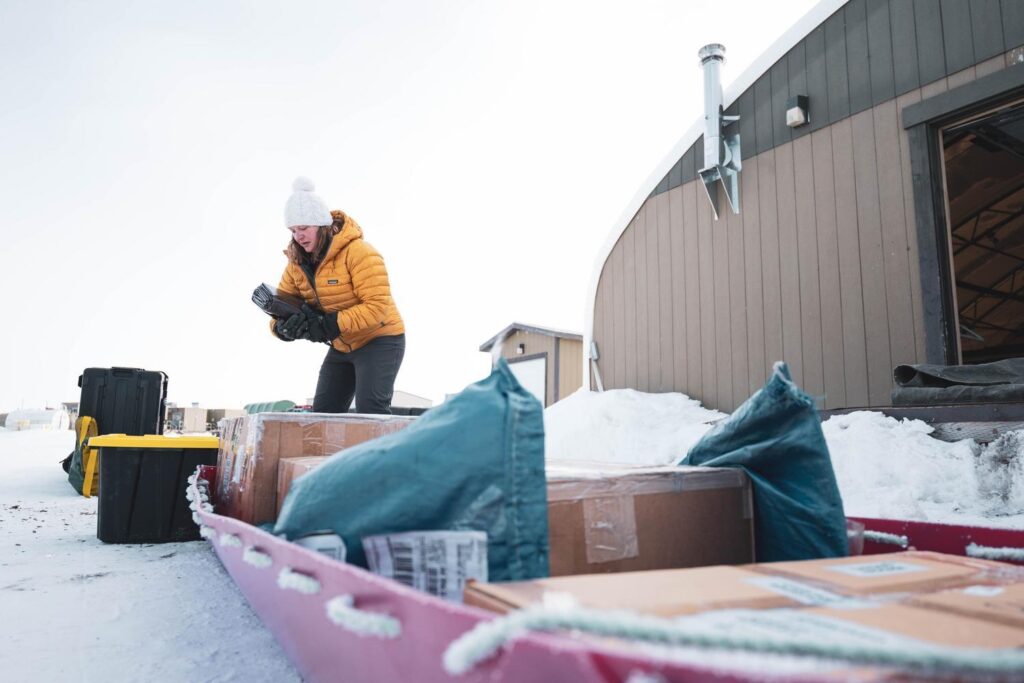
The research expedition was based out of the Toolik Field Station, a premier long-term ecological research site located in the northern foothills of the Brooks Range. The mission required the transport and assembly of heavy industrial-grade scientific equipment across the tundra, a task complicated by the frigid temperatures and rugged terrain of the North Slope. The team, which included researchers Kyle, Christina, and Kai, utilized snowmachines and heavy-duty sleds to ferry the components of the flux tower to the designated thaw slump site.
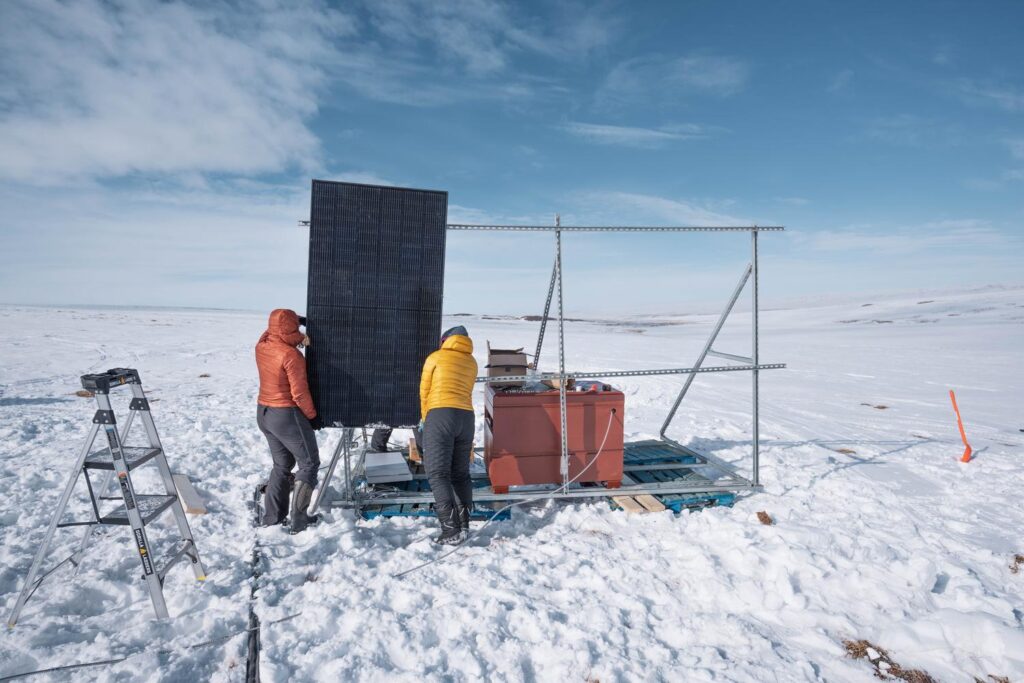
The equipment deployed is designed for long-term, autonomous operation in one of the most extreme environments on Earth. The centerpiece of the installation is a 15-foot-tall aluminum frame equipped with sensitive gas analyzers. Supporting this structure are eight deep-cell batteries, each weighing over 100 pounds, and four large solar panels intended to provide power during the months of continuous Arctic daylight. To ensure stability against high winds and the shifting nature of the thawing ground, the team utilized cement anchors, guy-lines, and steel spikes.
The primary objective of this hardware is to measure carbon flux—the exchange of carbon between the land and the atmosphere. While previous studies have measured emissions from stable tundra, this specific project focuses on "thaw slumps." These are dramatic geological features where permafrost—soil that has remained frozen for two or more consecutive years—loses its structural integrity. As the ice within the soil melts, the ground collapses, creating steep, eroding slopes that expose ancient organic matter to the atmosphere for the first time in millennia.
The Chemistry of Thawing: Methane and Carbon Dioxide Emissions
The significance of the flux tower installation lies in the potency of the gases being released from these collapse sites. Permafrost is estimated to contain roughly 1,500 billion tons of carbon, which is twice the amount currently present in the Earth’s atmosphere. When this frozen organic material thaws, microbes begin to decompose the organic matter, releasing carbon dioxide ($CO_2$) and methane ($CH_4$).
Methane is of particular concern to the research team. While methane remains in the atmosphere for a shorter duration than carbon dioxide, its global warming potential is significantly higher—estimated to be 25 to 80 times more potent than $CO_2$ over a 100-year and 20-year period, respectively. Thaw slumps act as "hotspots" for these emissions. Because these features are relatively small and localized compared to the vastness of the Arctic tundra, they have historically been omitted from global climate models. However, the intensity of emissions from a single slump can dwarf those of the surrounding intact landscape, leading to a potential underestimation of the Arctic’s contribution to the global carbon budget.
Scientific Analysis: The Paradox of Arctic Snow Insulation
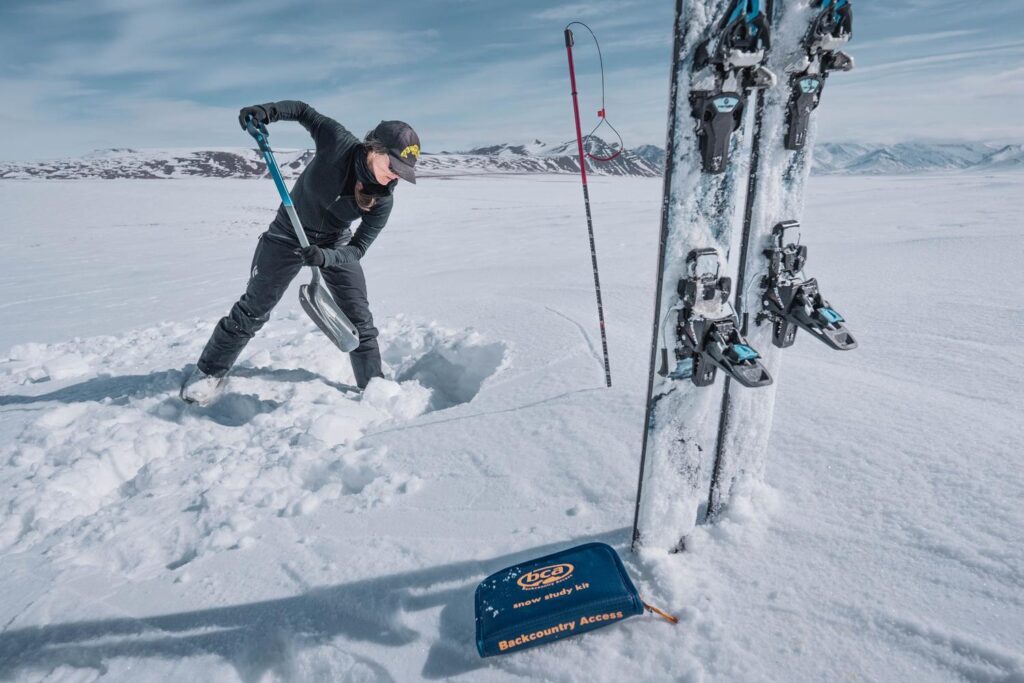
A secondary but equally vital component of the research led by Dr. Kelly Gleason involves the study of snow hydrology and its impact on ground temperatures. Dr. Gleason, an assistant professor at Portland State University, conducted a series of snow pit analyses to investigate the relationship between snow depth and permafrost stability. Her findings highlight a troubling paradox: while snow is traditionally viewed as a cooling agent due to its high albedo (reflectivity), it also functions as a powerful thermal insulator.
In the western United States, snow is primarily valued as a seasonal water reservoir. In the Arctic, however, its role is defined by its thermal properties. During the expedition, Dr. Gleason compared temperature profiles between shallow and deep snowpacks. The results revealed a stark contrast in ground-level conditions:
- Shallow Snowpack (57 cm): In areas with less snow accumulation, the ground remained significantly colder, with temperatures reaching -10°C at the base. The lack of insulation allowed the deep, dry cold of the Arctic winter to penetrate the soil, helping to maintain the integrity of the permafrost.
- Deep Snowpack (Approx. 2 meters): In areas where wind-driven snow had accumulated into deep drifts, the snow acted as a thermal blanket. While the surface temperature remained at approximately -3°C, the temperature at the soil-snow interface was also near -3°C.
This insulation prevents the ground from cooling during the winter months. At temperatures near -3°C, microbial activity can continue even in sub-freezing conditions, facilitating the ongoing release of greenhouse gases throughout the winter. Furthermore, by keeping the ground warmer during the winter, deep snowpacks make the permafrost more susceptible to rapid thawing once the summer season begins.
This phenomenon is exacerbated by shifting precipitation patterns in the Arctic. As sea ice declines, the resulting increase in open water leads to higher atmospheric moisture levels, which in turn causes increased snowfall in certain Arctic regions. The resulting deeper snowpacks may be inadvertently accelerating the very permafrost thaw that scientists are seeking to understand.
The Role of Advocacy and the POW Science Alliance
The research conducted at Toolik Field Station is part of a broader effort by the Protect Our Winters (POW) Science Alliance to bridge the gap between academic research and climate policy. The Alliance consists of high-level scientists who provide the data-driven foundation for POW’s advocacy work. By involving scientists like Dr. Gleason and Jenny Watts, the organization seeks to translate complex data regarding carbon flux and snow albedo into actionable narratives for policymakers and the public.
The integration of scientific field work with advocacy represents a shift in how climate research is disseminated. The team emphasizes that while the data collected by the flux tower is essential for scientific accuracy, the ultimate goal is to drive systemic change. The presence of the POW Science Alliance on the North Slope underscores the belief that understanding the "magic" and the "fragility" of the Arctic is the first step toward its protection.
Broader Implications and Global Climate Feedback Loops
The implications of the research on Alaska’s North Slope extend far beyond the borders of the Arctic. The "Arctic feedback loop" is a primary driver of global climate instability. As permafrost thaws and releases greenhouse gases, the global temperature rises, leading to further sea ice melt and even more permafrost degradation. This cycle is a self-reinforcing process that threatens to bypass critical climate tipping points.
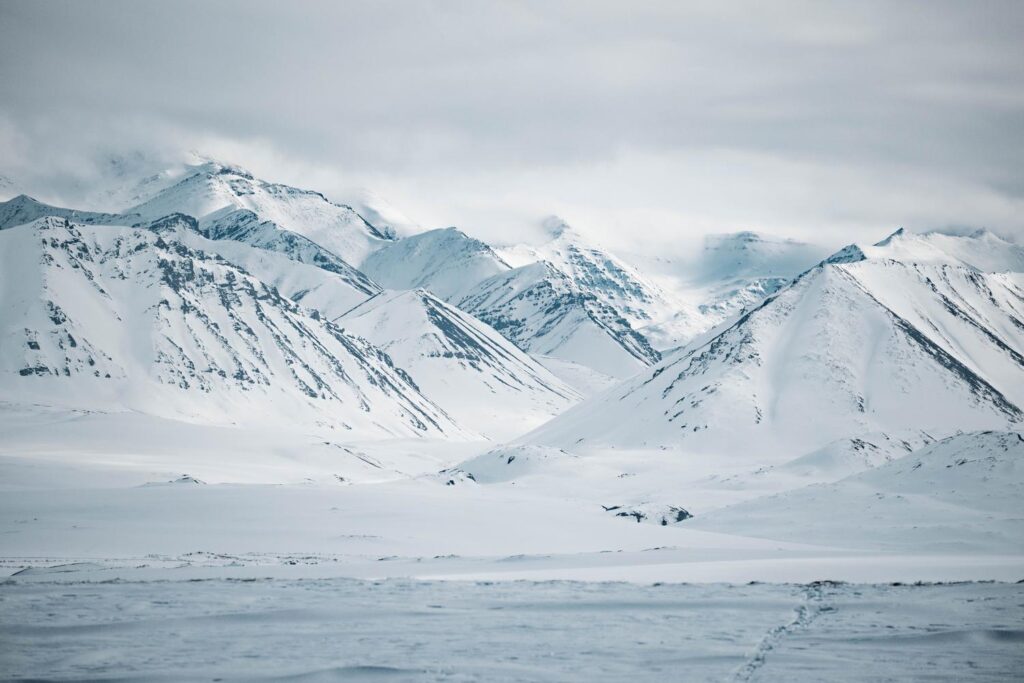
Current climate projections indicate that if the current rate of warming continues, a significant portion of the world’s permafrost could disappear by the end of the century. The data provided by the new flux tower at the Toolik thaw slump will be instrumental in refining these projections. By providing real-time, localized data on methane and $CO_2$ spikes, the research team hopes to provide the global scientific community with a more accurate "early warning system" for permafrost collapse.
Furthermore, the study of snow insulation adds a new layer of complexity to climate mitigation strategies. It suggests that changes in Arctic weather patterns—specifically increased snowfall—may have hidden costs that are not yet fully accounted for in international climate agreements.
Chronology of the North Slope Installation
The deployment of the flux tower followed a rigorous timeline designed to coincide with the transition from the Arctic winter to spring:
- Late April: Arrival at Toolik Field Station and initial equipment calibration.
- Early May: Transport of the 15-foot aluminum frame and 800 pounds of batteries to the thaw slump site via snowmachine.
- Mid-May: Installation of the solar array and electrical enclosures.
- Concurrent Research: Dr. Gleason conducted snow pit excavations and temperature profiling to establish the baseline for insulation studies.
- Ongoing: The flux tower is now operational, transmitting data on gas concentrations and atmospheric conditions back to researchers for analysis.
Conclusion: Data as a Foundation for Responsibility
The mission to the North Slope represents a fusion of logistical grit and sophisticated environmental monitoring. As the first of its kind to target a permafrost thaw slump, the flux tower stands as a sentinel in a landscape undergoing rapid transformation. For Dr. Gleason and the POW Science Alliance, the project is more than a data collection exercise; it is an act of scientific responsibility.
The findings from this study will likely serve as a cornerstone for future research into Arctic carbon budgets. As the global community seeks to limit warming to 1.5°C, the "unseen" emissions from the thawing Arctic tundra remain one of the most significant variables in the equation. Through the work of Dr. Gleason, Jenny Watts, and their colleagues, the invisible processes of the North Slope are finally being brought into the light, providing both a reason for concern and a clearer path forward for climate advocacy and action.
