

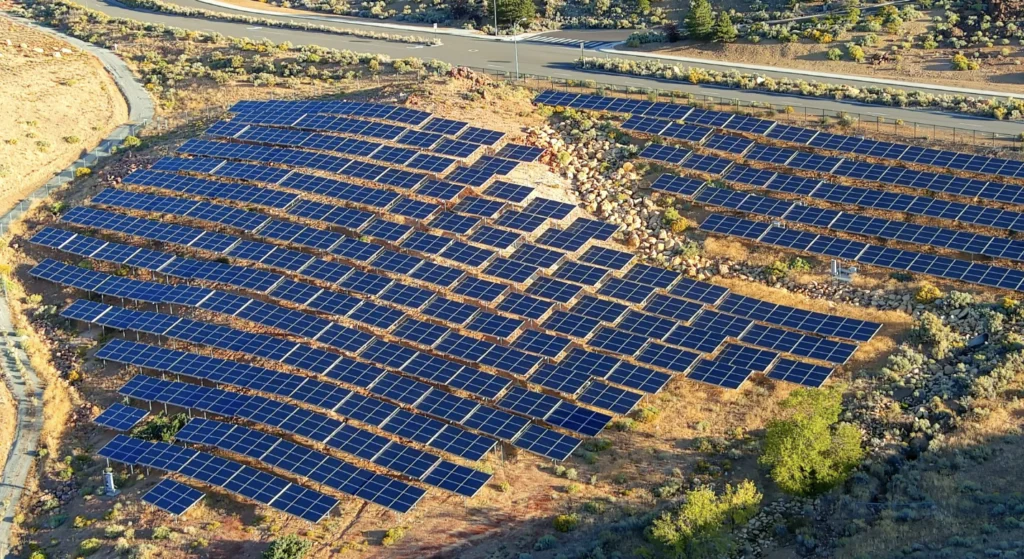
The landscape of American energy production is undergoing a profound transformation, moving away from centralized fossil fuel combustion toward decentralized, renewable-heavy grids. In Reno, Nevada, this transition recently reached a significant milestone with the advancement of the Trego Battery Energy Storage System (BESS). This 200-megawatt utility-scale project represents a critical victory for local climate advocates, scientists, and community organizers who successfully navigated the complex intersection of municipal governance, technological skepticism, and environmental necessity. The Trego project is designed to capture and store excess renewable energy—primarily from Nevada’s abundant solar resources—and discharge it during periods of peak demand, thereby stabilizing the regional grid and reducing the necessity for carbon-intensive "peaker" plants.
Project Overview and Technical Specifications
The Trego Battery Energy Storage System is a high-capacity infrastructure project engineered to address the inherent intermittency of renewable energy sources. With a 200-megawatt (MW) capacity, the facility is capable of powering approximately 68,000 households, roughly the size of a mid-sized American city. Unlike traditional energy infrastructure, BESS facilities do not generate power; instead, they function as massive reservoirs for the electrical grid.
A defining feature of the Trego project is its use of Lithium Iron Phosphate (LFP) battery technology. In the evolving battery market, LFP chemistry has emerged as a preferred alternative to traditional Nickel Manganese Cobalt (NMC) batteries, particularly for stationary storage. LFP batteries are characterized by their superior thermal and chemical stability, which significantly reduces the risk of thermal runaway—a primary safety concern for local planning commissions and residents. Furthermore, LFP technology offers a longer lifecycle and does not require cobalt, an element often associated with ethical and environmental concerns in the global supply chain. By selecting LFP, the Trego project developers addressed many of the safety and sustainability anxieties that frequently stall large-scale energy projects at the local level.
The Economic Catalyst: Quantifying the Impact
The approval of the Trego BESS is not merely an environmental achievement but a substantial economic driver for the Washoe County region. Economic impact studies for utility-scale battery storage suggest a high multiplier effect for local economies. According to data cited by project advocates, such installations can generate approximately $14 million in economic activity for every 5 megawatts of capacity.
When scaled to the Trego project’s 200-megawatt footprint, the potential economic stimulus is estimated to reach several hundred million dollars over the life of the project. This economic infusion manifests in several ways:
- Direct Construction Jobs: The development phase requires specialized labor, including electrical engineers, civil contractors, and heavy equipment operators.
- Long-term Tax Revenue: Once operational, the facility contributes to the local tax base, providing funds for schools, infrastructure, and public services without the high demand for municipal services typically associated with residential or commercial developments.
- Grid Efficiency Savings: By reducing the need for expensive, high-emission energy imports during peak hours, the project contributes to long-term rate stability for Nevada energy consumers.
Chronology of the Approval Process
The path to the Trego BESS approval followed a rigorous timeline of environmental review, public comment, and municipal deliberation. The process began with the initial site proposal and environmental impact assessments, which evaluated the project’s footprint near Reno.

A critical juncture occurred during the public hearing phase, where the project faced the potential for "NIMBYism" (Not In My Backyard)—a phenomenon where residents support clean energy in theory but oppose specific projects due to concerns over aesthetics, safety, or property values. In many jurisdictions, such opposition can delay projects for years or lead to their outright cancellation.
In Reno, the narrative shifted during the public hearings held in late 2023 and early 2024. A coalition of local residents, outdoor industry professionals, and members of the "Protect Our Winters" (POW) organization mobilized to provide testimony. Among the lead advocates was Dr. Anne Nolin, a Snow Hydrologist and Professor in the Geography Department at the University of Nevada, Reno. Dr. Nolin, a member of the POW Science Alliance, utilized her expertise to bridge the gap between abstract climate science and local infrastructure needs. The presence of informed, pro-renewables voices at these hearings proved decisive, signaling to local decision-makers that there was a broad mandate for clean energy investment.
The Role of Scientific Advocacy and Community Organizing
The success of the Trego BESS project highlights a shifting paradigm in climate activism: the move from national-level protest to local-level policy participation. For Dr. Nolin and her colleagues, the project represented a "tangible way to contribute to climate solutions at the local level."
Scientists are increasingly stepping out of the laboratory and into the public square to provide factual grounding for controversial projects. Dr. Nolin’s involvement helped demystify the technology for the Reno community. By addressing concerns about battery safety and explaining the necessity of storage for a stable grid, the scientific community provided a layer of credibility that countered the "fear of the unknown" often cited by project opponents.
This grassroots involvement was bolstered by the "POW crew," a group of outdoor enthusiasts who view climate change as an existential threat to the $1.1 trillion outdoor recreation economy. For these advocates, supporting a battery storage project in their "backyard" is seen as a necessary trade-off to protect the mountain ecosystems and snowpacks that define the Nevada landscape.
Nevada’s Strategic Position in the Energy Transition
The Trego BESS project is a vital component of Nevada’s broader energy strategy. The state has set ambitious goals for its renewable energy portfolio, aiming for 50% renewable energy by 2030 and a carbon-free grid by 2050. Achieving these targets is impossible without significant investments in storage.
Nevada is currently a leader in solar energy production per capita, but solar power faces the "duck curve" challenge—a mismatch between when solar energy is produced (midday) and when demand peaks (early evening). Battery storage like Trego solves this by shifting midday solar generation to the evening hours.
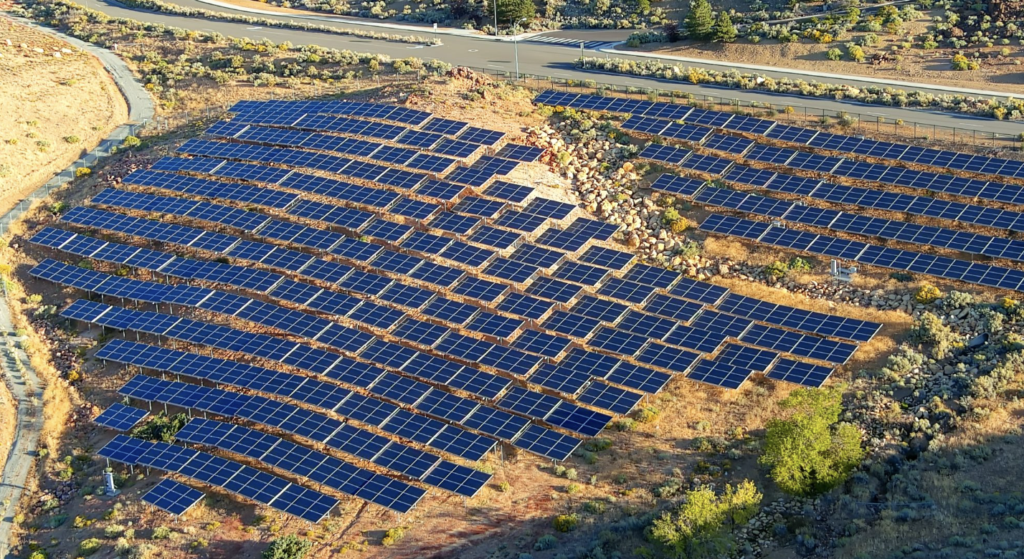
Furthermore, Nevada sits at the center of the "Lithium Loop," a regional effort to develop a full domestic supply chain for batteries, from mineral extraction and processing to manufacturing and recycling. The deployment of projects like Trego strengthens Nevada’s position as a hub for the global energy transition, proving that the state can not only produce the raw materials but also successfully integrate the final technology into its own infrastructure.
Implications for National Energy Policy
The Reno victory serves as a blueprint for other American municipalities. Across the United States, thousands of gigawatts of renewable energy projects are currently stuck in interconnection queues or stalled by local zoning disputes. The Trego BESS project demonstrates that these bottlenecks can be cleared through a combination of:
- Technological Education: Prioritizing safer chemistries like LFP to mitigate public safety fears.
- Economic Transparency: Clearly articulating the multi-million dollar benefits to the local tax base.
- Organized Testimony: Ensuring that supporters of clean energy are as vocal and present at public hearings as the opposition.
Market analysts suggest that the BESS sector will continue to see exponential growth, driven in part by the Inflation Reduction Act (IRA), which provides significant tax credits for domestic energy storage projects. However, federal incentives are only effective if local communities allow the projects to be built. The Trego project underscores that the "last mile" of the clean energy transition is social and political, rather than purely technical.
Conclusion: A Model for Resilient Infrastructure
As the Trego Battery Energy Storage System moves toward its construction and operational phases, it stands as a testament to the power of community-led climate action. By integrating 200 megawatts of storage into the Reno area, the project will enhance grid reliability, lower the long-term cost of energy, and provide a significant boost to the local economy.
For the residents of Reno and the advocates who supported the project, the win is a reminder that climate progress is often won in small, windowless hearing rooms through the persistent efforts of informed citizens. The Trego BESS is more than just a collection of batteries; it is a critical piece of infrastructure in the architecture of a sustainable future, proving that when communities show up, clean energy wins. The success in Nevada provides a clear signal to the rest of the country: the transition to a clean energy economy is not only necessary but, with the right combination of science and advocacy, entirely achievable.
