

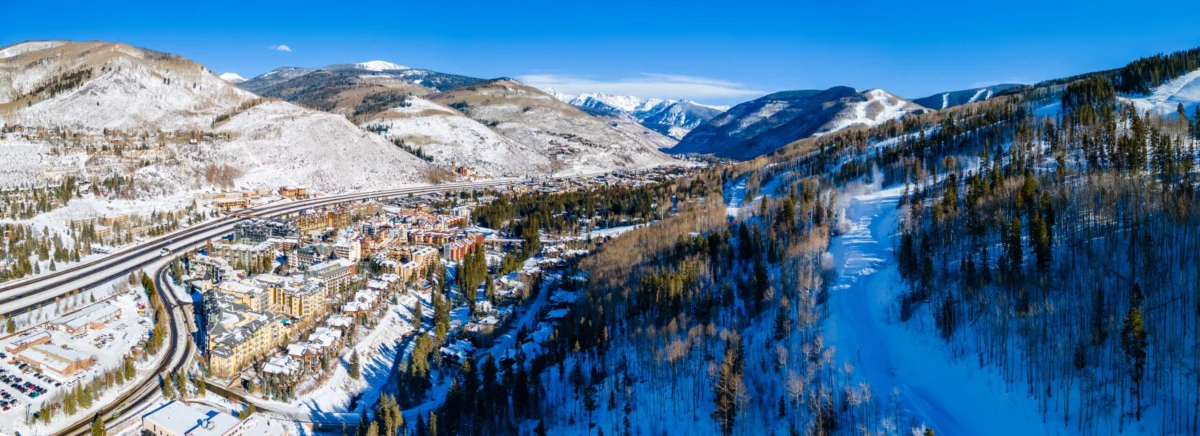
For more than a decade, the business model dominating the ski industry felt predictable, characterized by a relentless strategy of acquiring independent mountains and driving volume through the Epic Pass. However, in a significant strategic recalibration, Vail Resorts, under CEO Rob Katz, has announced a massive multi-year pivot titled "Epic Experience." This ambitious initiative signals a fundamental shift away from maximizing pass sales, instead channeling substantial investment into enhancing the day-to-day guest experience across its vast network of resorts.
The corporate leadership has articulated that the years spent scaling the network were never the ultimate goal. Rather, the brand now aims for future growth to stem from cultivating loyalty, delivering exceptional hospitality, and systematically removing friction from a guest’s day on the mountain. This pivot acknowledges a changing market landscape and addresses growing consumer feedback regarding overcrowding and service quality, marking a potential turning point for the North American ski industry.
The Genesis of a Strategic Shift: From Acquisition Spree to Experience Focus
To fully grasp the magnitude of the "Epic Experience" initiative, it is essential to contextualize Vail Resorts’ journey over the past decade. Beginning in the early 2010s, Vail embarked on an aggressive acquisition strategy, steadily incorporating iconic resorts such as Whistler Blackcomb, Park City, Stowe, and numerous others into its portfolio. This rapid expansion was fueled by a vision to create an unparalleled network of ski destinations, offering diverse terrain and experiences under a single, overarching pass product: the Epic Pass.
The Epic Pass itself revolutionized the industry. Launched in 2008, it offered unlimited access to a growing number of resorts for a fixed, upfront price, providing Vail Resorts with predictable, early-season revenue regardless of snow conditions. This model proved incredibly successful, attracting millions of skiers and riders, significantly increasing market share, and compelling competitors like Alterra Mountain Company to launch their own multi-resort passes, most notably the Ikon Pass. The emphasis was unequivocally on volume – getting as many pass holders as possible into the system.
However, this volume-driven approach, while financially robust, began to generate significant operational challenges and guest dissatisfaction. Industry reports and social media chatter increasingly highlighted issues such as overcrowded slopes, excessively long lift lines, strained on-mountain amenities, and a perceived decline in the quality of ancillary services like dining and rentals. A recent challenging season, characterized by inconsistent snow conditions across various regions, exacerbated these issues, culminating in a reported 10% drop in early pass sales for the upcoming season—a stark indicator that the current experience was wearing thin for a segment of its core clientele. Surveys conducted by independent consumer groups also indicated a growing divergence between guest expectations and their actual on-mountain experiences, with over 60% of respondents citing "crowding" and "service wait times" as primary deterrents.
Vail’s internal analytics likely confirmed these trends, suggesting that while the Epic Pass continued to attract new customers, retention might be at risk if the core product—the on-mountain experience—did not evolve. The "Epic Experience" pivot, therefore, can be seen as a strategic response to these accumulated pressures, recognizing that sustained growth cannot solely rely on increasing the sheer number of pass holders but must also come from enhancing the value and quality of each individual visit.
Upgrading the Mountain Journey: The Five Pillars of "Epic Experience"
The new organizational roadmap underpinning the "Epic Experience" initiative is meticulously structured across five key pillars, each designed to address specific pain points and elevate the overall guest journey: gear rentals, lessons, dining, digital updates, and talent.
1. Revolutionizing Gear Rentals and Demos: For many visitors, especially those traveling from afar, the logistics of gear can be a significant hassle. Vail Resorts is tackling this by expanding and enhancing its demo options. Guests will now have the ability to select premium ski or snowboard models online ahead of their visit, reserving their preferred equipment without paying an upfront fee. This not only streamlines the pick-up process, reducing queues at rental shops, but also offers a more personalized experience, allowing skiers and riders to experiment with high-performance gear tailored to their preferences. The system will leverage pre-filled profiles to ensure accurate sizing and setup, further minimizing on-site wait times and allowing guests to maximize their time on the slopes. This investment aims to increase customer satisfaction by turning a historically tedious process into a seamless and exciting part of the vacation.
2. Elevating Hospitality Through Premium Lessons: Epic Ascent: Hospitality is set to receive a substantial boost through a new, premium lesson tier named Epic Ascent. Launching this winter at two of Vail Resorts’ flagship destinations, Vail Mountain and Beaver Creek, this program redefines the private lesson experience. Beyond expert instruction, Epic Ascent will automatically include white-glove concierge services. This means instructors or dedicated support staff will handle essential logistics such as securing dining reservations at popular on-mountain restaurants, arranging seamless transport to and from lesson meeting points, and managing all aspects of gear logistics, including warm-ups and tune-ups. This high-touch service targets a discerning clientele seeking an effortlessly luxurious ski vacation, providing an unparalleled level of convenience and personalization that traditionally has been exclusive to bespoke travel agencies or ultra-luxury resorts.
3. Enhancing Culinary Experiences: The quality of on-mountain dining has long been a subject of contention among resort guests, often perceived as overpriced and underwhelming. Vail Resorts is directly addressing this by committing to improving base-area dining. The company plans to elevate the food quality of its most popular dishes across 15 destination resorts, focusing on fresh ingredients, improved preparation techniques, and a wider variety of appealing options. Crucially, the corporate offices have explicitly promised that these food upgrades will not result in "spike pricing" beyond normal inflationary adjustments. This commitment aims to provide better value and a more satisfying culinary experience, transforming dining from a necessary refueling stop into an enjoyable component of the ski day. Initial rollouts will focus on iconic dishes and high-traffic eateries, with plans for broader menu enhancements over successive seasons.

4. A Tech-Driven Future with My Epic App Enhancements: Technology remains a cornerstone of this operational overhaul, designed to reduce friction and enhance personalization. The company is significantly expanding its ski and ride school digital check-in system to 14 resorts within the My Epic app. This advancement empowers guests to skip lines entirely, offering parents real-time updates on their children’s progression, location, and activities throughout the day. This level of transparency and convenience is expected to significantly improve the experience for families.
Further digital enhancements are slated for this fall, including direct in-app pass purchasing, simplifying the acquisition process for new and returning guests, and Apple Pay integration for seamless transactions across the resort. The long-term technological vision is even more ambitious, encompassing modern AI trip-planning tools. These tools are envisioned to utilize data on weather conditions, lift line wait times, personal preferences, and historical traffic patterns to organize optimal days on the mountain. Imagine an AI assistant suggesting the best lifts to ride, recommending lunch spots with shorter queues, or even tailoring a route based on skill level and desired terrain – all accessible through the My Epic app. This technological integration aims to create a highly personalized and efficient guest journey, minimizing frustrations and maximizing time on the snow.
5. Investing in Talent and Culture: While not as explicitly detailed in the initial announcement, "talent" forms a crucial fifth pillar of the "Epic Experience." To deliver on the promise of enhanced hospitality and service, Vail Resorts must invest significantly in its workforce. This includes comprehensive training programs focused on customer service excellence, problem-solving, and embodying the new premium experience ethos. Furthermore, competitive compensation, benefits, and career development opportunities will be critical for attracting and retaining high-quality employees, from lift operators and ski instructors to culinary staff and concierge teams. Fostering a service-oriented culture throughout the organization will be paramount to the success of this pivot, ensuring that the human element of the guest experience matches the technological and infrastructural upgrades.
The Economic Calculus: Masterclass or Financial Mistake?
The burning question resonating throughout the industry and among investors is whether this dramatic pivot is a masterstroke or a potential financial misstep for Vail Resorts. For years, the aggressive pass sales model provided the company with incredibly reliable, upfront revenue, often securing a significant portion of its income before the first snowflake even fell. This predictable cash flow was a key advantage, insulating Vail from the vagaries of weather patterns and economic downturns to a certain extent.
Potential Benefits:
If executed successfully, the "Epic Experience" could yield substantial long-term benefits. By prioritizing guest satisfaction, Vail aims to cultivate deeper loyalty, leading to higher retention rates and potentially increased word-of-mouth marketing. The premium upgrades, particularly the Epic Ascent lessons and elevated dining, are designed to drive higher spending per visit from a potentially smaller but more affluent and satisfied customer base. Industry trends indicate a growing demand for premium, curated travel experiences, and Vail is positioning itself to capture this high-value segment. Enhanced brand reputation could also attract new, discerning customers who previously avoided Vail due to crowding concerns. Moreover, by reducing extreme volume, the resorts could operate more efficiently, potentially leading to lower operational stress on infrastructure and staff, and improved environmental stewardship.
Potential Risks:
However, the gamble is significant. By stepping back from pushing sheer volume, Vail risks an initial hit to its income stream. The reported 10% drop in early pass sales suggests that a segment of its traditional customer base, perhaps those more sensitive to price or less interested in premium add-ons, might be hesitating or seeking alternatives. The substantial upfront investment required for these widespread upgrades—in technology, infrastructure, culinary improvements, and talent development—will place pressure on the company’s bottom line in the short to medium term. There is also the risk of alienating budget-conscious skiers who value the Epic Pass primarily for its affordability and access rather than luxury perks.
Furthermore, executing a consistent, high-quality premium experience across dozens of diverse resorts presents an immense operational challenge. Maintaining service standards, staff training, and technological integration uniformly across such a vast network will be critical. If Vail cannot effectively fix the long lines and average food that have plagued its reputation, skiers might indeed jump ship entirely to competing networks like Ikon Pass, which continues to expand its offerings, or to independent hills that pride themselves on a more intimate, less crowded experience.
Market Implications:
Market analysts are divided. Some view this as a necessary, forward-thinking evolution, arguing that the ski industry, like many in leisure and hospitality, must adapt to consumer demand for quality over quantity. They point to the success of premiumization in other travel sectors as a potential blueprint. Others express caution, highlighting the difficulty of shifting a deeply ingrained business model and the potential for a significant financial downturn if the premium offerings do not generate sufficient incremental revenue to offset reduced pass sales. The success of "Epic Experience" will likely be measured not just by pass sales figures, but by key performance indicators such as average spend per guest, Net Promoter Score (NPS), repeat visitor rates, and overall guest satisfaction metrics.
Industry Reactions and Future Outlook
Reactions from related parties are expected to be varied. Industry analysts are likely to closely monitor Vail Resorts’ quarterly reports, particularly focusing on revenue per guest, operating margins, and customer satisfaction scores to gauge the initiative’s effectiveness. Competitors like Alterra Mountain Company, operators of the Ikon Pass, will undoubtedly be watching intently. They might choose to either double down on their existing value propositions, positioning themselves as a more accessible alternative, or strategically integrate similar premium services to compete directly for the high-value segment. Independent resorts, often celebrated for their authentic, uncrowded experiences, might find renewed appeal for skiers disillusioned by the potential shift towards ultra-premium offerings at larger networks.
Consumer reception will also be a critical factor. While those who have long complained about crowding and service issues may welcome the changes, the broader skiing community, which includes a wide spectrum of demographics and budgets, will likely respond with a mix of enthusiasm and skepticism. The challenge for Vail Resorts will be to communicate the value of these enhancements effectively without alienating segments of its existing customer base.
Ultimately, the "Epic Experience" represents a bold and potentially transformative gamble for Vail Resorts. It acknowledges that the ski industry is evolving, and that continued success requires a proactive shift from a volume-centric model to one that prioritizes a superior, friction-free, and highly personalized guest experience. Time will tell if these luxury perks can rescue their corporate revenue and solidify their market leadership, or if cutting back the pass volume engine backfires completely, reshaping the competitive landscape of mountain recreation for years to come.
