

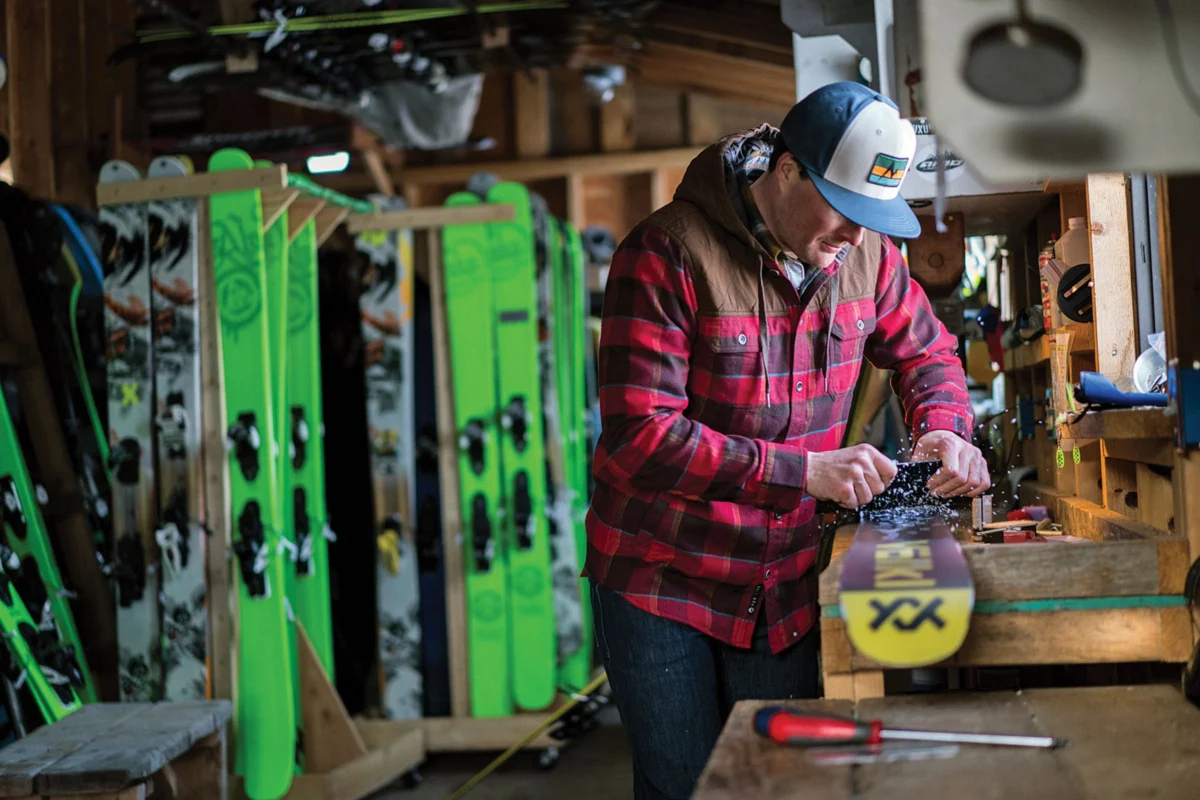
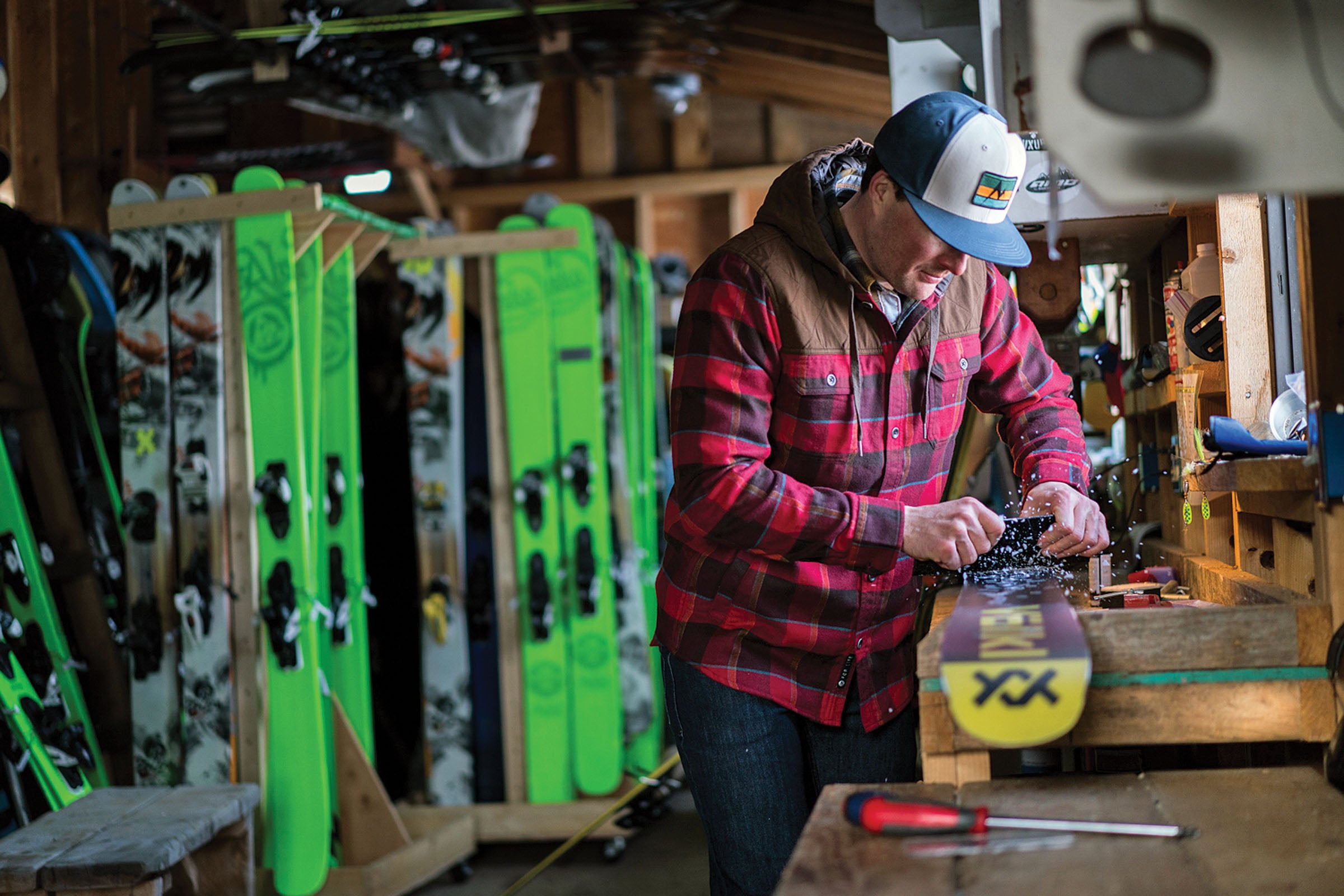
While the conclusion of the winter season often prompts enthusiasts to store their equipment and shift focus toward summer activities, industry experts and professional athletes emphasize that the off-season is a critical period for maintenance and preparation. The transition from the frigid conditions of the slopes to the warmth of summer requires a strategic approach to gear preservation, physical conditioning, and logistical planning. Neglecting these responsibilities can lead to equipment degradation, increased risk of injury, and higher costs when the lifts begin to spin again in the late autumn. To ensure a seamless transition back to the snow, skiers are encouraged to follow a comprehensive regimen that addresses safety electronics, hardware maintenance, physiological readiness, and strategic travel planning.
Mitigating Electronic Failure: The Criticality of Beacon Maintenance
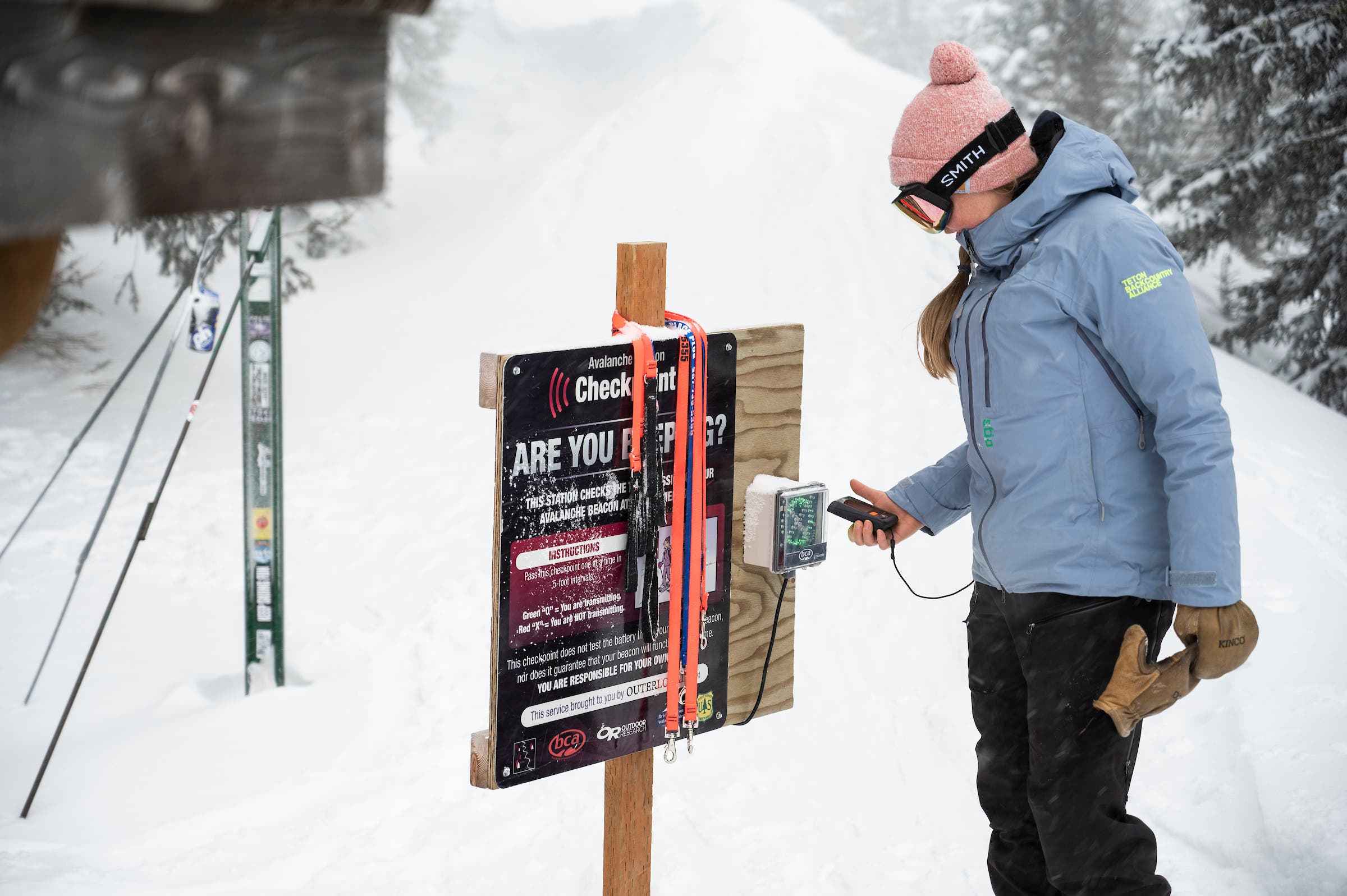
For backcountry skiers and those who frequent off-piste terrain, the avalanche transceiver is the most vital piece of safety equipment. However, one of the most common causes of beacon failure is battery corrosion. When alkaline batteries are left in a device for extended periods of inactivity, they can leak potassium hydroxide, a caustic agent that corrodes internal circuitry and battery terminals. According to safety equipment manufacturers, even a small amount of corrosion can render a device unreliable or completely non-functional during an emergency.
Safety protocols dictate that batteries should be removed entirely during the summer months. If batteries are left inside, they must be checked monthly for signs of swelling or leakage. Furthermore, the off-season is the optimal time to check for firmware updates. Modern transceivers from brands such as Mammut, Black Diamond, and Pieps often release software patches that improve signal processing and battery efficiency. Experts recommend sending beacons to authorized service centers every three years for a comprehensive diagnostic test to ensure the antennas are still transmitting and receiving within the required frequency tolerances.
Preserving Hardware: The Science of Summer Waxing and Edge Care
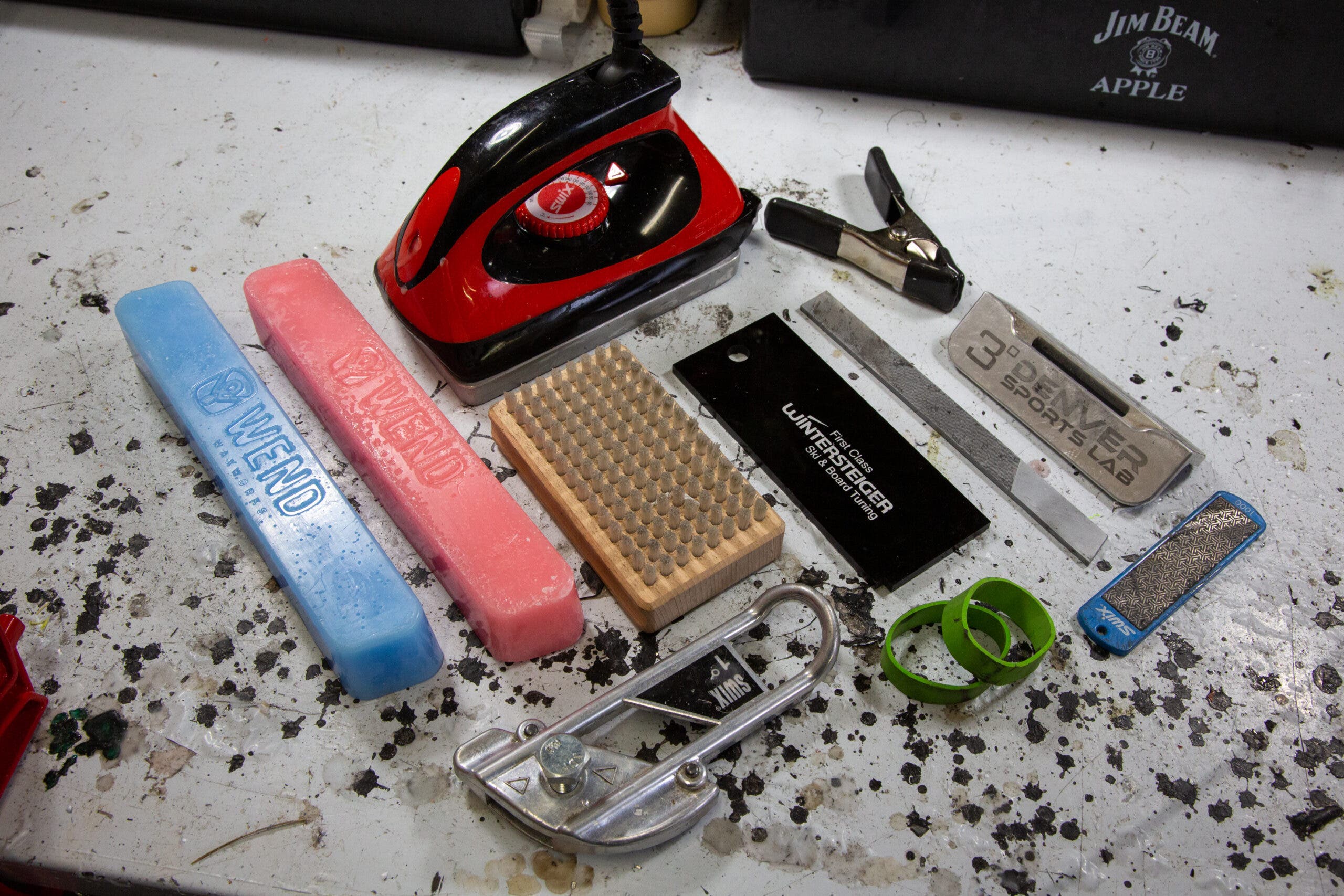
The storage environment during the summer—often characterized by higher humidity and fluctuating temperatures—poses a direct threat to ski bases and edges. A common oversight among recreational skiers is storing equipment "dry," without a protective layer of wax. The polyethylene bases of modern skis (P-tex) are porous; when exposed to air for months, these pores can oxidize, leading to a "sealed" base that refuses to absorb wax effectively in the future.
Professional tuners advocate for the "storage wax" technique. This involves cleaning the base thoroughly to remove dirt and spring pollen, then applying a thick layer of soft hydrocarbon wax without scraping it off. This thick coat acts as a hermetic seal, preventing oxidation and keeping the base hydrated. Simultaneously, the steel edges of the skis are prone to surface rust if moisture is trapped against them. Before applying storage wax, edges should be dried completely and checked for burrs. If rust is allowed to pit the metal over the summer, it may require a significant "base grind" in the winter, which shortens the overall lifespan of the ski by removing valuable material.
The Physiological Demands of the Off-Season: Strengthening for Longevity
Skiing is a physically demanding sport that places unique stresses on the musculoskeletal system, particularly the knees and lower back. Data from the National Ski Areas Association (NSAA) suggests that a significant portion of season-ending injuries occurs early in the winter when skiers have not yet regained their "ski legs." Consequently, physical therapists recommend a targeted off-season conditioning program focusing on eccentric strength and plyometrics.
The mechanics of skiing require the muscles to control force while lengthening—a process known as eccentric contraction. Exercises such as single-leg squats, Romanian deadlifts, and lateral hops are essential for building the stability required to navigate variable terrain. Strengthening the posterior chain—specifically the glutes and hamstrings—is a proven method for reducing the risk of Anterior Cruciate Ligament (ACL) tears, as these muscles help stabilize the tibia against the femur. Incorporating balance training, such as using a BOSU ball or balance board, mimics the micro-adjustments required when skiing on ice or through moguls, ensuring that the neuromuscular pathways remain sharp during the months away from the snow.
Inventory and Textile Preservation: Maintaining Technical Outerwear
Technical outerwear, including GORE-TEX shells and insulated puffers, requires specific care to maintain its waterproof and breathable properties. Over a season of use, sweat, body oils, and dirt can clog the microscopic pores of technical membranes, significantly reducing their effectiveness. Furthermore, the Durable Water Repellent (DWR) coating on the exterior of the fabric eventually wears down, causing the garment to "wet out" rather than bead water.
Summer is the ideal time for a deep clean of all technical apparel. Using specialized detergents designed for synthetic fabrics—rather than standard household detergents which can leave residue—restores the breathability of the garment. Following a wash, a low-heat dryer cycle is often recommended to reactivate the DWR coating. For older garments, an after-market spray-on DWR treatment may be necessary. Additionally, skiers should inspect their gear for mechanical failures, such as broken zippers or delaminating seams. Addressing these issues in July or August avoids the mid-winter rush at specialized repair shops, which often see weeks-long backlogs once the first snow falls.
Strategic Planning: The Economic Cycle of the Ski Industry
From a financial perspective, the summer months represent a "sweet spot" for securing the best value for the upcoming season. The ski industry operates on a tiered pricing model for season passes, such as the Epic and Ikon passes. Prices typically rise in early September and again in October, with some passes disappearing from the market entirely by late November. Purchasing during the early summer window not only secures the lowest price but often includes "buddy tickets" or other early-purchase incentives.
Logistically, summer is also the most advantageous time to book destination travel. Airline industry data indicates that domestic flight prices for winter holidays and spring break periods are often at their lowest points approximately six months in advance. Similarly, lodging inventory in premier resort towns is at its peak during the summer. By booking early, travelers can secure accommodations within walking distance of the lifts, which are the first to sell out once the season begins.

Chronology of Off-Season Preparation
To manage these tasks effectively, industry professionals suggest a month-by-month timeline:
- May/June: Conduct a full gear audit. Remove batteries from electronics, apply storage wax to skis, and wash all technical outerwear. Identify any gear that needs replacement or professional repair.
- July: Focus on physical conditioning. Begin a baseline strength program with an emphasis on core stability and leg strength. This is also the time to monitor season pass deadlines.
- August: Transition to more explosive movements and agility training. Check for firmware updates on safety equipment. Book flights and lodging for any planned mid-winter trips.
- September: Inventory small accessories such as hand warmers, base layers, and socks. Replace any expired items in first-aid kits or backcountry packs.
- October: Schedule a professional binding release check and have storage wax scraped and replaced with a temperature-specific wax as the first frosts appear.
Broader Impact and Implications
The shift toward a proactive off-season approach has broader implications for the skiing community and the industry at large. From a sustainability standpoint, proper maintenance extends the life of high-end equipment, reducing the environmental impact associated with the manufacturing and disposal of hard goods. When skis are kept in peak condition and outerwear is properly treated, they can serve a skier for many years, slowing the cycle of consumer waste.
Furthermore, the emphasis on off-season physical preparation contributes to overall mountain safety. A more physically prepared skiing population leads to fewer fatigue-related accidents, reducing the strain on ski patrols and local medical facilities. Ultimately, the transition from being a "seasonal" participant to a "year-round" athlete ensures that when the first major storm of the winter arrives, the skier is not only equipped with functional, safe gear but also possesses the physical resilience to enjoy the season to its fullest extent. By treating the summer as a foundational period rather than a dormant one, enthusiasts protect both their financial investments and their physical well-being.
