

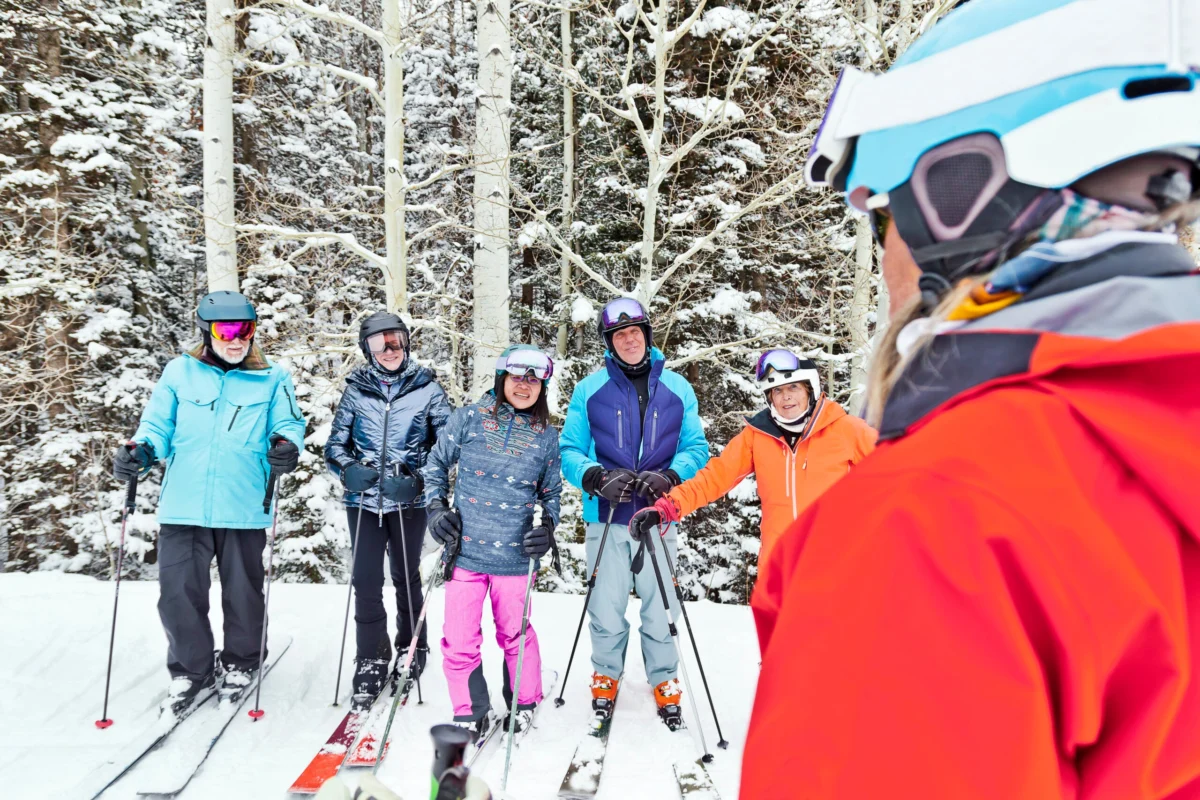
The North American ski industry is currently facing a critical paradox that threatens its long-term viability: while resort operators consistently emphasize the need to expand the sport’s demographic reach, the financial barriers to entry have never been higher. Central to this issue is the soaring cost of professional instruction, which has transitioned from an essential educational service into a high-margin luxury product. In the current market, a novice skier can expect to pay upwards of $300 for a single group lesson at a premier destination resort, while private instruction frequently exceeds $1,000 per day. These figures do not include the ancillary costs of equipment rentals, lift tickets, and lodging, creating a financial hurdle that many industry analysts argue is decoupling the sport from the middle class and younger generations.
The Financial Landscape of Modern Ski Instruction
For decades, the ski industry has operated under the assumption that the high cost of participation is an accepted norm. However, recent economic shifts have highlighted a growing disparity between the cost of mountain access and the cost of skill acquisition. While seasoned skiers can mitigate expenses through the purchase of multi-resort season passes—such as the Epic or Ikon passes—beginners do not have the same luxury of scale. A first-time skier must invest heavily in the "learning phase" before they can realize the value of a season pass.
Industry data suggests that the "conversion rate"—the percentage of first-time skiers who become lifelong participants—remains stubbornly low, hovering around 15% to 20%. Analysts point to the "friction" of the first day as the primary culprit. When a single day of learning costs as much as a monthly car payment, the pressure to succeed becomes immense. If the experience is marred by poor weather or physical exhaustion, the likelihood of a return visit diminishes significantly. By treating lessons as a profit center rather than a customer acquisition tool, resorts may be maximizing short-term revenue at the expense of their future customer base.
A Comparative Global Analysis: North America vs. The World
The high cost of learning to ski is increasingly viewed as a uniquely North American phenomenon. In contrast, international markets offer robust instructional programs at a fraction of the price, often supported by different labor models and cultural approaches to the sport.
In the European Alps, particularly in France, Switzerland, and Austria, the "syndicat" model of instruction—exemplified by the École du Ski Français (ESF)—allows for competitive pricing. A five-day intensive group program in a world-class French resort typically costs approximately $600, or roughly $120 per day. In Japan, which has seen a surge in international tourism, full-day adult lessons are frequently priced near the $100 mark. South American resorts in Chile and Argentina offer similar value, with week-long packages often priced under $500.
The disparity is driven by several factors. In Europe, many ski schools operate as cooperatives of independent instructors rather than being wholly owned by the resort corporation. This allows for a more direct relationship between the instructor’s labor and the guest’s payment. In North America, the "closed-door" policy of most resorts prevents independent instructors from operating on the mountain, creating a monopoly that allows the resort to set prices without external competition.
The Labor Gap: Instructor Compensation and Retention
A significant point of contention within the industry is the distribution of lesson revenue. While guests pay premium prices, the instructors—the frontline ambassadors of the sport—often receive only a small fraction of that fee. Entry-level instructors at major North American resorts may earn between $15 and $25 per hour, even as the resort charges the guest $200 or more per hour for their time.
This wage gap has led to a recruitment and retention crisis. Experienced instructors, who possess the pedagogical skills to ensure a beginner’s success, are increasingly leaving the industry for more lucrative professions. This leaves the "never-ever" skiers in the hands of less experienced staff, which can lead to a lower quality of instruction and a decreased likelihood of the student continuing with the sport. Furthermore, the inability of instructors to work independently on public forest lands (where many resorts operate under permits) remains a legal and economic bottleneck that keeps prices artificially high.
The Safety Implications of Unaffordable Instruction
Beyond the economic impact, the high cost of lessons has created a secondary crisis: mountain safety. When professional instruction is priced out of reach, beginners often turn to "self-teaching" via YouTube videos or rely on well-meaning but unqualified friends. This trend has contributed to a rise in "out-of-control" skiing incidents.
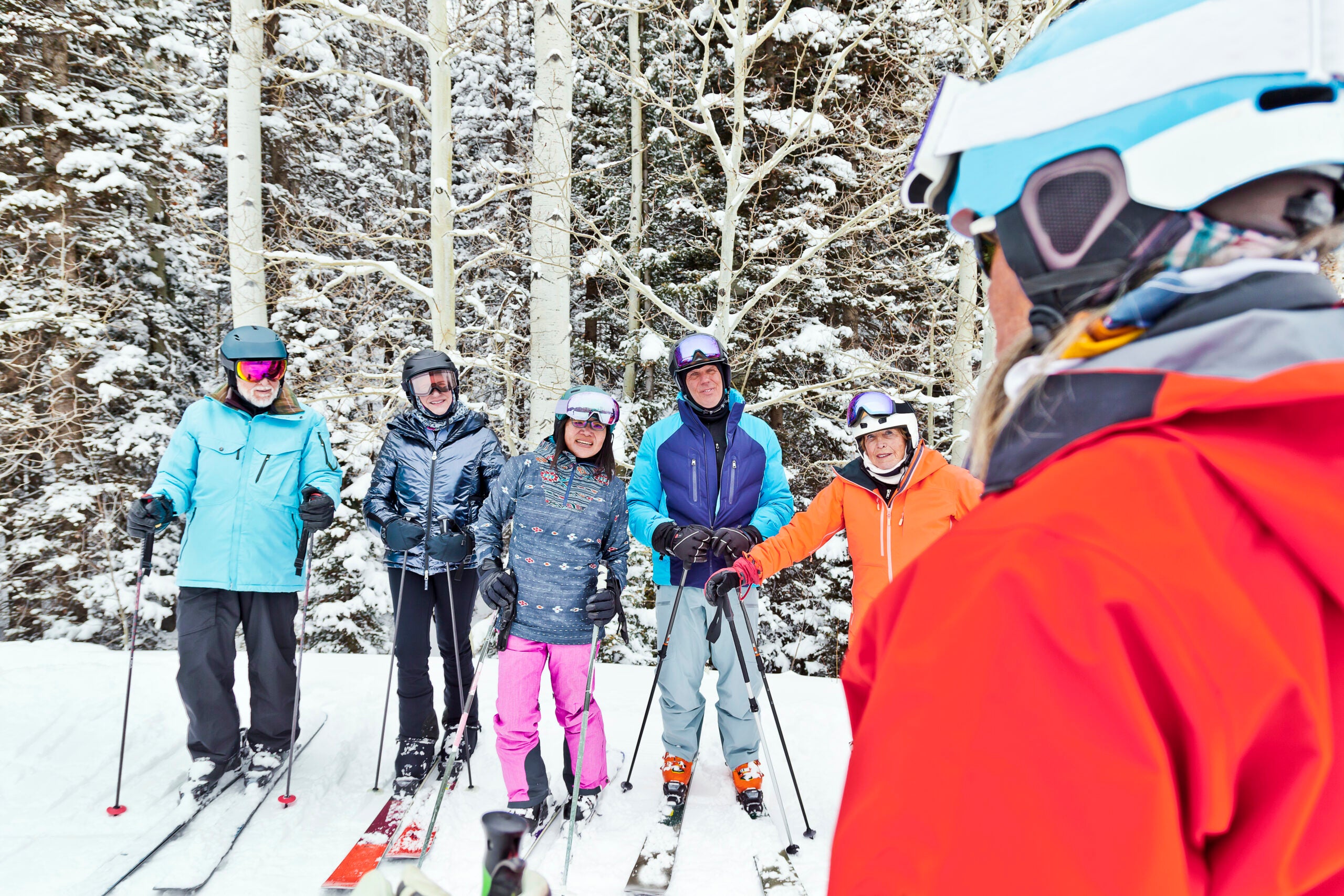
According to safety reports from various mountain regions, a significant portion of on-slope collisions involve skiers who lack a fundamental understanding of mountain etiquette and technical control. Common issues include:
- Inability to control speed: Beginners who have not learned proper braking techniques (the "wedge" or parallel stop) often become human projectiles on crowded runs.
- Poor spatial awareness: Untrained skiers frequently stop in "blind spots," such as underneath rollers or in the middle of narrow cat-tracks.
- Inappropriate terrain choices: Without the guidance of an instructor, novices often find themselves on "Blue" or "Black" terrain that far exceeds their ability level, leading to dangerous "slide-for-life" scenarios.
By making education unaffordable, the industry is effectively subsidizing a less safe environment for all participants. The Skier’s Responsibility Code is frequently cited by resort management, yet the pedagogical path to following that code is guarded by a significant paywall.
The Evolution of the Resort Business Model
To understand how lessons became so expensive, one must look at the evolution of resort economics over the last two decades. The industry has undergone massive consolidation, with companies like Vail Resorts and Alterra Mountain Company acquiring dozens of independent hills.
This consolidation led to the "Low Pass, High Ancillary" model. By selling season passes at a relatively low price point (the "Epic" model), resorts secure guaranteed revenue before the season begins. To make up for the lower margins on lift access, they have aggressively increased prices on "ancillary services," which include dining, parking, rentals, and, most notably, ski school. In this model, the beginner—who is not yet ready for a season pass—ends up paying the highest "per-day" price of any demographic on the mountain.
Innovative Alternatives and the Path Forward
Despite the prevailing trends, some independent resorts are experimenting with models that prioritize long-term growth over immediate lesson revenue. These programs serve as a blueprint for what a more accessible industry might look like.
One notable example is the "3-Class Pass" program offered by Loveland Ski Area in Colorado. This initiative provides beginners with three full days of lessons, equipment rentals, and lift tickets. Upon completion of the third lesson, the participant is awarded a free season pass for the remainder of the year. This model acknowledges that the goal is not to profit from the initial lesson, but to create a lifelong customer who will return to buy food, gear, and future passes.
Other smaller, community-oriented ski hills are focusing on "after-school" programs and multi-week local clinics that offer consistency and affordability. These smaller operations often serve as the "feeder" systems for the larger destination resorts, yet they receive far less investment and industry attention.
Conclusion: A Priorities Problem
The data suggests that the North American ski industry is at a crossroads. The current pricing structure for lessons is optimized for a wealthy, international clientele, but it is failing the domestic beginner. If the sport is to remain relevant in a changing demographic landscape, industry leaders must re-evaluate the role of the ski school.
If lessons were viewed as an investment in infrastructure—much like a new chairlift or a snowmaking system—the pricing could be subsidized to encourage participation. The long-term "lifetime value" of a skier who stays in the sport for 30 years vastly outweighs the $300 profit margin on a single afternoon group lesson.
As the 2026-2027 season approaches, the conversation around accessibility continues to intensify. For the sport to grow, it must become "easier to say yes to." Lowering the barrier to education is not just a matter of fairness; it is a strategic necessity for an industry that cannot afford to lose the next generation of skiers to the high cost of the first turn.
