

The Evolution of Uphill Capacity: Park City’s Historic Upgrade
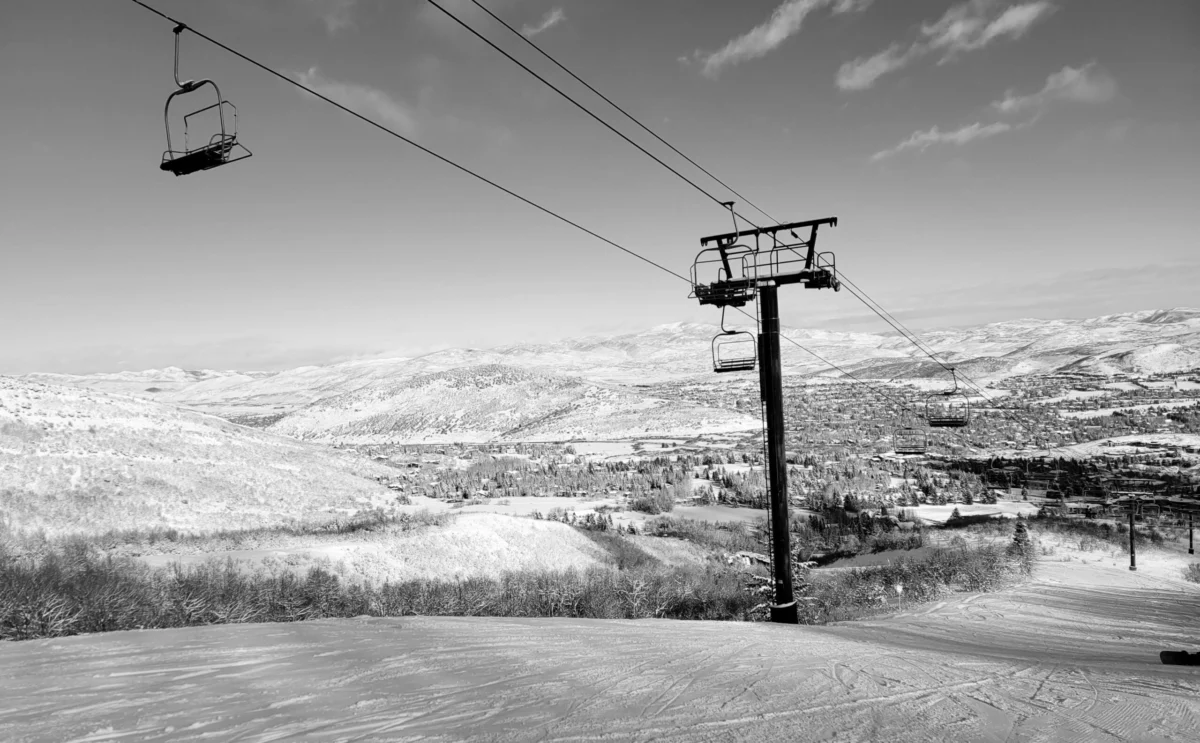
The most scrutinized development of the 2026-2027 season is undoubtedly the overhaul of the lift system at Park City Mountain Resort. After a protracted legal and administrative battle that began in 2022, the resort has finally moved forward with the installation of the Silverlode Express, which will serve as Utah’s first high-speed eight-passenger chairlift. This project, alongside the replacement of the Eagle and Eaglet lifts with a high-speed six-person chair, marks a pivotal moment for the Vail Resorts-owned property.
The history of the Silverlode project is a case study in the complexities of modern resort management. In 2022, a group of local residents successfully appealed the initial permits, arguing that increased uphill capacity would lead to dangerous overcrowding on the downhill trails. The subsequent four-year delay forced the resort to re-evaluate its mountain flow and pedestrian management. The new eight-pack lift is designed to move 4,000 skiers per hour, a significant increase from the previous six-pack’s capacity. This upgrade is intended to alleviate the massive morning "bottleneck" that occurs at the mid-mountain junction, where multiple trails converge.
However, the project remains under the shadow of a final appeal filed by community activists. A ruling expected in August 2026 will determine if construction can proceed as scheduled. If approved, the new Eagle/Eaglet six-pack will also modernize the base area, providing a much-needed boost for the resort’s ski school and beginner programs, which have historically struggled with the slower, aging fixed-grip infrastructure.
Technical Terrain and the Renaissance of Powder Mountain
While Park City focuses on capacity, Powder Mountain in Eden, Utah, is focusing on the "steep and deep." Under the new ownership of Netflix co-founder Reed Hastings, the resort is undergoing a multi-year, $100 million revitalization. The centerpiece for the 2026-2027 season is the opening of the "DMI" (Don’t Mention It) zone. This 1,000-acre expansion into expert-only, technical terrain is being serviced by a new fixed-grip triple chairlift.
The DMI lift is notable not for its speed, but for its engineering. Built by Skytrac, the lift is one of the steepest ever constructed by the manufacturer, designed to transport skiers out of a deep canyon and back to the ridge line. This expansion is part of Powder Mountain’s controversial shift toward a hybrid model that includes "private" skiing for homeowners alongside public access. By opening the DMI zone, the resort aims to solidify its reputation as a destination for serious backcountry-style skiing within a controlled environment. Industry analysts suggest that this move is a direct response to the increasing "Disneyfication" of other major resorts, offering a rugged alternative for the core ski demographic.
Efficiency and Speed: Sun Valley’s Infrastructure Modernization
In Idaho, Sun Valley Resort continues its aggressive modernization of Bald Mountain. For the 2026-2027 season, the resort is replacing the Lookout Express with a high-speed six-person chair. The data behind this upgrade is impressive: the new lift will slash the ride time to just 8.5 minutes, a nearly 30% improvement over the previous machinery.
Simultaneously, the resort is replacing the Christmas Lift—a long-standing fixed-grip quad—with a high-speed quad. These updates are part of a broader master plan to ensure Sun Valley remains competitive with the mega-resorts of the Wasatch and the Rockies. By focusing on "laps per hour," Sun Valley is catering to the high-end traveler who prioritizes time on the snow over time on the chair. This modernization also includes significant investments in snowmaking and glade thinning, ensuring that the new lifts serve high-quality terrain even during low-tide cycles.
Engineering Challenges on the Blackcomb Glacier
North of the border, Whistler Blackcomb is tackling one of the most difficult engineering projects in the industry: the replacement of the Showcase T-bar. For decades, the T-bar was the only way to access the Blackcomb Glacier, but it was frequently closed due to high winds or icing, and its low capacity created long queues.
The new Showcase Chair, a fixed-grip quad, is a radical departure from the old T-bar. Because the glacier is constantly shifting due to climate change, engineers could not anchor the lift towers into the ice. Instead, the towers are being bolted into exposed bedrock "islands" within the glacier field. This project represents a significant investment in the resort’s high-alpine infrastructure, making the legendary Blackcomb Glacier accessible to intermediate skiers who may have struggled with the technical difficulty of a T-bar. The new lift is expected to increase the hourly capacity of the zone by over 200%, effectively opening up a "third mountain" of terrain for the average guest.
Homewood’s New Direction and the Gondola Solution
At Lake Tahoe, Homewood Mountain Resort is entering a new era. After years of speculation regarding whether the resort would go private, the owners have moved forward with a public-access master plan centered around a new eight-person gondola. Replacing the aging Madden triple chair, the gondola will serve as the primary artery from the base area to a new mid-mountain lodge.
The transition to a gondola is a strategic move to turn Homewood into a year-round destination. The enclosed cabins will provide a more comfortable experience during Tahoe’s notorious wind events and will eventually support summer sightseeing and dining. This development is seen as a compromise between the resort’s need for modernization and the local community’s desire to keep the mountain accessible. The new mid-mountain lodge, scheduled to open shortly after the gondola, will provide much-needed amenities in a location that offers some of the best lake views in the region.
Sustainability Through Modernization: The Powderhorn Model
In Western Colorado, Powderhorn Mountain Resort is celebrating its 60th anniversary with a project that highlights the growing trend of "recycled" infrastructure. The resort is replacing its 1972 West End double chair with the "Wild West Express," a high-speed quad.
Interestingly, the Wild West Express is not a brand-new build. The lift was formerly the Elk Camp chair at Aspen Snowmass. Powderhorn purchased the lift and is currently overseeing a total refurbishment, including a new electrical drive system, new grips, and modernized terminals. This approach is gaining traction in the industry as a more sustainable and cost-effective way for smaller, independent resorts to offer high-speed technology. For Powderhorn, the new lift will cut the ride time in half, fundamentally changing the way locals ski the mountain’s famous glades and aspen groves.
Deer Valley’s Massive Expansion: The Hail Peak Express
Finally, the most expansive project in North America continues at Deer Valley, Utah. Under the "Expanded Excellence" master plan, the resort is in the process of more than doubling its skiable acreage. The 2026-2027 season marks the debut of the Hail Peak Express, a high-speed chairlift that will open 200 new acres and seven named runs on the resort’s eastern flank.
This project is part of a larger 3,700-acre expansion that will eventually include a new base village (East Village) and over a dozen new lifts. The Hail Peak Express is strategically positioned to connect the new terrain with the existing mountain pods, ensuring a seamless flow for skiers. By the time the expansion is complete, Deer Valley will encompass 4,500 acres, placing it among the largest ski resorts in the United States. This growth is a direct challenge to the nearby Park City Mountain Resort and represents a massive bet on the continued growth of the luxury ski market in the Wasatch Range.
Chronology of Development and Industry Impact
The timeline for these projects typically spans three to five years, from initial permit filing to the first public ride. The 2026-2027 season is the culmination of a construction boom that began following the 2021-2022 season, which saw record-breaking skier visits across North America.
- 2022-2023: Initial planning and environmental impact studies.
- 2024-2025: Legal hurdles and permit approvals (most notably at Park City and Homewood).
- Summer 2026: Peak construction, including helicopter tower placements and terminal installations.
- November/December 2026: Grand openings and ribbon-cutting ceremonies.
The broader implications of these upgrades are significant. Increased uphill capacity generally leads to higher ticket and pass prices as resorts look to recoup their multi-million dollar investments. However, the improvements in skier flow and terrain access are essential for the industry’s long-term viability. As climate change continues to impact lower-elevation resorts, the push toward high-altitude terrain (as seen at Whistler and Powder Mountain) and more efficient snowmaking-supported lifts (as seen at Sun Valley) is a necessary adaptation.
Furthermore, the 2026-2027 season demonstrates a clear divide in the industry: the "Mega-Resorts" (Vail and Alterra) are focusing on high-capacity technology to manage crowds, while "Boutique" or independent resorts (Powder Mountain and Powderhorn) are focusing on terrain exclusivity and sustainable modernization. Regardless of the resort’s size, the message for the upcoming winter is clear: the North American ski experience is being rebuilt from the ground up, one chairlift at a time.
