

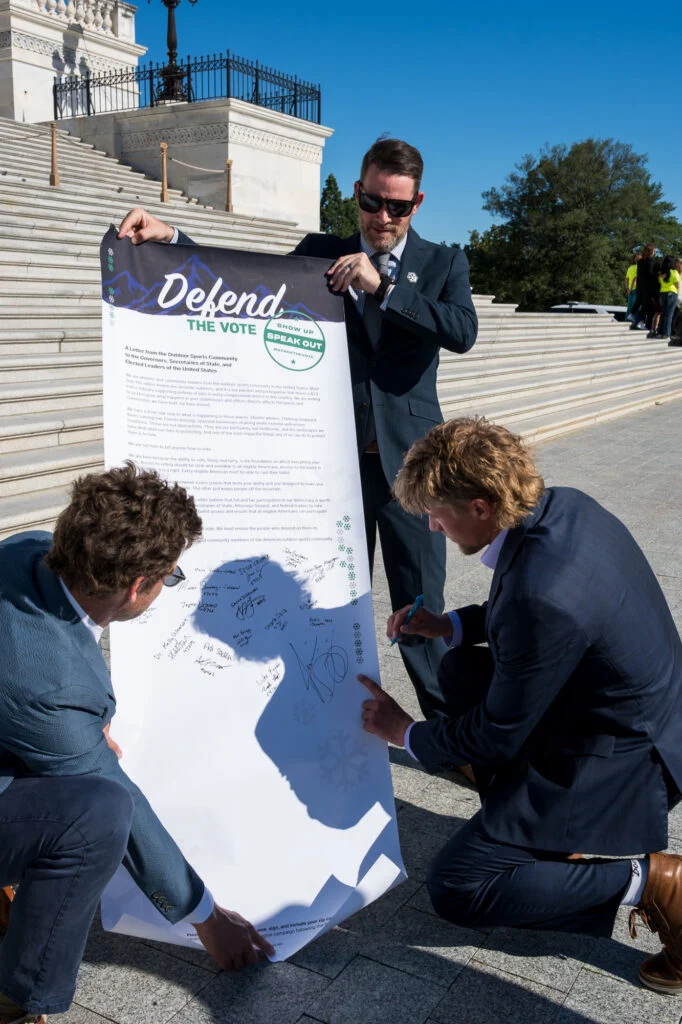
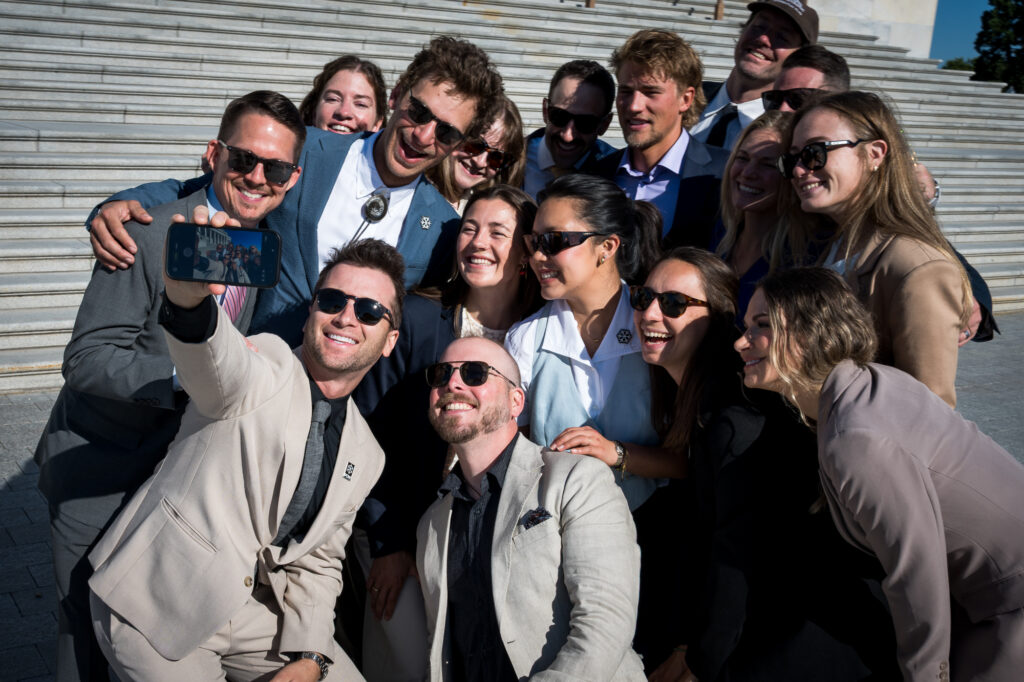
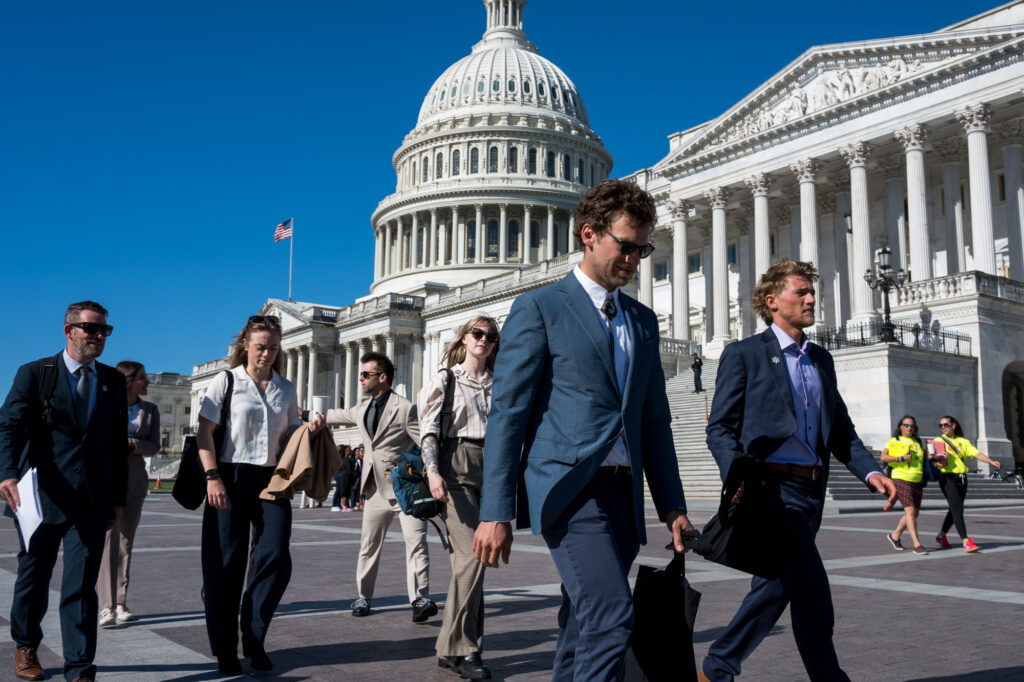
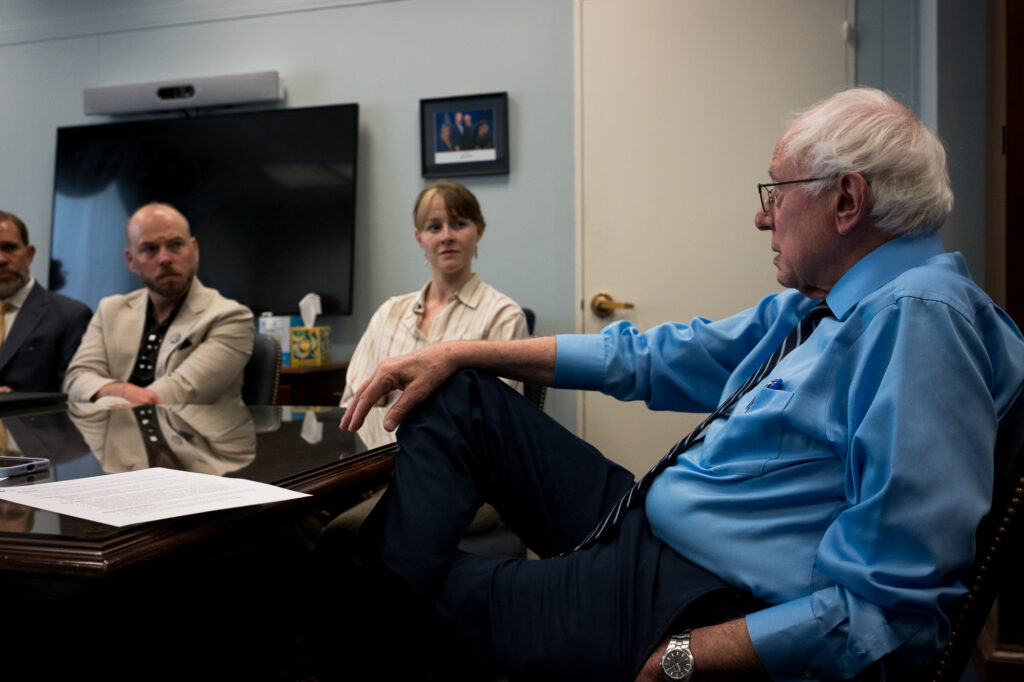
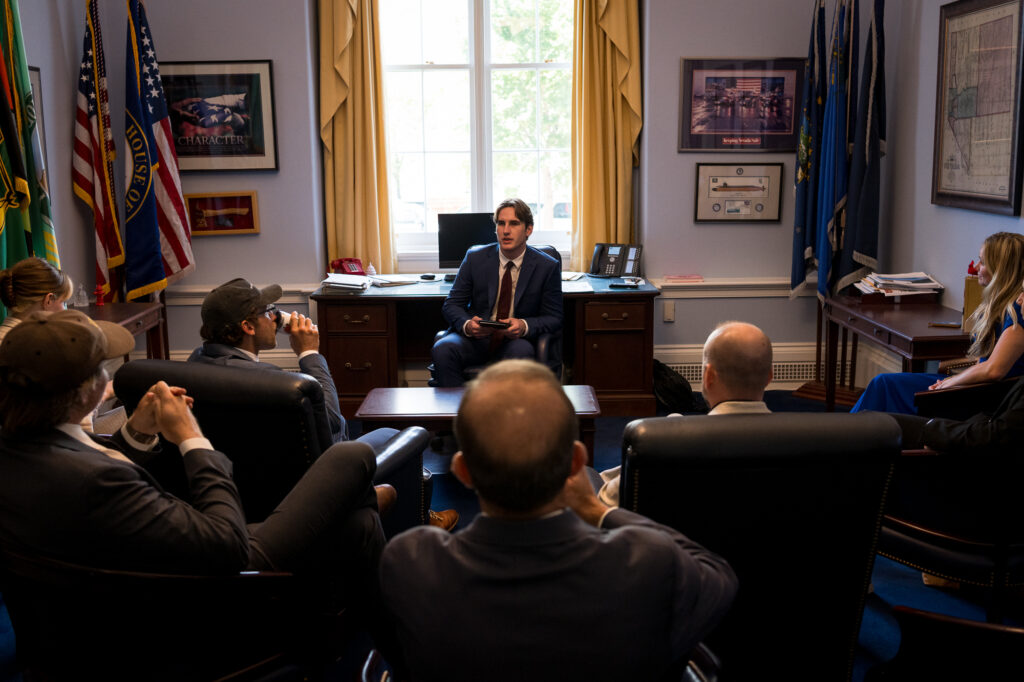
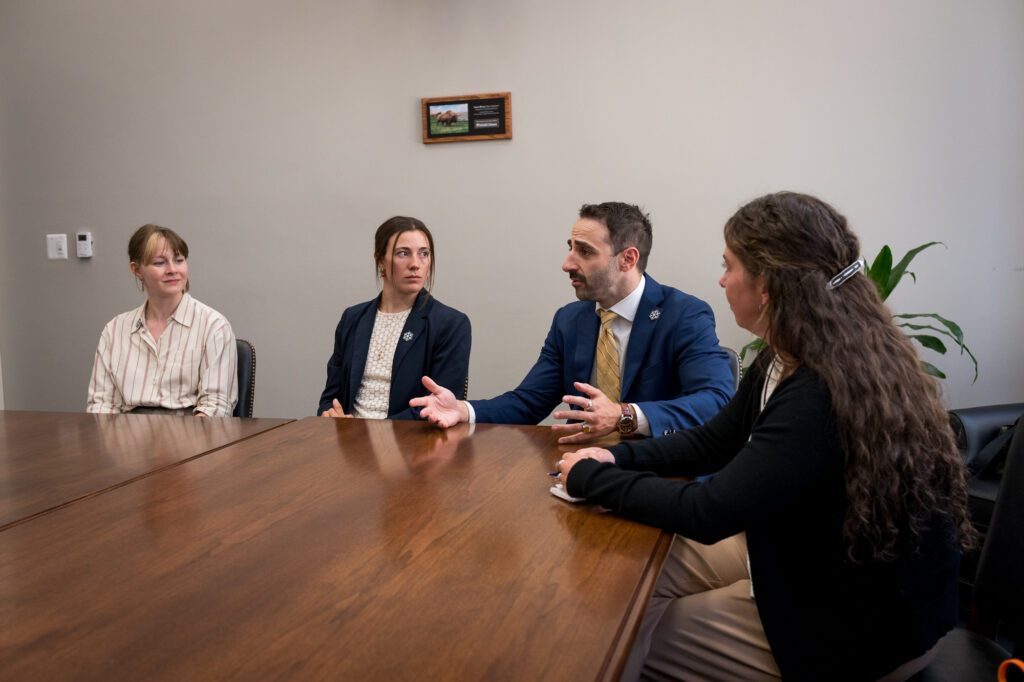
Last week, a specialized delegation organized by the advocacy group Protect Our Winters (POW) arrived in Washington, D.C., to engage in a series of high-stakes legislative meetings aimed at reversing recent environmental deregulatory trends. The group, which included 13 Olympic athletes, prominent climate scientists, award-winning filmmakers, and outdoor industry executives, conducted 38 meetings over two days with congressional offices and staff. This mobilization, representing what the organization calls the "Outdoor State," sought to address the systemic dismantling of environmental protections and the expansion of fossil fuel extraction on federal lands. The delegation’s presence on Capitol Hill comes at a critical juncture for U.S. environmental policy, as federal agencies grapple with a rapidly changing regulatory landscape and increasing pressure to prioritize industrial development over conservation.
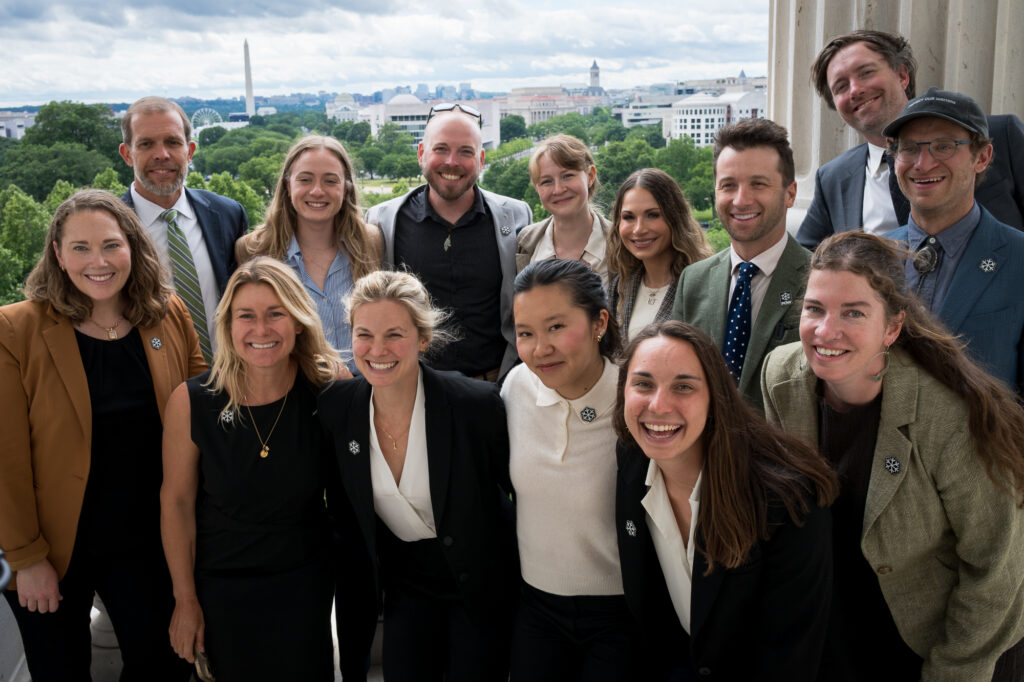
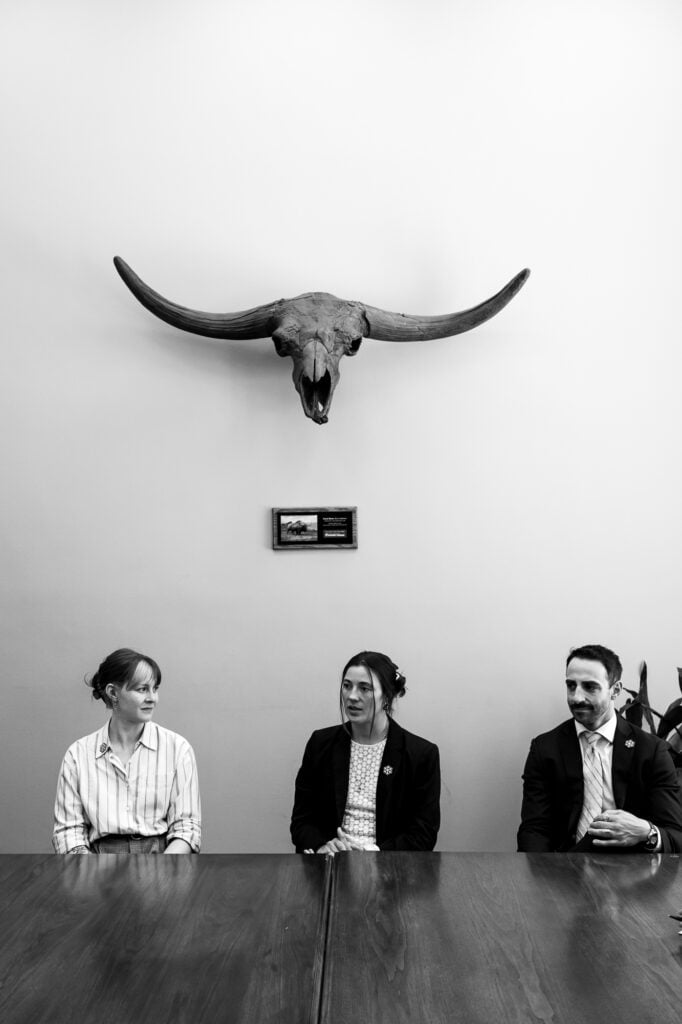
The delegation was composed of a diverse array of stakeholders within the outdoor community. Among the athletes were Olympic gold medalist Jessie Diggins, alongside fellow Olympians Julia Kern, Jaelin Kauf, Gus Schumacher, Bea Kim, and Olivia Giaccio. They were joined by professional skier Brody Leven, scientists Dr. Stu Nissenbaum and Dr. Tracy Fanara, and creative professionals Max Lowe, Chris Shane, and Mike Thurk. Jamey Delaplane, a board member for the POW Action Fund, provided additional policy expertise. This coalition targeted both sides of the aisle, holding 15 meetings with Republican offices and 23 with Democratic offices, including significant sessions with members of the House Natural Resources Committee and Senate leadership.
Restoring the Mandate of the Environmental Protection Agency
A primary objective of the POW delegation was to address the aggressive deregulation of the Environmental Protection Agency (EPA). Since the beginning of 2025, the federal government has moved to weaken or eliminate more than 50 core environmental protections. These rollbacks have affected a wide range of sectors, from methane emission standards for oil and gas operations to the enforcement of the Clean Water Act and the Clean Air Act. The delegation argued that these actions have sidelined scientific consensus, weakened federal enforcement capabilities, and led to a measurable increase in industrial pollution.
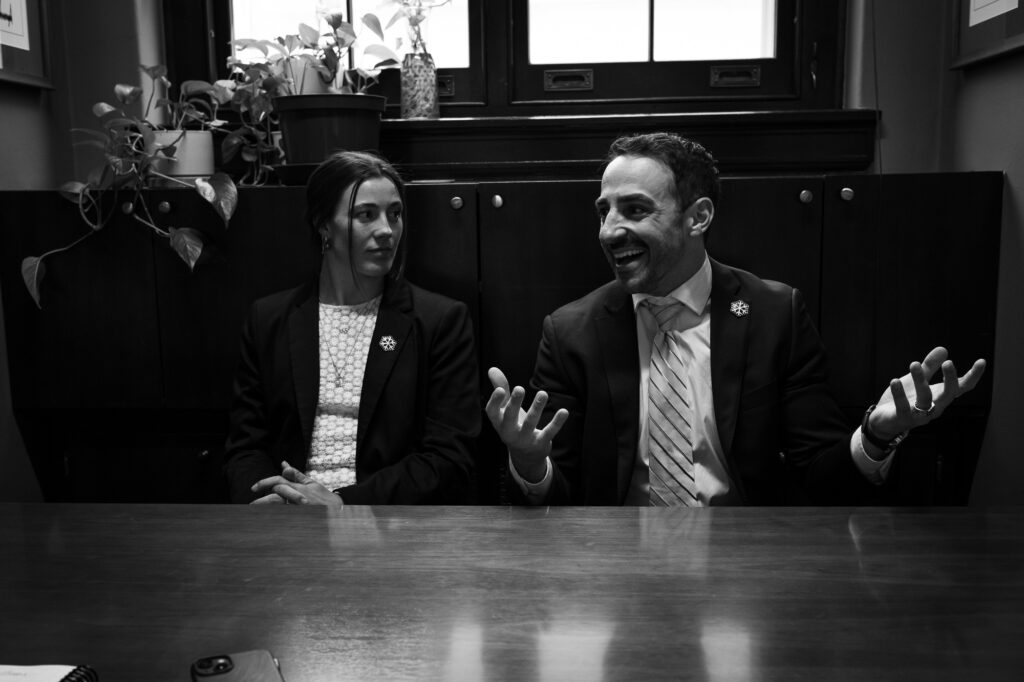
The inclusion of Dr. Stu Nissenbaum, a former EPA scientist, provided the group with a high degree of technical credibility. Nissenbaum and the delegation met with lawmakers to demand concrete steps toward restoring the EPA’s original mission: protecting public health and the environment. During these sessions, the group presented evidence on how the removal of pollution regulations directly impacts the outdoor economy—a sector that, according to the Bureau of Economic Analysis, contributes over $1.1 trillion to the U.S. economy annually and supports nearly five million jobs.
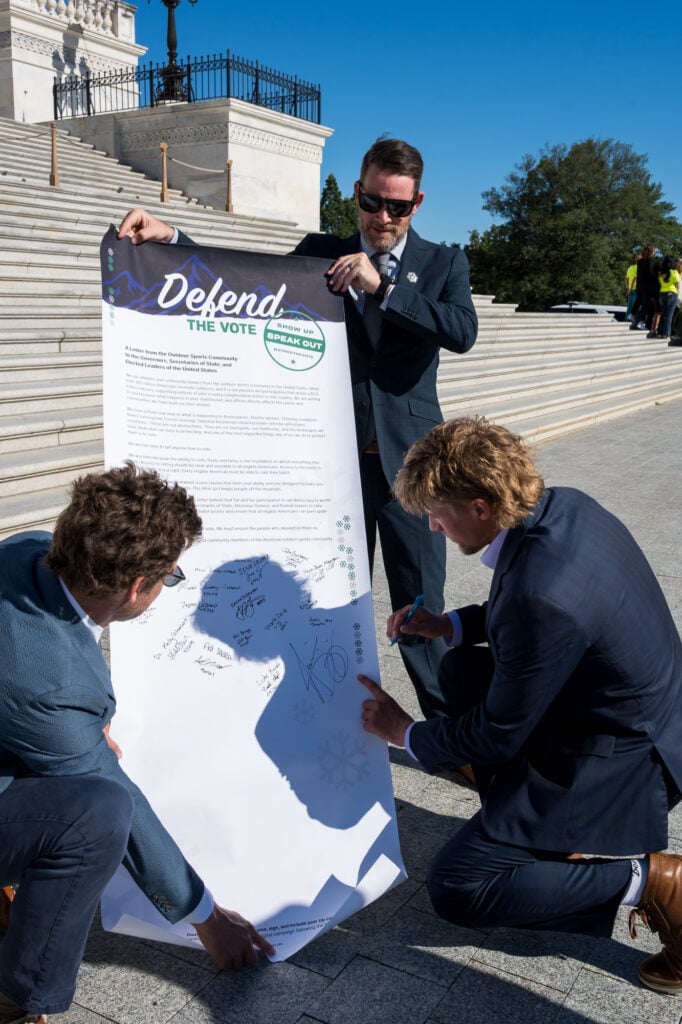
The delegation’s messaging centered on the idea that clean air and water are non-partisan infrastructure requirements for healthy communities. By framing environmental health as the foundation of the outdoor recreation industry, the group attempted to move the conversation beyond ideological divides. They specifically asked lawmakers how they intended to re-establish science-based decision-making within federal agencies and what legislative mechanisms could be used to hold polluters accountable for environmental degradation.
Confronting Fossil Fuel Expansion on Iconic Public Lands
The second pillar of the delegation’s advocacy focused on the protection of public lands from industrialization. The current administration has moved aggressively to expand oil and gas leasing across several sensitive landscapes. A significant point of contention discussed in the meetings was the recent lease sale in the National Petroleum Reserve-Alaska (NPR-A), which resulted in 187 leases covering approximately 1.3 million acres. Furthermore, the delegation raised alarms regarding the Coastal Plain of the Arctic National Wildlife Refuge, where lease bids were opened in early June 2026.
The delegation urged Congress to reject further attacks on public lands and to oppose the expansion of drilling in the Arctic. Central to this effort was the promotion of the Arctic Refuge Protection Act, which advocates view as the most robust long-term tool to prevent the industrialization of one of the world’s last remaining pristine wilderness areas. The athletes in the group, many of whom rely on stable winter climates and preserved landscapes for their training and livelihoods, shared personal accounts of the changes they have observed in the natural world.
Gus Schumacher, a member of the POW Ski Alliance, emphasized the common ground found during these discussions. He noted that while different political factions may have varying strategies for resource management, the underlying value of protecting air, water, and habitats remains a shared priority for the majority of the American public. The delegation argued that public lands should be managed as assets for climate mitigation—such as carbon sequestration and wildfire buffers—rather than solely as sites for extractive industry.
The Economic and Cultural Power of the Outdoor State
The "Outdoor State" is a concept utilized by Protect Our Winters to unify the 175 million Americans who participate in outdoor recreation. By bringing this constituency to the halls of power, POW aims to demonstrate that outdoor enthusiasts are a potent and engaged voting bloc. The delegation highlighted that the health of public lands is inextricably linked to the economic stability of "gateway towns"—rural communities that serve as entry points to national parks and forests. These towns are often the first to suffer from the effects of climate-driven crises, such as prolonged droughts, decreased snowpack, and catastrophic wildfires.
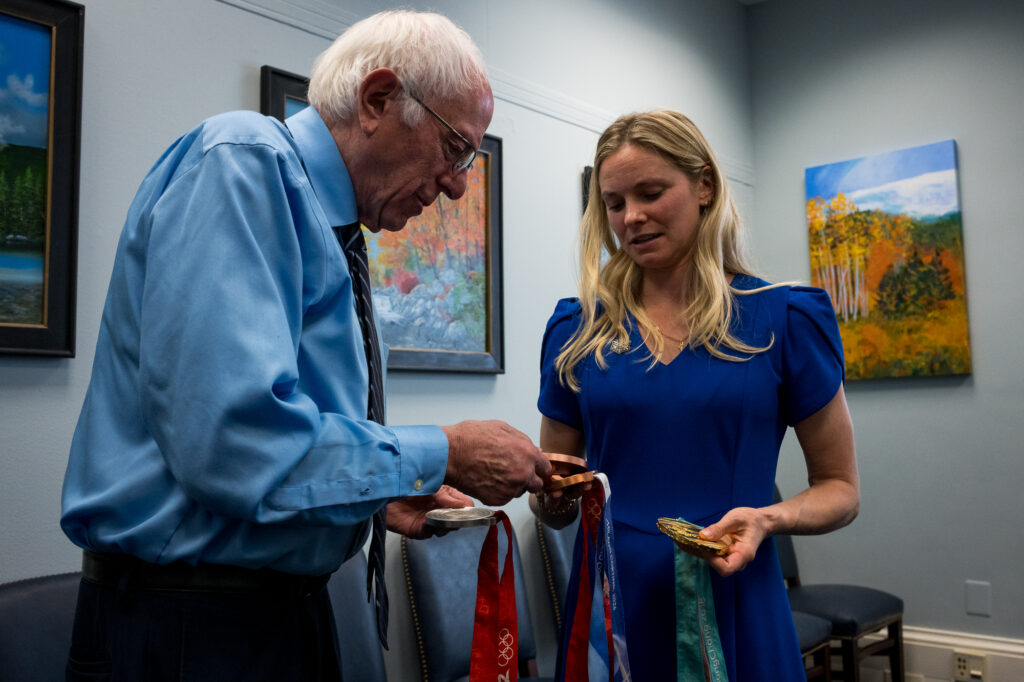
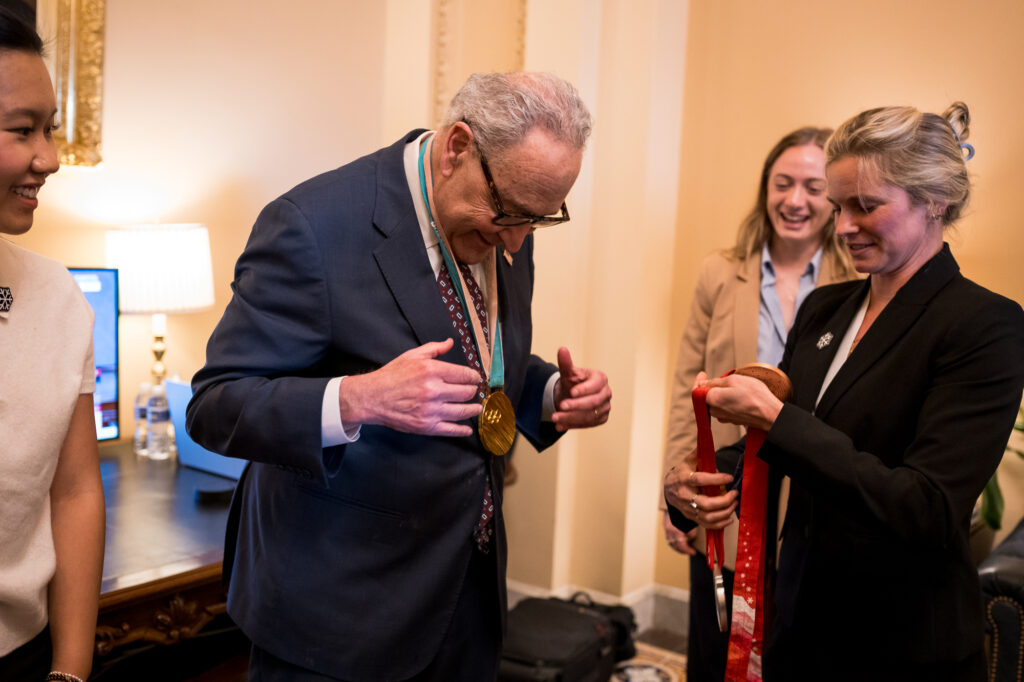
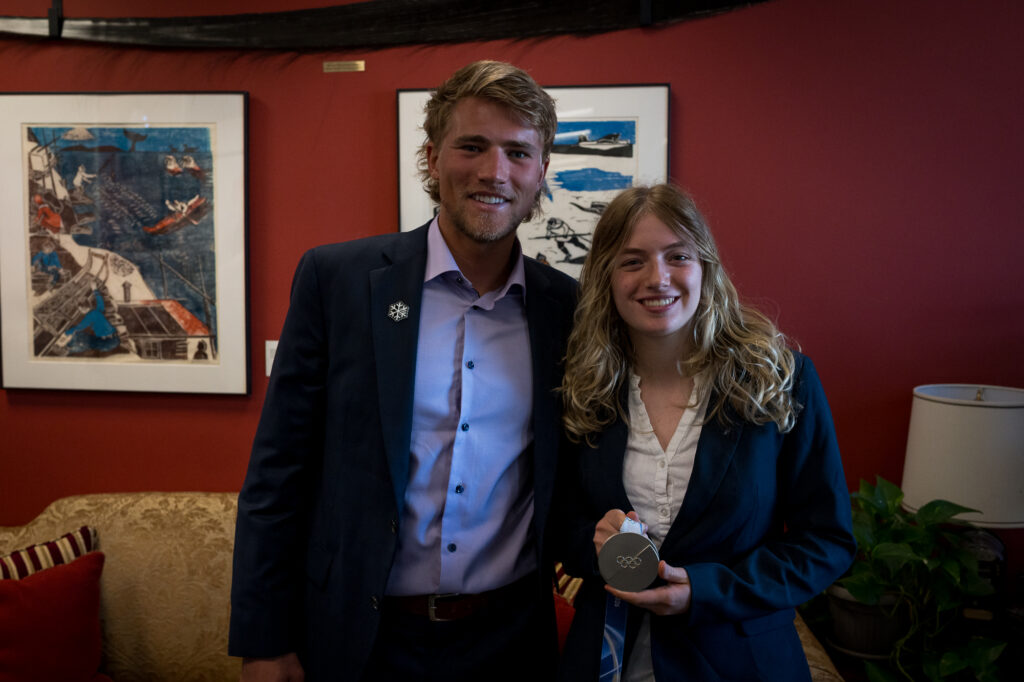
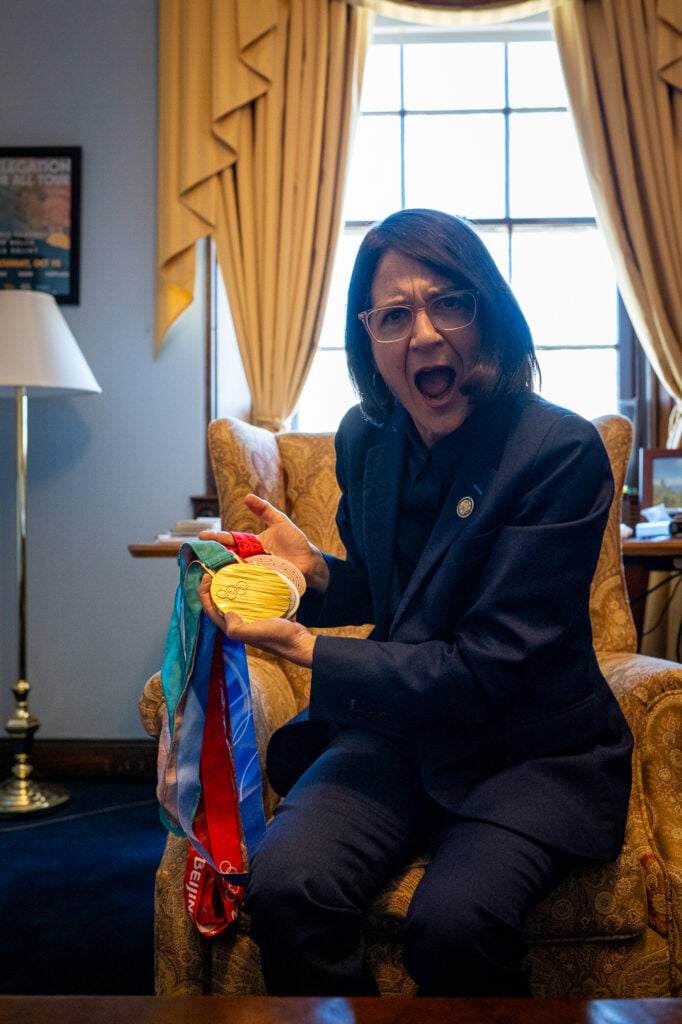
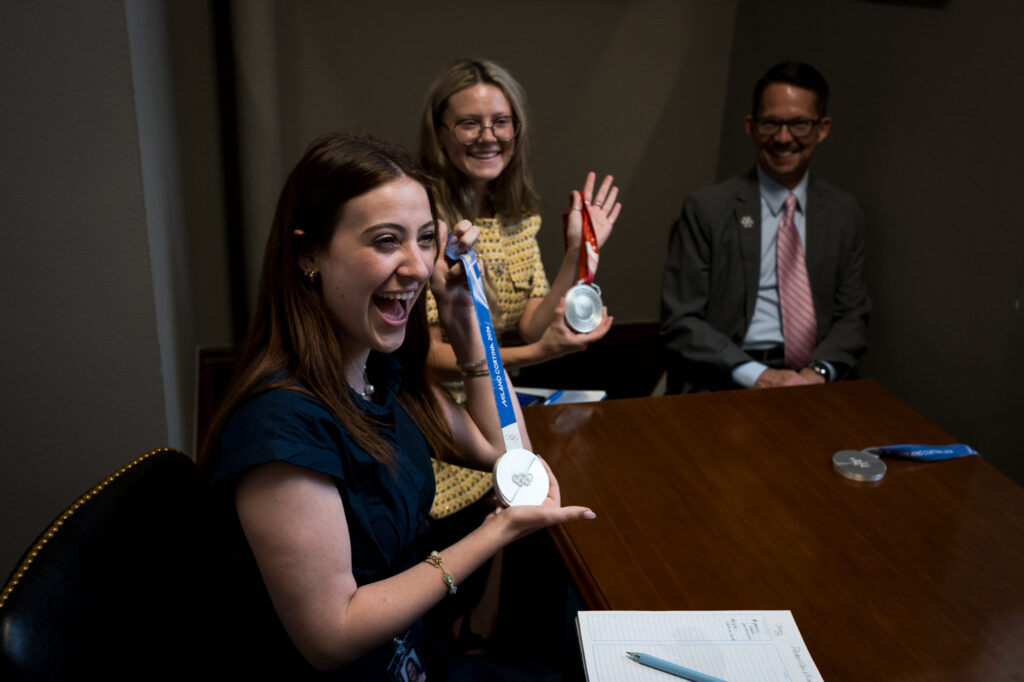
The presence of Olympic athletes provided a unique "soft power" advantage during the lobbying efforts. Observers noted that lawmakers and staff were visibly engaged when interacting with athletes like Jessie Diggins, who shared her Olympic medals while discussing the tangible threat climate change poses to the future of winter sports. This personal connection helped to humanize the data provided by the Science Alliance members, creating a more comprehensive narrative about the stakes of environmental policy.
Max Lowe, a member of the POW Creative Alliance, reflected on the complexities of the legislative process following the trip. He observed that while the pace of government can be frustratingly slow, the direct engagement of citizens and representatives is essential for ensuring the "greater good" is upheld over the long term. Lowe suggested that while the urgency of the climate crisis demands rapid action, the "slow way" of building relationships and changing minds through persistent advocacy is often the most durable path to systemic reform.
Analysis of Implications and Future Legislative Outlook
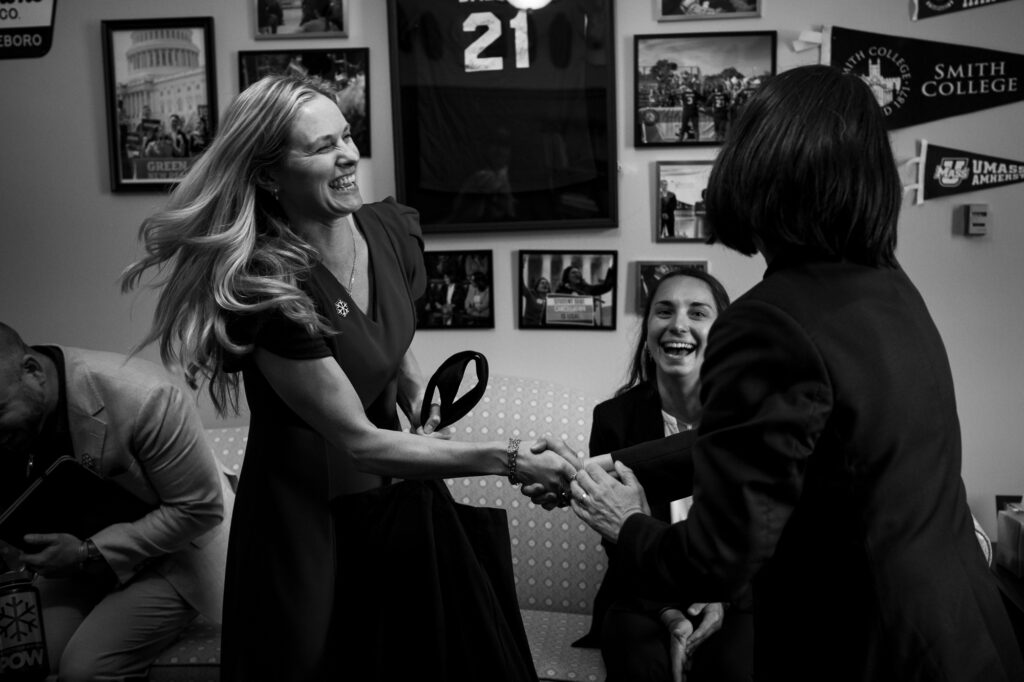
The timing of this delegation is significant as it precedes several major budget and appropriations cycles where the funding for federal environmental agencies will be decided. The 38 meetings conducted by POW represent a strategic effort to influence the legislative agenda before the upcoming mid-term elections. By engaging with 15 Republican offices, POW is attempting to reposition climate change and land conservation as issues of national security and economic resilience, rather than purely partisan environmentalism.
The focus on the Arctic Refuge Protection Act suggests a shift in strategy toward permanent legislative safeguards rather than relying on executive orders, which can be easily overturned by successive administrations. If the delegation’s efforts result in increased bipartisan support for public land protections, it could signal a turning point in how the outdoor industry exerts its influence in Washington.
The broader impact of this advocacy trip lies in its potential to bridge the gap between scientific expertise and public policy. By pairing climate scientists with high-profile athletes, Protect Our Winters has created a model for advocacy that is both data-driven and culturally resonant. As the federal government continues to navigate the tension between energy production and environmental conservation, the voices of the "Outdoor State" are likely to become increasingly central to the national discourse.
Conclusion and Strategic Takeaways
The two-day action on Capitol Hill concluded with a clear message to Congress: the outdoor community is paying close attention to the decisions made behind closed doors. The delegation successfully utilized the non-partisan appeal of public lands to open doors that are often closed to environmental advocates. The primary takeaways from the mission include the effectiveness of first-hand scientific expertise in policy discussions and the growing political influence of the outdoor recreation sector.
For the guides, outfitters, hunters, anglers, and small business owners who depend on a stable climate, the stakes could not be higher. Protect Our Winters has signaled that it will continue to amplify these voices, ensuring that the protection of public lands and the restoration of environmental regulations remain at the forefront of the congressional agenda. As the effects of climate change become more pronounced, the intersection of sport, science, and policy will remain a critical battlefield for the future of the American landscape.
