

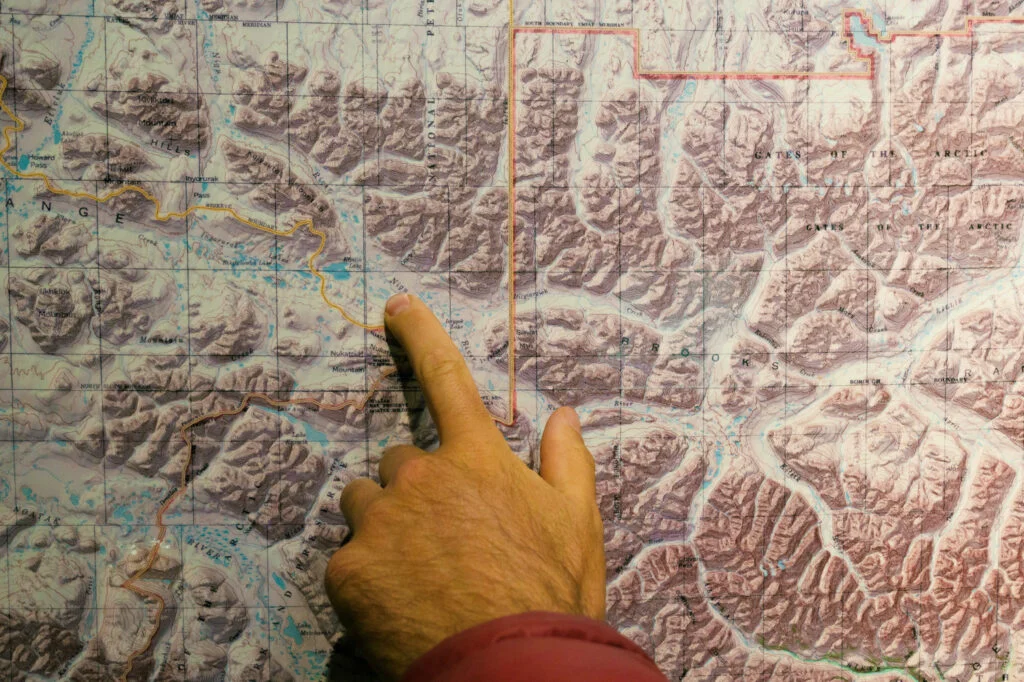
The federal government officially initiated the first of five mandated oil and gas lease sales in the western portion of Alaska’s North Slope on March 18, marking a significant milestone in the management of the National Petroleum Reserve-Alaska (NPR-A). This move, which opens approximately 5.5 million acres to potential industrial development, represents a pivotal moment in the century-long history of the region. The sale includes the Teshekpuk Lake wetlands, an area of global ecological importance that has been the subject of decades of protective measures and intense regulatory debate. As the Bureau of Land Management (BLM) moves forward with these proceedings, the intersection of national energy security, economic interests, and environmental preservation has once again become a focal point of federal policy.
Historical Foundations of the National Petroleum Reserve
The origins of the NPR-A date back to the early 20th century, a period defined by the United States Navy’s transition from coal-fired engines to oil-burning vessels. Recognizing the strategic necessity of a reliable domestic fuel supply, President Warren G. Harding signed an executive order in 1923 that designated 23 million acres of Alaska’s North Slope as "Naval Petroleum Reserve No. 4." At the time, geologists had identified significant oil seeps along the Arctic coast, suggesting that the region held vast untapped reserves. Alaska, then a territory coming off the fervor of the gold rush, was viewed primarily as a resource colony, leading to the withdrawal of the land from all other forms of entry or use.
The designation remained largely a military asset until 1976, when Congress passed the National Petroleum Reserves Production Act (NPRPA). This legislation transferred management of the land from the Department of the Navy to the Department of the Interior. However, the "petroleum reserve" nomenclature was retained, and the area was renamed the National Petroleum Reserve-Alaska. This bureaucratic continuity has had lasting implications for how the land is perceived and managed. While the name suggests a singular purpose—resource extraction—the 22-million-acre block is also the largest contiguous piece of public land in the United States, containing diverse ecosystems that predate the political boundaries established in the 1920s.
The history of the reserve is also intertwined with broader political narratives. President Harding’s administration was famously overshadowed by the Teapot Dome scandal, which involved his Secretary of the Interior, Albert Bacon Fall, accepting bribes for the leasing of oil rights in Wyoming’s Naval Petroleum Reserve No. 3. This historical context underscores the long-standing tension between the administration of public lands and the commercial interests of the energy sector.
Ecological Significance and the Teshekpuk Lake Wetlands
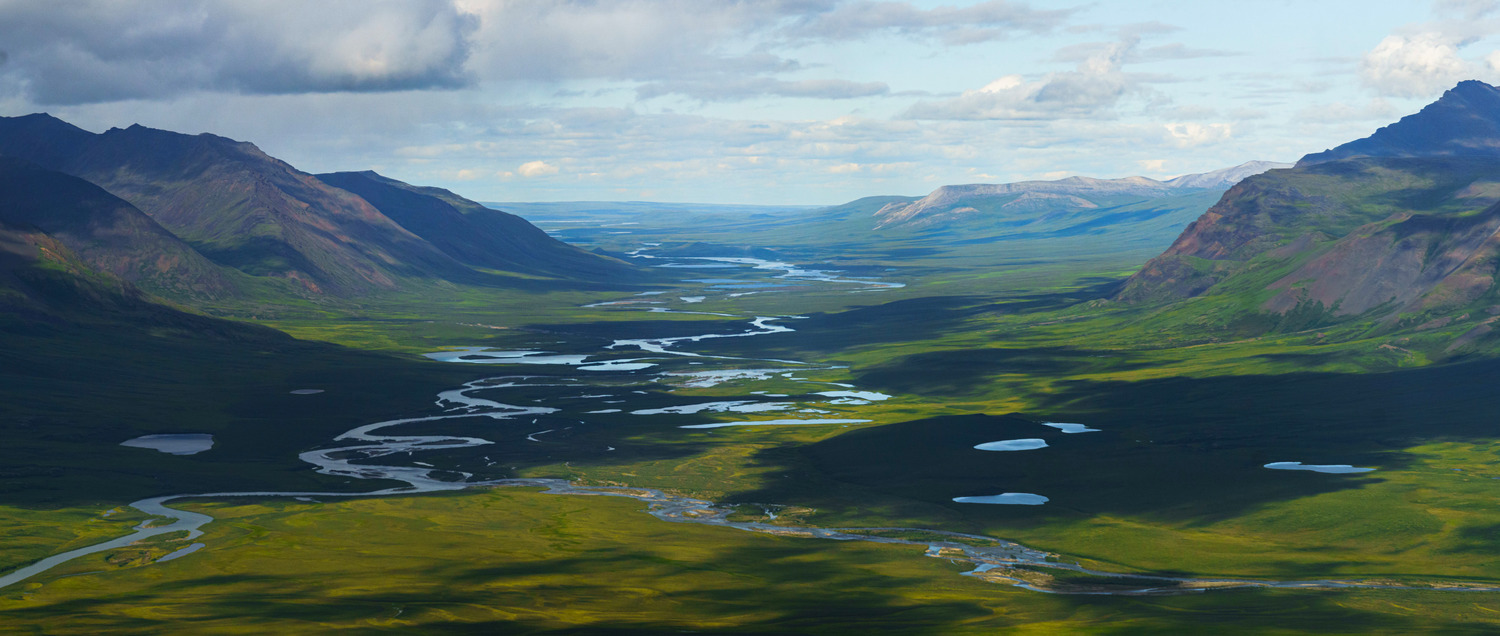
Despite its industrial name, the NPR-A is an ecological powerhouse. It is home to an estimated 5.4 million aquatic birds during the summer nesting season, drawing species from six different continents and every state in the U.S. The Teshekpuk Lake area, which is included in the current lease sale, is widely considered the most critical habitat within the reserve. It serves as the primary calving ground for the Teshekpuk Lake caribou herd, which numbers in the tens of thousands and provides a vital subsistence resource for North Slope communities.
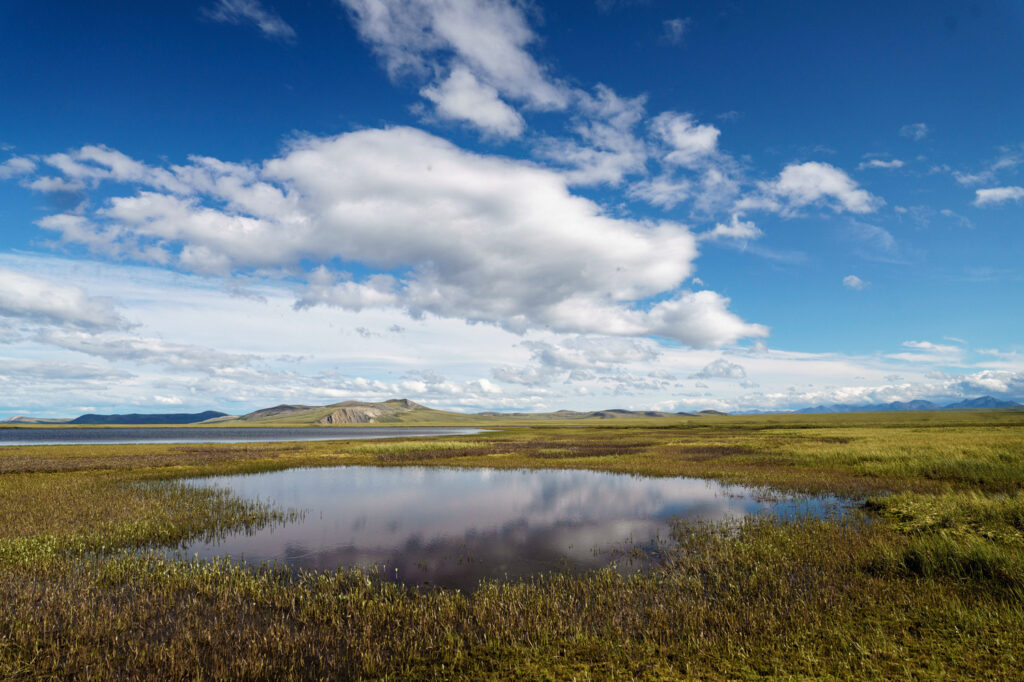
Furthermore, the lake and its surrounding wetlands offer essential molting habitat for migratory waterfowl, including several species of geese and loons. For decades, various administrations maintained protections for the Teshekpuk Lake Special Area to prevent industrial disturbance. The current shift toward leasing these lands represents a departure from previous conservation strategies, raising concerns among biologists about the potential fragmentation of habitat and the disruption of long-established migration routes. Unlike the contiguous United States, where development has historically carved up wild spaces into isolated pockets, the Arctic remains one of the few places where ecosystems function with relative wholeness.
Economic Projections and Energy Resource Data
The push for increased leasing in the Western Arctic is driven by data suggesting substantial undiscovered recoverable oil. According to assessments by the United States Geological Survey (USGS), the Northern Alaska region may contain nearly half of all undiscovered recoverable oil on federal lands in the country. Specific to the NPR-A, technical estimates suggest the presence of approximately 900 million barrels of technically recoverable conventional oil.
The economic viability of extracting these resources, however, remains a subject of scrutiny. Arctic oil is among the most expensive fossil fuels to produce globally, requiring massive investments in infrastructure, including pipelines, roads, and specialized drilling equipment capable of operating in extreme permafrost conditions. Furthermore, the global energy market and the rise of renewable energy sources have introduced a layer of financial uncertainty. Proponents of the sales argue that these resources are essential for long-term energy independence and state revenue, while critics point out that the high cost of production often requires significant public subsidies to remain competitive.
Chronology of Modern Development and Infrastructure Projects
The current lease sale is not an isolated event but part of a broader, multi-decade strategy for North Slope development. The following timeline outlines the convergence of projects currently reshaping the region:
- 1977: Completion of the Trans-Alaska Pipeline System (TAPS), allowing for the transport of oil from Prudhoe Bay.
- 2017–2020: Regulatory shifts emphasize "expeditious" leasing programs in the NPR-A, moving toward opening previously protected areas like Teshekpuk Lake.
- 2023: The approval of the Willow Project, a major oil development by ConocoPhillips located within the NPR-A. Willow is estimated to produce roughly 600 million to 750 million barrels of oil over its 30-year lifespan.
- 2024–2026: Implementation of the mandated five lease sales over a ten-year period, as established by federal law.
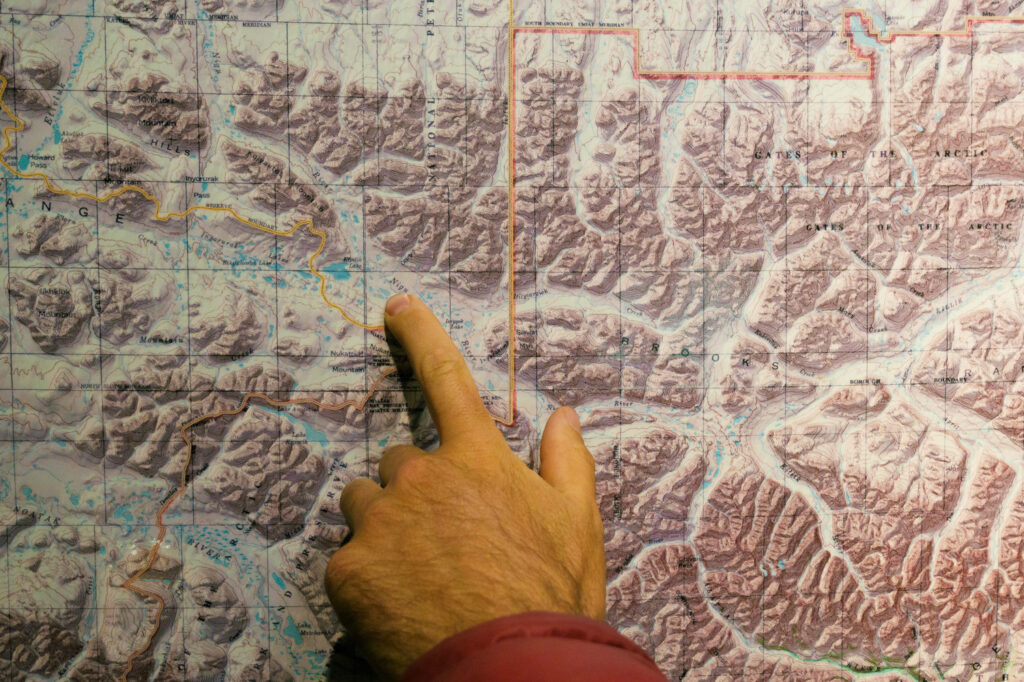
- Ongoing: Development of the Ambler Road project, a proposed 211-mile industrial corridor designed to provide access to mineral deposits in the Brooks Range.
These projects are often debated as separate entities, but they are geographically and logistically linked. The infrastructure built for one project—such as the Dalton Highway or the Willow pipelines—inevitably facilitates the expansion of others, creating a cumulative footprint across the Arctic landscape.
Regional and Global Climate Context
The Arctic is warming at a rate three to five times faster than the global average, a phenomenon known as Arctic amplification. This rapid warming has led to the melting of permafrost, which threatens existing infrastructure and releases stored carbon into the atmosphere. The federal government’s decision to expand oil and gas leasing in this region occurs against a backdrop of increasing international pressure to reduce carbon emissions.
For Alaska, the stakes are particularly high. The state’s economy has historically been dependent on oil revenue, which funds the majority of its public services. However, an anemic state budget and fluctuating global prices have created a sense of urgency to find new sources of production. Environmental advocates argue that the long-term costs of climate-related damage and the loss of biodiversity outweigh the short-term economic gains of Arctic drilling.
Stakeholder Perspectives and Official Responses
The reaction to the opening of the NPR-A lease sales has been sharply divided. Industry groups and many Alaska state officials have welcomed the move, citing the potential for job creation and the strengthening of the domestic energy supply.
"The National Petroleum Reserve was created specifically for the purpose of energy production," noted proponents during previous public comment periods. "Opening these lands ensures that Alaska continues to play a vital role in the nation’s energy security while providing the economic foundation our state requires."
Conversely, conservation organizations and Indigenous groups have expressed concern over the lack of long-term planning for the region’s ecological health. Representatives from environmental non-profits have argued that the "petroleum reserve" label is a relic of a bygone era that fails to account for modern scientific understanding of the Arctic’s role in global climate stability. They emphasize that once the "last whole place" is fragmented by roads and drilling pads, its original character cannot be restored.
Broader Impacts and the Future of Arctic Governance
The legal machinery currently in motion ensures that more lease sales will follow in the coming years. However, the long-term outcome of these sales depends on the "capital horizons" of energy companies. Major oil corporations typically operate on 30-year cycles, meaning their investment decisions today are based on their predictions of the political and economic climate of the 2050s.
The uncertainty of future federal administrations and evolving environmental regulations are factored into the financial break-even points for Arctic projects. If the social and political cost of Arctic drilling continues to rise, the actual development of these leases may be slower than the government’s "expeditious" timeline suggests.
In conclusion, the opening of lease sales in Alaska’s Western Arctic is more than a simple transfer of mineral rights; it is a profound exercise in land-use policy that tests the limits of the 1923 "petroleum reserve" designation. As the federal government balances the mandate for resource extraction with the reality of a changing climate and the value of intact ecosystems, the NPR-A remains a primary theater for the ongoing struggle over the future of American public lands. The names given to these lands—Refuge, Reserve, Park, or Preserve—are political instruments, but the geology and biology they encompass remain a singular, connected reality that will be shaped for generations by the decisions made today.
