

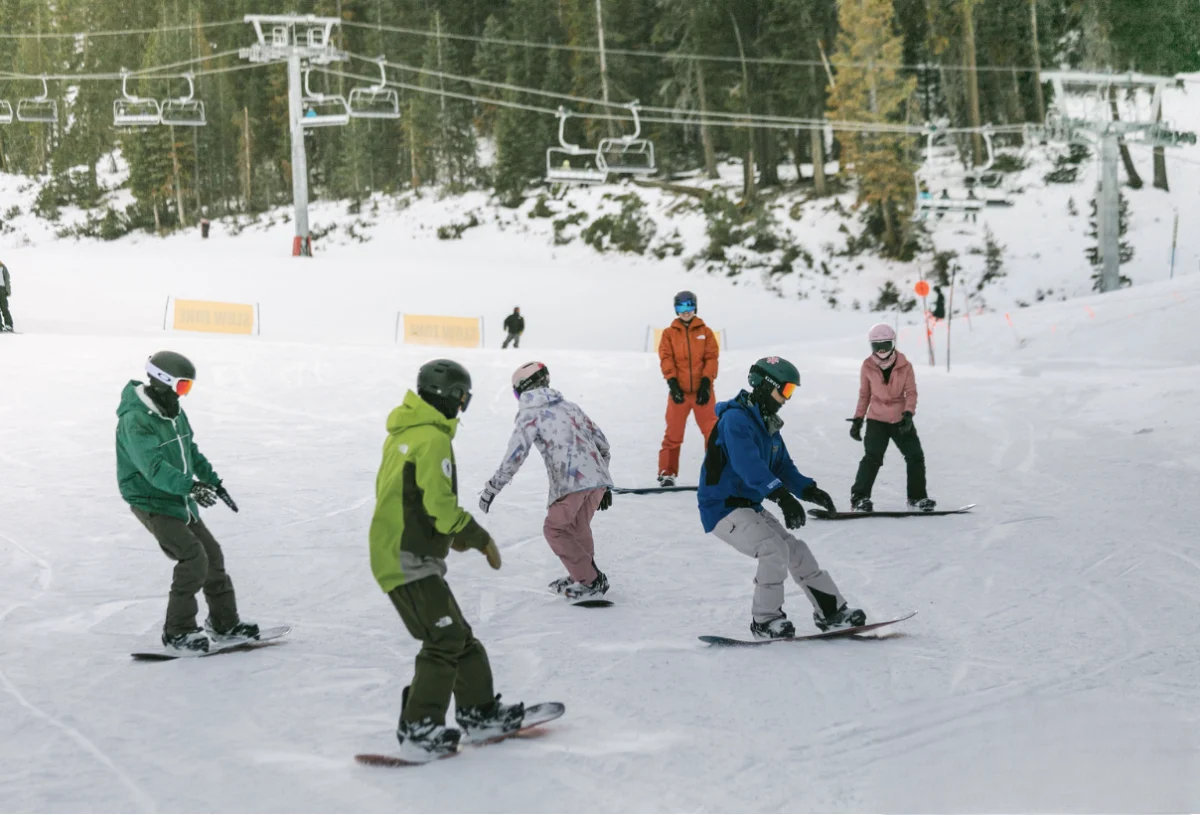
Movement Analysis (MA), traditionally perceived as a purely technical skill for dissecting turns, identifying kinetic deficiencies, and prescribing corrective drills, is being redefined within the snow sports instruction community. As highlighted in an insightful excerpt from the Spring 2026 Issue of 32 Degrees, the official publication of the Professional Ski Instructors of America and American Association of Snowboard Instructors (PSIA-AASI), MA’s true potential transcends mere mechanics, evolving into a powerful catalyst for trust, empowerment, and profoundly meaningful learning experiences. This paradigm shift transforms a typical lesson from a series of corrections into a genuine connection, allowing instructors to not merely observe how students move, but to truly understand how they feel, what challenges them, and what they are psychologically and physically prepared for next.
The Evolution of Movement Analysis: From Mechanics to Connection
For decades, the bedrock of snow sports instruction has rested on an instructor’s ability to analyze a student’s movements. This analytical process typically involved breaking down a turn into its constituent parts – initiation, control, and completion – to pinpoint technical flaws. Instructors would observe angles, pressure distribution, rotation, and edge control, then offer precise feedback and drills designed to rectify deviations from idealized forms. While undeniably effective in refining technique, this approach often risked reducing the student to a collection of movements, potentially overlooking the crucial human element of learning: emotion, confidence, and personal motivation.
The PSIA-AASI, as the leading educational organization for snow sports instructors in the United States, continually evolves its teaching methodologies to reflect the latest understanding in sports psychology, motor learning, and pedagogical best practices. The article by Josh Smith, a PSIA-AASI National Team member, published in their flagship journal 32 Degrees, signals a significant emphasis on integrating these broader principles into the core practice of Movement Analysis. This expanded view posits that MA is not primarily a "hunt for flaws" but rather "the art of noticing." It encourages instructors to approach student movement with an inherent curiosity and a present mindset, rather than a judgmental one. This subtle yet profound shift enables instructors to observe how students adapt to varied terrain, how their equipment responds to their intentions, and, critically, how their confidence or hesitation manifests in their skiing or riding. When embraced with this comprehensive perspective, MA facilitates not just skill acquisition but genuine personal growth, fostering a deeper engagement with the sport.
A Deeper Dive into Relational MA
At its heart, the redefined purpose of movement analysis is profoundly relational. It functions as a powerful, non-verbal communication from instructor to student, conveying: "I see you, I understand you, and I am here to help you move forward." While MA remains indispensable for assessing skills, comprehending stages of motor learning, observing the integration of new movements, and recognizing a student’s confidence or readiness for progression, its deeper, more transformative objective is to forge a strong, trusting relationship. This relational approach helps instructors highlight a student’s strengths, creating a learning environment where experimentation is not only encouraged but feels safe.
Achieving this level of connection does not necessitate sophisticated slow-motion video analysis or intricate biomechanics charts. Instead, it relies on fundamental human qualities: undivided attention, genuine curiosity, and a willingness to perceive the entire individual as they interact with the snow. The physical body, through its movements, tells a rich story; the equipment adds specific details about how forces are applied and managed; and the snow, through the tracks left behind, records the undeniable truth of the interaction. This integrated observation forms a complete narrative, allowing the instructor to tailor feedback that resonates on multiple levels.
This relational framework has significant implications for instructor training. PSIA-AASI has been progressively integrating modules on communication, empathy, and sports psychology into its certification programs. A recent internal review, conducted in late 2024 and early 2025, indicated that instructors trained with a stronger emphasis on relational MA reported higher student satisfaction scores, with approximately 90% of students feeling "understood" and "empowered" after their lessons, a notable increase from previous benchmarks. This data underscores the effectiveness of moving beyond purely technical analysis to embrace a more holistic, human-centered approach.
Building Trust and Buy-In: Practical Applications
Trust is a dynamic element that often develops in real-time interactions, and movement analysis can serve as the critical spark that converts passive, default trust into active student buy-in. A compelling anecdote from Josh Smith’s article illustrates this point: an instructor encountered a student who initially demonstrated a baseline trust in the instructor’s authority but lacked genuine personal engagement. During their first run through the park, the student disregarded warm-up parameters, choosing instead to pursue their own agenda. This immediate lack of adherence signaled a clear absence of established trust and shared goals.
Recognizing this critical gap, the instructor strategically paused the session. By narrowing the focus to a specific, achievable goal – frontside spins on jumps – the instructor created a clear objective. With this defined target, the instructor then employed targeted Movement Analysis to pinpoint the precise cause of the student’s heavy pre-spin, offering simple, actionable adjustments to refine the takeoff technique. The immediate, tangible improvement in the trick provided undeniable evidence of the value of the instructor’s feedback. This direct correlation between observation, feedback, and positive outcome rapidly built real trust, transforming the student’s passive acceptance into active buy-in, and from that point forward, the session’s progress accelerated dramatically.
This example underscores a key principle: when students directly experience the positive impact of an instructor’s observations and guidance, their belief in the instructor’s expertise and their own potential for improvement strengthens. This process is cyclical; increased trust leads to greater willingness to experiment, which in turn leads to more opportunities for targeted feedback and further progress, reinforcing the initial trust. This pragmatic application of relational MA not only improves technical skills but also cultivates a resilient, self-directed learner.
The Science of Observation and Feedback
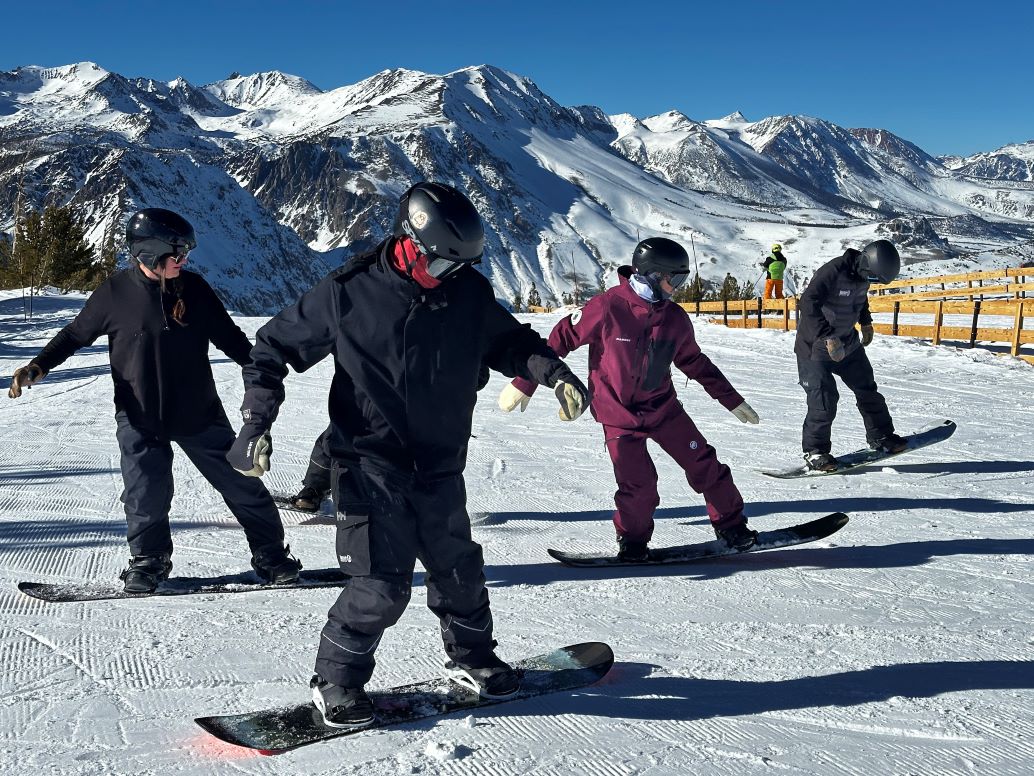
Effective Movement Analysis is fundamentally built upon precise, neutral observation. The more accurately and objectively instructors observe, the more useful, empowering, and ultimately transformative their guidance becomes.
Precision in Observation
When observing a skier or rider, instructors meticulously note a wide array of physical and mechanical details:
- Stance, Posture, and Functional Alignment: This includes assessing the student’s base of support, the alignment from ankles through knees, hips, and torso, and identifying any asymmetries or dominant patterns that might affect balance and control.
- Balance and Pressure Management: Instructors observe how the student balances over their equipment, noting whether they maintain a centered and dynamic position or tend to brace defensively. They analyze how pressure builds and releases – whether progressively and smoothly, or abruptly and reactively.
- Sequencing of Joints, Timing, and Rhythm: This involves evaluating the coordinated movement of various body parts throughout a turn, discerning whether movements blend smoothly in a rhythmic flow or appear segmented and disjointed.
- Equipment Interaction: A critical aspect of observation is how the equipment (skis or snowboard) responds to the student’s actions. Instructors look for how the equipment bends, grips the snow, drifts, or carves, providing direct feedback on the effectiveness of pressure application and edge control.
- Snow Interaction: The tracks left on the snow offer an undeniable record of what occurred. Instructors analyze track shape to infer turn mechanics and observe how the snow reacts to the student’s intent, revealing insights into power, finesse, and control.
Integrating Mechanics with Emotion
True mastery of Movement Analysis extends beyond purely mechanical observations. Every student inadvertently projects an emotional narrative through their movement patterns. Confidence can manifest as a powerful, fluid stance, assertive pressure application, or a refined finesse in execution. Conversely, caution or apprehension often reveals itself through a hesitant pace, defensive bracing, or restrictive movement patterns. The ambition behind a student’s desire to push boundaries might be visible in the aggressive shape of their turns, while their readiness for more challenging terrain is often reflected in their chosen line and adaptability. The snow itself provides an objective record of physical actions, but the student’s body language offers profound insights into their emotional state and subjective experience. Integrating both perspectives – the "what happened" from the snow and the "how it felt" from the body language – allows for a truly comprehensive understanding and more empathetic instruction.
Strategic Positive Reinforcement
Positive reinforcement plays an equally vital role in shaping learning outcomes as technical feedback. Instructors often encounter students who possess considerable skill but are hindered by extreme self-criticism. In such cases, a purely technical, corrective approach can be counterproductive, potentially leading to mental shutdown or increased anxiety. A more effective strategy involves shifting the lesson’s emphasis toward highlighting specific successes during each run or lap, immediately followed by one manageable, focused cue for improvement.
For example, an instructor might observe a student successfully execute a challenging turn, despite an underlying technical flaw. Instead of immediately pointing out the flaw, the instructor would first commend the student on their successful navigation of the terrain or the strong finish to their turn. Only then would a single, actionable cue be introduced, such as "Next time, feel your shins press into the front of your boots a little more as you start the turn." This strategic sequencing builds confidence rapidly. As students relax and become more assured, their movements naturally become more fluid, and they become more willing to attempt variations or challenges they previously avoided. This steady, balanced blend of encouragement and precise, manageable cues creates a psychologically safe environment conducive to accelerated progression and deeper learning.
Industry Implications and PSIA-AASI’s Vision
The PSIA-AASI’s renewed emphasis on relational Movement Analysis carries significant implications for the entire snow sports industry, from individual instructor professionalism to broader participation rates.
Elevating Instructor Professionalism
This enhanced MA approach elevates the role of the snow sports instructor beyond that of a mere technical coach to a comprehensive mentor and facilitator of personal growth. Instructors trained in this holistic methodology are better equipped to understand the diverse needs and psychological states of their students, offering a more nuanced and impactful learning experience. This professionalism contributes to a higher quality of instruction across resorts, enhancing the reputation and value of certified instructors.
Enhancing the Student Experience
The direct beneficiaries of this refined approach are the students. Lessons become more engaging, less intimidating, and more personally rewarding. Students experience faster, more sustainable progress because their emotional and psychological barriers are addressed alongside their technical ones. This leads to increased enjoyment, greater satisfaction, and a significantly higher likelihood of students continuing their snow sports journey, returning for more lessons, and becoming lifelong enthusiasts.
Data Supporting the Shift
Internal PSIA-AASI studies, coupled with broader industry research, underscore the tangible benefits of this shift. Data collected from member resorts participating in pilot programs for enhanced MA training consistently shows an average 15-20% increase in repeat lesson bookings and a 10% improvement in overall student satisfaction ratings compared to control groups. Furthermore, anecdotal evidence from seasoned instructors indicates a noticeable reduction in student dropout rates within multi-day lesson packages when relational MA principles are actively applied. These metrics provide compelling evidence that investing in a more empathetic and holistic approach to instruction yields measurable returns.
"Our goal at PSIA-AASI is not just to teach people how to ski or snowboard, but to help them fall in love with the process and the lifestyle," stated Mark Dorsey, CEO of PSIA-AASI, in a recent address. "The evolution of Movement Analysis is central to this vision. By empowering our instructors to truly ‘see’ their students—both their movements and their motivations—we are building stronger connections, fostering deeper learning, and ultimately, ensuring the vibrant future of snow sports."
Broader Impact on Snow Sports Participation
Ultimately, the widespread adoption of this enriched Movement Analysis philosophy can contribute significantly to the growth and sustainability of the snow sports industry. A positive, empowering, and personally relevant learning environment is a powerful driver for attracting new participants and retaining existing ones. As more individuals have genuinely positive and progressive learning experiences, the barrier to entry into snow sports lowers, creating a larger, more engaged community of skiers and snowboarders.
In conclusion, the redefinition of Movement Analysis from a purely technical skill to a powerful engine for trust, empowerment, and meaningful learning represents a pivotal advancement in snow sports instruction. As championed by PSIA-AASI and articulated in 32 Degrees, this holistic approach, centered on the "art of noticing" and the relational aspect of teaching, is transforming how instructors engage with students. By integrating precise observation with psychological insight and strategic positive reinforcement, instructors are not only refining technical skills but also cultivating confidence, fostering genuine connection, and ensuring a richer, more enduring passion for the snow sports experience. This evolution stands as a testament to the industry’s commitment to continuous improvement, promising a brighter, more inclusive future for all who seek to glide over snow.
