

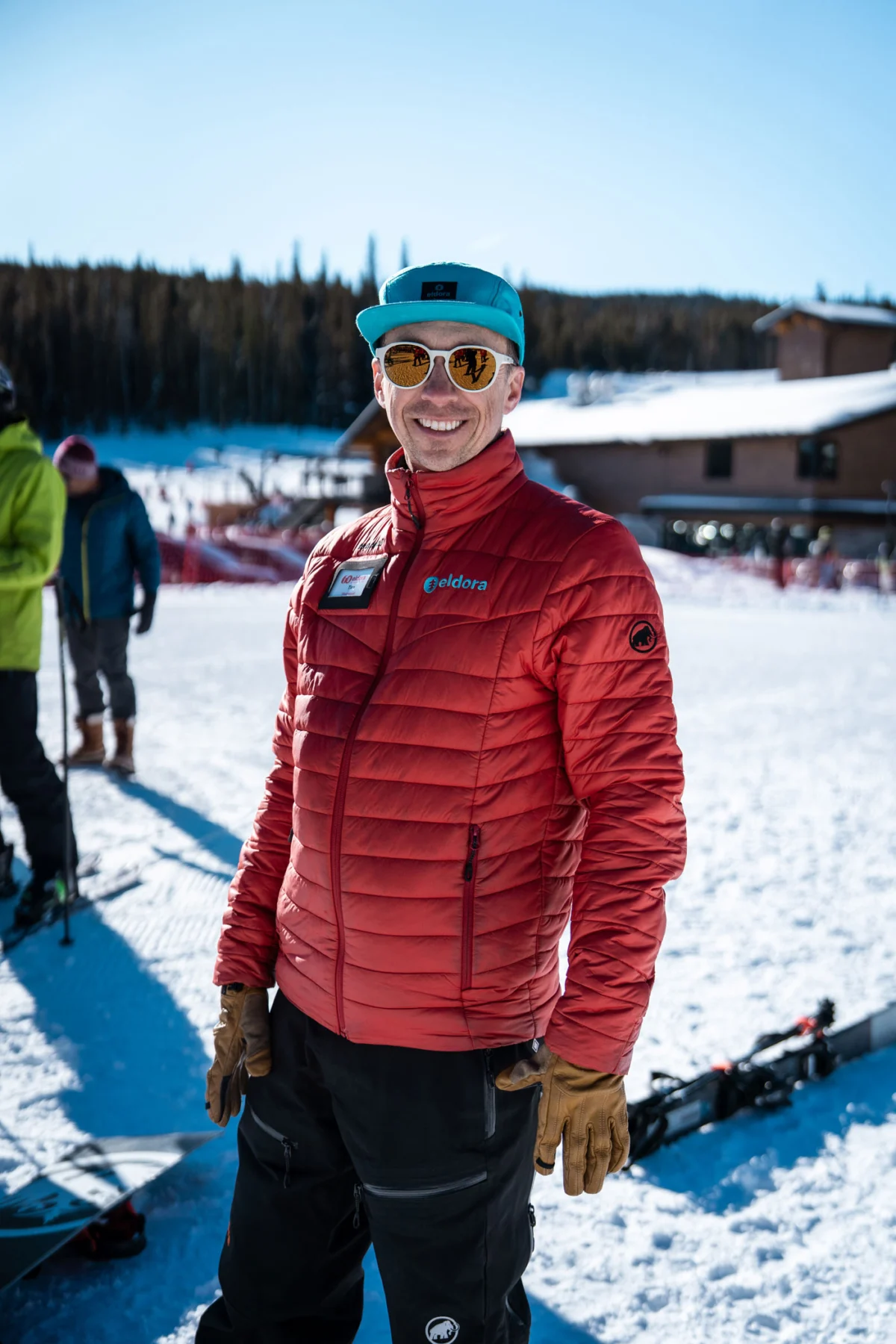
The crisp air of Boulder County, Colorado, carries the promise of adventure at Eldora Mountain, a premier destination for winter sports enthusiasts. At the heart of its vibrant ski and ride community stands Tim Kenney, the school director, whose leadership philosophy is deeply rooted in the nostalgic spirit of summer camp. Kenney, profiled in the Winter 2026 Issue of 32 Degrees, champions an environment where diverse individuals converge, form lasting bonds, and collectively pursue their passion for the outdoors, mirroring the carefree, unifying essence of youthful summer experiences. This unique approach to leadership, combining empathy with strategic operational principles, has become a hallmark of Eldora’s Ski and Ride School since Kenney assumed the director role in January 2023.
Fostering Community: The "Summer Camp" Ethos at Eldora
Kenney’s vision for the Eldora Mountain Ski and Ride School transcends traditional instructional models, aiming instead to replicate the camaraderie and shared purpose found in summer camps. "People come from all over the place to attend summer camp," Kenney reflects, highlighting the inherent diversity. "They come from super diverse backgrounds and from different states and may not see each other the rest of the year. But when they’re at camp, they’re buddies. They have a special, unique bond." This sentiment forms the bedrock of his leadership, striving to forge a similar sense of belonging among Eldora’s instructors.
The instructor pool at Eldora is remarkably varied, a microcosm of the broader professional landscape, ranging from aerospace engineers leveraging their analytical skills to recent college graduates embarking on their careers. This rich tapestry of backgrounds, while presenting a management challenge in some contexts, is seen by Kenney as a distinct asset. He believes that this diversity enriches the learning environment for students and strengthens the internal support system among staff. Despite their varied professional lives outside the resort, a shared love for snowsports and the outdoors acts as a powerful unifying force. However, cultivating a truly cohesive and supportive community, particularly one that mirrors the "halcyon days of camp," requires intentional effort and strategic leadership, a task Kenney has embraced with vigor.
The ski industry, like many seasonal sectors, often faces challenges in staff recruitment and retention, alongside fostering a consistent and positive work culture. By focusing on community building, Kenney aims to create an environment where instructors feel valued, supported, and connected, thereby enhancing job satisfaction and reducing turnover. This, in turn, contributes directly to the quality of instruction and the overall guest experience, positioning Eldora as not just a place to learn to ski or snowboard, but a place to belong.
A Foundation of Mentorship and Strategic Training
Kenney’s path to leading Eldora’s Ski and Ride School is marked by a significant commitment to professional development, enriched by influential mentors and robust leadership training programs. His journey into snowsports management began in earnest in 2012 when he joined the Rocky Mountain Region office. Initially serving as a membership coordinator, he gained invaluable insights into the needs and concerns of members, acting as a crucial liaison between the membership and various school directors. His subsequent role as education manager further deepened his understanding of instructional standards and professional growth within the industry.
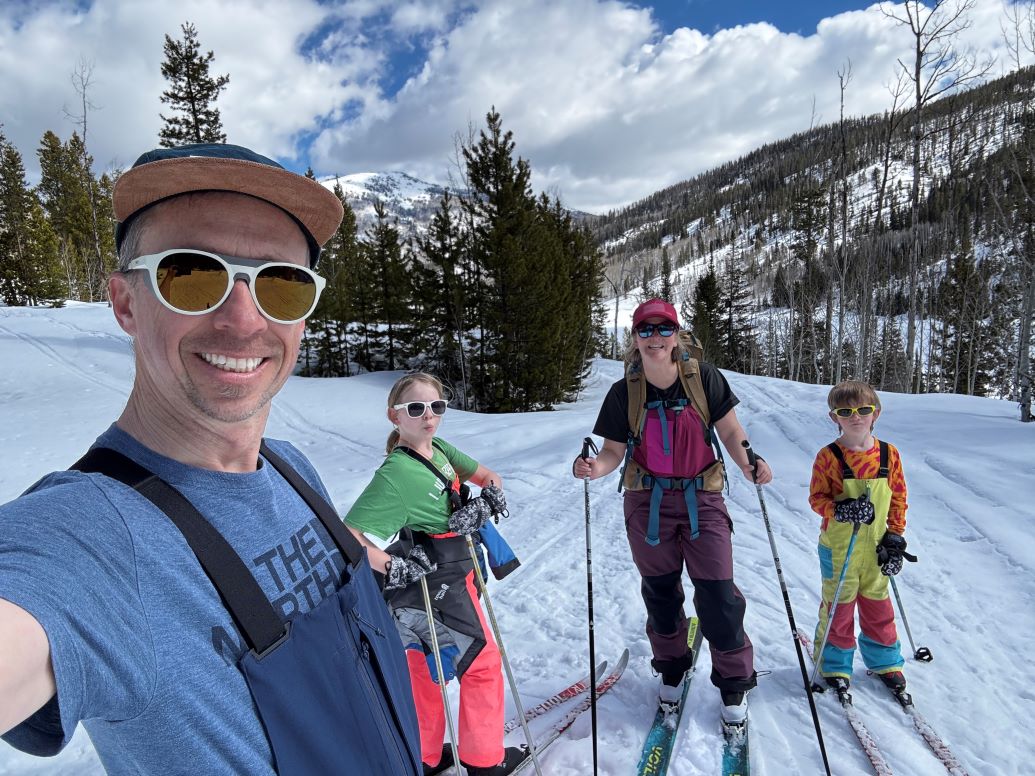
During his tenure in the Rocky Mountain Region, Kenney collaborated extensively with several committees and dedicated himself to leadership training under the guidance of Education Director Dave Gregory. Two programs, in particular, left an indelible mark on his leadership philosophy. The first was extreme ownership training, a rigorous 10-point system designed to instill profound responsibility. This philosophy teaches leaders to "take full responsibility for everything that happens within their team, organization, or life, focusing on actionable strategies to improve performance and solve problems." This principle emphasizes accountability and proactive problem-solving, a critical attribute for managing a dynamic environment like a ski school.
The second highly influential program was Rudy Miick’s conscious communication. Kenney credits this training with significantly enhancing his ability to interact effectively, both with the broader membership and with his supervisors. "It helped me communicate with the membership, and it’s really helped me communicate with supervisors," he notes. "Whether it’s managers or instructors, it helps peel away the layers that maybe aren’t relevant and helps get to the meat of issues we need to solve." This focus on clear, concise, and empathetic communication is vital in an environment where quick decisions and effective instruction are paramount.
Kenney also benefited immensely from the mentorship of region CEO Dana Forbes, who, alongside Gregory, was a strong proponent of the Rocky Mountain region’s annual Member School Management (MSM) event and their Directors’ conference. These gatherings were strategically designed to bring together the region’s trainers and managers to discuss evolving processes, procedures, and industry standards. "The directors and managers of the schools would come together and tackle topics pertaining to the schools, whether it’s volume, staffing, housing, those kinds of things," Kenney explains. These conferences also provided a crucial forum for strengthening the relationship between PSIA-AASI (Professional Ski Instructors of America and American Association of Snowboard Instructors) and individual ski schools, fostering a collaborative approach to industry challenges.
Beyond his regional office experience, Kenney also credits seasoned resort leaders for shaping his practical management skills. He cites Nelson Wingard, now vice president of Steamboat’s SnowSports School, as an inspiration for his leadership and the transformative changes he implemented. Furthermore, Dina Castor, who recently took over as director at Steamboat and originally hired Kenney in 2001, provided an early foundation for his career. The influence of National Team alumni Scott Anfang also played a significant role. Despite not meeting Anfang until his Snowboard Level III training, Kenney values their continued connection. "I’ll still pick up the phone and call Scott because he’s always got an interesting take on things that’s so grounded, in the real-life boots-on-the-ground experience," Kenney shares, highlighting the importance of practical, field-based wisdom in leadership.
Empathy and Authenticity: Pillars of Kenney’s Leadership
Upon assuming the directorship at Eldora in January 2023, Kenney was well-equipped to integrate his extensive training and varied experiences into a cohesive leadership strategy. A core tenet of his approach is the trust triangle, a leadership philosophy that posits trust is built through a combination of authenticity, logic, and empathy. "Every once in a while, you dig into leadership theories, and you think to yourself, ‘Huh, I may have been doing that all along without knowing it,’" Kenney observes, reflecting on the intuitive nature of some effective leadership practices. He finds the trust triangle model particularly compelling because "it simplifies things in terms of how we interact with individuals."
Kenney actively applies this model with his supervisors and managers, with a particular emphasis on empathy. He illustrates this with a common scenario: during a busy Saturday lineup, instructors’ stress levels are often elevated, and what might seem like a minor issue to a supervisor could be a significant concern for an instructor. While a supervisor’s initial reaction might be to dismiss the issue as unimportant in the moment, Kenney advises against this. "It’s not for us to judge whether the issue is big or small," he states. Instead, the focus should be on acknowledging the instructor’s concern empathetically, then gently guiding the conversation back to the day’s immediate operational logic without being "too heavy-handed or too harsh." This approach not only validates the instructor’s feelings but also maintains a positive and productive working relationship.
This empathetic leadership extends beyond his immediate staff to encompass all interactions within the resort. Kenney is a strong advocate for "leading with a carrot, rather than a stick," emphasizing encouragement and positive reinforcement over punitive measures. He believes that understanding and acknowledging the varied experiences and challenges individuals face is paramount. "We don’t know what everyone’s going through throughout their day, whether that’s a guest or an employee," he maintains, cautioning against imposing one’s own values onto others. This universal application of empathy helps create a more welcoming and understanding environment for everyone at Eldora, from the newest instructor to the visiting guest.
The "On-Stage" Mentality: Professionalism as a Continuous Performance
Another cornerstone of Eldora’s culture under Kenney’s leadership is the "on-stage" mentality, a concept championed by motivational speaker Dan Thurmon, whose insights Kenney encountered during a pandemic-era leadership training seminar. This philosophy asserts that individuals, particularly those in service roles, are always representing their organization, regardless of whether they are actively on duty or in uniform. At Eldora, this mentality is consciously passed down from supervisors to instructors, fostering a pervasive culture of professionalism.
"We’re training them to be aware that they are always representing Eldora, in all their actions in uniform and outside of uniform," Kenney explains. "Whether they like it or not, they are always on stage, and in all their interactions at the coffee shop, on the shuttle bus, and coming up to work in front of their guests people are assessing them and then laying the layer of Eldora over top." This perspective instills a heightened sense of responsibility and awareness among the staff, reminding them that every interaction, both on and off the slopes, contributes to the resort’s public image and the guest experience. In a competitive leisure industry where customer perception is critical, this focus on consistent, positive representation is invaluable. It ensures that the "summer camp" spirit of camaraderie and excellent service extends beyond the lessons, permeating every facet of the Eldora experience.
Broader Impact and Industry Implications
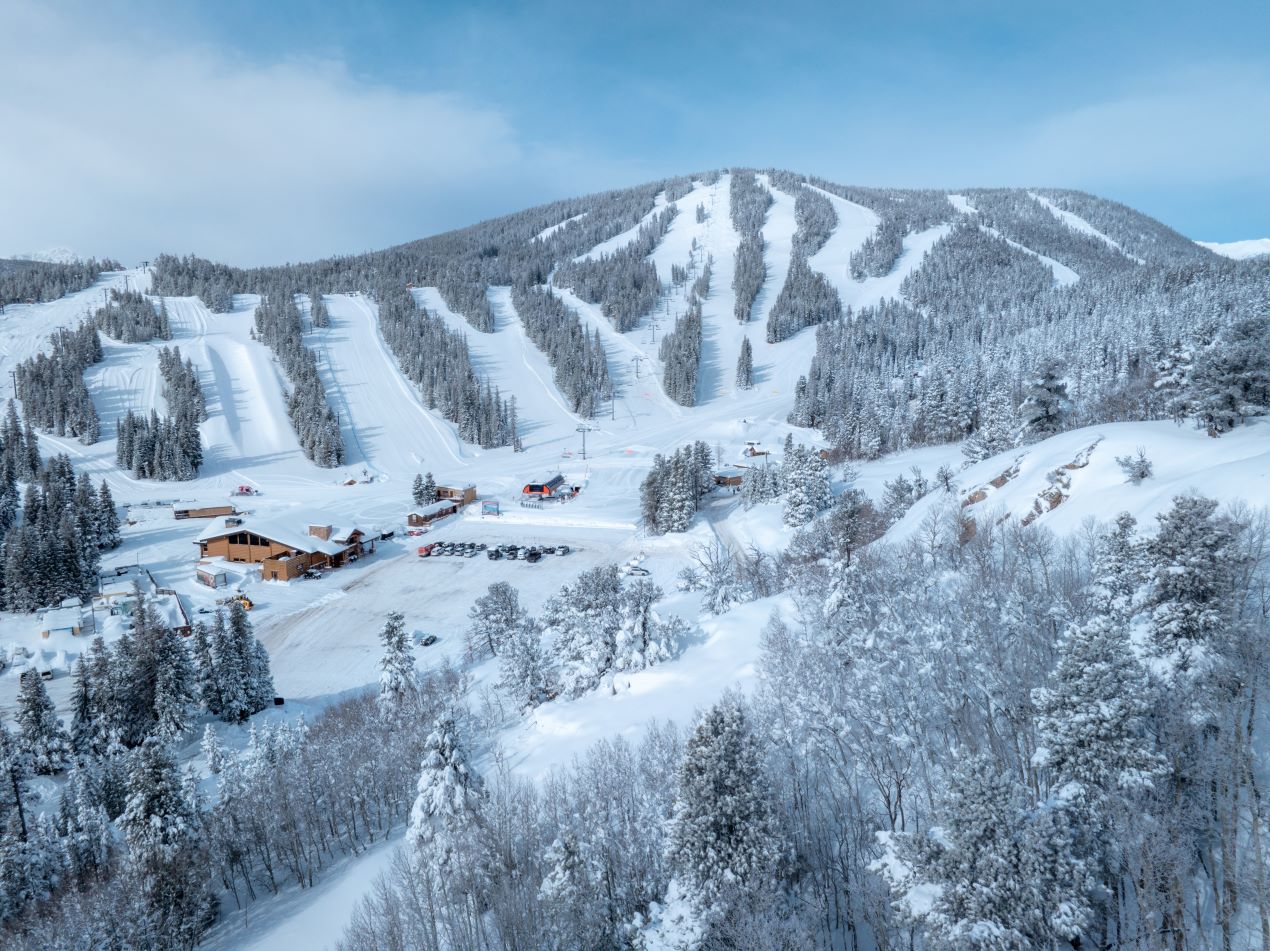
Tim Kenney’s leadership at Eldora Mountain arrives at a time when the ski industry continues to navigate complex challenges, including evolving guest demographics, the increasing demand for high-quality instruction, and operational hurdles such as housing and staffing shortages. Eldora Mountain, as a vital regional ski area in close proximity to major population centers like Boulder and Denver, plays a crucial role in introducing new generations to snowsports and serving a dedicated local clientele. Kenney’s emphasis on building a strong, empathetic, and professional community among his instructors directly addresses these industry-wide concerns.
By fostering a positive work environment rooted in trust and mutual respect, Eldora stands to benefit from higher instructor morale, improved retention rates, and a more consistent quality of service. This, in turn, enhances the guest experience, leading to greater customer satisfaction and loyalty. The integration of established leadership theories like "extreme ownership" and the "trust triangle" with practical, "boots-on-the-ground" wisdom underscores a modern, adaptive approach to ski school management. Furthermore, his strong ties to PSIA-AASI through his previous roles and ongoing professional development ensure that Eldora’s instructional standards remain at the forefront of the industry.
Kenney’s "summer camp" philosophy is more than just a metaphor; it’s a strategic framework for creating an inclusive, supportive, and high-performing team. In an era where authenticity and connection are highly valued by both employees and customers, his leadership style positions Eldora Mountain’s Ski and Ride School not just as an educational institution, but as a vibrant community where passion for snowsports thrives, and individuals are empowered to grow both personally and professionally. His commitment to empathy, clear communication, and unwavering professionalism ensures that Eldora continues to deliver exceptional experiences, solidifying its reputation as a cherished destination in the Colorado Rockies.
