

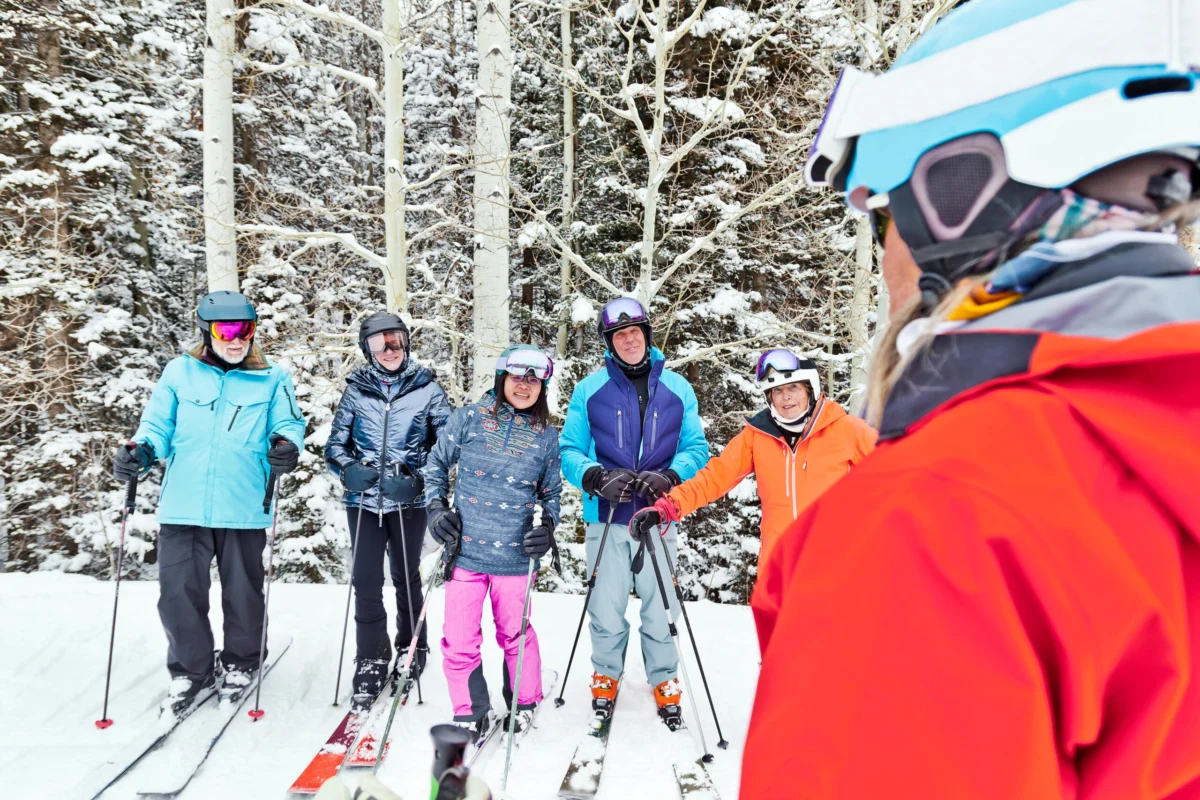
The ski industry faces a paradoxical challenge: a stated commitment to growth and relevance, yet a persistent pricing model for beginner lessons that erects significant financial barriers. Each year, the mantra from industry stakeholders remains consistent: the sport must expand its participant base. However, this aspiration frequently clashes with the reality of beginner instruction costs, which can reach upwards of $300 for a single group lesson and exceed $1,000 for private tuition at many North American resorts. This pricing strategy positions ski lessons not as a gateway to the sport, but as a premium service, alienating potential new enthusiasts and reinforcing skiing’s perception as an exclusive pursuit for the affluent.
The Steep Cost of Entry: An Industry Anomaly
While the overall expense of a ski trip—encompassing lift tickets, lodging, equipment, and dining—is undeniably high, many of these costs offer avenues for reduction. Savvy travelers can secure cheaper lift tickets by purchasing in advance, pack their own meals, opt for accommodation in nearby towns, utilize ski bus services, or rent and buy used gear. Ski lessons, however, present a unique and largely immutable cost component. Aspiring skiers who wish to develop proficiency are often bound by the prices set by the resorts, with scant alternatives available. This fundamental difference is a primary driver behind the sport’s enduring image as an activity reserved for the wealthy.
Critics within and outside the industry argue that this approach represents a strategic misstep: treating ski lessons primarily as a profit center rather than a crucial customer acquisition tool. Instead of viewing initial lessons as a direct revenue stream, they contend that resorts should consider them an investment in cultivating long-term relationships with potential lifelong skiers. A beginner who enjoys a positive and affordable learning experience today is far more likely to become tomorrow’s season pass holder, equipment purchaser, resort diner, repeat traveler, and eventually, a parent introducing their own children to the sport. If the overarching goal is to foster a new generation of dedicated skiers, then initial instruction ought to be one of the most accessible and appealing aspects of the sport, not one of its most substantial financial deterrents.
Safety, Skill, and the Unaffordable Education
Beyond the economics of participation, the high cost of lessons has critical implications for mountain safety and skill development. Every season, ski patrols and emergency services grapple with incidents involving out-of-control skiers, collisions with trees, lift towers, and other individuals, as well as those who ski too fast, make erratic turns, stop in dangerous blind spots, or venture into terrain beyond their capabilities. While the industry vociferously preaches slope etiquette and mountain safety, it simultaneously renders the formal education necessary to master these principles largely unaffordable for many.
This disparity compels many beginners to seek informal, often inadequate, methods of learning. They teach themselves through trial and error, rely on well-meaning but unqualified friends, consult online videos, or simply "wing it." This ad-hoc approach frequently leads to the development of ingrained bad habits—improper technique, poor body positioning, and unsafe decision-making—that are exceedingly difficult to correct later. The root cause of this widespread issue is clear: the alternative, which is professional instruction, often demands an expenditure of thousands of dollars for even a few fundamental lessons. The consequence is not merely a less enjoyable experience for the individual but a heightened risk for everyone on the mountain.
The Instructor’s Plight and Structural Barriers
A common counter-argument to calls for reduced lesson costs is the imperative to fairly compensate ski instructors. This sentiment is widely shared; skilled instructors are professionals who dedicate their expertise to teaching a challenging sport. However, a closer examination of the industry’s financial structure reveals that instructors often do not receive a commensurate share of the high fees charged to students. Resorts typically retain a significant portion of lesson revenue, leaving instructors with only a fraction of what guests pay.
This imbalance is exacerbated by the monopolistic control resorts exercise over lift access and terrain. Unlike many other service industries, skiers cannot easily bypass resort-affiliated instruction to hire an independent instructor directly, even if they could secure a more affordable rate. The resort’s control over the fundamental infrastructure of skiing effectively stifles competition in the instruction market, ensuring that the existing high-price, high-retention model persists. This creates a challenging environment for instructors, who are often passionate about teaching but face pressures of inconsistent work, lower-than-deserved pay, and limited autonomy, all while serving a customer base that finds the instruction prohibitively expensive.
A North American Anomaly: Global Disparities in Instruction Costs
Perhaps one of the most perplexing aspects of the high cost of ski lessons is its largely North American specificity. A comparative analysis with other major skiing regions around the world reveals stark differences that are difficult to reconcile with simple economic explanations.
In the European Alps, for instance, a comprehensive package of five full days of group lessons can often be secured for approximately $600 total. This offers an immersive, week-long learning experience at a fraction of the cost of comparable instruction in North America. Similarly, in Japan, a country renowned for its exceptional snow conditions and hospitality, a full-day adult lesson frequently costs around $100. South America presents even more striking value, with opportunities to obtain a full six days of instruction for under $500.
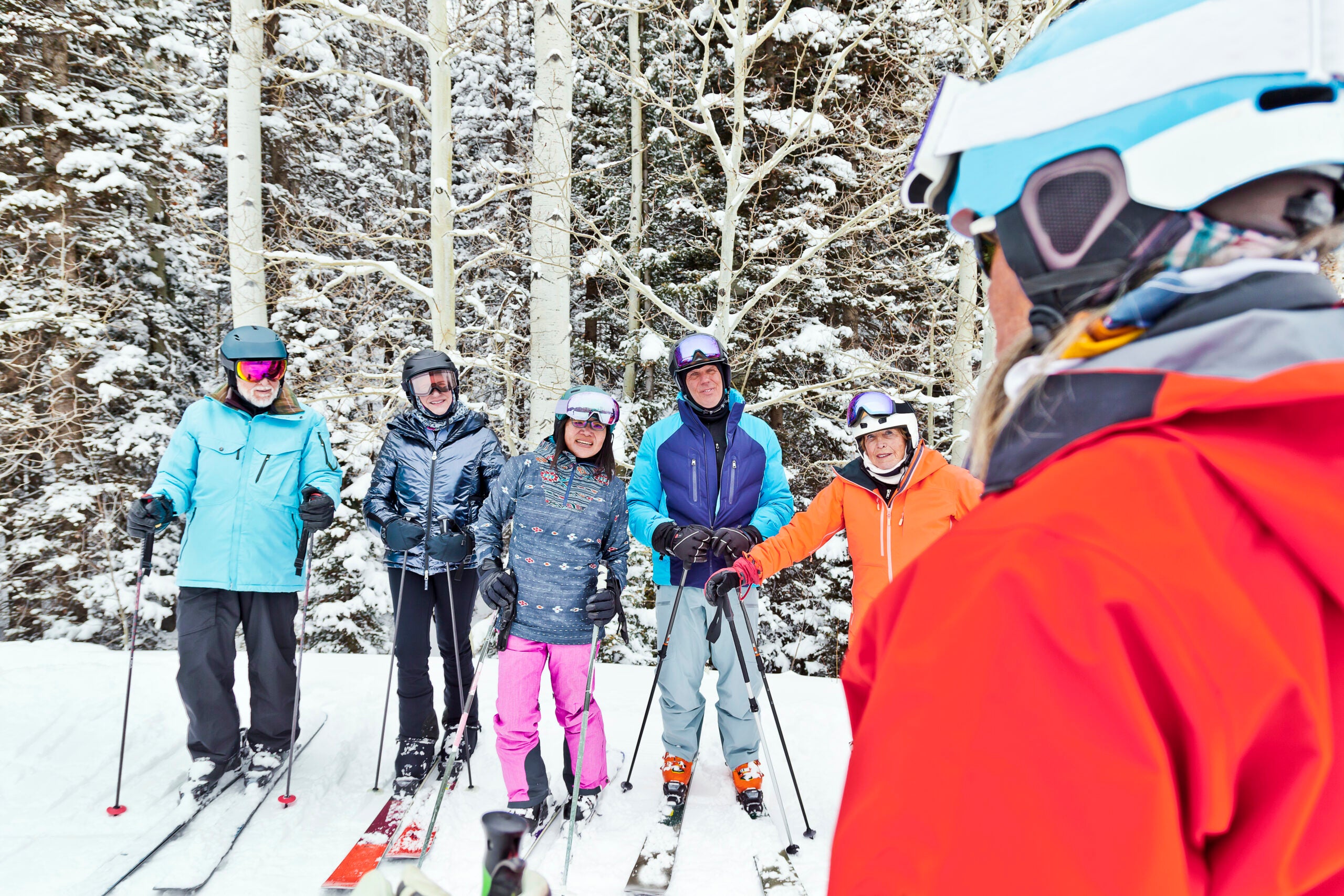
While it is acknowledged that different countries operate under varying labor costs, resort overheads, and overarching business models, the magnitude of this disparity warrants serious scrutiny. When an entire week of high-quality instruction overseas costs less than a single day’s lesson at many premier North American destination resorts, the question of why North America stands as such an outlier becomes critically important. This suggests that the issue extends beyond basic economic factors and delves into strategic choices and market structures unique to the North American ski industry.
Historical Context and the Evolution of Accessibility
Historically, skiing, particularly in its nascent stages, was often more community-oriented and accessible. In the post-World War II era, advancements in equipment and the development of local ski areas began to democratize the sport, moving it from an elite pastime to a recreational activity enjoyed by a broader segment of the population. Many early ski areas were built with community involvement, and local ski clubs often provided affordable instruction, fostering a sense of camaraderie and shared passion.
However, over recent decades, particularly with the consolidation of ski resorts under large corporate entities and the focus on premium experiences, the economic model has shifted. The drive for maximizing revenue per guest, often through high-value amenities and services, has inadvertently pushed basic entry-level services like beginner lessons into a luxury price bracket. This shift has created a significant disconnect from the historical ethos of many ski communities, which once prioritized accessibility as a means to cultivate local interest and participation. The timeline shows a gradual transition from grassroots accessibility to a more commercialized model where profit margins on every service, including foundational instruction, are paramount.
Charting a Path Forward: Solutions and Best Practices
Despite the current challenges, several existing models and potential strategies demonstrate that affordable instruction is not an impossibility. For those just starting out, bypassing the large, bustling destination resorts in favor of smaller, independent ski areas is a practical first step. These local hills typically offer more budget-friendly lessons, fewer crowds, and a generally less intimidating learning environment, fostering a more positive initial experience.
Furthermore, aspiring skiers can benefit significantly from looking beyond single-day lesson purchases. Many resorts, particularly those that prioritize long-term engagement, offer season-long lesson programs or multi-day packages that provide substantial savings compared to piecemeal instruction. Similar to the successful multi-resort pass models (e.g., Epic Pass, Ikon Pass), ski areas often reward advance planning and commitment with better value.
Innovative programs, such as Loveland Ski Area’s 3-Class Pass in Colorado, exemplify a forward-thinking approach. This program awards learners with a season pass upon completion of three lessons, effectively incentivizing continued participation and demonstrating that affordable, high-value instruction can indeed be integrated into a resort’s business model. Such initiatives prove that the industry can be creative in bridging the gap between profit objectives and growth imperatives.
Beyond these existing examples, broader industry-wide initiatives could include:
- Subsidized Beginner Programs: Resorts could collaborate with ski associations and equipment manufacturers to offer deeply discounted or even free introductory lessons during specific periods or for target demographics.
- Community Partnerships: Engaging with local schools, youth organizations, and community centers to introduce skiing through structured, affordable programs.
- Tiered Pricing Models: Implementing off-peak discounts, local resident rates, or specific "learner zones" with lower-cost access and instruction.
- Focus on Multi-Day Packages: Emphasizing comprehensive beginner packages that bundle lessons, rentals, and beginner-area lift access for a set, attractive price, rather than pushing high-cost single lessons.
- Instructor Empowerment: Exploring models that allow instructors a larger share of lesson revenue or facilitate independent instruction while maintaining safety standards and resort integration.
Statements, Reactions, and Broader Implications
Industry leaders frequently articulate the necessity of "growing the sport" to ensure its long-term viability, often citing declining participation rates among younger demographics and the need to broaden appeal beyond traditional markets. However, when confronted with the high cost of lessons, resort spokespersons often cite factors such as high operational overheads, insurance costs, the demand-driven nature of pricing in premium markets, and the significant investment required for infrastructure and personnel.
Conversely, ski instructors frequently express frustration with the current system. While appreciating the opportunity to teach, many feel their compensation does not adequately reflect their skills, experience, or the prices charged to their students. They often advocate for better pay and more stable employment conditions, recognizing that a well-compensated and motivated instructor workforce is crucial for delivering high-quality learning experiences. New skiers and beginners consistently voice their discouragement over the prohibitive costs, often sharing anecdotes of being priced out of formal instruction, leading to the informal learning methods that raise safety concerns.
The broader implications of this "priorities problem" extend beyond individual experiences. Economically, the failure to cultivate new generations of skiers through accessible instruction translates into a shrinking potential customer base for resorts, equipment manufacturers, and associated hospitality businesses in the long run. Socially, it perpetuates skiing’s image as an exclusive, elite sport, limiting diversity and making it less representative of the general population. This exclusionary perception can hinder the sport’s ability to attract new talent and passionate advocates.
Ultimately, this is not merely an affordability problem; it is a fundamental priorities problem within the North American ski industry. If resorts are genuinely committed to expanding the sport and securing its future, then beginner ski lessons must be re-evaluated. They should not be seen as a primary product for revenue maximization but rather as the single most critical investment they can make in nurturing the next generation of skiers. The current trajectory, where today’s excessively pricey ski lesson deters participation, risks coming at the irreversible cost of tomorrow’s lifelong skier. A strategic shift towards making learning genuinely accessible is not just an ethical imperative but an economic necessity for the sustained vitality of the sport.
