

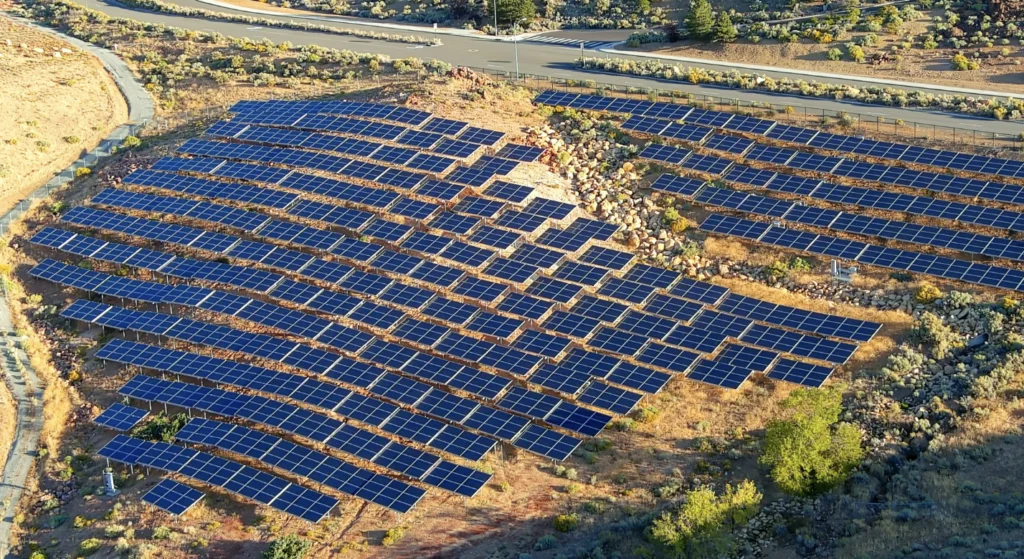
The City of Reno, Nevada, has emerged as a pivotal site for the American clean energy transition following the recent advancement of the Trego Battery Energy Storage System (BESS), a massive 200-megawatt infrastructure project designed to stabilize the regional power grid. This development represents a significant milestone for Washoe County, as the project is engineered to store surplus renewable energy and discharge it during periods of peak demand, effectively providing enough power to sustain approximately 68,000 households. The initiative, bolstered by a coalition of local community members, climate scientists, and advocates from the organization Protect Our Winters (POW), serves as a case study in how localized advocacy can overcome the systemic hurdles that often stall renewable energy infrastructure across the United States.
Technical Specifications and the Role of Battery Storage
The Trego BESS project is not merely a local utility addition; it is a critical component of the Western Interconnection’s evolution toward a carbon-neutral footprint. At its core, the facility utilizes Lithium Iron Phosphate (LFP) battery technology. Unlike traditional lithium-ion batteries that often utilize cobalt and nickel, LFP chemistry is increasingly favored by utility-scale developers due to its superior thermal stability and significantly lower risk of "thermal runaway" or combustion. This choice of technology was a primary factor in mitigating public safety concerns during the approval process.
The primary function of the Trego system is to address the "duck curve" phenomenon, a challenge prevalent in solar-heavy markets like Nevada. During the day, solar arrays often produce more electricity than the grid requires. Without storage, this excess energy is lost. The Trego BESS captures this surplus and releases it during the evening hours when solar production ceases but residential and commercial demand spikes. By doing so, the project reduces the state’s reliance on "peaker plants"—fossil-fuel-burning facilities that are expensive to operate and emit high levels of greenhouse gases.
Economic Impact and Regional Development
The economic implications of the Trego project are substantial, reflecting a broader trend of "green-collar" investment in the Silver State. According to data provided by project proponents and economic analysts, utility-scale battery storage projects of this magnitude generate roughly $14 million in localized economic activity for every 5 megawatts of capacity. For a 200-megawatt installation like Trego, the total economic footprint—including construction labor, procurement of local materials, and long-term tax revenue—is projected to reach hundreds of millions of dollars over the facility’s operational lifespan.
Furthermore, the project aligns with Nevada’s Senate Bill 358, which mandates that 50% of the state’s electricity come from renewable sources by 2030, with a goal of 100% carbon-free energy by 2050. The Trego BESS provides the reliability necessary to meet these legislative requirements without compromising grid stability or significantly inflating consumer costs. By lowering the need for emergency energy purchases from out-of-state markets during heatwaves or cold snaps, the system acts as a hedge against energy price volatility for Reno residents.
The Chronology of Community Engagement and Approval
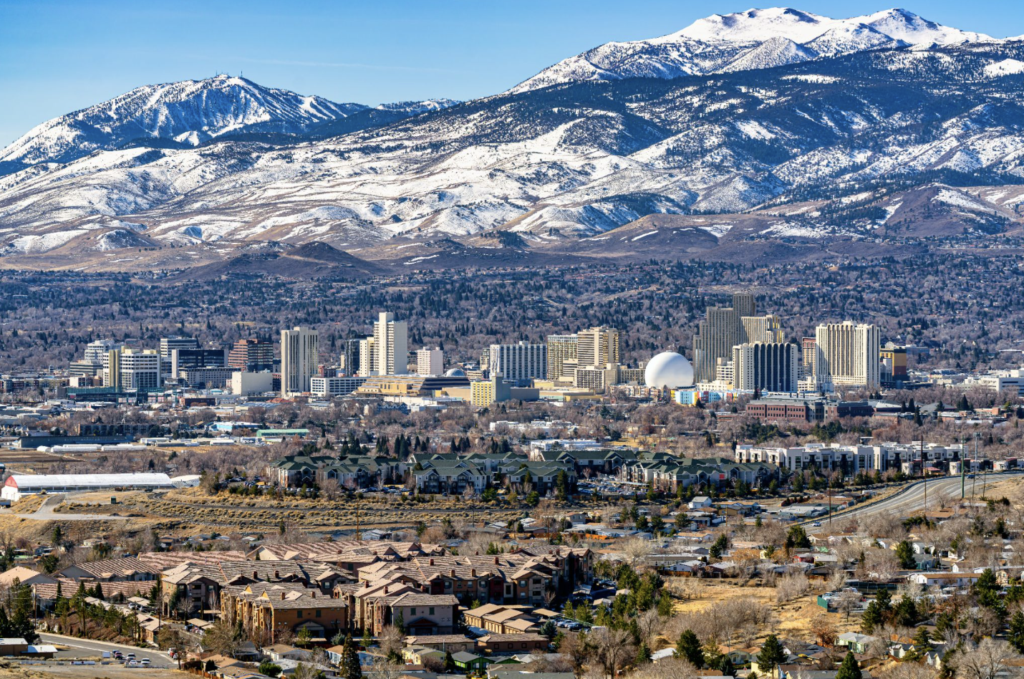
The path to the Trego BESS approval was marked by a rigorous public engagement process, a stage where many similar projects across the country often face indefinite delays. In the United States, renewable energy infrastructure frequently encounters "NIMBYism" (Not In My Backyard), a phenomenon where local residents support clean energy in principle but oppose specific projects due to concerns over aesthetics, land use, or perceived safety risks.
The timeline for the Trego project highlights the importance of proactive education:
- Initial Proposal and Technical Review: Developers submitted the Trego BESS plans, emphasizing the 200-megawatt capacity and the transition to LFP technology.
- Public Comment Period: Local residents and stakeholders raised initial questions regarding the safety of the battery facility and its proximity to residential areas.
- Scientific Advocacy and Education: Dr. Anne Nolin, a Snow Hydrologist and Professor in the Geography Department at the University of Nevada, Reno, alongside the POW Science Alliance, began reviewing the technical data. Dr. Nolin, whose research focuses on the impact of climate change on snowpacks and water security, identified the project as a tangible solution to the broader climate crisis affecting the Sierra Nevada region.
- Public Hearings: During the decisive hearings, a diverse group of advocates, including outdoor industry professionals and academic experts, provided testimony. Dr. Nolin and other community members highlighted the safety of LFP technology and the necessity of grid modernization.
- Final Approval: Based on the informed testimony and the lack of substantial technical opposition, local decision-makers moved forward with the project, citing the overwhelming community support and the clear economic and environmental benefits.
Scientific Perspective: Why Local Action Matters
The involvement of the scientific community, specifically through figures like Dr. Anne Nolin, provided a layer of objective credibility to the Trego project. As a snow hydrologist, Dr. Nolin’s work is inextricably linked to the health of the planet; the declining snowpacks in the West serve as a direct indicator of the necessity for a rapid transition away from fossil fuels.
In her testimony and subsequent public statements, Dr. Nolin emphasized that while federal policy is vital, the "front lines" of climate change are often found in local planning commission meetings. She noted that her initial skepticism regarding the safety of large-scale battery arrays was resolved through an investigation into the specific chemistry of Lithium Iron Phosphate. Her transition from a concerned citizen to a vocal proponent illustrates the critical role that transparent, fact-based information plays in the adoption of new technologies.
Broader Implications for the U.S. Clean Energy Landscape
The success of the Trego BESS in Reno is being viewed as a blueprint for other municipalities grappling with the energy transition. The United States currently faces a massive backlog of renewable energy projects waiting for grid interconnection and local approval. As of 2024, there are over 2,000 gigawatts of solar, wind, and storage projects sitting in "interconnection queues" nationwide. A significant portion of these delays is attributed to local zoning disputes and public opposition.
The Reno model suggests that when environmental advocacy groups like Protect Our Winters collaborate with the scientific community to educate the public, the "fear of the unknown" can be replaced by a sense of civic empowerment. This shift is essential for the implementation of the Inflation Reduction Act (IRA), which provides billions of dollars in federal tax credits for energy storage but relies on local governments to permit the actual construction of these facilities.
Analysis of Grid Reliability and Future Outlook
From a grid management perspective, the Trego project addresses a growing vulnerability in the American West: the increasing frequency of extreme weather events. As heatwaves become more prolonged, the demand for air conditioning places immense strain on the electrical grid. Battery storage systems like Trego act as a buffer, preventing the rolling blackouts that have plagued other regions during peak load events.
Industry analysts suggest that the Trego BESS will likely be followed by additional storage projects in the Reno-Tahoe industrial corridor, a region that is rapidly becoming a hub for battery manufacturing and recycling. The proximity to the Tesla Gigafactory and other technology firms creates a unique ecosystem where energy production, storage, and consumption are increasingly localized.
In conclusion, the approval of the Trego Battery Energy Storage System is a testament to the efficacy of informed local organizing. By bridging the gap between technical expertise and community advocacy, Reno has secured a more resilient energy future. For the rest of the country, the message is clear: the transition to clean energy is as much about public participation and local government as it is about engineering and high-level policy. As the Trego project moves toward its operational phase, it stands as a reminder that local action remains one of the most potent tools in the global effort to mitigate climate change and ensure energy security for future generations.
